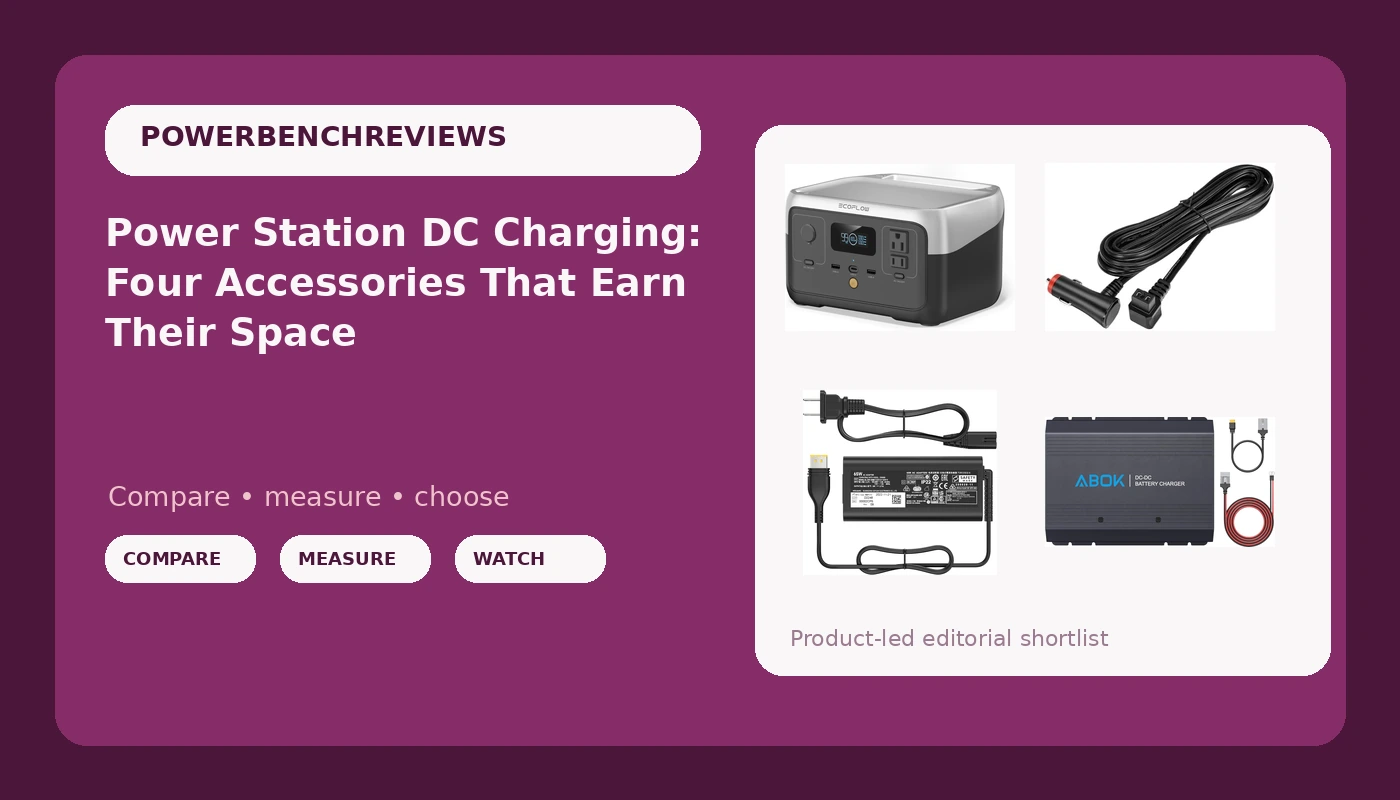
I bought my first portable power station in 2019 because the grid in Salida, Colorado drops every wildfire season, sometimes for four days at a stretch. Twelve years as an electrician taught me that the interesting failures are never the ones the spec sheet warns about. The interesting failures are the cables, the adapters, and the charging path somebody bolted on after the fact. That is why I put this comparison together: a portable power station DC charging setup is decided by the accessories, not by the box with the screen on it. The station gets all the attention, and the cords decide whether it actually works on night one.
Related: 12V Vs Solar Charging For Portable Power Stations
The short answer: if you drive a van, a truck, or a camper and you want DC charging that beats a wall outlet, the 500W alternator charger is the part that changes the math. The EF ECOFLOW RIVER 2 is the sensible small station to pair with it. The 65W CPAP adapter and the BougeRV fridge cord are the two cheap pieces people forget, and forgetting them is how a good station turns into an expensive brick at 2 a.m.
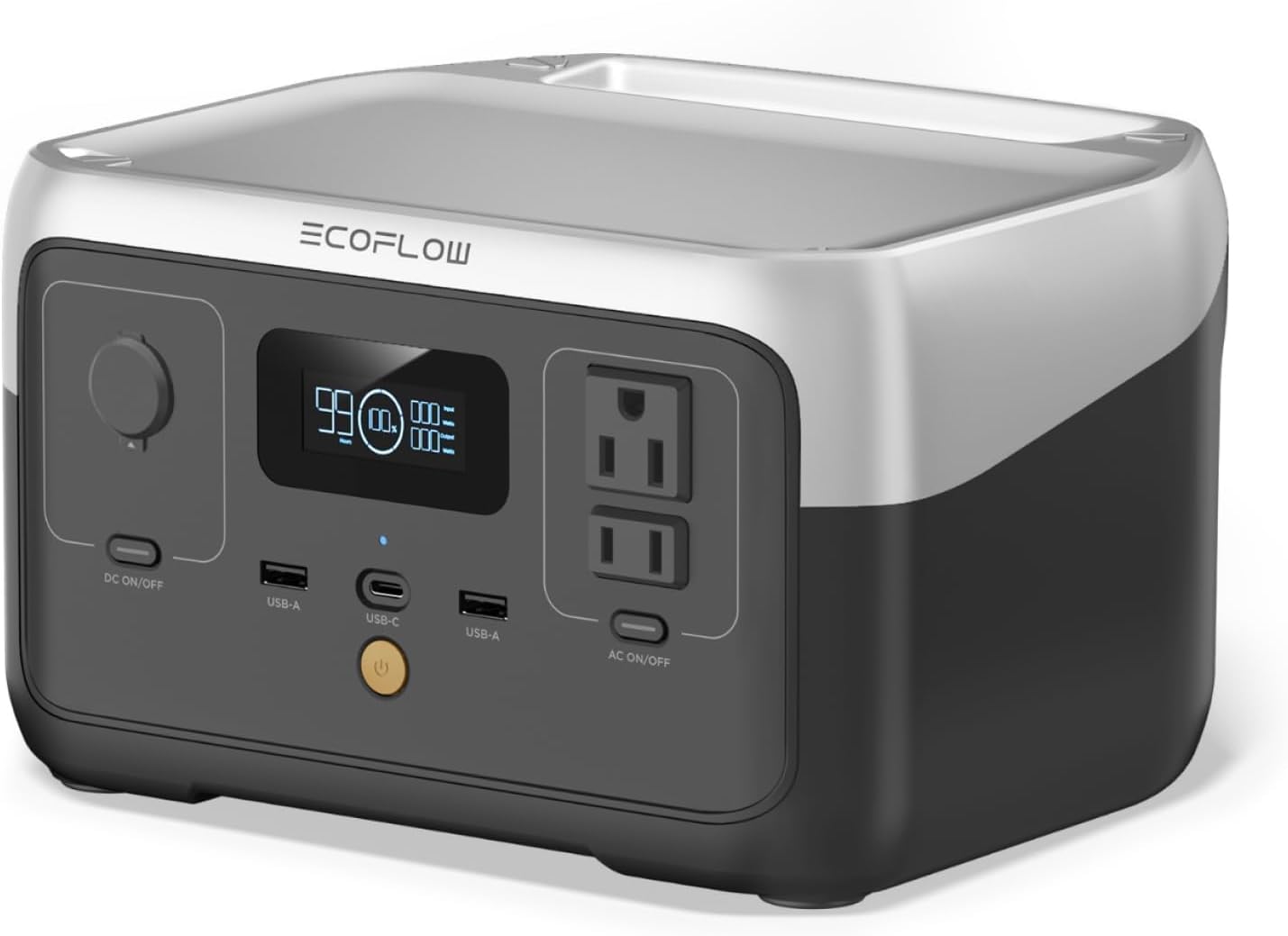
EF ECOFLOW Portable Power Station RIVER 2, 256Wh 300W
256Wh of LiFePO4 and a 300W inverter, which is the honest size for a fridge, a CPAP, and small electronics
300W sustained will not run a hot plate, a hair dryer, or a coffee maker, so plan around it
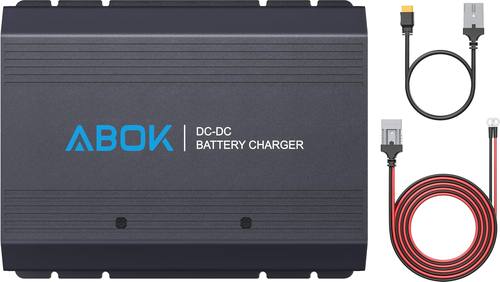
500W Alternator Charger, Fast DC to DC Battery Charger for Portable Power Stations
Pulls charge off the vehicle alternator while you drive, so the station arrives full instead of waiting on a wall outlet
It is a real DC install, not a cigarette lighter gadget, and it is only worth it if you actually drive
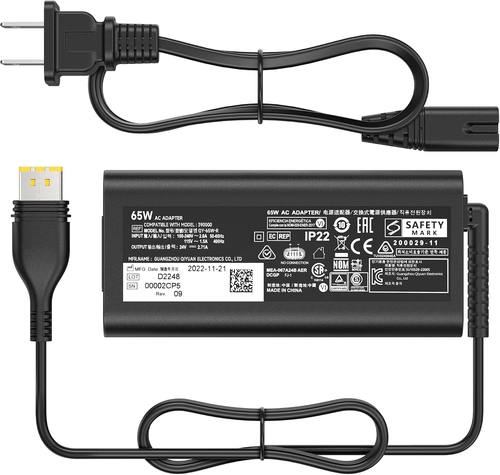
65W Charger Compatible with Resmed AirSense 11 Power Supply, 24V/2.71A AC Adapter
24V at 2.71A matches what the machine wants, and it lets you skip the inverter and its losses
It serves one family of machines, so verify your exact model before you order
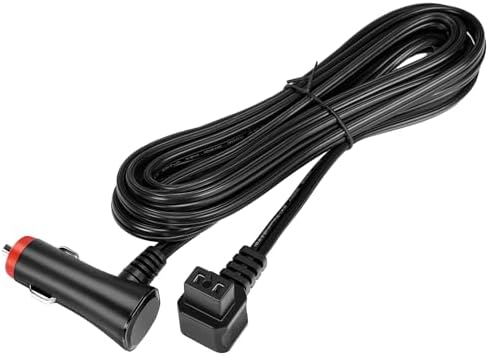
BougeRV 12V/24V DC Power Cord for 12V Car Refrigerator, Fits Most Brands
The cheapest way to run a 12V fridge straight off a station or a house battery, with no inverter in the path
"Fits most brands" is not "fits yours," so the plug shape and polarity are on you to check
Prices and availability were captured from Amazon Creators API and may change.
How I bench this stuff
Every claim on this site is supposed to have a number behind it. On the DC side that means a clamp meter for current, a Kill A Watt on the AC side, a thermal camera on every connector I can reach, and a paper logbook with dates, because memory lies about heat and runtime. My rule is three discharges before an opinion. My other rule is that a unit without a real AC inverter does not get a recommendation, because an inverter is where the honest work happens.
I will be straight with you about scope here. I have not put every one of these four items through a full bench cycle, and I am not going to invent a discharge curve to fill the space. What I can give you is the load math, the install reality, and the failure modes I keep seeing in the field. Where a number is a spec sheet promise, I will call it a promise.
Start with the load, not the accessory
Buying a 2000Wh station to charge a phone is like buying a dump truck to get groceries. The same logic runs in reverse for accessories: a 500W alternator charger bolted to a station you only ever use in the living room is money set on fire.
So write the loads down before you shop. A 12V compressor fridge pulls somewhere in the 0.5A to 1.5A range on average once it is cold, with short spikes when the compressor kicks in. A CPAP without the heated humidifier is a small load, often in the 30W to 60W neighborhood, but turn the humidifier on and it can climb toward 100W or more depending on settings. A laptop charger is 45W to 65W. A phone is a rounding error. Add your lights and your router, then add 15 to 20 percent for inverter losses if any of it runs on AC.
That total, multiplied by the hours you need, is your watt-hour target. Everything else in this article is downstream of that number.
EF ECOFLOW RIVER 2: the station that anchors the setup
The RIVER 2 is a 256Wh unit with a 300W inverter, and the chemistry is LiFePO4. That matters more than the wattage badge. LiFePO4 or nothing is my position, and the extra money buys charge cycles and a decade of use rather than a marketing sticker.
What I like about this size class is that it forces honesty. A 256Wh station with a 300W inverter will run a fridge overnight, keep two phones and a laptop fed, and run a CPAP for a night without humidifier heat. It will not run a hot plate, a hair dryer, or a coffee maker, and no amount of wishful thinking changes that. If you want those, you are shopping a different class of unit and a different budget.
Sizing to the real load is the whole game. If your overnight list is a CPAP, a phone, a light, and a laptop, this is plenty with margin. If your overnight list includes a fridge running for 24 hours plus a laptop plus a fan, this is not the unit, and you should be looking at the 1000Wh class instead.
500W alternator charger: the accessory that changes road trips
This is the piece I get the most questions about, and it is the one that actually changes how a road trip feels. The claim is 6X faster than cigarette chargers, and I believe the direction of that claim even without a bench number, because a cigarette lighter socket is a terrible way to move energy. Those sockets are fused low, the wiring behind them is thin, and voltage sags under load. You are lucky to get a trickle.
A DC to DC charger takes power off the alternator directly and steps it to what the station wants. At 500W, you are talking roughly a 40A class draw at nominal 12V, which means this is a wiring job, not a plug-and-play gadget. Do it right: proper gauge cable, a fuse at the battery end, clean grounds, and no shortcuts through factory harnesses that were never sized for it. If that sentence makes you nervous, pay an installer, because a loose 40A connection is how vehicles catch fire.
For a van conversion, alternator charging is the quiet win. Solar charging is a bonus, not a religion, and most people are better off buying more battery than more panels. Driving four hours down the highway and arriving with a full station is worth more than a panel strapped to a roof rack in a shady campground.
65W CPAP adapter: the boring one that matters at 2 a.m.
CPAP machines are the reason a lot of people buy their first station, and they are also the reason a lot of those people are disappointed on the first outage. Many of these machines run on 24V DC internally and ship with an AC brick that converts wall power down to that. If you feed the brick from a station inverter, you are converting DC to AC and right back to DC, and you are paying for the privilege twice.
This adapter is a 24V, 2.71A supply rated at 65W, built for the AirSense 11 family and the AirMini. It is compatible with the AirSense 11 AutoSet and Elite machines and the AirMini auto CPAP units, and the model numbers in the listing cover the 390010 and R390-7230 power cords. It is not a universal part. Read the listing against your machine before you order, because a wrong voltage on a medical device is not a mistake you want to make at 2 a.m.
The other thing to check is your humidifier setting. Heated humidification is the biggest draw on a CPAP setup by a wide margin, and it can turn a comfortable overnight load into one that drains a small station before sunrise. If you are planning for outages, know your setting and do the math on it.
BougeRV 12V/24V DC cord: cheap, and easy to get wrong
A 12V fridge cord is the least glamorous thing in this article and the one most likely to be wrong in your hand. This BougeRV cord is built for 12V car refrigerators and supports 12V and 24V systems, and the listing says it fits most brands. Most is not all.
Before you buy, check three things. First, the connector on your fridge, because barrel plug sizes vary and a loose fit means intermittent power and a warm fridge. Second, polarity, because reversing it is a bad day for the compressor. Third, the fuse in the plug, because a fridge that spikes on startup will find the weakest link in your chain.
The payoff is real though. Running a fridge on 12V DC skips the inverter entirely, and skipping the inverter means less waste heat and more runtime from the same watt-hours. If you own a car fridge and a station, this cord is the cheapest efficiency upgrade you can make.
The trade-offs I will not pretend away
Accessories add up. An alternator charger plus a couple of cords can cost more than stepping up a station size class, and if your real problem is capacity, buy capacity. Do the watts per dollar math before you buy hardware that only solves a charging speed problem.
DC charging only helps if you drive. A 500W alternator charger is close to useless for someone whose vehicle sits in a driveway for six days a week. In that case a wall outlet and a bigger battery beat a fast charger every time.
Proprietary connectors remain my least favorite thing about this market. Every brand that locks you into its own solar plug or its own cable is charging you rent on hardware you already own.
The app is a feature, not the product. If a station cannot run from its own buttons, it fails my bench, because firmware updates have bricked more units than bad cells ever have.
And be skeptical of runtime claims that arrive with no load math. "Hours of runtime" means nothing until somebody tells you the draw. A claim without a number is marketing, not engineering.
Who should buy what
If you drive a van, truck, or camper and want the station full when you arrive, buy the 500W alternator charger first, then a station sized to your overnight load. For most single-fridge, single-CPAP setups, the RIVER 2 class is the honest answer.
If you have sleep apnea and outages are your concern, the CPAP adapter is the highest value item on this page. Pair it with a station big enough to carry your humidifier setting through eight hours, and test that pairing once before you need it.
If you own a 12V car fridge, the BougeRV cord is a no-brainer, assuming you verify the plug and polarity.
If you are a first-timer with $400 in your pocket, buy the station. Accessories can wait a season. Capacity you did not buy is capacity you cannot add later, and a fast charger cannot fill a tank that is too small.
What I am testing next
The question I keep circling is whether 12V-only charging is worth it for people who never leave the pavement. My read on the pattern: in about 18 months the 2kWh class drops under $400 and integrated MPPT becomes standard rather than a premium feature, which will make standalone charge controllers and a lot of these adapter cables less necessary. The brands shipping buggy apps this year will lose the mid-market by next spring, because people remember the unit that froze during an update.
And keep an eye on the used market after hurricane season. Flooded units showing up cheap is the real durability test for this whole category, and it tells you more about build quality than any spec sheet ever will.