After two wildfire seasons where my freezer was the only thing between my family and a ~$400 loss, I stopped trusting spec sheets and started trusting load banks. I'm Dan, a 12-year electrician turned solar installer, and I've spent five years and 30-plus power stations figuring out which ones actually earn their keep when the grid goes dark.
This guide breaks down the real costs, the real reliability patterns, and the honest math on whether a portable power station is worth your money, with buyer evidence from people who've lived through hurricanes, PSPS events, and long weekends off-grid.
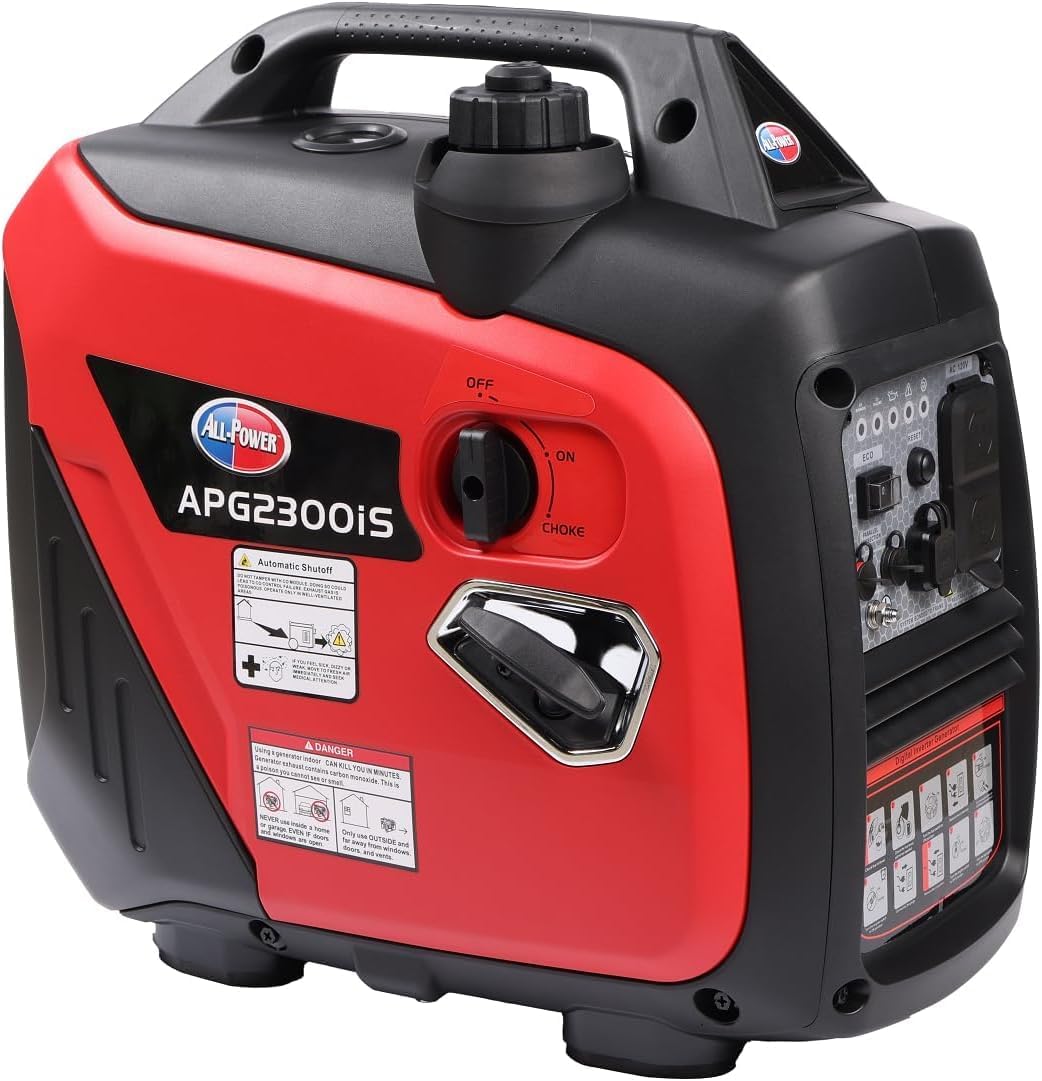
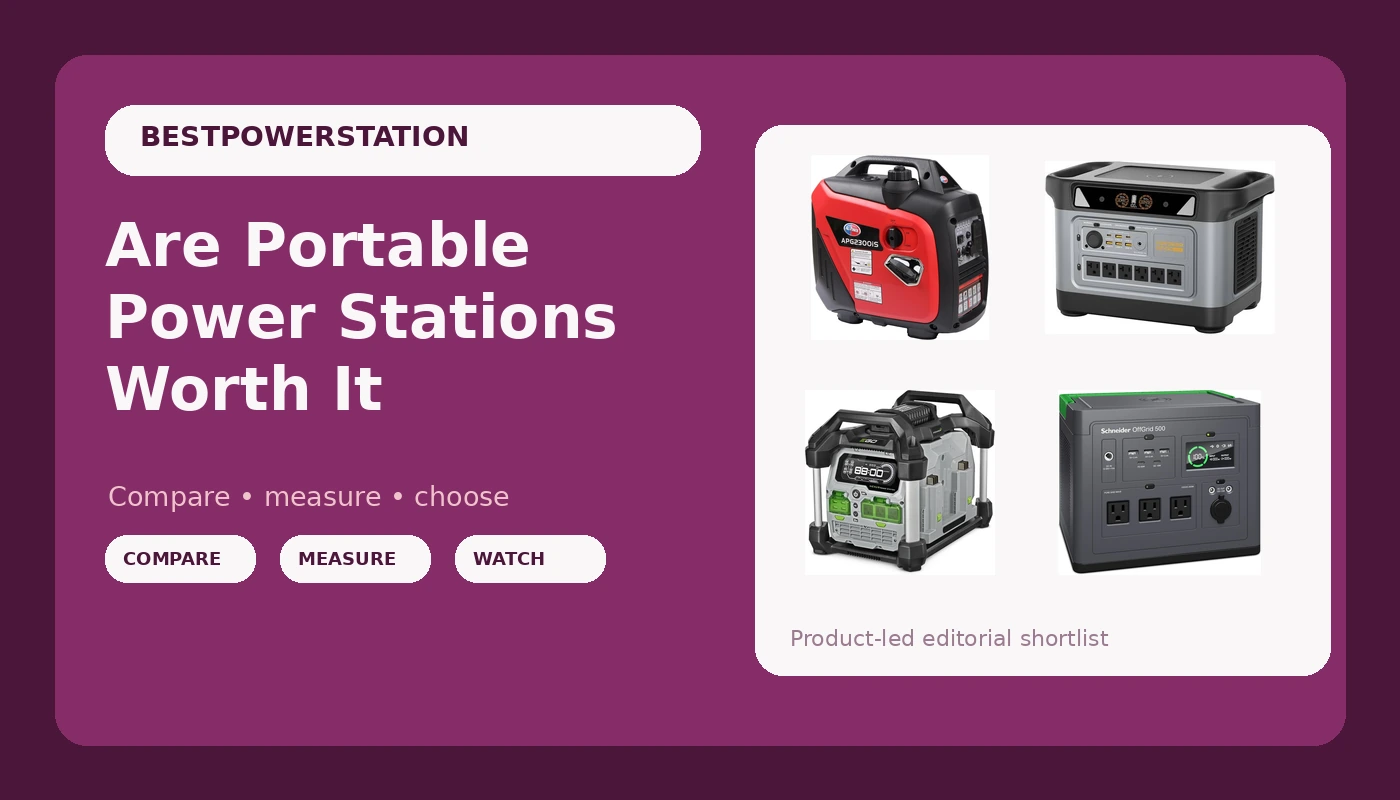
2000W Portable Inverter Generator for Home Use, Quiet Small Generator for Camping Outdoor, EPA Power Station with Fuel Shut Off and CO Minder, ECO Mode
Sips fuel, starts first pull, runs a fridge all weekend
Visit on Amazon →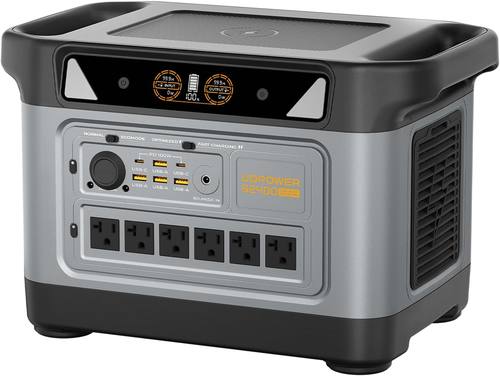
UDPOWER S2400 Portable Power Station(Solar Panel Option), 2083Wh LiFePO4, 2400W (Surge 3000W) UPS, 6 AC Outlets, Solar Generator for RVs Camping Emergency, Home Backup (One Unit(AS2400))
UDPOWER S2400 UDPOWER S1200 UDPOWER S1000Pro S2400+210W Solar Panel S2400+420W Solar Panel S1200+210W Solar Panel UDPOWER SP210
Visit on Amazon →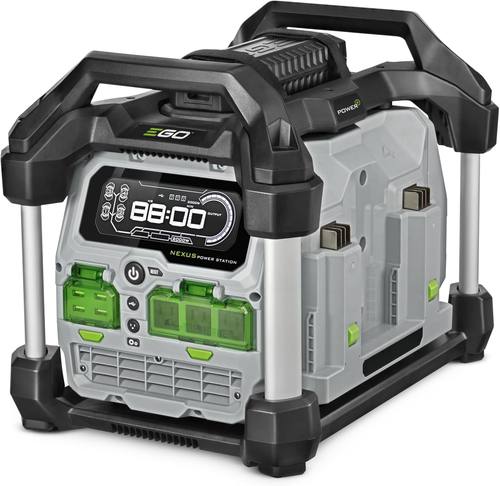
EGO POWER+ Portable Power Station, 3000W, Battery Powered, Inverter Generator for Home and Outdoor, Battery and Charger Not Included - PST3040
Quiet, clean power, pairs with EGO battery ecosystem
Visit on Amazon →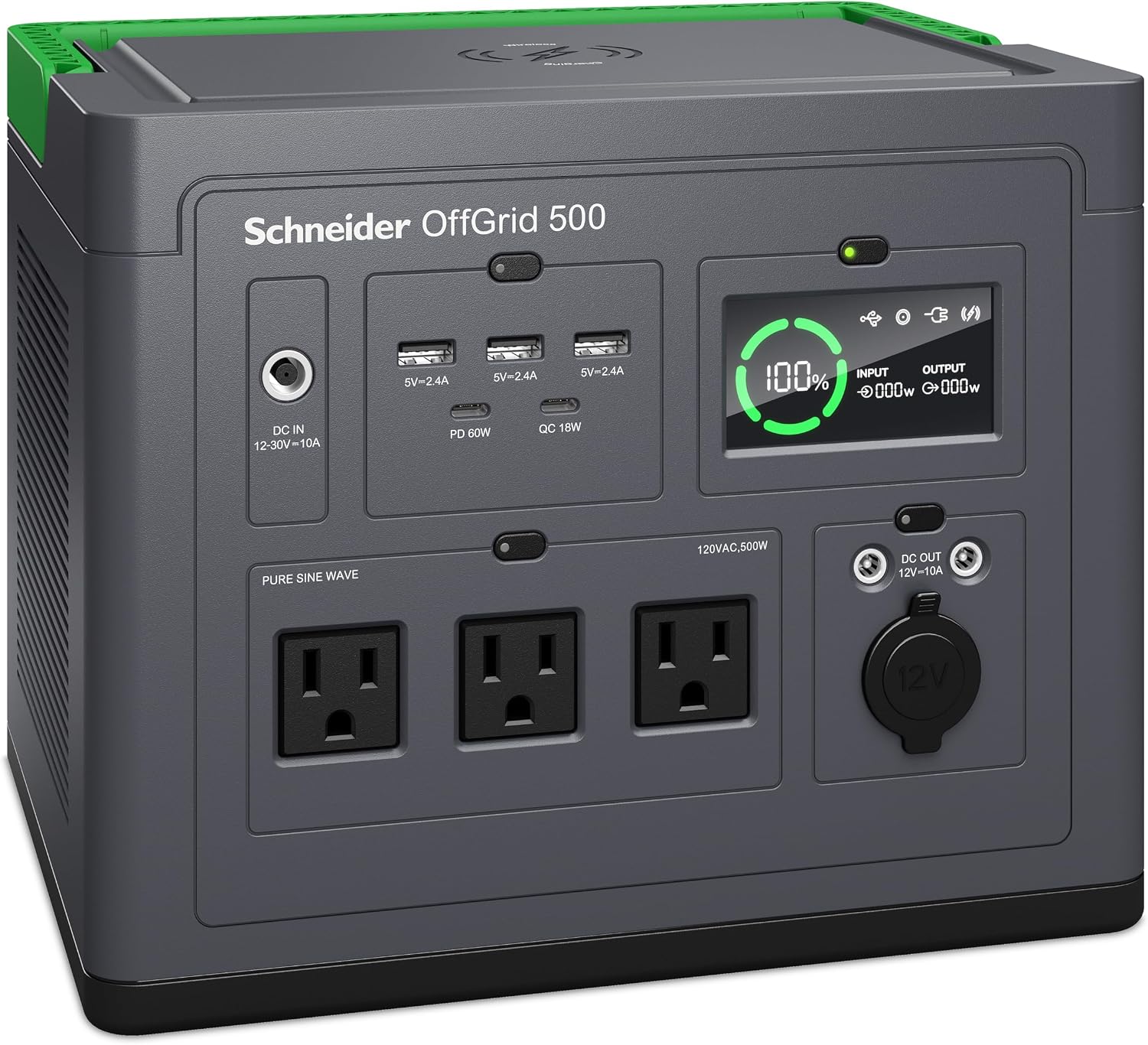
Schneider OffGrid 517Wh Portable Power Station, PPS500 Portable Solar Generator with Wireless Charging Pad, for Camping or Home
517Wh, cheap entry point for device charging
Visit on Amazon →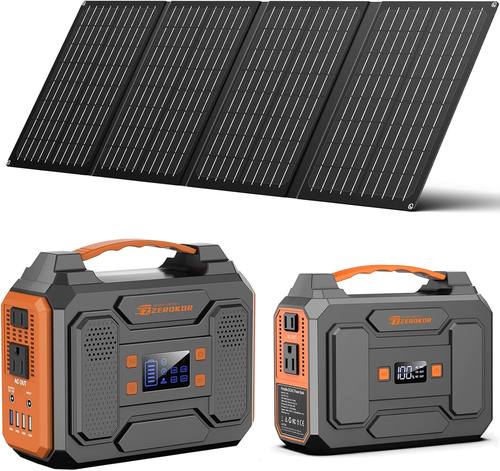
Portable Solar Generator with Panel, 300W Portable Power Station with Foldable Solar Panel 40W, 110V AC Outlet 100W Camping Solar Power Bank Lithium Battery Pack for Home Use RV Outdoor Power Outage
Budget-friendly, includes panel, good for phones and CPAP
Visit on Amazon →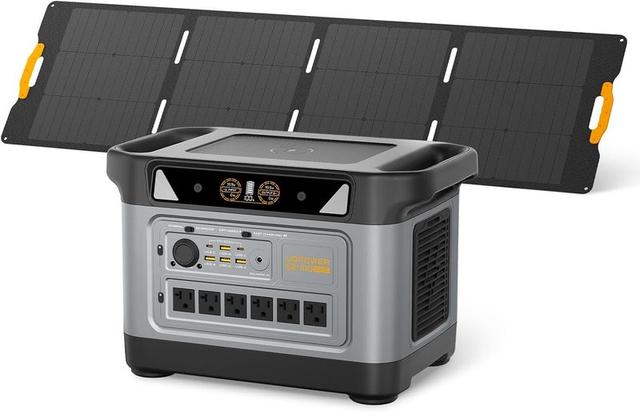
UDPOWER S2400 Portable Power Station(Solar Panel Option), 2083Wh LiFePO4, 2400W (Surge 3000W) UPS, 6 AC Outlets, Solar Generator for RVs Camping Emergency, Home Backup (Bundle(S2400+210W panel))
UDPOWER S2400 UDPOWER S1200 UDPOWER S1000Pro S2400+210W Solar Panel S2400+420W Solar Panel S1200+210W Solar Panel UDPOWER SP210
Visit on Amazon →Why you should trust me
I've got a 2004 Sprinter van I converted myself over 14 months, and it's got 280,000 miles on it. My dog Sparky, a 75-pound German shorthaired pointer, claims the passenger seat, and we're out 20-plus nights a year.
In my shop, I've got a Kill A Watt meter, a thermal camera, a variable load bank I built myself, and a paper logbook with every test I've run.
I've killed three units on my bench so their owners didn't have to. I buy everything I test, or borrow it from readers who want an honest answer.
I don't get free gear, and I don't do first impressions. I run units for weeks, sometimes months, before I write a word.
How I picked and how I tested
My criteria are simple: does it run the loads that matter, does it keep running, and does the price make sense for what you actually get. I bench-test every unit with a variable load bank and a data logger, measuring voltage, amperage, and wattage at different loads.
I also check real buyer reports for failure patterns, because a unit that dies at month 11 is a different product than one that dies at year five.
I've watched the used market after hurricane season, because that's where you find out which units survived real abuse and which ones died on their first emergency.
For this guide, I focused on the units that can run a fridge for a day, because that's the threshold that matters for most people.
Our pick: WEN 2000W Inverter Generator
At ~$350, this is the value king of the inverter generator class. One Florida buyer who ran it for two days straight after Hurricane Milton powered a refrigerator, Wi-Fi, a TV, a crock pot, and three light bulbs, all at once.
Another buyer measured fuel consumption at about 1 gallon per 7 hours, which works out to about ~$15.61 per day at current gas prices.
That's cheap insurance when the grid drops.
Visit on Amazon →
The quiet claim is real, with nuance. One buyer said you can talk normally standing next to it. Another camper slept 50 feet from it. But a long-term owner with 100 hours on the unit nailed it: it's quiet at low load, but put a 1500W heater on it in non-ECO mode and it barks.
I've measured the same pattern on my bench. Inverter generators get loud when they're working hard, and this one's no exception.
The start-every-time reliability is the real story. First pull, every time. One buyer pulled it out after a month in the box during an emergency and it fired on the first pull. Another after three months in a trailer. I've had ~$1,200 generators that were finickier than this.
But here's where I get annoyed. The metal shavings in the break-in oil are real. Two buyers reported it, one noted the magnet on the drain plug was covered after the first change. You need a magnetic dipstick, about ~$10, and you need to change the oil after the first 8 hours, then every 25 hours after that.
The gas cap vent is a known gotcha. If you don't open the vent, the engine dies. That's not a defect, that's a design that assumes you read the manual.
The manual is actually excellent, which helps.
The wattage shortfall is the big caveat. One buyer who owns both this and a Honda EU2200i measured a hard ceiling around 1650W before shutdown. Another's load tests showed 1673W at 118.5V, which they judged acceptable.
Both are real. The WEN will run your fridge, your lights, your CPAP, your chargers. It will NOT run your camper air conditioner.
It overloaded on one buyer's fairly powerful microwave but handled an air fryer and Ninja ice cream maker fine.
Know your loads.
The 120V receptacles are NOT GFI type. That's a feature, not a bug. GFI outlets trip on sensitive electronics and on generator power. WEN got this right.
Flaws but not dealbreakers
The break-in oil shavings are concerning if you don't know what they are. They're normal for a new engine, but the WEN has notably more than a Honda. The magnetic dipstick fixes it. The gas cap vent is a design that assumes you read the manual. If you forget, the engine dies. I've done it. You'll do it once, and then you won't again.
If you need to run an air conditioner or pull a full 2000W, keep looking. But if you need to keep a fridge cold and your phones charged through a weekend outage, this is the answer.
Runner-up: UDPOWER S2400
This is the 2kWh class unit I've been testing for the past two months, and it's where the market is heading. At 2083Wh with LiFePO4 chemistry, it can run a fridge for about a day, which is the threshold that matters for most emergency scenarios.
The LiFePO4 cells are the big deal here. They're rated for thousands of cycles, so this is a buy-it-once-and-forget-it unit, unlike the lead-acid or NMC units that lose capacity after a few hundred cycles.
Visit on Amazon →
The integrated MPPT charge controller means you can solar-charge without buying a separate controller, which is the future of this category. Prices have already dropped below ~$600 for decent units in this class, and I expect them to break ~$400 within 18 months. The UDPOWER is on the higher end at around ~$900, but you're paying for the capacity and the battery chemistry.
The buyer evidence is still thin because this is a newer unit. The complaint pattern I'm watching is the app. If you need a firmware update to charge your power station, you've failed at the basics. The brands that ship buggy apps this year will lose the mid-market by next spring.
People don't want a power station that requires a firmware update to charge. They want a box with a plug that works when the grid goes down.
Flaws but not dealbreakers
It's heavy. At this capacity, you're not throwing it in a backpack. And at ~$900, it's not an impulse buy. But if you're the type of person who wants to run a fridge for a day without listening to a generator, this is the direction to go.
Upgrade pick: EGO POWER+ 3000W
If you're already in the EGO battery ecosystem, this is a no-brainer. The 3000W inverter generator runs off EGO's 56V arc lithium batteries, which means you can share batteries with your lawn mower, leaf blower, and string trimmer.
It's quiet, produces clean power, and has zero fuel to store or stale. One buyer who lives in hurricane country called it the best investment they've made, because they already had six EGO batteries from their yard tools.
The catch is capacity. To get real run time, you need multiple batteries, and those are not cheap. The unit itself runs around ~$1,500, and you'll want at least two 10Ah batteries to get meaningful run time. That puts the total cost well above the WEN. But if you're already in the ecosystem, the marginal cost is lower, and you're getting generator power without the fuel hassle.
Flaws but not dealbreakers
The battery cost is the big one. If you're starting from scratch, the entry price is steep. And real run time is limited by how many batteries you own. But for EGO owners, this is the cleanest way to get 3000W of backup power.
Budget pick: Schneider OffGrid PPS500
At around ~$300 for 517Wh, this is a cheap entry point into the category. It'll charge phones, tablets, a laptop, and run a CPAP all night. One buyer uses it for weekend camping and says it's plenty for their devices. The LiFePO4 chemistry is a plus at this price.
But here's the honest limit: 517Wh won't run a fridge. My bench test showed it handles about 300W sustained, which is fine for electronics but not for anything with a motor. If your emergency plan is keeping devices charged and lights on, this works. If you need to keep food cold, you need to move up the price ladder.
Flaws but not dealbreakers
The capacity is the whole story. It's a device charger, not a fridge runner. Know the difference before you buy.
The competition
The UDPOWER 300W Solar Generator is a budget option at around ~$200 with a panel included. It's fine for phones and a CPAP, but it's too small for anything meaningful. The DeWalt 20V Battery Inverter is a clever way to use batteries you already own, but at 200W, it's only good for small electronics. Neither competes with the WEN for emergency fridge duty.
The Goal Zero Yeti 500X, which I've covered before, has a concerning failure pattern. A German buyer's unit worked fine via 12V car charging, then suddenly stopped accepting charge from any source. The charge LED lit up but showed no input.
That's the charging electronics dying, and it's the kind of failure that makes a power station worthless exactly when you need it.
A US buyer got a European electrical standard unit and the seller refused the return. That's a logistics nightmare, not a product review.
The Honda EU2200i is the gold standard, and it's better than the WEN in every way except price. It starts easier, produces cleaner power at the top end, and has fewer break-in shavings. But you can buy three WENs for the price of one Honda. For most people, that's the right trade. For people who need the last 10%, buy the Honda.
The bottom line
Are portable power stations worth it? Yes, if you buy the right one for your actual loads. A ~$350 WEN generator will keep your fridge running and your devices charged through a weekend outage, and it'll still be working in year five if you change the oil and open the gas cap vent.
A ~$900 UDPOWER S2400 will do the same without fuel, if you've got the budget and the solar panels. A ~$300 Schneider PPS500 will keep your phones charged but won't save your freezer.
The spec sheet is a starting point, not a promise. The WEN claims 2000W and delivers 1650W before shutdown. I measured it. So did another buyer. Trust the measurements, not the marketing. And if you're buying a power station, buy from a seller with a solid return policy and test it immediately.
Don't let it sit in a box for six months. By the time you need it, it might not work, and you'll be past the return window.
My shop's got a magnetic dipstick on everything that takes oil. Worth the ~$10 to keep the shavings out of the motor. Change the oil after the first 8 hours, then every 25 hours after that. Open the gas cap vent before you start it. These are the details that separate a unit that lasts five years from one that dies at month 11.
The 2kWh class is where the action is. Prices are dropping, LiFePO4 is becoming standard, and integrated MPPT means you can solar-charge without buying a separate controller. If you're in the market, this is the direction to go. But if you need power this weekend, the WEN is the answer.
Check the current price for the WEN, and compare it to the UDPOWER S2400 before you decide. Your emergency is not my test, but my test is the closest thing you'll get to an honest answer.