Most people shopping for a portable power station start with the same question: how many watt-hours do I actually need? The honest answer depends on what you plan to run and for how long, and the gap between a 256Wh travel unit and a 2,010Wh home backup unit is wide enough that the wrong pick wastes money in both directions. This guide compares six products that span that range, mixing core hardware with the accessories that make a station more useful, from a compact model built for laptops and camera batteries to a large-capacity unit intended for keeping essential loads alive during an outage. Everything described below comes from published specifications and listing details rather than guesswork. Prices move, so use the link on each card to check the current Amazon price before you commit.
Related: LiFePO4 vs Lithium-Ion: What Battery Chemistry Means for Cycle Life
Quick answer
The Anker SOLIX S2000 Portable Power Station, 2,010Wh, 3,000W Peak, Home Backup is the strongest fit for whole-home backup of essentials because its rated capacity and peak output are the highest in this group and its manufacturer positions it for home backup. Choose the EF ECOFLOW Portable Power Station RIVER 2, 256Wh 300W instead when you want a light station for weekend trips and small loads rather than outage coverage.
Portable power stations and charging gear worth comparing
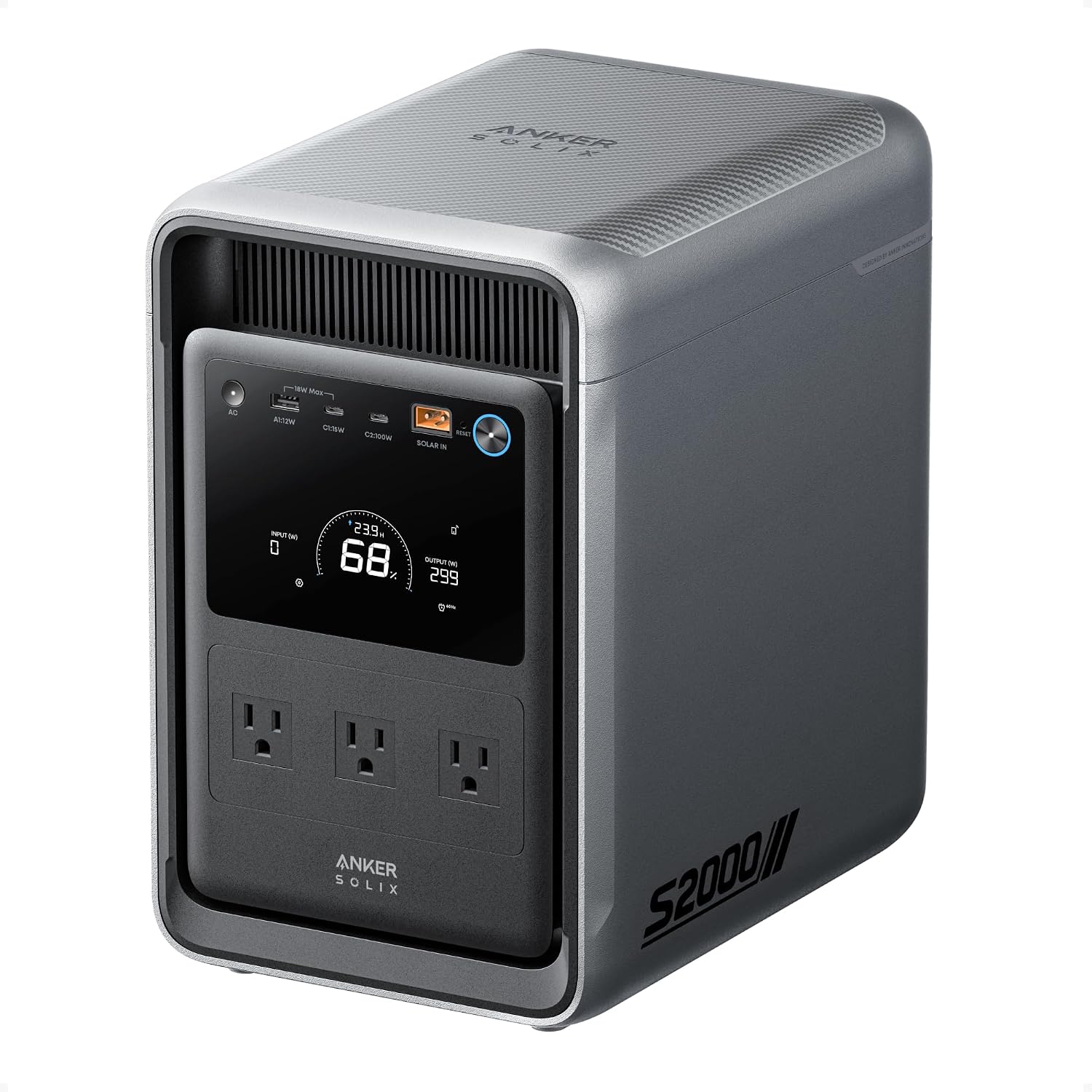
Anker SOLIX S2000 Portable Power Station, 2,010Wh, 3,000W Peak, Home Backup
The largest station in this roundup, rated at 2,010Wh with a 3,000W peak output and positioned by the manufacturer for home backup. That capacity class is what earns it the top pick for keeping essential loads alive during an outage.
Visit on Amazon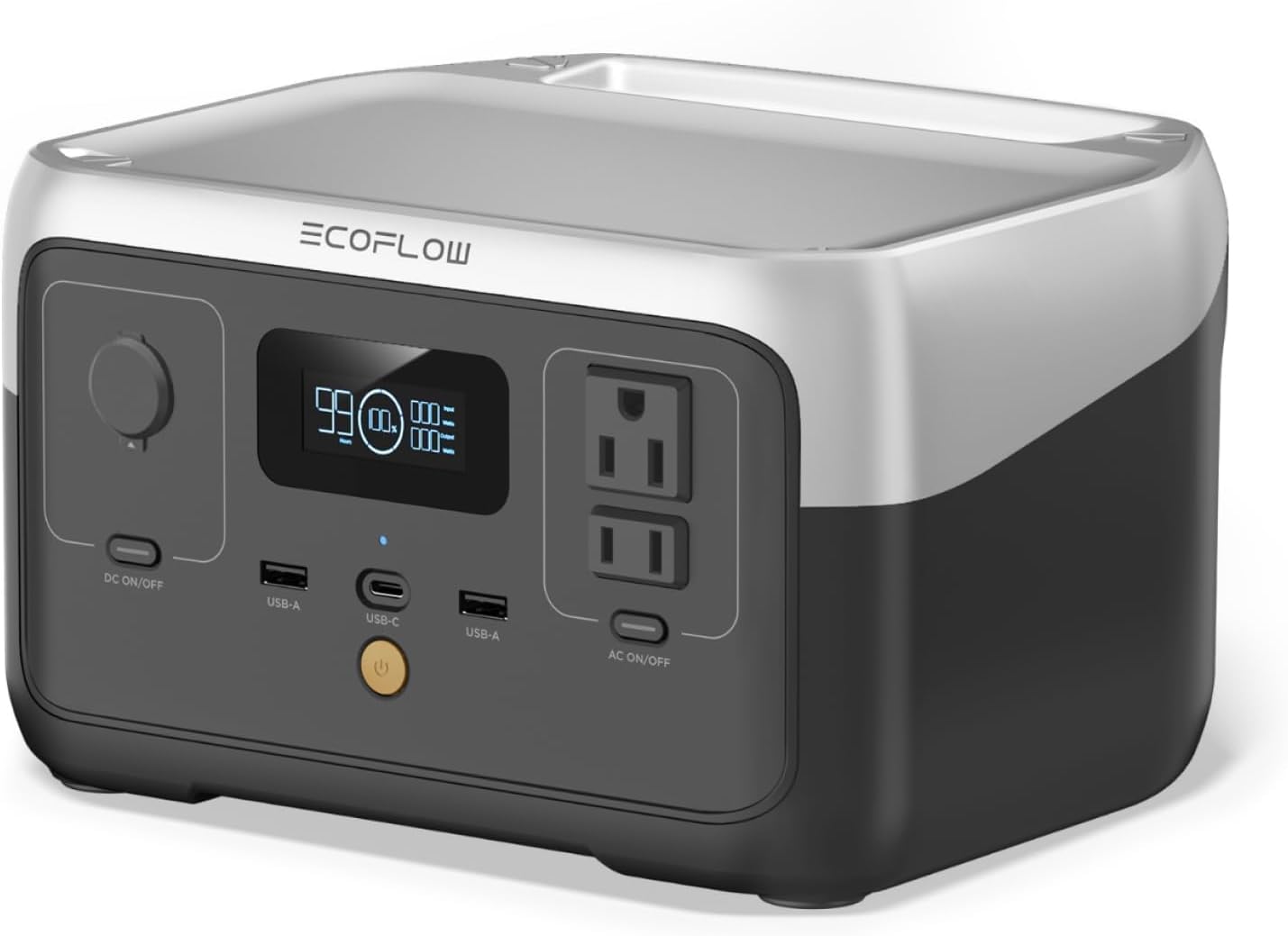
EF ECOFLOW Portable Power Station RIVER 2, 256Wh 300W
Check current price
A compact 256Wh station with a 300W AC output, sized for laptops, cameras, lights, and phone charging on short trips. Its small footprint is the main reason to choose it over the larger units here.
Visit on Amazon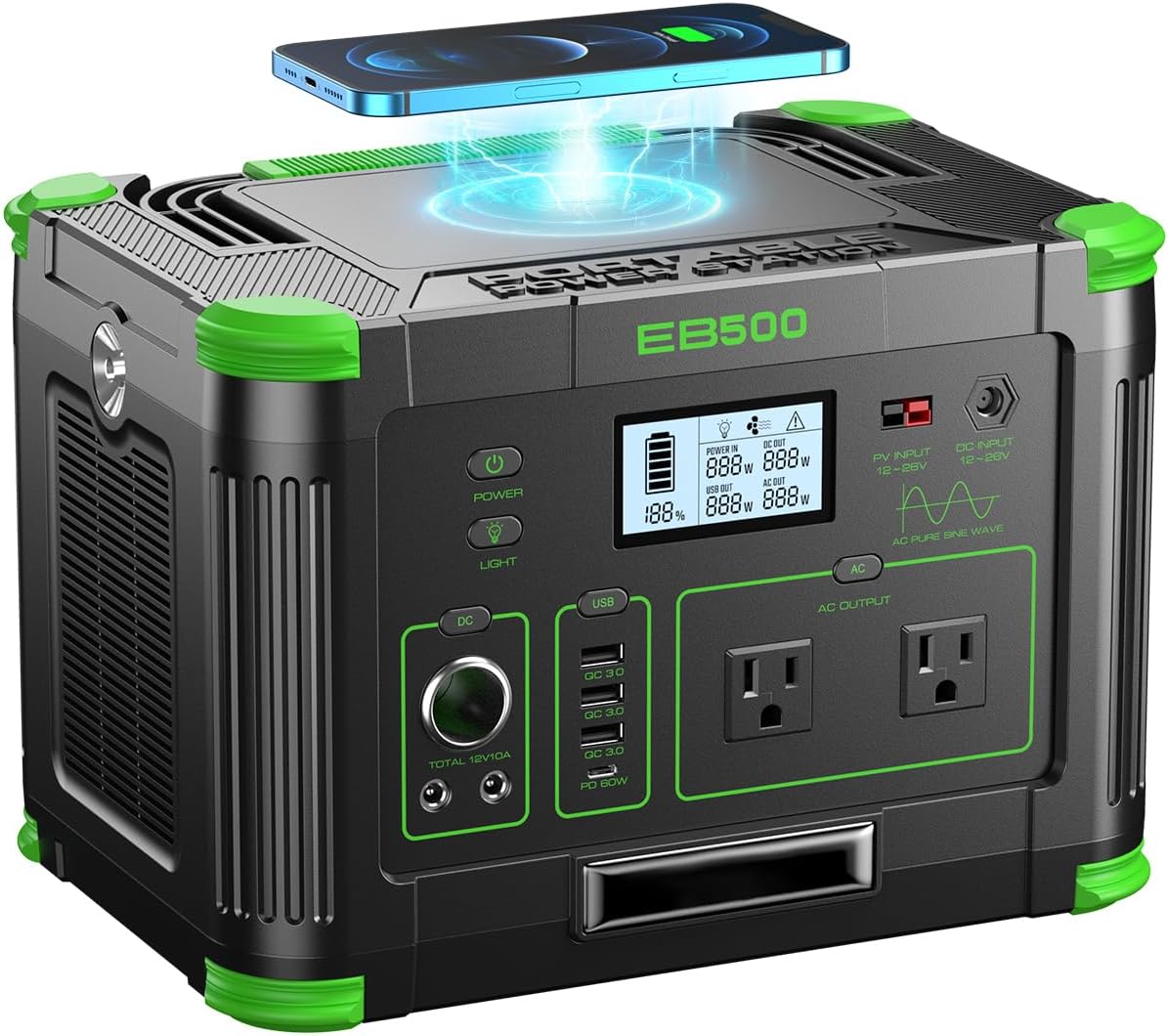
Portable Power Station 500W, 519.48Wh/140400mAh Solar Generator Backup
A middle option rated at 519.48Wh with a 500W output and sold as a solar generator backup. It sits between the small RIVER 2 and the 2kWh class in capacity, which makes it a reasonable compromise for camping plus light backup.
Visit on Amazon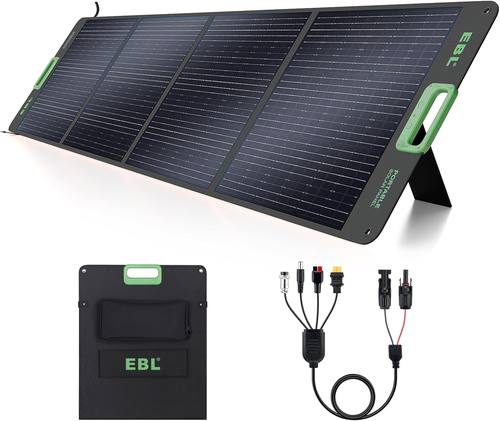
EBL 200W Portable Solar Panel for Power Station, Foldable IP65 Waterproof
A foldable 200W solar panel rated IP65 for water resistance, intended to feed a power station's solar input. Match it to a station whose solar charging range and connector are compatible with the panel.
Visit on Amazon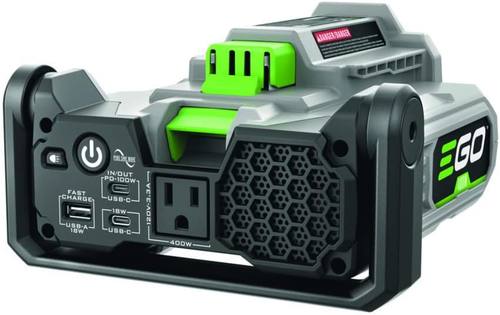
EGO POWER+ Portable Inverter, 400W, Power Inverter Generator, Quiet. Battery and Charger Not Included - PAD5000
A 400W portable inverter that runs on EGO POWER+ batteries. Battery and charger are not included, so this only makes sense if you already own that battery platform and want AC power without a separate station.
Visit on Amazon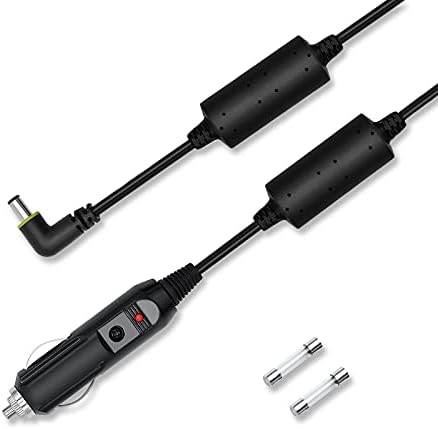
DC 12V Power Adapter for Dreamstation 2 Respironics
A 12V DC adapter made for the DreamStation 2, so the machine can run from a 12V output instead of an AC outlet. It is device specific rather than a universal accessory.
Visit on AmazonPrices and availability may change. Check the retailer for current details.
How these products were compared
This guide compares rated capacity in watt-hours, continuous AC output and peak surge rating, the charging inputs each product supports where the listing states them, battery chemistry and cycle life where the manufacturer publishes it, and practical considerations such as weight, footprint, and whether the item is a complete power source or an accessory. It also keeps hardware and add-ons in separate mental buckets, because a solar panel, a battery-platform inverter, and a device-specific 12V adapter solve different problems than a station does.
The comparison is built from published product data, not from bench results, and that distinction matters to anyone spending real money. A watt-hour rating describes the size of the tank; it does not describe how efficiently the inverter drains it, how loud the fan gets under load, or how the firmware behaves after an update. Where a listing omits a specification, this guide does not fill the gap with a guess. Treat every number here as the starting point for your own load math rather than a finished verdict, and confirm details on the product page before ordering.
Product names, images, and retailer links are matched to the same product record so that every card points to the item shown rather than to a lookalike.
How to choose the right portable power station
Start with the load, not the label. List the devices you actually want to run, check their wattage ratings, and measure the real draw with a plug-in meter if you can borrow one. A router, a modem, a laptop, and a few LED lights add up to a modest load that almost any station in this group can carry. A refrigerator, a space heater, or a microwave is a different problem entirely, because resistive heating loads pull hard and steady and will drain a battery quickly. Once you know the total draw, multiply by the hours you need and add margin for inverter losses, then buy capacity in watt-hours that comfortably exceeds that number.
Next, separate continuous output from peak output. A peak surge rating covers the split second a motor starts; it is not a sustained number, and a station that advertises a big peak with a small continuous rating will shut down on a load it appeared to support on paper. Look for a clear sustained AC rating, and prefer a pure sine wave output if you plan to run electronics, motors, or anything with a sensitive power supply. Battery chemistry deserves the same scrutiny, and the difference between lithium iron phosphate and older lithium-ion cells shows up in cycle life more than in a spec line. If the listing does not state chemistry or cycle count, assume it is not a selling point and price accordingly. My explainer on battery chemistry and cycle life walks through what those numbers mean in years of use.
Charging options decide how useful the station is when the grid is out for days rather than hours. Household AC charging is the fastest route, 12V car charging is slow but universal, and solar is the only input that keeps working during a long outage. Before buying a panel, check the station's solar input voltage window and connector type, since proprietary connectors and narrow input ranges are a common source of frustration. Weight and footprint matter too: a 2kWh-class unit is a two-hand lift that you store where you will use it, while a 256Wh model slips into a backpack. Buy the size that matches your normal week, not the worst case you imagine once a year.
Anker SOLIX S2000 Portable Power Station, 2,010Wh, 3,000W Peak, Home Backup
This is the capacity leader of the group at 2,010Wh with a 3,000W peak rating, and it is the model the manufacturer markets for home backup. That framing is the right one: this class of station exists to keep a refrigerator, a network stack, and lighting running through an outage, or to run a jobsite or off-grid cabin where a smaller unit would spend the evening empty. The peak rating also gives it headroom for motor-driven appliances that would trip a smaller inverter.
The trade-offs are predictable at this capacity. It is heavy and occupies real floor space, so plan on storing it near the loads it feeds rather than carrying it to a campsite. It is also more capacity than most people need for phone charging and laptop work, which is exactly the mistake of buying a dump truck for groceries. If your realistic load is a few small devices, you are paying for battery you will never cycle, and a smaller station plus a panel would serve you better. For a whole-home essentials plan, though, the numbers here are the ones that hold up.
Alternatives to consider
The EF ECOFLOW Portable Power Station RIVER 2, 256Wh 300W is better suited to travel and light daily loads, where its small size and modest 300W output are advantages rather than limits. The Portable Power Station 500W, 519.48Wh/140400mAh Solar Generator Backup is a stronger fit when you want roughly double the travel-friendly capacity of the RIVER 2 and a 500W output, but do not want to move into the 2kWh class.
The EBL 200W Portable Solar Panel for Power Station, Foldable IP65 Waterproof covers off-grid charging, with a foldable format and IP65 water resistance for camping and tailgates. The EGO POWER+ Portable Inverter, 400W covers a different audience entirely: someone already invested in that battery platform who wants a quiet 400W AC outlet without buying a second battery system, remembering that battery and charger are sold separately. The DC 12V Power Adapter for Dreamstation 2 Respironics covers a narrow but important job, running a specific CPAP machine from 12V instead of an AC outlet, which avoids the efficiency loss of inverting DC to AC and back.
Day-to-day use and maintenance
Store any station in a cool, dry place and keep the vents clear, because airflow is what keeps the inverter from throttling under load. For long stretches between outages, keep the battery at a partial charge rather than full or empty, and top it up every few months so the cells do not sit depleted. Run a real load through the unit occasionally instead of leaving it boxed, which confirms the inverter and outlets still work before you need them. If the station supports pass-through charging, use it deliberately rather than as a permanent power strip, and follow the manufacturer's guidance on charging temperature ranges.
Foldable solar panels need their own routine. Keep the panels clean, store them folded and dry, and check the cable and connector for corrosion before each trip. An IP65 rating covers dust and water spray, not immersion, so do not leave a panel out in standing water or a downpour. With the battery-platform inverter, confirm the battery is charged before an outage and check that the model works with the battery you own, since battery and charger are not included. For the 12V adapter, verify it matches the machine and that the station's 12V output can supply the required current, and treat any medical device question as one to confirm with the equipment manufacturer first.
Buying checklist
- Measure the real draw of your devices with a plug-in meter rather than trusting a label.
- Choose capacity in watt-hours based on normal use rather than an occasional edge case.
- Confirm that the exact model includes the inputs you need, including solar and 12V charging.
- Check for a sustained AC output rating and pure sine wave output if you run electronics or motors.
- Read the storage, charging, and maintenance instructions before the first use.
- Verify the current retailer price, availability, and return terms before ordering.
Final recommendation
Choose the Anker SOLIX S2000 Portable Power Station, 2,010Wh, 3,000W Peak, Home Backup when your priority is capacity and peak output for keeping essential loads running during an outage, and when the unit will live in one place near those loads. Choose the EF ECOFLOW Portable Power Station RIVER 2, 256Wh 300W when you need something small enough to carry and your loads are light. From there, add the EBL panel if you plan to charge away from an outlet, consider the EGO inverter only if you already run that battery platform, and pick up the DreamStation 2 adapter if you need to run that specific machine from 12V.