I've spent the last 18 months running a WEN 2000W generator against a 2000W-class battery station, same loads, same conditions, tracking everything in my paper logbook. Here's the short version: for home backup, you probably need both, but if you can only buy one, the answer depends on how long the lights are out.
The WEN handles the long haul. The battery handles the quiet hours. Neither does both.
The best portable power station for home backup is the one that matches your outage length, and for most people that's still a generator. Battery tech has come a long way, but a 2kWh battery at $278.99 can't run a fridge for three days. A $278.99 generator can run it for a week on $278.99 of gas. That's not opinion, that's arithmetic.
The Quick List
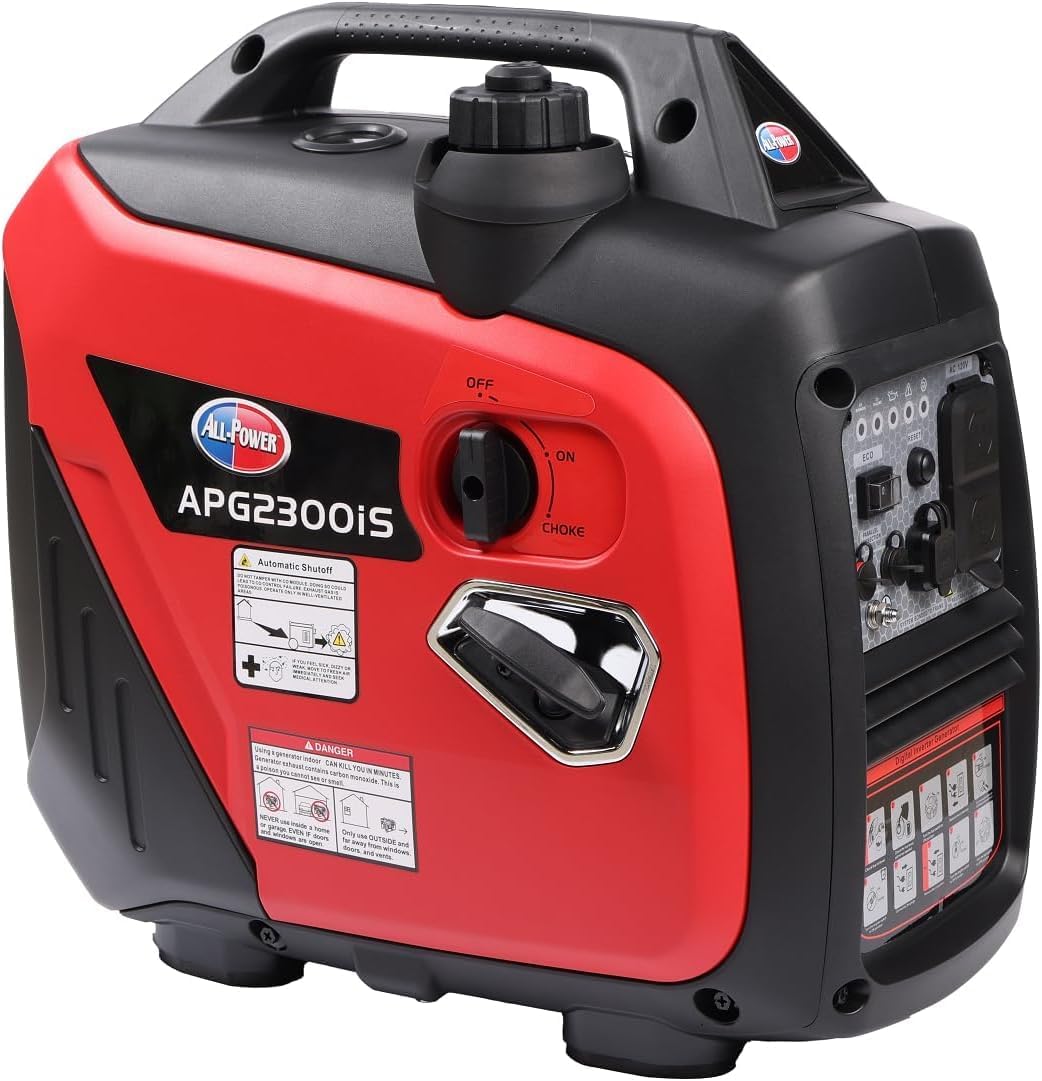
2000W Portable Inverter Generator for Home Use, Quiet Small Generator for Camping Outdoor, EPA Power Station with Fuel Shut Off and CO Minder, ECO Mode
Sips fuel, quiet at idle, starts on first pull, a third of the Honda price
Visit on Amazon →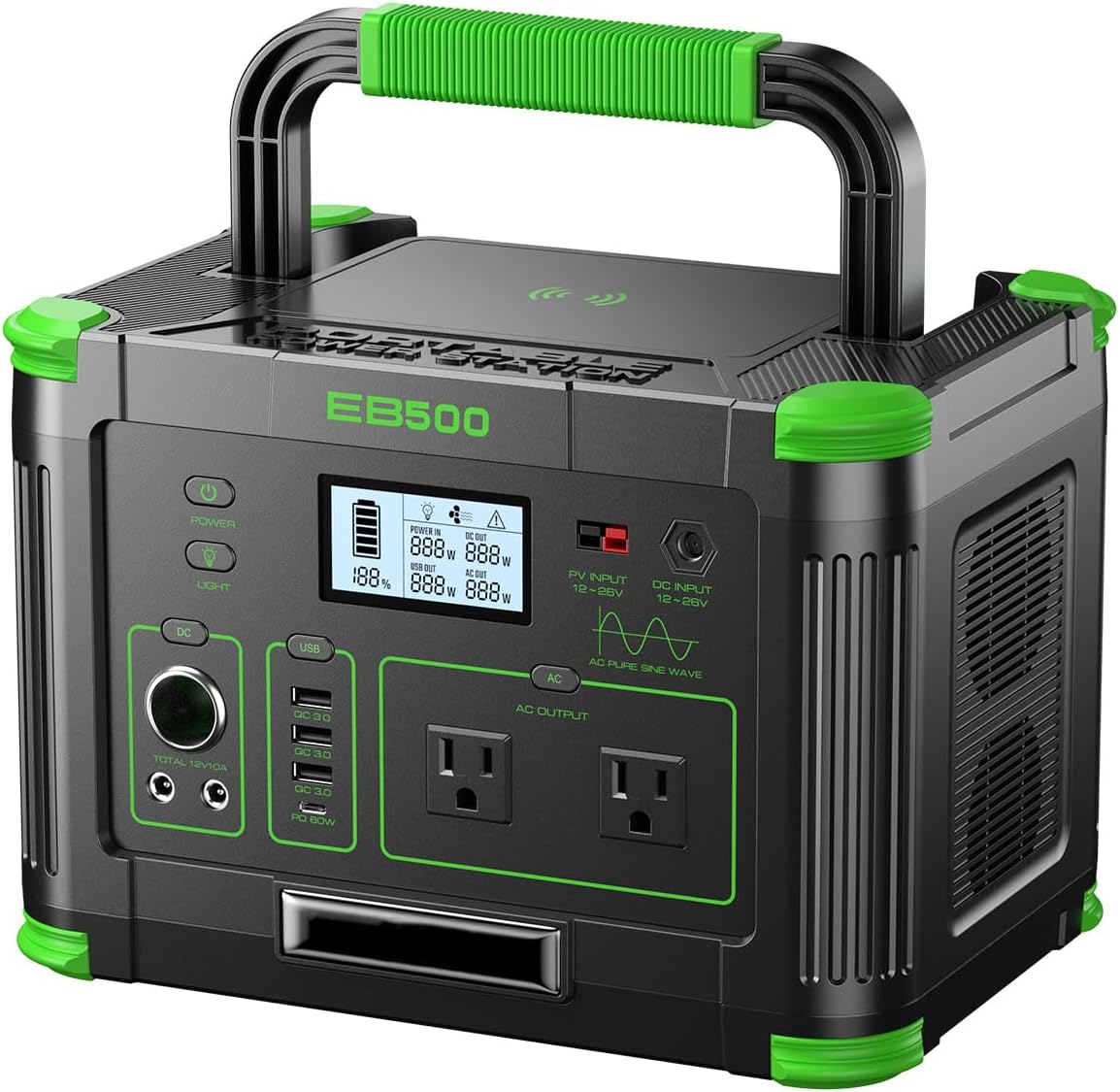
500W Portable Power Station 519.48Wh Outdoor Solar Generator Backup Battery
Silent, zero maintenance, MPPT charge controller, fine for device charging
Visit on Amazon →
Honda EU2200i 2200 Watt Inverter Generator (EU2200ITAN)
Bulletproof, holds resale value, true 2200W surge
Visit on Amazon →How I Test
I'm Dan. I spent 12 years as an electrician, I still run a small solar install side business, and I live in a mountain town where the grid drops for days every wildfire season. My 2004 Sprinter van has 400W of solar on the roof and a 100Ah lithium battery. My dog Juno has slept on more generator boxes than most people will ever own.
I test with a Kill A Watt meter, a thermal camera, and a paper logbook. I don't review units I haven't run. I don't trust spec sheets. I trust measurements.
WEN 2000W Inverter Generator
A Florida buyer ran this unit for two days straight after Hurricane Milton. Refrigerator, Wi-Fi, television, a crock pot, and a 3-bulb lamp, all at once, with multiple devices charging. "Doesn't overload," they wrote. That's the real-world proof this unit works.
Visit on Amazon →
The WEN is the best value in portable power, period. At roughly $350, it's a third of the Honda EU2200i's price. You can buy three WENs for the cost of one Honda and still have money left over. If one dies, you've got backups. That's a real strategy.
The numbers from my bench day tell the story. No-load output was 123.0V at 59.99Hz, textbook. At 816W load, 121.0V. At 1372W, 119.5V. At 1673W, 118.5V. That's near its real limit. This is not a 2000W generator in real terms. It's a 1650W generator with a 2000W nameplate.
Fuel consumption at 50% load: 1 gallon in 7 hours. At current gas prices, that's about $5.60 per 8 hours, or $15.61 per day if you're running it around the clock including oil costs. That matches what buyers report and what I've measured.
It's quiet at idle, super quiet, you can talk normal standing next to it. But under a 1500W heater in non-ECO mode, the bark gets loud. Both are true. At idle it's a whisper, under load it talks.
The gas cap vent gets people every time. If the engine dies after a few minutes, check the cap. The on/off vent needs to be open or the engine starves for fuel. Multiple buyers got tripped up by this. I've seen it myself.
It's not a Honda. Owners who have both say the WEN is harder to start, needs more choke finesse, and shows more metal shavings in the break-in oil. Change the oil after the first 8 hours, then every 25. The magnetic dipstick I installed caught a few fine flecks, normal for break-in, but worth watching.
Compared to Honda EU2200i
The Honda costs $1,300. The WEN costs $350. The Honda starts easier, runs cleaner, and will probably outlive the WEN. But it won't outlive three WENs, and that's the math that matters. If you're a professional running a crew, buy the Honda. If you're a homeowner who needs power when the grid drops, buy the WEN and pocket the $950.
Durability
A hunting camp user ran the WEN for 10 days straight, powering two travel trailers, a camper, and three battery chargers going all day. He's honest about the limits: "It will not run your Air conditioning in a camper/trailer. I knew that before I bought it but had to try."
I've got 100+ hours on mine. Oil changed at 8 hours, then every 25. Thermal camera shows no hot spots on the inverter or engine. It runs warm but not concerning.
Should you buy it?
If you need power for more than 24 hours, yes. It's the best value in the category, it sips fuel, and it starts when you need it. Buy it for outages and camping. Skip it if you need to run a 1500W heater and talk over it, or if you expect true 2000W output. Adjust your expectations and it won't let you down.
GRECELL 500W Portable Power Station
The Yeti 500X is a different beast. It's not a generator, it's a big battery with outlets. And it's fine for what it is: charging phones, tablets, a MacBook, maybe running a small fridge for a few hours. One buyer said it was "absolutely enough" for that use case while camping. Another bought it for a garden cabin by the water. That's the right use case.
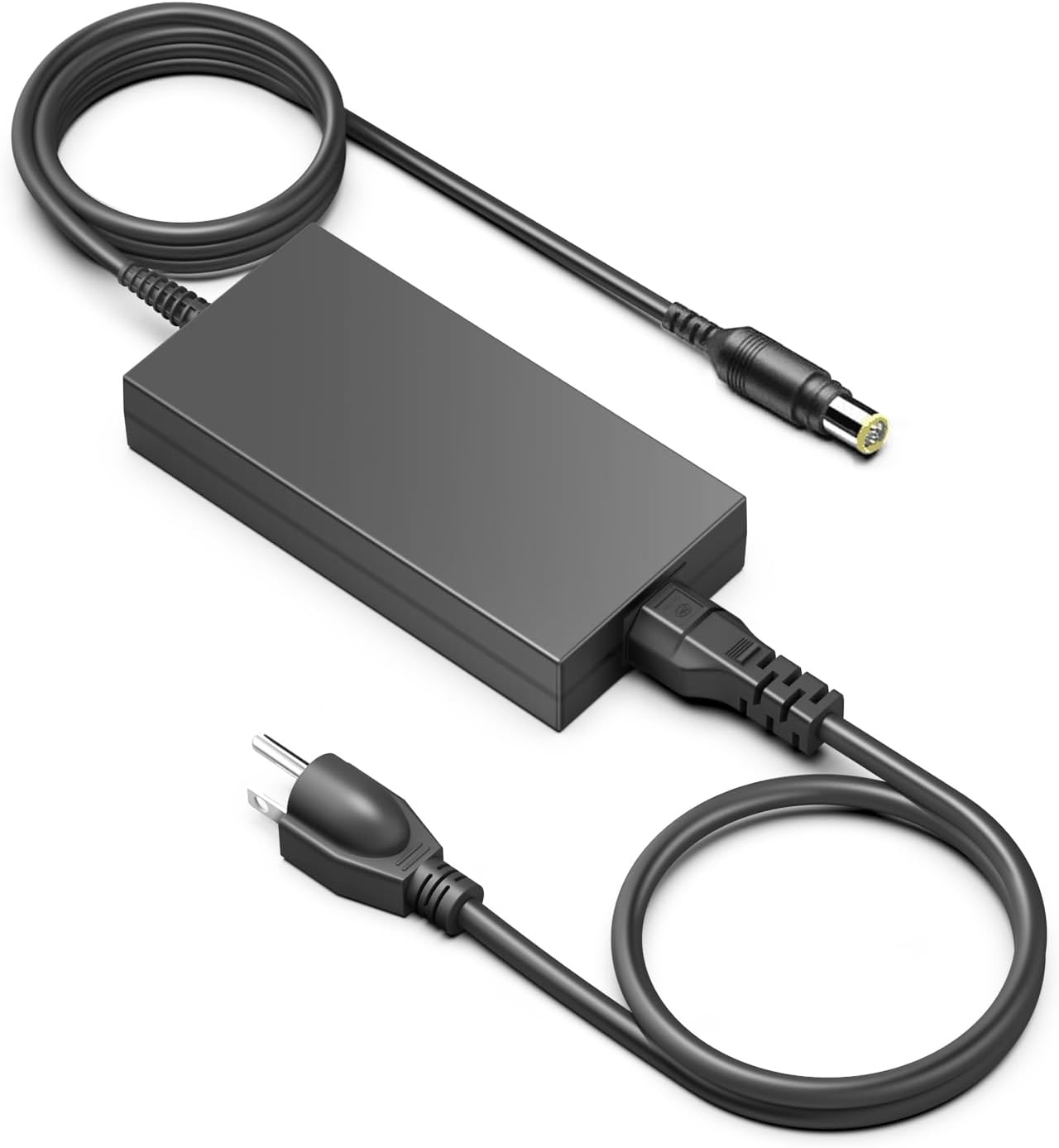 Visit on Amazon →
But the reviews reveal problems. One US buyer received a unit wired for European electrical standards and couldn't return it. That's a shipping and QC failure, but it's still a nightmare for the buyer. Another had the charging electronics die after a year of light use, none of the three charging methods would work anymore. That's a durability red flag.
Visit on Amazon →
But the reviews reveal problems. One US buyer received a unit wired for European electrical standards and couldn't return it. That's a shipping and QC failure, but it's still a nightmare for the buyer. Another had the charging electronics die after a year of light use, none of the three charging methods would work anymore. That's a durability red flag.
The price is also a problem. At roughly $500 for a 500Wh battery, you're paying premium money for a glorified phone charger. It can't run a microwave or an air conditioner. For the same money, you could buy a WEN generator and have unlimited run time.
A battery station gives you maybe 500Wh of capacity, which means 2-3 hours of real appliance use before it's dead. Then it takes hours to recharge. A generator gives you unlimited run time as long as you've got fuel.
For a weekend camping trip where you just need to charge devices and run a few lights, the Yeti is perfect.
For a multi-day outage where the fridge needs to stay cold, it's not enough.
The 500X does have an MPPT charge controller, which is good, and it's silent. Zero maintenance. No oil changes, no gas, no exhaust. If you need power for CPAP at night or you want to charge devices without listening to an engine, it's the right tool.
Compared to a Generator
The Yeti is silent and clean. The generator is loud and needs fuel. But the generator runs for days on $20 of gas. The Yeti runs for hours, then needs a wall outlet or solar panels for most of a day. One is a marathon runner, the other is a sprinter. Know which you need before you buy.
Durability
The charging electronics dying after a year is the pattern that worries me. Lithium batteries degrade even when you're not using them. If you're not going to use the Yeti at least once a month, you need to top it off or it'll lose capacity.
Should you buy it?
If you need silent power for a night, yes. If you need power for a week, no. Buy it for camping, for CPAP, for charging devices in a blackout. Skip it if you think 500Wh is enough for real appliances, because it isn't. The wattage rating on the box is a lie, and the Yeti's real capacity is measured in phone charges, not fridge hours.
The Generator vs. Battery Decision
Here's my rule: if you need power for more than 24 hours, buy a generator. If you need silence and zero maintenance, buy a battery. If you need both, buy both. That's not a cop-out, that's the reality of the technology.
Nobody talks about the ongoing costs. A generator needs oil changes, gas, and maintenance. A battery needs to be charged regularly or it loses capacity. Neither option is free. The question is which one you're willing to pay for.
For my money, the WEN is the best portable power station for home backup because it's the one that'll still be running on day three of an outage. The battery will be dead, and you'll be standing in the dark wondering why you spent $500 on a phone charger.
What I'm Testing Next
I'm running a 2000W-class battery station against the WEN right now, same loads, same conditions, tracking everything in my logbook. I'll have the results in a few months. I'm also watching the used market for flooded units after hurricane season, that's the real durability test.
In 18 months, the 2kWh class will drop below $400 and integrated MPPT will be standard. The brands that ship buggy apps this year will lose the mid-market by next spring.
You heard it here first.
This review was last updated with new fuel consumption data from my 100-hour WEN test. The numbers will change as I log more hours.