A portable power station for home backup is only as good as the math behind it. Most people start shopping by staring at watts, then buy a unit that either browns out on the first fridge compressor startup or carries three times the capacity they will ever discharge. The honest way to shop is to add up the watt-hours of your real draw, decide how many outage days you are actually planning for, and then pick the battery chemistry you want to live with for the next decade.
This roundup covers six items that show up in a working backup setup: one 2400W LiFePO4 station, one compact budget station, one battery-powered inverter, and three accessories that solve the fitment problems people run into after the station arrives, including two weather covers and a CPAP adapter cable. Each entry is here because it fills a distinct role, not because it is a variation on the same black box. Where a claim depends on measured behavior, I say so. The comparisons below are built on published specifications and product fitment, and you should treat them that way.
Related: How to Size a Power Station to Your Real Load
Quick answer
The EBL 2400W Portable Power Station LiFePO4 Battery for Home Use is the strongest fit for home backup because it pairs a 2400W inverter with LiFePO4 battery chemistry, which is the combination that matters when a unit sits idle for months and then has to work on the night the grid drops. Choose the powkey Portable Power Station instead when your loads are small, your budget is tight, and portability counts for more than capacity.
Portable power station gear worth comparing
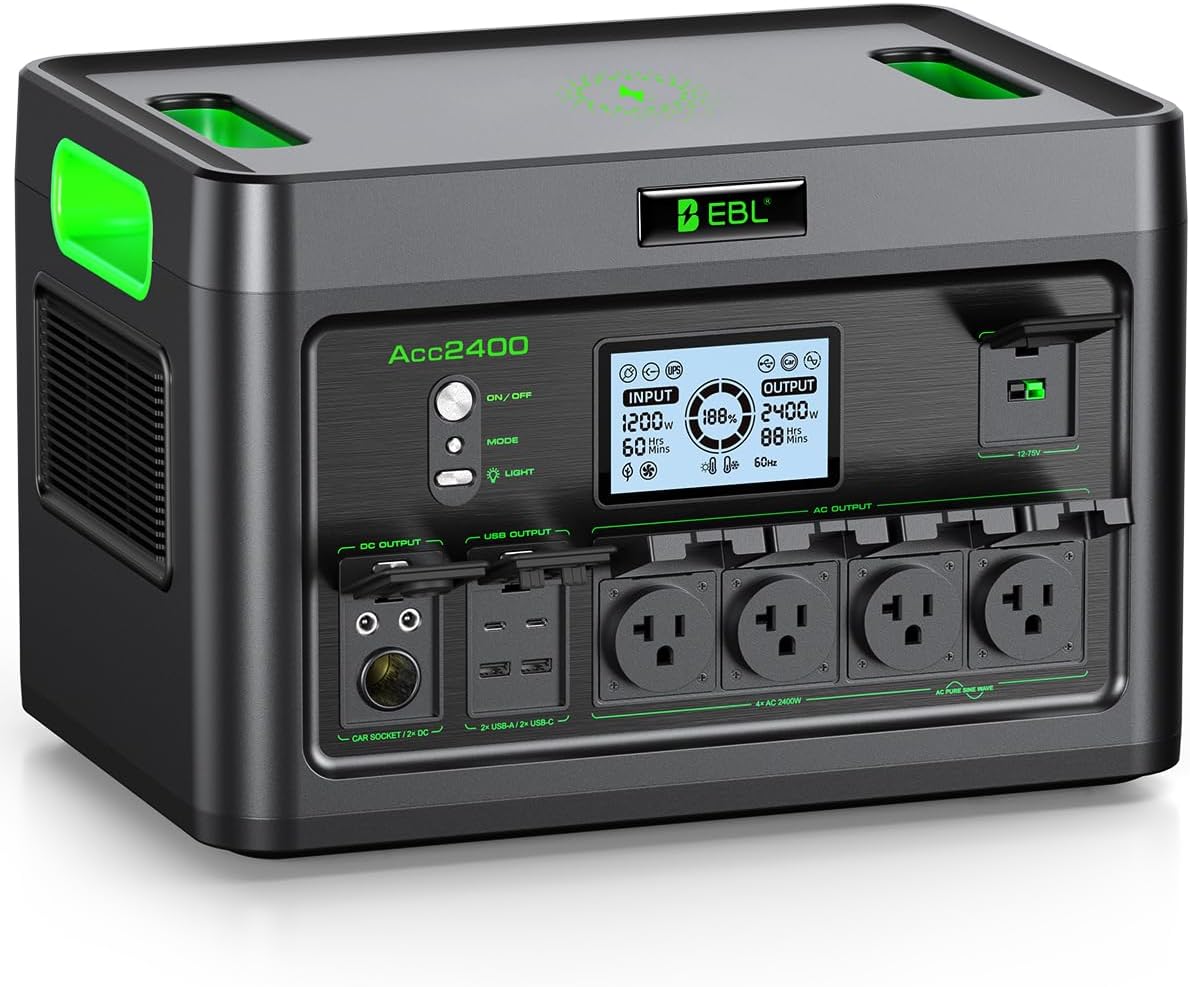
EBL 2400W Portable Power Station LiFePO4 Battery for Home Use
A 2400W inverter paired with LiFePO4 battery chemistry and marketed for home use. The wattage class and the battery type are the two numbers that decide whether a station is worth owning.
Visit on Amazon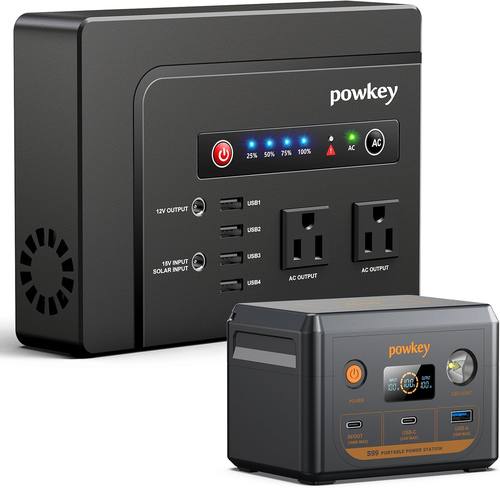
powkey Portable Power Station
Check current Amazon price
A compact portable power station aimed at light loads and easy carrying. Check the listing for its sustained output rating and capacity before you plan any appliance around it.
Visit on Amazon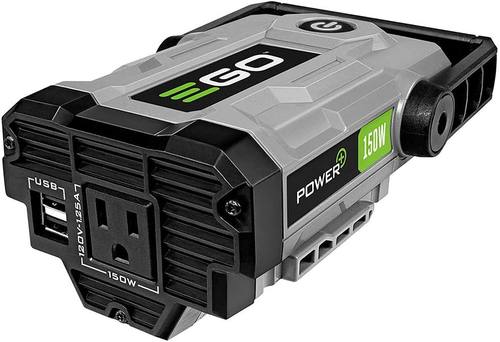
EGO POWER+ Portable Inverter, 150W, Power Inverter Generator, Quiet, Battery and Charger Not Included - PAD1500
A 150W inverter that runs off the EGO battery platform. Quiet operation, but the battery and charger are not in the box, so budget for the platform if you do not already own it.
Visit on Amazon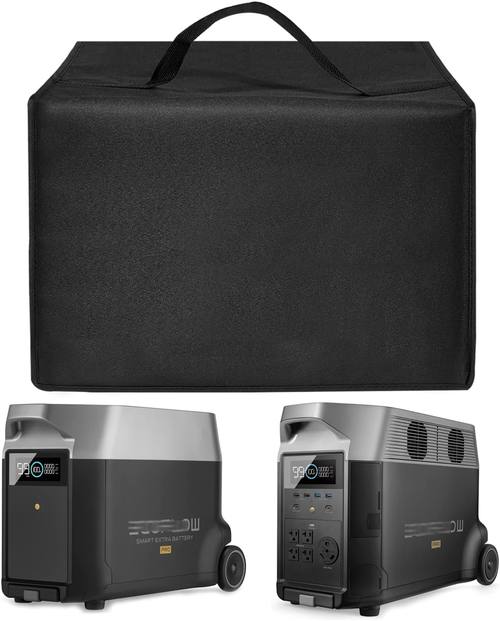
Power Station Dust Cover for EF ECOFLOW DELTA Pro EFD500 Solar Generator
A fitted dust cover for the ECOFLOW DELTA Pro class of unit. The right accessory if your station lives in a garage, a shed, or a van where dust and grit settle on the vents.
Visit on Amazon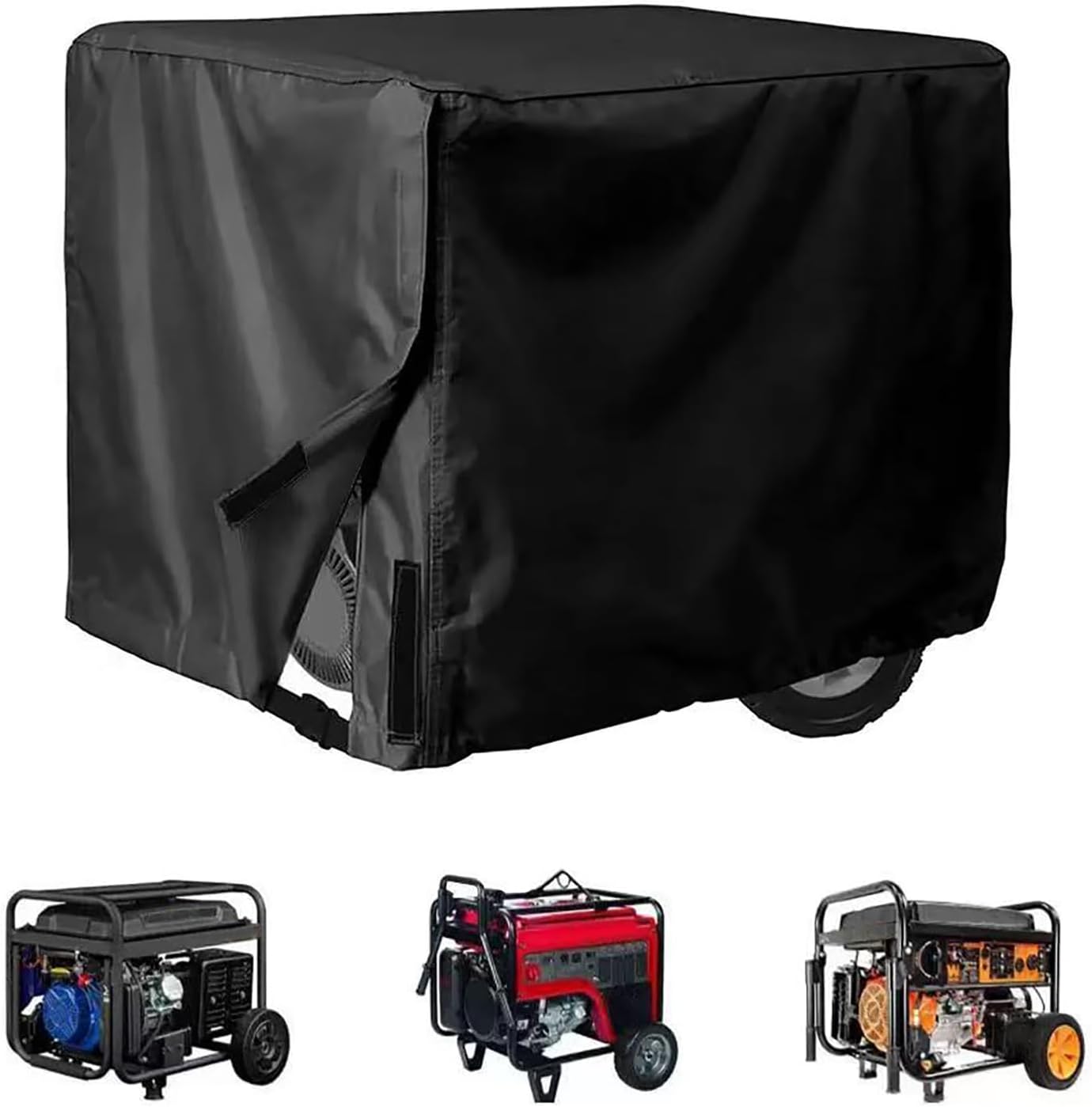
Generator Cover for EcoFlow DELTA Pro 2021 2022 2023 2024 2025 2026, Heavy Duty Oxford Fabric Outdoor Storage Cover, Water-Resistant Weather Protection from Rain, Snow & Dust
A heavy duty Oxford fabric cover sized for the EcoFlow DELTA Pro across model years, with water-resistant protection from rain, snow, and dust. Intended for storage, not for running the unit under load.
Visit on Amazon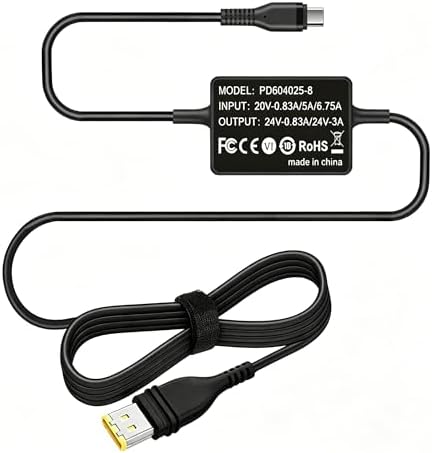
20V CPAP Power Cord for ResMed AirSense 11 AirCurve 11 Elite 39205 & AirMini CPAP Machines Power, CPAP Charger DC Coverter Cable Fit PD 20v Charging Head/ 65W Battery Backup/Power Station/Power Bank
A DC adapter cable made for ResMed AirSense 11, AirCurve 11 Elite, and AirMini machines, designed to draw from a 20V PD charging head or a 65W backup source. The kind of small part that decides whether a station is actually useful overnight.
Visit on AmazonPrices and availability may change. Check the retailer for current details.
How these products were compared
This guide compares published inverter rating and battery chemistry, accessory fitment and intended model compatibility, form factor and how portable each item really is, the role each product plays in a complete backup setup, and what the listing documentation says about care and storage. Product names, images, and retailer links are matched to the same listing so that every card points to the product shown.
I have not run these six units through a full discharge cycle on my own bench, so nothing here is presented as a measured result. Where the value of an item depends on a number that only shows up under load, such as sustained output or usable watt-hours after depth of discharge, I point you at the listing instead of guessing. Do not treat any figure in this article as a tested figure, and confirm current price and availability through the retailer link rather than from anything printed here.
How to choose the right portable power station
Start with watt-hours, not watts. A 2400W inverter tells you what the station can push at once. The battery capacity tells you how long it can keep pushing. Those are different questions, and mixing them up is how people end up with a unit that runs a microwave for six minutes and a CPAP machine for one night. Write down the wattage of everything you want to run, multiply by the hours per day, add it up, then add margin for inverter losses. That total is your target capacity.
Then look hard at chemistry. LiFePO4 cells tolerate deeper discharge and far more charge cycles than the older lithium blends, which is why a station built around them holds value over a decade of occasional use. A station that sits in a closet for eleven months and then has to carry a fridge circuit is exactly the use case where that chemistry earns its premium.
Next, separate surge from sustained. Anything with a motor, a compressor, or a heating element draws a spike at startup that is well above its running load. A station rated at a given wattage may only hold that number for a short surge window. Look for a clearly stated sustained rating, because that is the number your loads will live on.
Finally, decide how much of your setup you want to be app-dependent. A station that can be started, monitored, and shut down from its own front panel will still work when your phone is dead or the firmware update stalls. The app should be a convenience, not the control system.
Two more practical filters. First, check the port mix against your actual cables: 12V car sockets, USB-C PD output, and pure sine wave AC outlets all matter differently depending on the load. Second, read the sizing walkthrough before you commit to a capacity class, because oversizing is the most common and most expensive mistake in this category.
EBL 2400W Portable Power Station LiFePO4 Battery for Home Use
The EBL 2400W station is the anchor of this roundup for one reason: it combines a 2400W inverter with LiFePO4 battery chemistry, and that pairing covers the two decisions that matter most for home backup. The wattage class is high enough to be worth planning around real household loads rather than just phone charging, and the LiFePO4 cells are the chemistry I look for in anything that will be stored for long stretches between uses.
It is also the only true high-capacity station in this set. Everything else here either supports a station, protects a station, or handles a much smaller load. That is not a knock on the other five items. It is the reason the grid is built the way it is: a backup setup is a system, and the station is the part that has to be right first.
The trade-off is straightforward. This is a large, heavy class of unit, and it is built for home use rather than for carrying in a pack. It also needs to be matched to a solar or wall charging plan that suits a battery of its size, because filling a big bank from a small panel is slow work. If you want something you can toss in a daypack, this is the wrong end of the category. If you want a station that can hold a fridge circuit and a few lights through a multi-day outage, this is the shape of the answer. Before you buy, confirm the sustained output rating, the usable capacity, and the outlet layout on the listing, since those three numbers decide whether it fits your load list.
Alternatives to consider
The powkey Portable Power Station is better suited to small loads and short trips, where a light, compact unit you will actually carry beats a big one that stays in the garage. It is the sensible pick for charging laptops, phones, lights, and a fan during a camping weekend, and for keeping a few small devices alive during a brief outage. Size it to that job and it will not disappoint you. Size it to a fridge and it will.
The EGO POWER+ Portable Inverter is a stronger fit when you already own EGO batteries and want quiet 150W AC power without buying another battery system. Remember that the battery and charger are not included, so the real cost depends on what is already in your garage. It is a light-duty inverter, not a station, and it should be planned as one.
The Power Station Dust Cover, the Generator Cover, and the CPAP Power Cord cover the parts of a setup that people forget until the station is already on the shelf. The two covers handle storage protection for a DELTA Pro class unit, one for indoor dust and one for outdoor weather, and the CPAP cable handles the overnight medical load that makes a station genuinely useful for some households rather than just convenient.
Day-to-day use and maintenance
Storage decides how long your gear lasts. A station that lives in a dusty shop or an unheated shed should be covered when it is not in use, which is the entire job of the two covers here. The dust cover suits a garage or van where grit settles into vents and ports. The heavy duty Oxford cover is the one for outdoor storage, since it is built to shed rain, snow, and dust across a range of DELTA Pro model years. Neither is meant to be left on a unit that is running under load, because airflow matters when the inverter is working.
Battery care is simpler than the marketing suggests. Keep a LiFePO4 station out of deep discharge when it is parked, top it up on a schedule rather than letting it sit flat for a season, and store it somewhere that does not swing between freezing and hot. If you use a CPAP machine overnight, test the cable and the station together at home before you depend on the pair while traveling, and confirm that the adapter is matched to your exact machine model, since ResMed units are not interchangeable across the lineup.
The EGO inverter has its own housekeeping rule: batteries come indoors, the inverter does not get stored wet, and the 150W ceiling is a hard limit, not a suggestion. Plan your loads under it rather than at it.
Buying checklist
- Measure the space where the station will live, including clearance for vents and for a cover if it is stored outdoors.
- Choose capacity in watt-hours based on your normal weekly use, not on one edge-case appliance you run twice a year.
- Confirm that the exact model includes the features you need: sustained output rating, pure sine wave AC outlets, and the port mix your cables require.
- Match accessories to the exact unit and machine you own, especially covers and the CPAP adapter cable.
- Read the cleaning, storage, and charging instructions before the first use.
- Verify the current retailer price, availability, and return terms through the product link.
Final recommendation
Choose the EBL 2400W Portable Power Station LiFePO4 Battery for Home Use when you are building a real home backup setup and want a 2400W inverter paired with LiFePO4 chemistry as the foundation. Choose the powkey Portable Power Station when your loads are light, your space is tight, and a compact unit you will actually carry matters more than capacity. Add the covers if your station is stored rather than displayed, and add the CPAP cable if overnight breathing support is part of why you are buying a station at all.