The moment a power station is expected to keep a refrigerator, a well pump, or a furnace blower alive, the shopping question changes. You stop shopping for watts and start shopping for watt-hours, battery chemistry, and a box that can sit at partial charge for years without turning into a paperweight. High-capacity portable power stations now stretch from 1,024Wh camping units to a 12kWh stack that behaves like a small home battery, and the specs at those two ends do not mean the same things.
This guide sorts through six products: five stations from Anker SOLIX, BLUETTI, and EcoFlow, plus one Jackery charging accessory that earns a place on the list only if you already own an Explorer unit. The job here is to line up capacity, sustained output, chemistry, and what ships in the box so you can match a unit to the load you actually have, not to the load a marketing page imagines you have.
Related: Power Station Sizing: Watt-Hours, Not Watts
Quick answer
The Anker SOLIX F2600 Portable Power Station, PowerHouse 767 and 760 Expansion Battery, with 1×400W Solar Panels is the strongest fit for a household that needs several days of essentials rather than a few hours, because it pairs 5,120Wh of LiFePO4 capacity with 2,400W of AC output, four AC outlets, and a 400W panel in a single purchase. Choose the EF ECOFLOW 12kWh Power Station: DELTA Pro Ultra with Extra Battery instead when the load is a whole panel or a well pump and you need capacity that scales far past anything in the 2kWh class.
Power stations and charging gear worth comparing
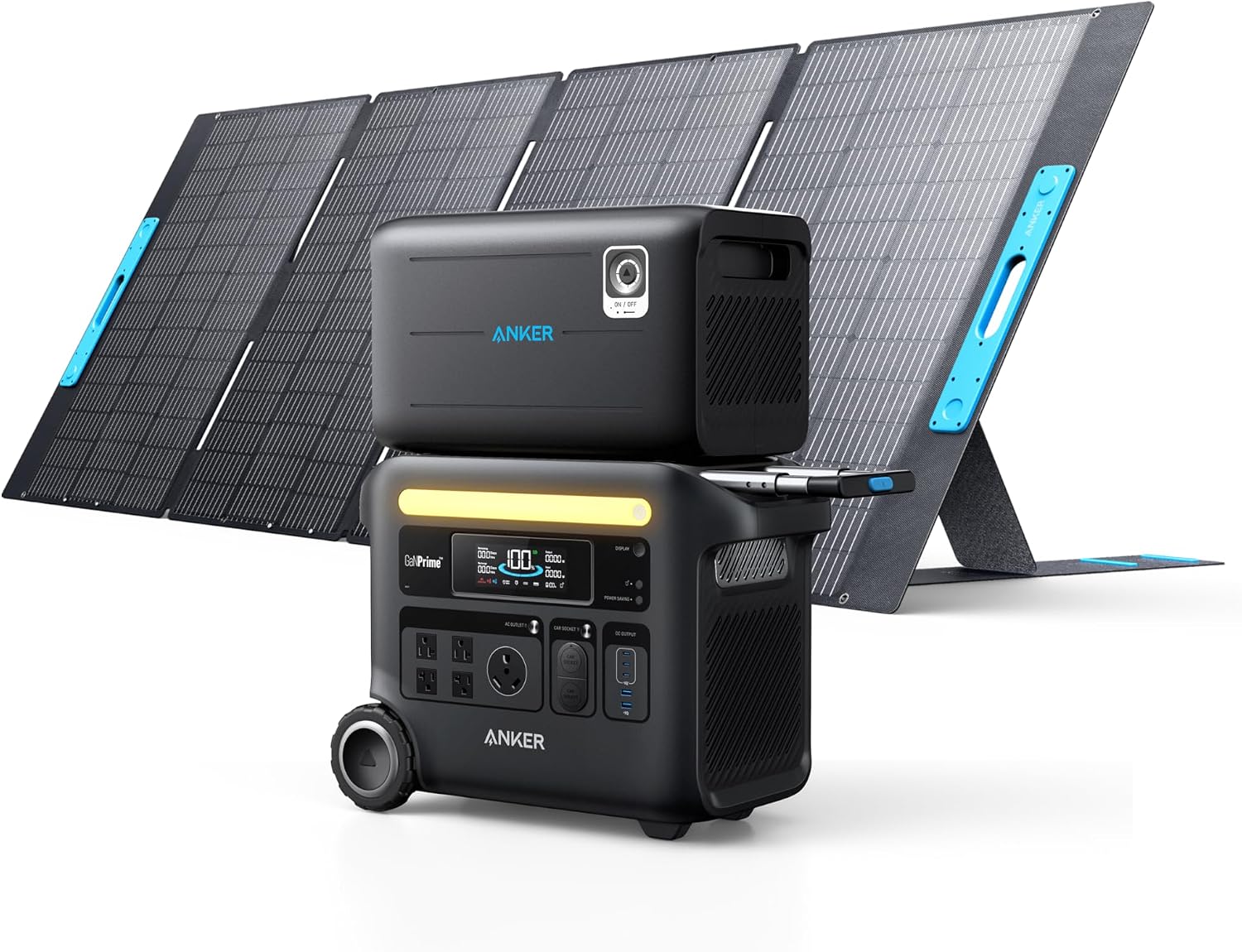
Anker SOLIX F2600 Portable Power Station, PowerHouse 767 and 760 Expansion Battery, with 1×400W Solar Panels, 5120Wh LiFePO4 Battery with 4 AC Outlets Up to 2400W for Home, Outdoor Camping, RV
A 5,120Wh LiFePO4 bundle built around the PowerHouse 767 and a 760 expansion battery, rated for 2,400W of AC output across four AC outlets, and shipped with one 400W solar panel for recharge away from a wall outlet.
Visit on Amazon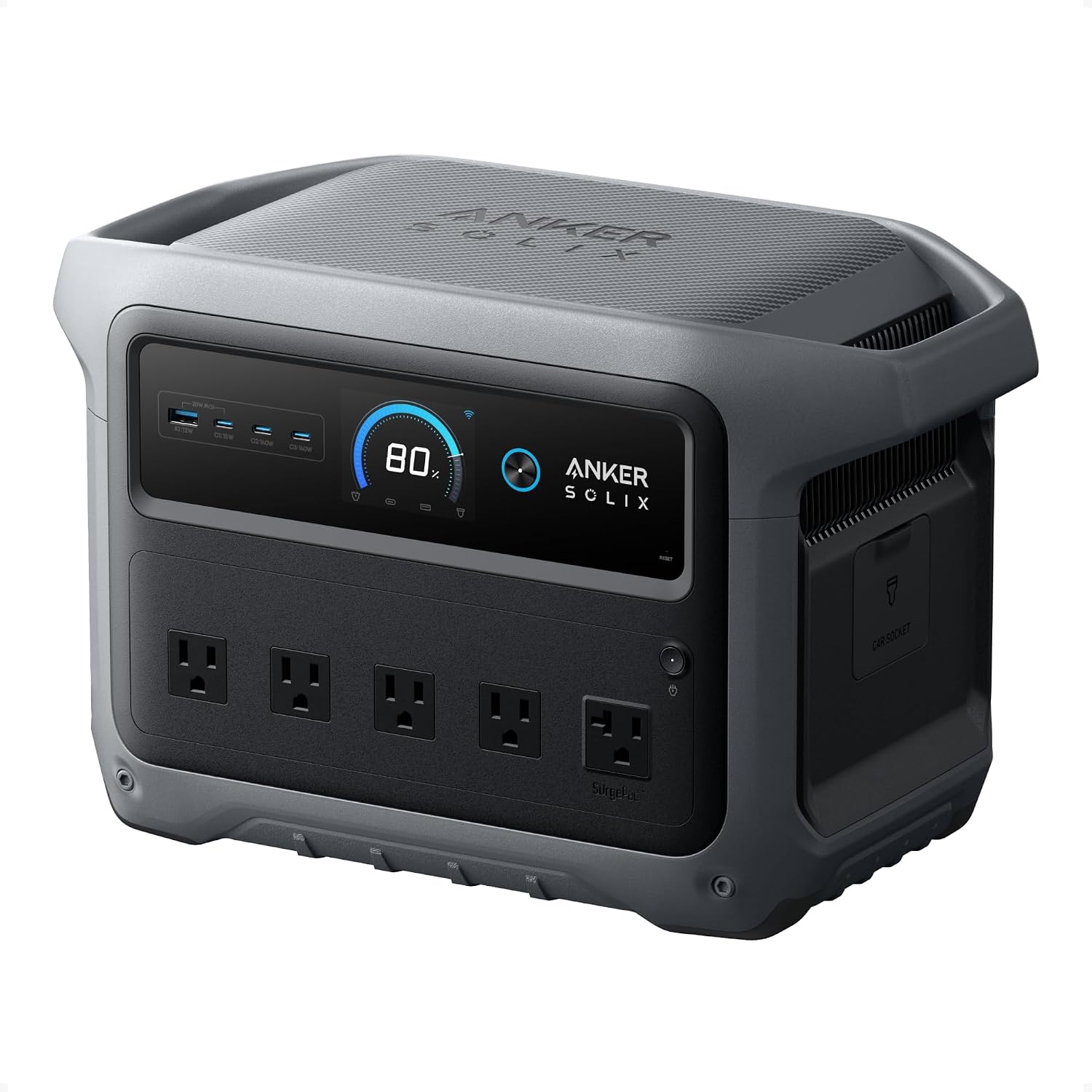
Anker SOLIX C1000 Gen 2 Portable Power Station, 1,024Wh, 2,000W, Camping
The light end of this group: 1,024Wh of capacity with a 2,000W AC inverter, positioned for camping, tailgating, and short outage duty rather than multi-day home backup.
Visit on Amazon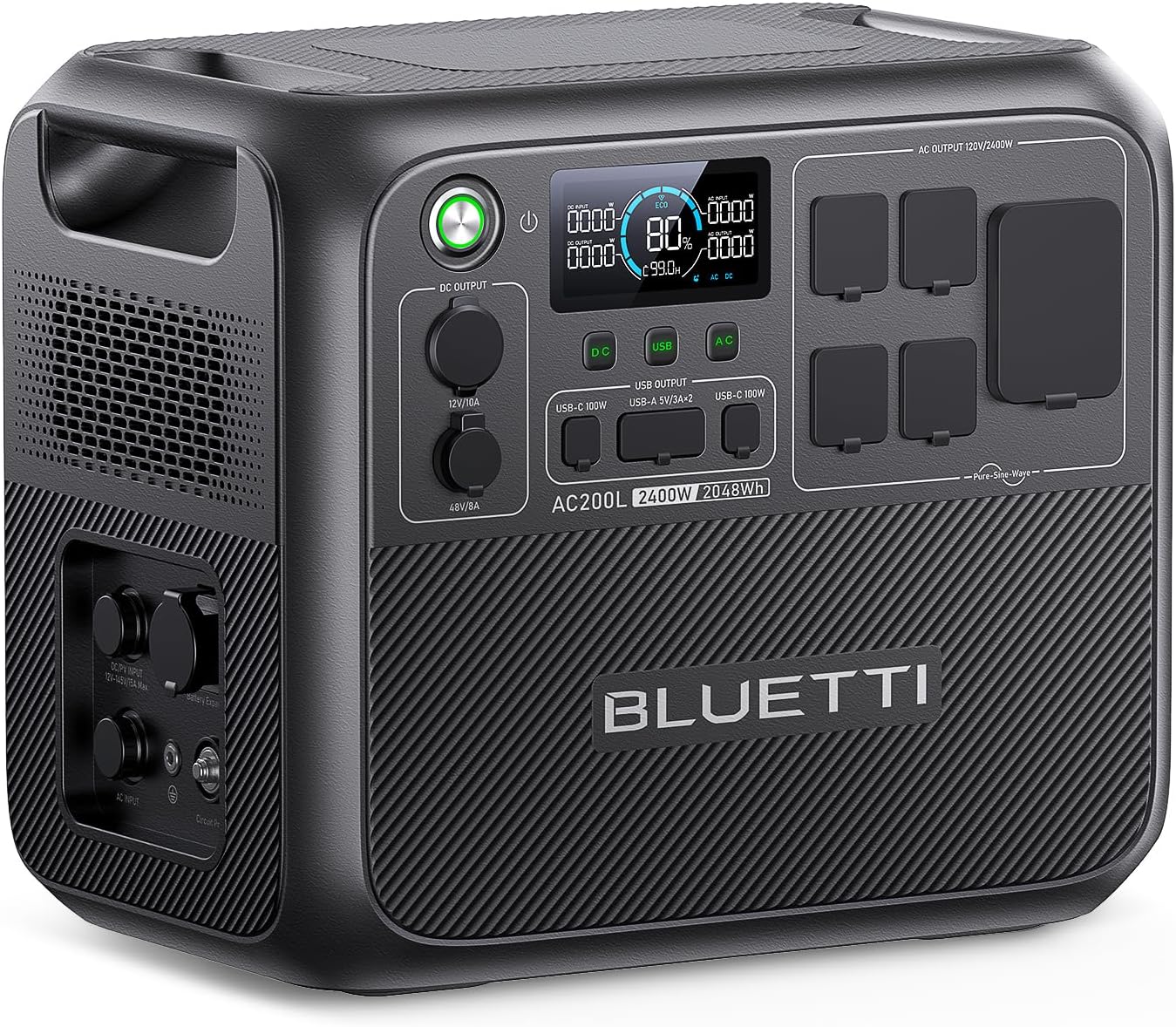
BLUETTI AC200L Portable Power Station 2048Wh 2400W LiFePO4 Battery
Check current Amazon price
A 2,048Wh LiFePO4 station with a 2,400W inverter, which puts it in the middle of this group: enough capacity for a fridge, router, and lighting through a long night, but not for a multi-day outage without recharging.
Visit on Amazon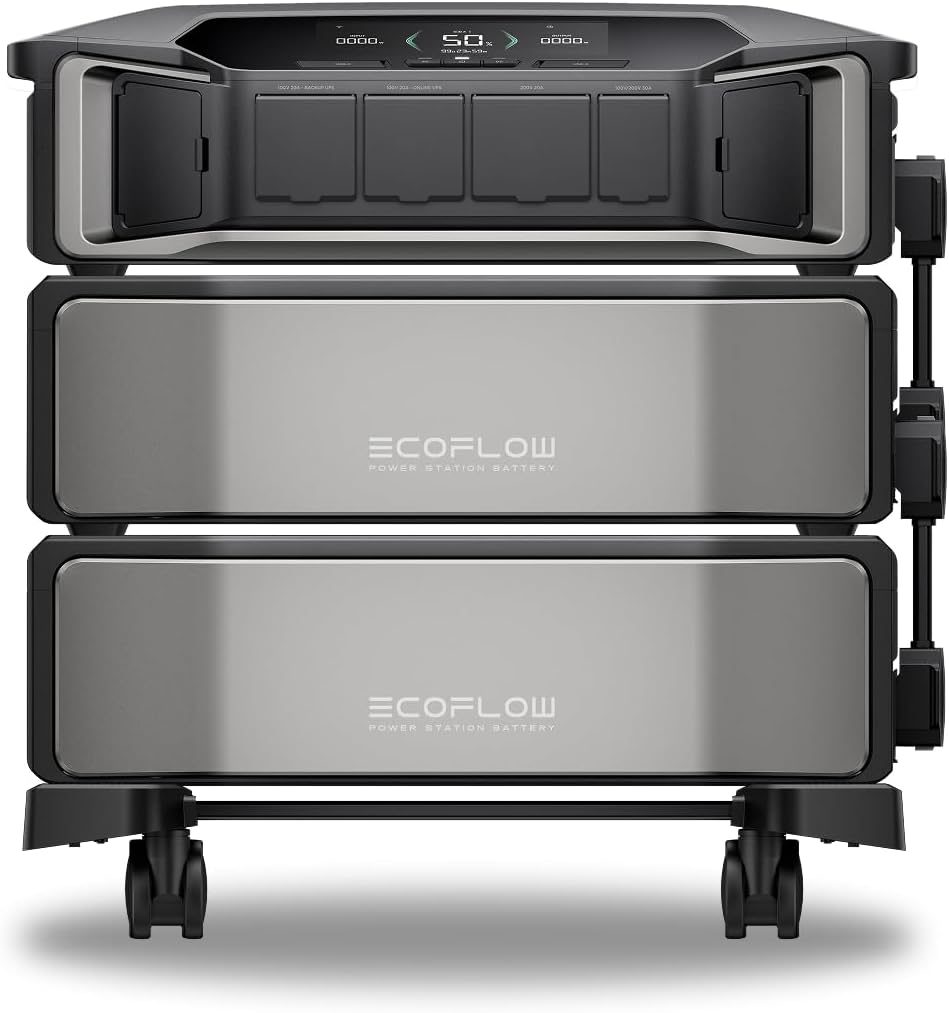
EF ECOFLOW 12kWh Power Station: DELTA Pro Ultra with Extra Battery
The largest capacity in this guide, listed at 12kWh with an extra battery included. This is home-battery territory: whole-panel loads, extended outages, and an install that needs a permanent spot rather than a shelf in the garage.
Visit on Amazon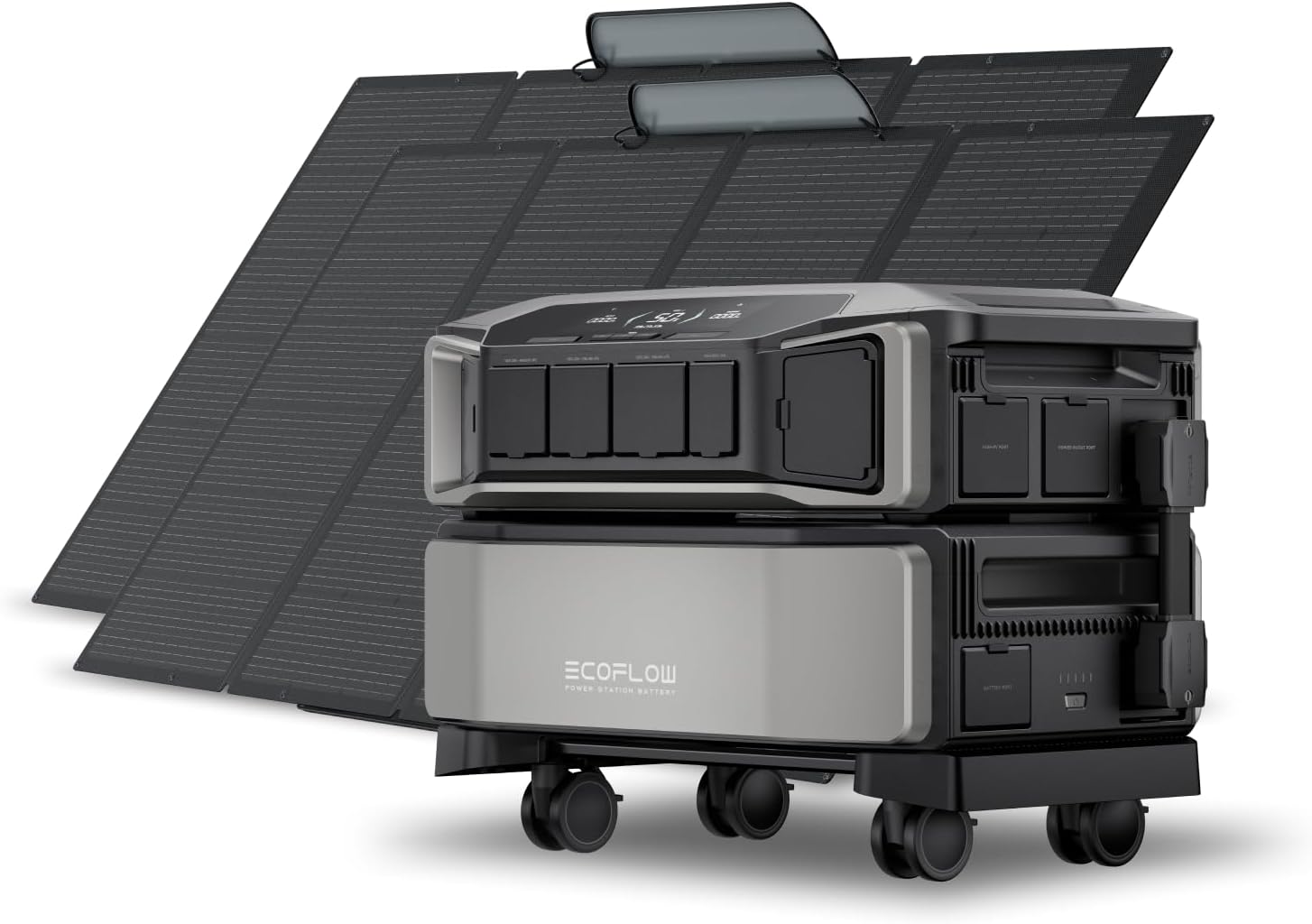
EF ECOFLOW Power Station 6144Wh DELTA Pro Ultra with 2x400W Portable Panel
A 6,144Wh DELTA Pro Ultra configuration bundled with two 400W portable panels, which makes solar recharge part of the purchase instead of a separate shopping trip later.
Visit on Amazon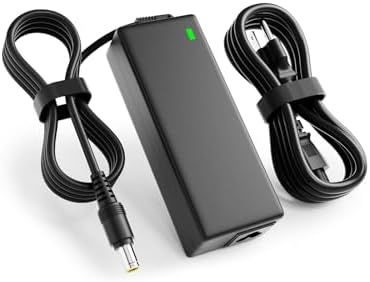
24V 90W Jackery Charger for Explorer Power Stations
An accessory rather than a station: a 24V, 90W charger intended for Jackery Explorer power stations. It is relevant only to someone already running an Explorer unit and looking for another way to top it up.
Visit on AmazonPrices and availability may change. Check the retailer for current details.
How these products were compared
This guide compares usable capacity in watt-hours, sustained AC output in watts, battery chemistry with a preference for LiFePO4, expandability through extra batteries, and what actually ships in the box, from solar panels to charging accessories. Product names, images, and retailer links are matched by ASIN so that every card points to the product shown.
The two EcoFlow listings in this group are a good example of why box contents matter. Both carry the DELTA Pro Ultra name, but one is listed at 12kWh with an extra battery and the other at 6,144Wh with two 400W portable panels. Same family, different capacity, different recharge story, and therefore different buyers. Treat the model number and the bundle contents as the real product, not the brand name.
How to choose the right power station
Start with watt-hours, not watts. A 100W load running for ten hours consumes roughly 1,000Wh before any losses, which means a 1,024Wh station covers that load for about one working day and not much more. Add the fridge, the internet router, a few LED lights, and a phone or laptop, and a modest outage can chew through 1,500Wh to 2,500Wh in 24 hours. That arithmetic is what separates the 1,024Wh Anker SOLIX C1000 Gen 2 from the 2,048Wh BLUETTI AC200L and the 5,120Wh Anker SOLIX F2600 bundle in this guide.
Then decide whether you are buying a station or a small home battery. The 12kWh EcoFlow DELTA Pro Ultra with Extra Battery is priced and sized for the second job, and it only makes sense if you have a permanent location, a real load list, and no interest in carrying the thing to a campsite. Below that, expansion batteries are the cheaper path: buy the smaller station now, add capacity later when you learn what your house actually draws. If you are still working out your daily number, the sizing walkthrough in our Related article above is the place to start.
Chemistry is the third decision, and it is not close in my book. LiFePO4 cells trade a little upfront cost for a much longer service life and better thermal behavior than older lithium formulations, and every station in this roundup that carries a chemistry label carries the LiFePO4 one. When two units land within a few hundred watt-hours of each other, chemistry, inverter rating, and outlet count should break the tie.
Solar is the last decision, and it deserves less weight than the marketing suggests. A 400W panel at full output for five hours is about 2kWh of harvest on a very good day, which is useful for the 2kWh class and slow for a 5,120Wh bank. Panels are for extending an outage, not for pretending the grid is optional in January. Buy the battery first and the panels second, and only if the bundle math beats buying them separately.
Anker SOLIX F2600 Portable Power Station bundle
The F2600 bundle leads this list because of how much it covers in one purchase. The listing describes a 5,120Wh total capacity built from the PowerHouse 767 plus a 760 expansion battery, a 2,400W AC inverter feeding four AC outlets, LiFePO4 cells, and one 400W solar panel included. That capacity figure sits well above the 2kWh class and below the EcoFlow home-battery configurations, which is exactly the middle ground most households with a well pump, a freezer, and a furnace blower are trying to occupy.
The trade-off is physical. A 5,120Wh bank is not a carry-on item, the expansion battery is a second box that needs its own floor space, and a single 400W panel is a slow refill for this much capacity, so wall charging stays in the picture for anything beyond a short outage. If you want one unit that does everything and stays light, this is the wrong end of the market. If you want a station you can leave in place and forget about until the grid drops, the numbers line up.
Alternatives to consider
The BLUETTI AC200L Portable Power Station 2048Wh 2400W LiFePO4 Battery is better suited to a single-night outage or a cabin weekend, where 2,048Wh and a 2,400W inverter will run a fridge, a router, and lighting without demanding permanent floor space. The Anker SOLIX C1000 Gen 2 Portable Power Station, 1,024Wh, 2,000W, Camping is a stronger fit when portability is the priority and the load list is small: laptops, cameras, fans, a small cooler, and a phone that has to charge every night.
The EF ECOFLOW 12kWh Power Station: DELTA Pro Ultra with Extra Battery, the EF ECOFLOW Power Station 6144Wh DELTA Pro Ultra with 2x400W Portable Panel, and the 24V 90W Jackery Charger for Explorer Power Stations cover the two ends of the rest of the market. The 12kWh unit is the whole-home option for loads a portable station cannot carry. The 6,144Wh configuration is the solar-forward pick for someone who wants panels in the same order and does not need the full 12kWh capacity. The Jackery charger is a top-up accessory, and it only belongs in your cart if an Explorer station is already in your garage.
Day-to-day use and maintenance
LiFePO4 stations reward a boring routine. Keep them dry, keep the vents and fan intakes clear, and give the unit airflow during heavy inverter loads, because heat is what shortens battery life. For long-term storage, a partial charge is kinder to the cells than a full one, and a top-up every few months keeps the battery management system honest. Check the manufacturer's storage and charging temperature guidance for the exact model you buy, since cold-weather charging limits vary.
Two habits are worth building. First, note your own loads once: what the fridge, the router, and the furnace blower each draw, and how many hours a day they run. Second, check firmware behavior before you rely on the app during an outage. An app is a convenience, and a station that can only be configured from a phone is a station with a single point of failure. Keep the physical buttons and the display as your primary controls.
Buying checklist
- Measure the floor space and clearance the unit and any expansion battery need, plus the weight you are willing to move.
- Choose capacity in watt-hours based on your normal daily draw rather than an occasional edge case.
- Confirm that the exact model includes the chemistry, inverter rating, outlet count, and expansion support you want, since bundles under one brand name differ.
- Decide whether solar panels belong in the purchase now or later, and compare the bundle against buying separately.
- Read the storage, charging temperature, and maintenance instructions for the battery before the return window closes.
- Verify the current retailer price, availability, and return terms.
Final recommendation
Choose the Anker SOLIX F2600 Portable Power Station, PowerHouse 767 and 760 Expansion Battery, with 1×400W Solar Panels when you want several days of household essentials from one LiFePO4 bank with 2,400W of output and a panel already in the box. Choose the EF ECOFLOW 12kWh Power Station: DELTA Pro Ultra with Extra Battery when the load is a whole panel or a well pump and capacity matters more than portability. For smaller jobs, the BLUETTI AC200L is the middleweight pick and the Anker SOLIX C1000 Gen 2 is the one that travels.