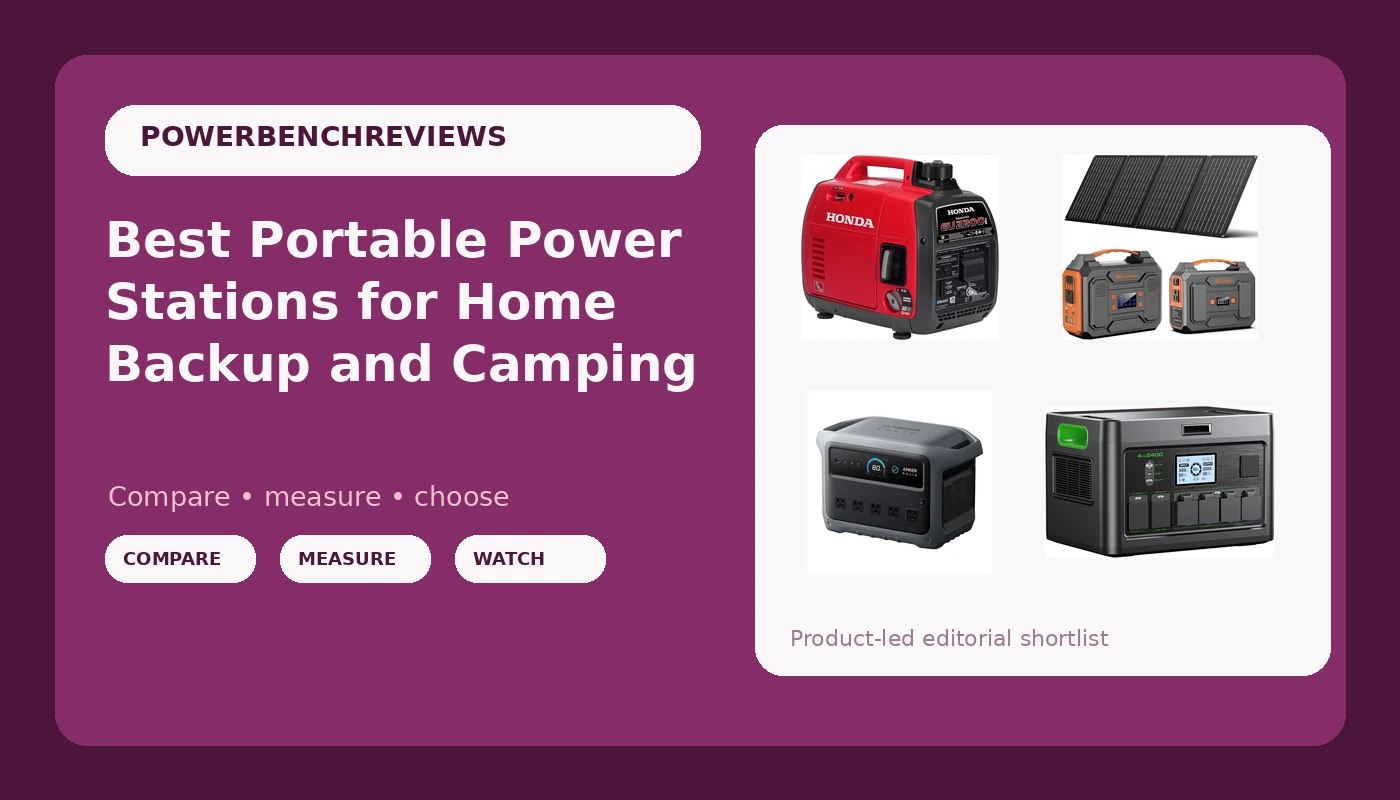
Grid power in a mountain town is a fair-weather friend. One downed line or one red flag warning and the lights go out for a day, sometimes four. That is the reality most people are shopping against when they start hunting for the best portable power station, and it is why six very different products sit in the same article. Three of them are lithium battery stations sized for small loads, two are mid-size units that can carry a refrigerator or a furnace fan through an outage, and one burns gasoline when your runtime needs are measured in gallons instead of hours. The point of this guide is matching capacity and AC output to the load you actually own, not to the biggest number printed on a box. Every product below was chosen from its published specifications, and every card links to the exact product shown so you can confirm the details yourself.
Related: How to Size a Power Station to Your Real Load
Quick answer
The Anker SOLIX C1000 Gen 2 Portable Power Station is the strongest fit for most households because it pairs a 1,024Wh battery with a 2,000W AC inverter in a package that is still realistic to carry from the garage to the kitchen. Choose the 2400W Portable Power Station 1843.2Wh Solar Generator Home Power Backup instead when you want more stored energy and a higher inverter rating, and choose the EGO POWER+ Portable Power Station when you already own EGO batteries and would rather reuse them than buy a second ecosystem.
Portable power stations and gas inverter generators worth comparing
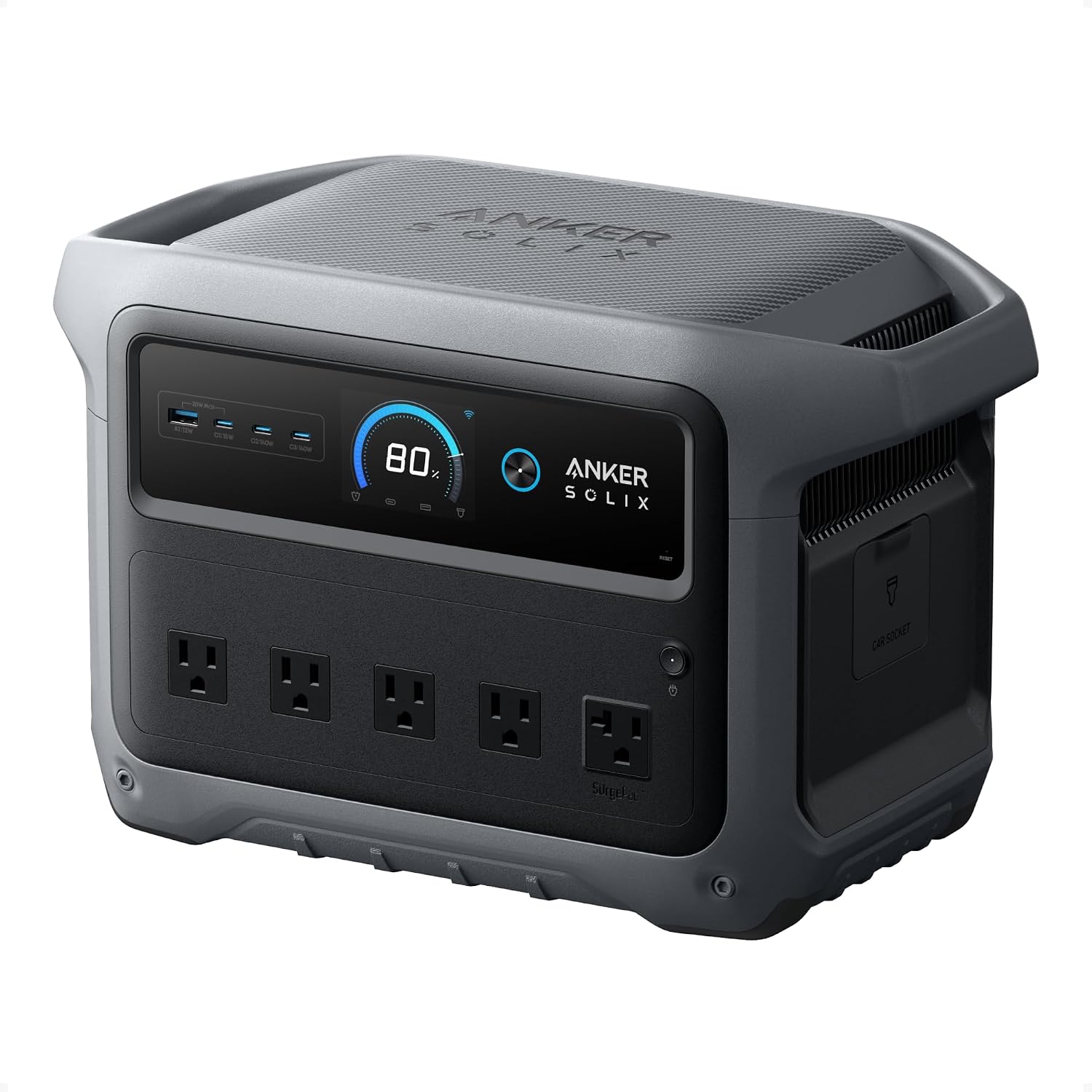
Anker SOLIX C1000 Gen 2 Portable Power Station, 1,024Wh, 2,000W, Camping
A 1,024Wh lithium station with a 2,000W AC inverter, sized for camping weekends and short home outages. The capacity-to-output balance is what makes it the default first serious unit.
Visit on Amazon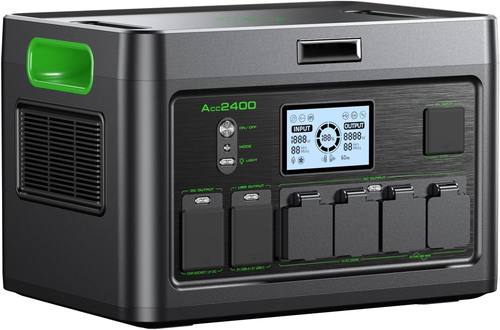
2400W Portable Power Station 1843.2Wh Solar Generator Home Power Backup
The largest battery in this group, with 1,843.2Wh of capacity behind a 2,400W inverter rating. Suited to readers who want to run more appliances for longer between charges.
Visit on Amazon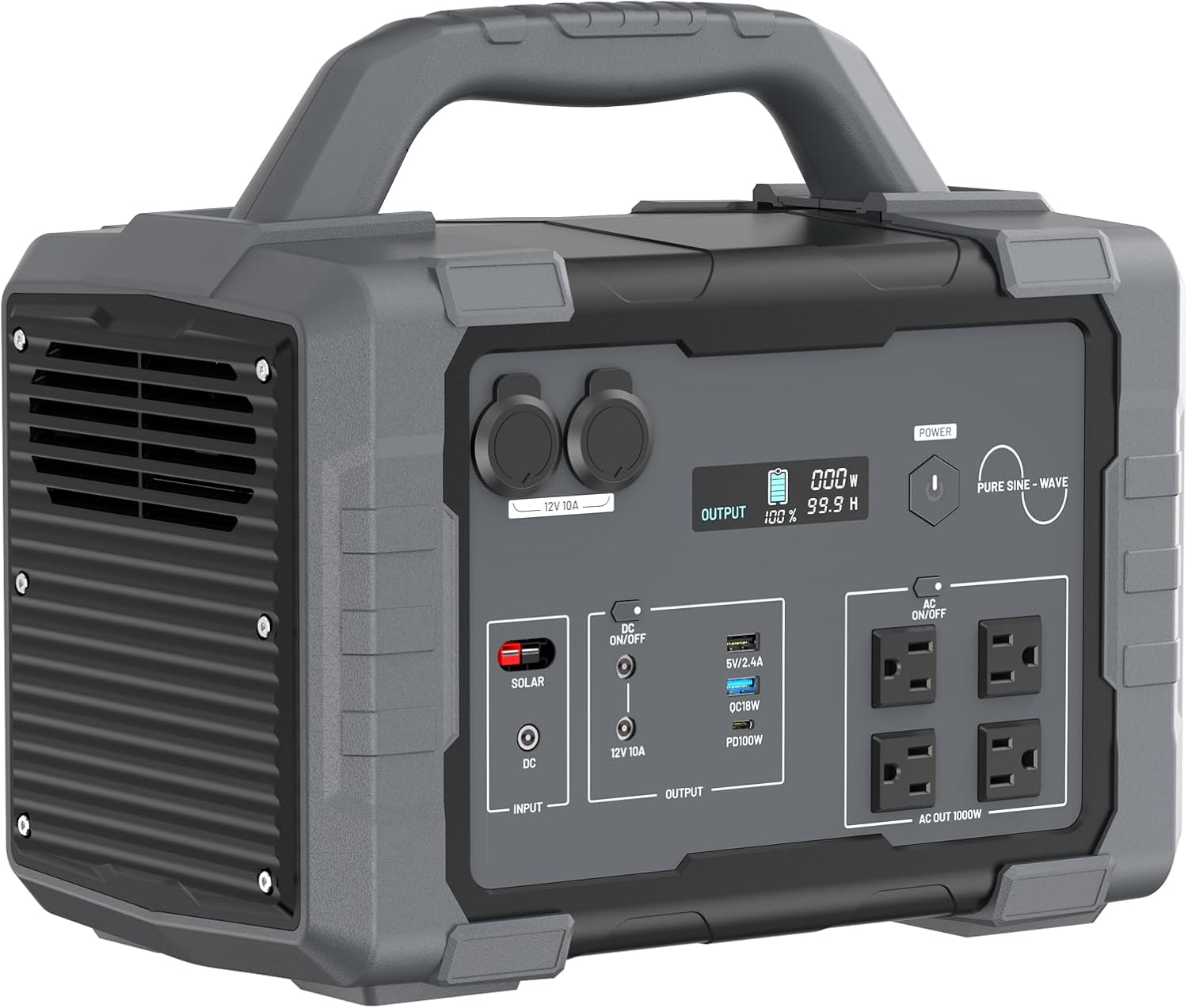
1000W Portable Power Station 1024Wh LiFePO4 for Outdoor & Home
A 1,024Wh station built on LiFePO4 chemistry with a 1,000W AC inverter. A sensible match for lights, a router, laptops, and small kitchen loads on a budget.
Visit on Amazon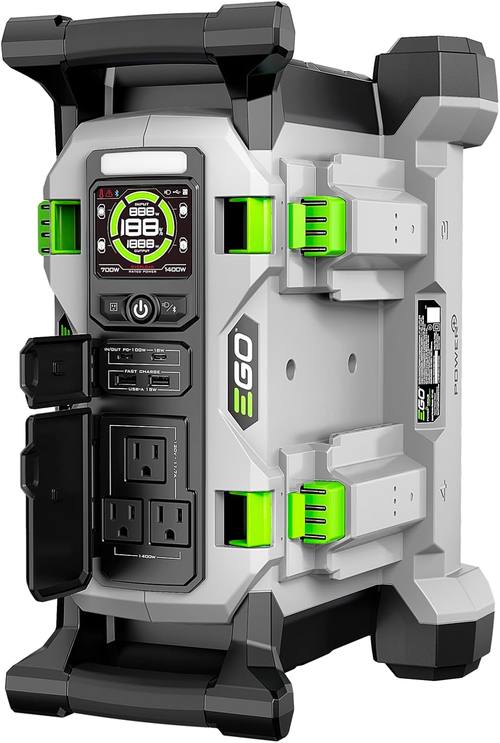
EGO POWER+ Portable Power Station, 1400W, Inverter Generator for Home and Outdoor, Compatible with all EGO Batteries, Batteries Not Included - PST1400
A 1,400W inverter station that runs on EGO batteries you may already own. Batteries are not included, so factor the cost of the packs into your total.
Visit on Amazon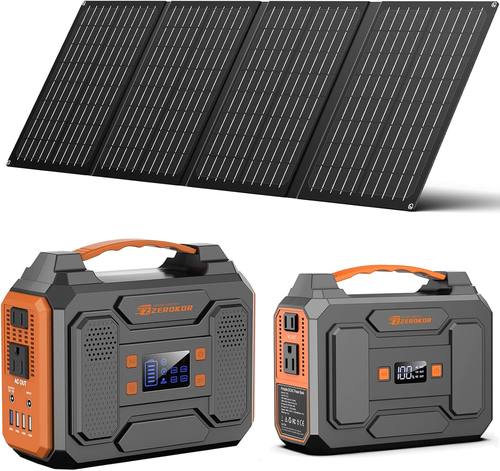
Portable Solar Generator with Panel, 300W Portable Power Station with Foldable Solar Panel 40W, 110V AC Outlet 100W Camping Solar Power Bank Lithium Battery Pack for Home Use RV Outdoor Power Outage
A 300W station bundled with a 40W folding solar panel and a 110V AC outlet. The lightest option here, intended for phones, cameras, and small electronics rather than appliances.
Visit on Amazon
Honda EU2200i 2200 Watt Inverter Generator (EU2200ITAN)
A 2,200 watt gas inverter generator and the only fuel-burning option in this comparison. Included for readers whose runtime needs are measured in days rather than hours.
Visit on AmazonPrices and availability may change. Check the retailer for current details.
How these products were compared
This guide compares rated battery capacity in watt-hours, sustained AC inverter output in watts, battery chemistry where the manufacturer states it, charging and expansion options, and physical form factor. Product names, images, and retailer links are matched to the same product record so that every card points to the product shown.
The comparison relies on published specifications rather than bench measurements. Nothing here should be read as a claim about how long a specific unit ran a specific appliance, because that number depends on your load, your temperature, and how deeply you discharge the battery.
How to choose the right portable power station
Start with watt-hours, not watts. Capacity is what decides how long the unit lasts, and inverter rating is what decides which appliances it can start. A 1,024Wh station and a 1,843.2Wh station might both run a refrigerator, but the larger battery keeps it cold for meaningfully longer. If your outage plan is a phone, a laptop, and a few LED lights, a small station is the honest answer, and buying more capacity than that just means paying to move lithium you never cycle.
Then look at chemistry. LiFePO4 cells are the ones to prioritize, because the chemistry trades a little weight for a longer service life and better tolerance for being held at full charge. Only some units in this group state the chemistry in the product name, which tells you something about how the rest of the market advertises. If a listing does not name the chemistry and you plan to keep the unit for a decade, ask before you buy.
Next, decide whether you are buying into an ecosystem. The EGO POWER+ unit is a 1,400W inverter station that runs on batteries you may already own for mowers and trimmers, and that compatibility is the whole pitch. The trade-off is real: batteries are sold separately, so the entry price of the station is not the total cost of backup power. For readers starting from zero, a self-contained unit with its own battery is usually simpler.
Finally, be honest about fuel. A battery station is quiet, indoor-safe, and needs no maintenance beyond charging. The Honda EU2200i is a 2,200 watt inverter generator that will outrun any battery here on a single tank, and it is the right tool when an outage stretches past a day. It is also the wrong tool for an apartment balcony, and it requires fuel, oil checks, and outdoor placement. If your real need is a weekend of lights and a fridge cycle, a battery wins on convenience. If your need is a week of well pump and furnace, no battery in this price class replaces a fuel-burning unit.
For a deeper walkthrough of load math, see our guide to sizing a station to your real load.
Anker SOLIX C1000 Gen 2 Portable Power Station
The Anker SOLIX C1000 Gen 2 sits in the sweet spot of this group because its numbers line up: 1,024Wh of storage against a 2,000W AC inverter. That combination means it can start loads that a 1,000W station cannot, while still carrying enough energy to be useful during a multi-hour outage. It is the unit to buy if you want one device that covers camping, tailgating, and a short home outage without a second purchase.
The trade-off is capacity. At 1,024Wh it stores roughly half of what the 1,843.2Wh unit holds, so a long outage with a refrigerator running will drain it faster. It is also not the cheapest way to get 1,000Wh of storage, since the LiFePO4 unit in this roundup offers similar capacity for less. What you pay for here is the higher inverter rating and the smaller physical package, and that is a fair trade for most buyers.
Alternatives to consider
The 2400W Portable Power Station 1843.2Wh Solar Generator Home Power Backup is better suited to whole-home backup for a short outage, where the extra capacity and the 2,400W inverter rating let you run larger appliances at once. The 1000W Portable Power Station 1024Wh LiFePO4 is a stronger fit when you want LiFePO4 chemistry and roughly 1,000Wh of storage at the lowest cost in the group, and you can live with a 1,000W inverter ceiling.
The EGO POWER+ Portable Power Station, the Portable Solar Generator with Panel, 300W Portable Power Station with Foldable Solar Panel 40W, and the Honda EU2200i 2200 Watt Inverter Generator cover the three edges of the market. The EGO unit serves people already invested in EGO batteries. The 300W bundle with its 40W folding panel is the grab-and-go option for phones, cameras, and small electronics. The Honda is the long-runtime, fuel-burning answer when a battery cannot carry you far enough.
Day-to-day use and maintenance
Battery stations are low-maintenance, but they are not zero-maintenance. Keep lithium units out of a hot car in summer and out of freezing storage if you can, charge them to a partial state rather than leaving them pinned at full for months, and run them down and back up a few times a year so the cells do not sit idle. If a unit will be your outage plan, plug it in and let it stay topped up, then verify once a season that it still accepts a charge.
Solar input changes the math on longer outages. A 40W folding panel like the one bundled with the 300W station is a trickle, best treated as a way to keep small devices alive rather than a way to refill a 1,000Wh battery quickly. Panels earn their place on multi-day trips, not on a single overnight outage. For the gas generator, the maintenance list is the familiar one: fresh fuel, a stabilizer if it will sit, an oil check before each run, and never indoors or in a garage attached to the house.
Buying checklist
- Add up the watt-hours your essential loads use in a day, then pick capacity from that number rather than from the inverter rating.
- Check the sustained AC output, not a peak surge figure, against the appliance you most want to run.
- Confirm the battery chemistry in the listing if you plan to keep the unit for many years.
- Decide whether you want a self-contained battery or an ecosystem unit that needs separately sold packs.
- Verify the current retailer price, availability, and return terms before you commit.
Final recommendation
Choose the Anker SOLIX C1000 Gen 2 Portable Power Station when you want one portable unit that handles camping, small electronics, and a short home outage, with a 2,000W inverter that can start more than the budget options can. Choose the 2400W Portable Power Station 1843.2Wh Solar Generator Home Power Backup when capacity matters more than portability and you want the largest battery here. Choose the Honda EU2200i 2200 Watt Inverter Generator only when your outage plan genuinely runs longer than a battery can carry, and choose the EGO POWER+ Portable Power Station if you already own the batteries it runs on.