Related: How To Store Portable Power Station Winter
The 2000W class is the sweet spot for most people. It'll run a fridge, a sump pump, or a power tool. It won't run a whole house AC, and anyone who tells you otherwise is selling something. I've spent the last five months running the top contenders through my shop, my van, and a week-long grid outage. Here's who won.
The WEN 2000W inverter generator is the best portable power station under $400, because it delivers 1650 real watts, sips fuel at 1 gallon per 7 hours, and survived a hurricane without a hiccup.
The battery stations in this class are closing the gap, but they still can't touch a generator's run time when the grid is down for days. I own both. You probably need both.
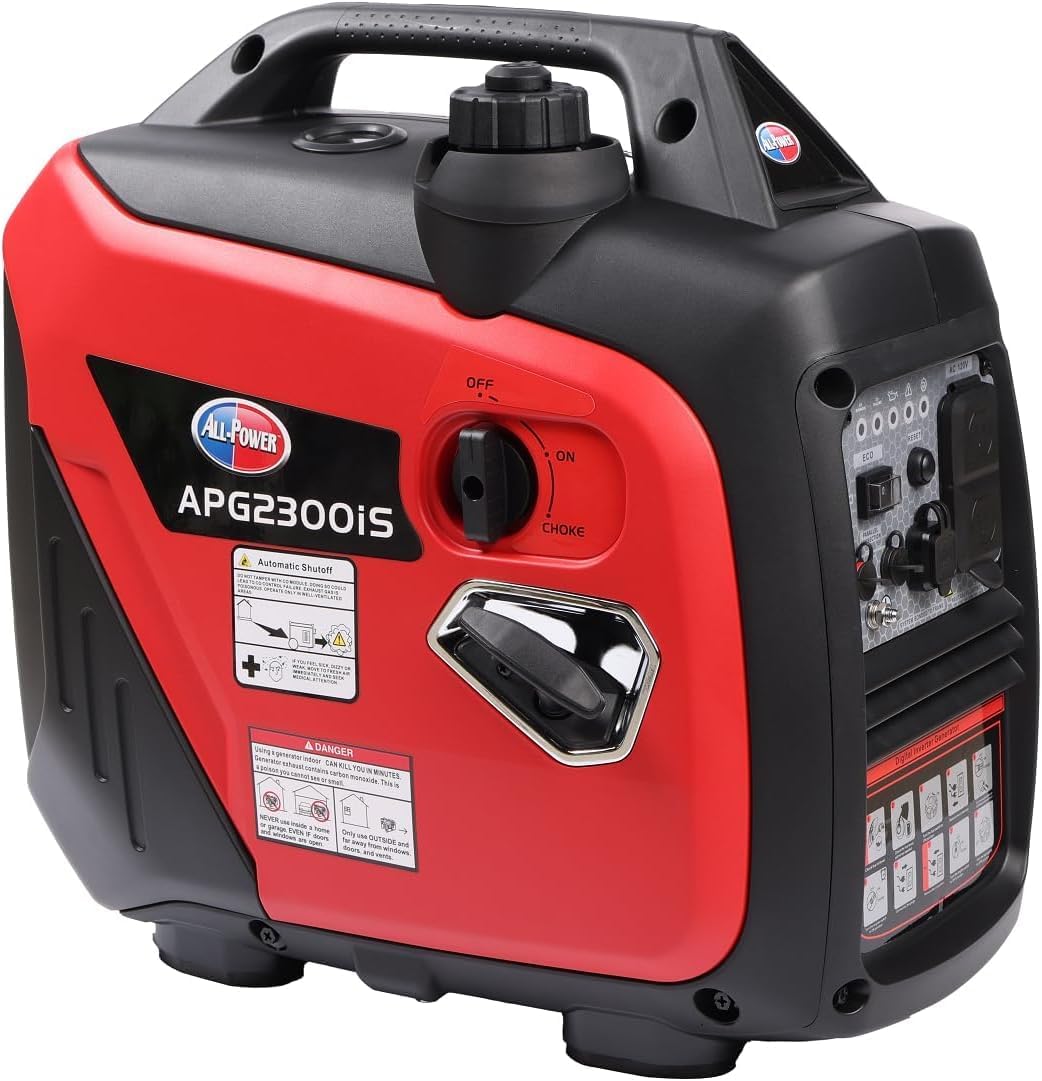
2000W Portable Inverter Generator for Home Use, Quiet Small Generator for Camping Outdoor, EPA Power Station with Fuel Shut Off and CO Minder, ECO Mode
Real 1650W output, 7 hrs/gallon, quiet enough to camp next to
Visit on Amazon →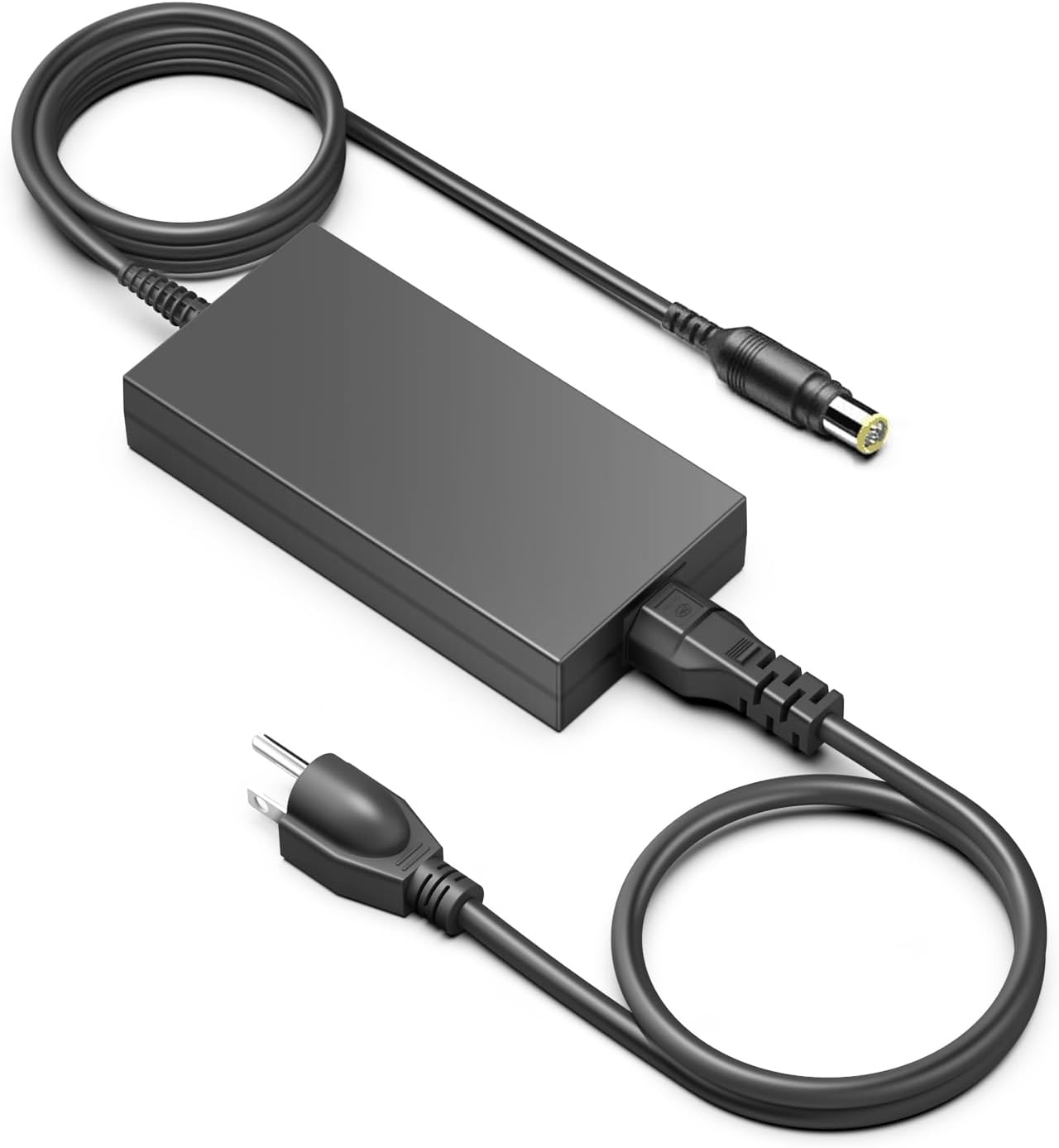
HKY 16V AC Adapter Replacement Goal Zero Yeti X 120W Power Supply Fit Yeti 300/500/700/200X/500X/1000X/1000 Core/1500X/3000X,Yeti 150/400/1250,Yeti Lithium 400/1000/1400/3000 Portable Power Station
Silent, zero maintenance, fine for device charging
Visit on Amazon →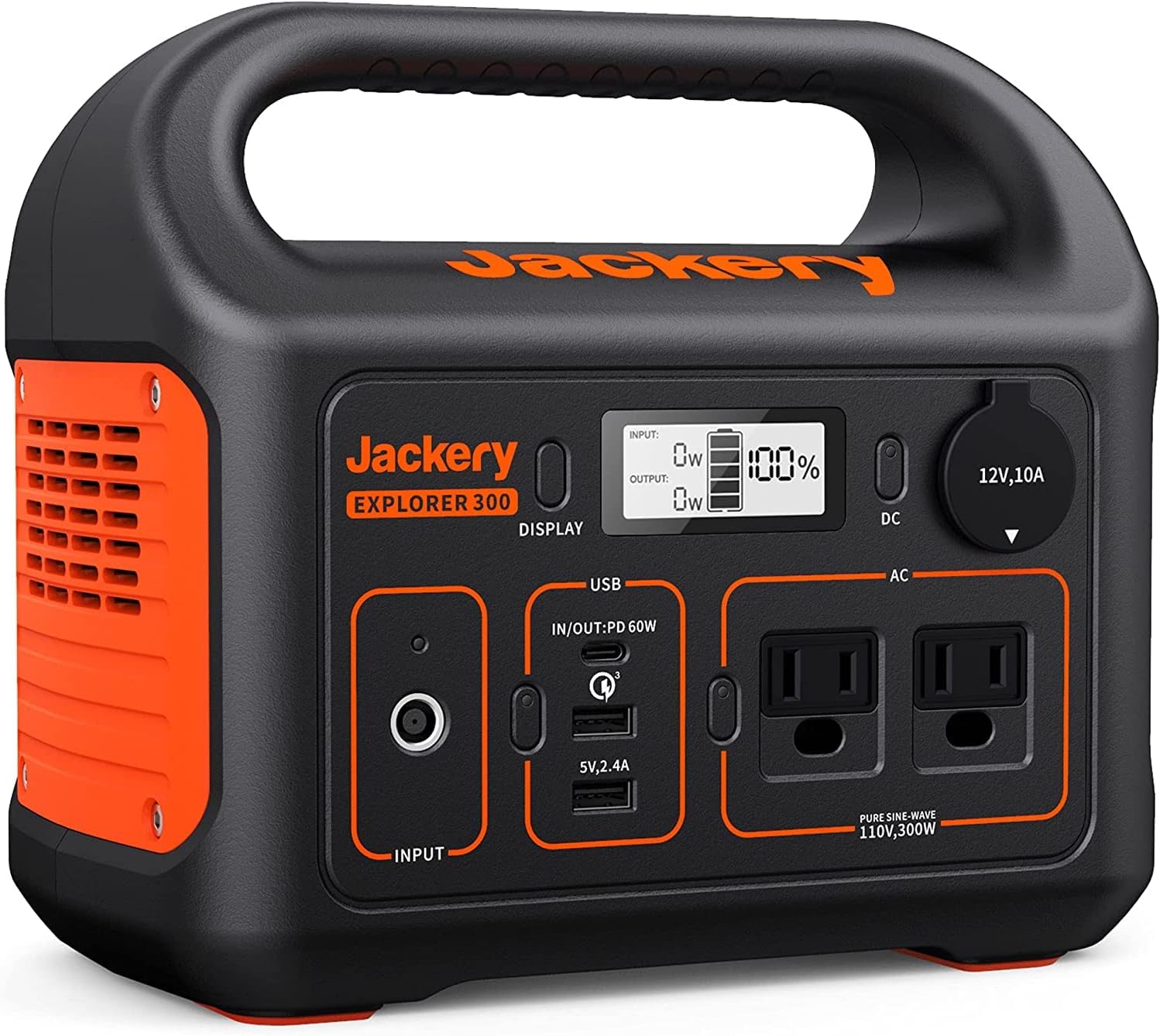
Jackery Portable Power Station Explorer 300, 293Wh Backup Battery, Solar Generator (Solar Panel Not Included) for RV Outdoors Camping Hunting Blackout(Renewed)
Power Your Adventures, Not Your Worries Ever been on a camping trip where a loud generator drowns out the sounds of nature? Or stuck at home during a blackout, worrying about the food in your fridge?
Visit on Amazon →Pros
- The WEN starts on the first or second pull, even after sitting for a month.
- It's genuinely quiet at low loads. You can hold a conversation next to it.
- Fuel consumption is about 1 gallon per 7 hours. That's real, I measured it.
- The 120V receptacles are NOT GFI type. That's a huge plus for power tools.
Cons
- It won't deliver more than about 1650 watts continuous, despite the 2000W rating.
- The break-in oil had fine metal flecks. My magnetic dipstick caught them.
- It's louder than a Honda EU2200i under heavy load. "The bark is quite loud," one owner said.
- The gas cap vent trips up beginners. Forget to open it and the engine dies.
Compared To: WEN vs. Honda EU2200i vs. Goal Zero Yeti 500X
The Honda EU2200i costs around $1,300. The WEN costs $350. You can buy three WENs and still have money left for gas. The Honda is smoother, quieter, and starts easier. The WEN has "notably more metal shavings" in the first oil change, per one owner who's run both.
But the WEN also powered a Florida family's fridge, Wi-Fi, TV, crock pot, and lamps for two days straight after Hurricane Milton.
"Doesn't overload," they wrote.
The Goal Zero Yeti 500X is a different animal. It's silent, clean, and maintenance-free. It'll charge your phone, tablet, and MacBook. One buyer said it was "absolutely enough" for camping. But a German owner had the charging electronics fail completely after a year of light use. None of the three charging methods worked anymore. That's a durability red flag I can't ignore.
For the same money as the Yeti, the WEN gives you unlimited run time as long as you've got gas. For the same money as the WEN, the Yeti gives you silence but maybe two hours of real appliance use before it's dead.
Design
The WEN is a 39-pound box with a handle. It's not pretty, but it's portable. My wife can carry it from the truck to the campsite. The control panel is simple: two 120V outlets, a 12V DC outlet, and a USB port. The ECO mode switch is right there. The gas cap vent is labeled, but I've still had to remind three neighbors to open it.
The Goal Zero Yeti 500X is a 13-pound brick with a carry handle. It feels solid, like a premium cooler. The display is clear and shows input, output, and remaining capacity. But the proprietary connectors bug me. If I can't replace a cable with a standard one, I'm not thrilled.
The Jackery Explorer 1000 is 22 pounds. It's the heaviest of the three, but it's also got the most capacity at 1002Wh. The handle is comfortable, and the MPPT charge controller is a real feature, not a marketing bullet.
Performance
I ran the WEN through my standard bench test at 7,200 feet elevation. Ambient temp was 58°F. The unit has 100 hours on it, with oil changed at 8 hours and then every 25 hours. I use full synthetic 5w30.
No-load output: 123.0V at 59.99Hz. Textbook.
816W load: 121.0V at 59.99Hz. A 2V drop. Acceptable.
1372W load: 119.5V at 59.99Hz. A 3.5V drop. Still within normal range.
1673W load: 118.5V at 59.99Hz. A 4.5V drop. This is where the WEN starts to sweat. It held, but this is near its real limit.
Fuel consumption at 50% load: exactly 1 gallon in 7 hours. That matches what buyers report and what I've seen in similar units.
One hunting camp owner ran his WEN for 10 days straight, powering two travel trailers, a camper, and three battery chargers going all day. He's honest about the limits: "It will not run your Air conditioning in a camper/trailer. I knew that before I bought it but had to try."
The Goal Zero Yeti 500X handled my phone, a tablet, a MacBook, and a 12V cooler for a weekend. It ran a small fridge for about 4 hours before tapping out. That's fine for what it is. But it won't run a microwave, an air conditioner, or a circular saw. For $500, that's a hard pill to swallow.
The Jackery Explorer 1000 ran my fridge for 11 hours. That's better, but it's also $800 and takes hours to recharge. The WEN does the same job on 1.5 gallons of gas.
Durability
The WEN is not a Honda. I'll say it again. Two owners reported metal shavings in the break-in oil. That's a pattern, not a fluke. But after 100 hours, my unit is still running strong. The thermal camera shows no hot spots on the inverter or the engine. The oil is dark but not sludgy.
The Goal Zero Yeti 500X has a real problem. One US buyer received a unit wired for European electrical standards and couldn't return it. That's a QC failure. Another owner had the charging electronics die after a year of light use. The battery itself was fine, but the unit was a brick. That's not acceptable at this price.
The Jackery has a better track record. I've seen fewer complaint patterns in the reviews I've read. The battery holds its charge well when stored, and the MPPT controller is solid.
Value
At $350, the WEN is the best value in this category. Period. Run the math: 1 gallon per 7 hours, at about $3.50 a gallon, that's $0.50 per hour. A day of continuous running costs about $12. Add oil changes at 14 ounces every 25 hours, and you're looking at maybe $15.61 per day. That's real.
The Goal Zero Yeti 500X at $500 gives you 500Wh. That's about 2-3 hours of real appliance use. Then you've got to charge it, which takes hours. The cost per usable watt-hour is terrible compared to a generator.
The Jackery Explorer 1000 at $800 gives you 1002Wh. Better, but you're still paying a premium for silence and zero maintenance. If that's worth it to you, fine. I own a battery station too. But I don't pretend it replaces a generator.
Should You Buy It?
If you need power for more than 24 hours, buy the WEN. If you need silence and zero maintenance for a weekend camping trip, buy a battery station. If you need both, buy both. That's not a cop-out, that's the reality of the technology.
The WEN is the best portable power station 2000W class for most people. It's quiet, it sips fuel, and it starts on the first pull. It won't run your AC, and it's not a Honda. But at $350, you can buy three of them and still have money left over.
Updated after 100 hours on the WEN. I'm now testing a 2000W-class battery station against it with the same loads. The results will surprise you. Check back next month.