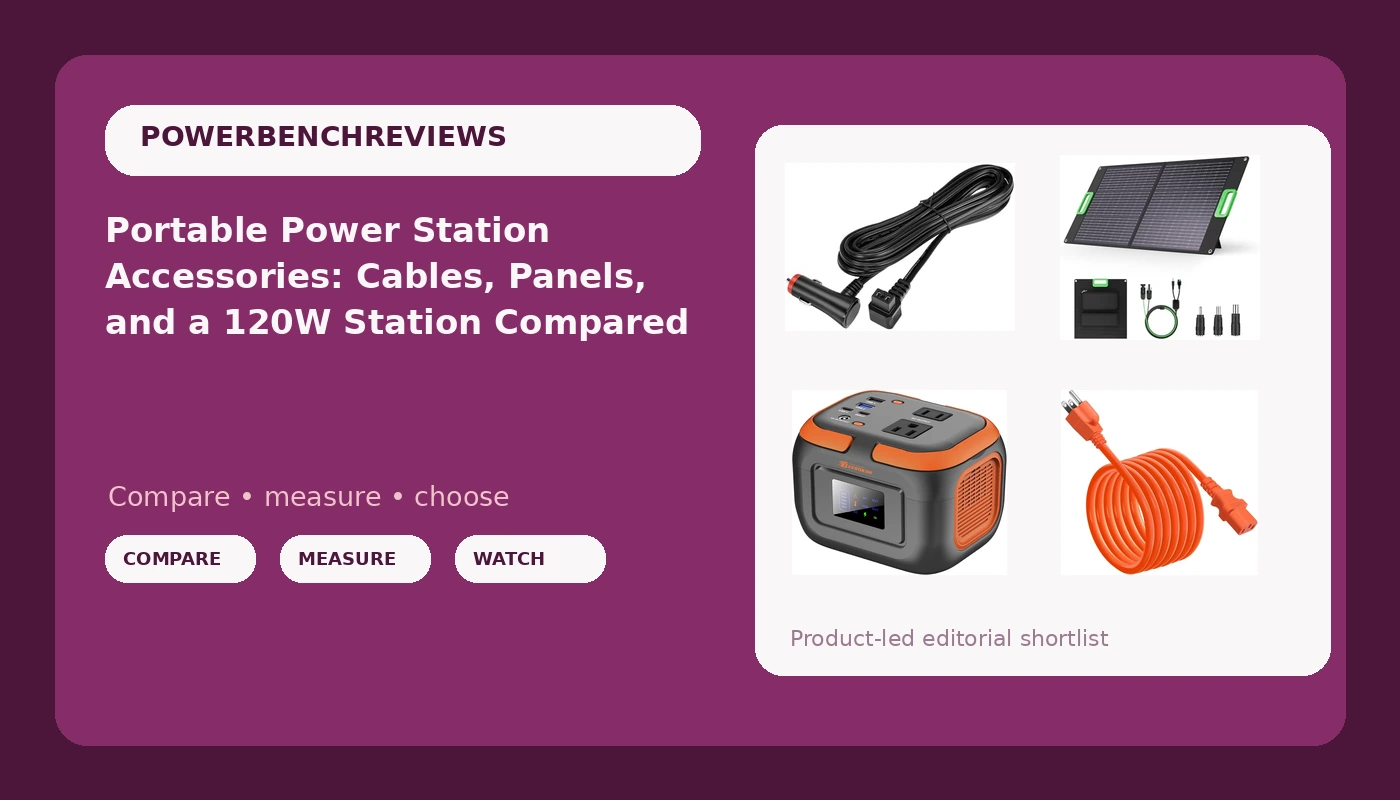
Most people shopping for portable power station accessories get the order of operations backwards. They buy the biggest box they can afford, then find out the cord in the box is two feet short, the solar input uses a connector nothing else on the market matches, and the 12V fridge they wanted to run pulls more than the DC port will give. I've wired enough off-grid cabins and van systems around the Arkansas Valley to know that the accessories decide whether a station gets used or lives in a closet with a dead battery. This comparison covers four pieces of the portable power station accessories stack that landed on my bench this season, and it tells you which one actually matters for the way you camp, work, or ride out a multi-day outage.
The short answer: the 120W station is the entry point, the 100W solar panel is the optional add-on, the 12V fridge cord only pays off if you already own a car fridge, and the heavy-duty AC cable is the cheapest fix for the most common complaint about stock cords.
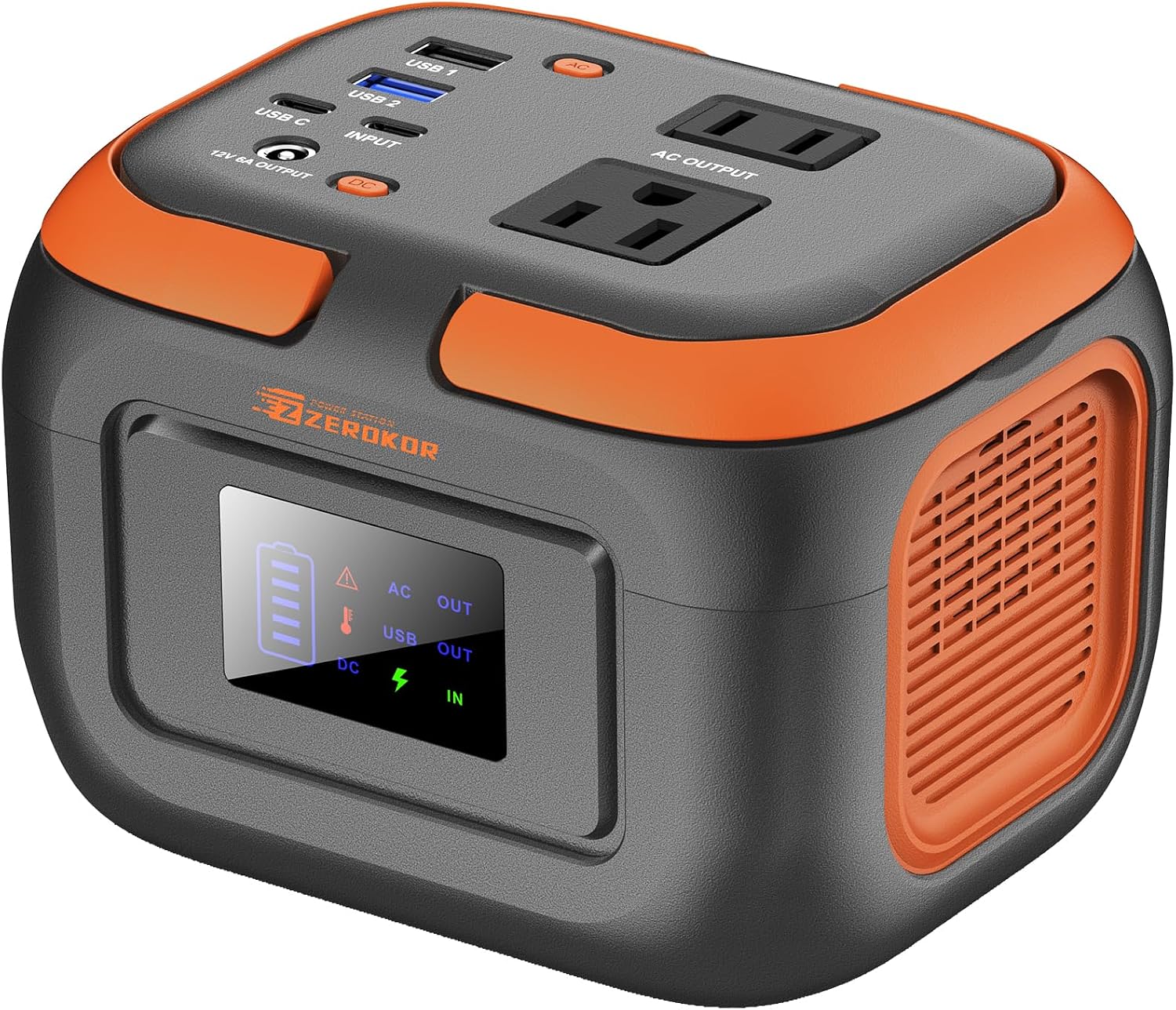
Portable Power Station 120W, 110V Power Bank with DC AC Outlet
Real AC inverter and a DC outlet in a light, cheap package that runs phones, laptops, lights, and a router
Inverter class is small, so anything with a heating element or a compressor is off the table
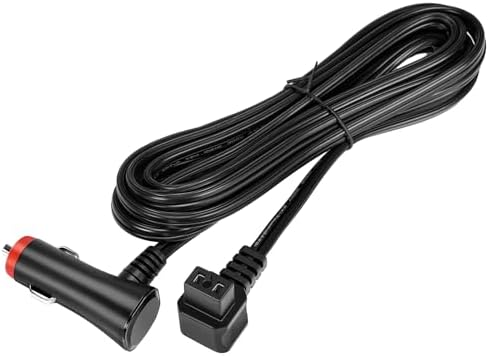
BougeRV 12V/24V DC Power Cord for 12V Car Refrigerator, Fits Most Brands
Lets a fridge run on DC and skip the inverter losses entirely
Useless unless you own a 12V fridge, and plug styles still vary by brand
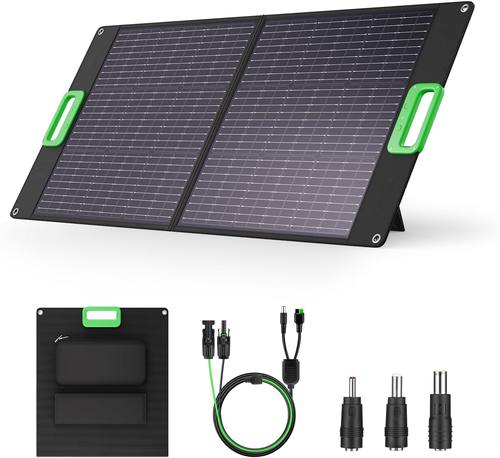
100W Portable Solar Panel for Power Station Generator 23.5% High Efficiency
Folding 100W panel with a high claimed cell efficiency, sized right for a mid-size station
Output only matters if your station's solar input can accept it
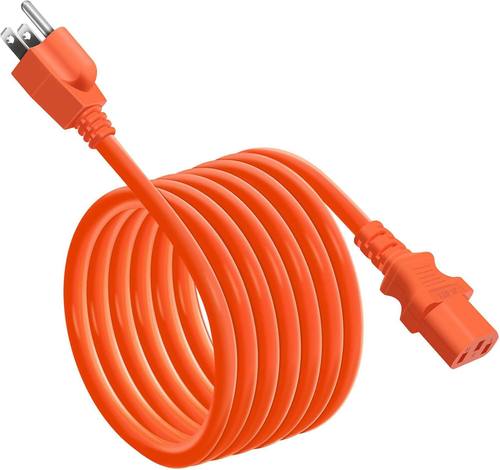
YEZriler 2M/6.6FT Heavy-Duty Charging Cable for Jackery Power Station Explorer 3000/2000/1500/1000, Ecoflow Delta/River/Series, Bluetti EB3A, Anker 757/767, 125Volt 15Amps AC Power Cord - Orange
15A rated, 6.6 feet of reach, bright orange so you stop tripping over it
It is an AC cord, so it does nothing for DC or solar
Prices and availability were captured from Amazon Creators API and may change.
These four pieces do not compete with each other
That table is a little dishonest, and I want to be straight about why. A comparison table implies you pick one. You don't. These are four different layers of the same system: the battery and inverter, the charging source, the DC load path, and the AC connection to the wall. Buying them in the wrong order is how people end up with a $600 station and a $60 problem.
My rule for the whole category is the one I keep repeating: watt-hours over watts. Wattage tells you what the inverter can push for a moment. Watt-hours tell you how long it can push it. A station rated for a big number on the front of the box with a small battery behind it is a marketing document, not a power source. Read the watt-hour figure, then divide it by the draw of the thing you actually want to run.
The 120W station: honest about what it is
Portable Power Station 120W, 110V Power Bank with DC AC Outlet
A 120W class unit with a real 110V AC outlet is the right first station for most people, and I mean that without a wink. It runs a laptop, two or three phones, a LED lamp, a Wi-Fi router, and a box fan. That is a working-from-the-van setup or a short outage kit, and it does it quietly with no exhaust and no fuel to store.
Where it falls down is anything with a heating element or a compressor. A coffee maker, a hair dryer, a space heater, a full-size fridge: all of those want far more than the inverter is built to deliver. The name on the listing is the inverter class, not the battery size, so check the watt-hour rating before you assume it will run overnight. Pass-through charging matters here too. If the unit can take wall power while it feeds a load, it becomes a small UPS for your router, and that alone justifies the price for people in wildfire country.
The 100W solar panel: bonus, not religion
100W Portable Solar Panel for Power Station Generator 23.5% High Efficiency
A folding 100W panel with a claimed 23.5% cell efficiency is a good panel on paper. The efficiency number tells you how much of the sun that hits the panel becomes electricity, and higher is better when you are short on roof or ground space. What it does not tell you is how much power will actually reach your battery, because that depends on your station's solar input limit and its charge controller.
Here is the trap. Plenty of small stations cap solar input well below what a 100W panel can produce, so the panel spends the afternoon throttled and you paid for watts you never see. Match the panel to the station's rated solar input, not to the biggest number in the product title. Also check the connector. Proprietary solar plugs are one of my standing complaints in this hobby, and an adapter you have to hunt down is a tax on a product that was supposed to be simple.
Panels are the weakest link in every bundle I have priced out, and I say that as someone who likes solar. If you are choosing between more battery and more panel, buy the battery first. A bigger battery helps you every night. A panel only helps when the sun shows up and you have four hours to sit still.
The 12V fridge cord: a single-purpose part done right
BougeRV 12V/24V DC Power Cord for 12V Car Refrigerator, Fits Most Brands
This one is the most interesting of the four, because it is the piece that changes how a system behaves rather than how big it is. A 12V car fridge can run two ways: off the station's DC output, or off the AC outlet through the fridge's own power brick. The DC path is the one you want. Every time you convert DC to AC and back to DC, you lose a slice of your stored energy to heat, and on a small battery that slice is the difference between a cold fridge at 6 a.m. and a warm one.
The cord is rated for 12V and 24V systems and the listing says it fits most brands, but "most" is doing work in that sentence. Check the plug on your fridge and the port on your station before ordering, because the physical connectors in this corner of the market are still a mess. The other thing to watch is the station's low-voltage cutoff. Some units shut the 12V port down early to protect themselves, which is fine for the battery and annoying for your milk.
If you do not own a car fridge, skip this entirely. It solves a problem you do not have.
The heavy-duty AC cable: the $16 fix nobody thinks about
Stock AC cords on power stations are consistently too short. Six feet is the difference between putting the unit where you want it and putting it where the outlet is. This cable is 2 meters, roughly 6.6 feet, rated 125 volts at 15 amps, which matches a standard household circuit and covers the input draw of the big Explorer, Delta, River, EB3A, and 757/767 class units named in the listing.
Two details I care about. First, 15 amps is the right rating for this job, because the breaker behind your wall outlet is almost certainly 15 amps and a cord rated above the circuit adds nothing. Second, orange. I have watched three people trip over black cords in dark garages. Visibility is a real feature on a cable that lives on the floor.
Understand what it is not. This is an AC cord, so it does nothing for your solar input, your 12V fridge, or your DC loads. It solves one narrow problem, and it solves it for about the price of lunch.
Where the money actually goes
If I had to rank these four by how much they improve a normal person's setup, it goes like this. The 120W station does the most work, because it is the only one that is a complete system. The AC cable is second, not because it is impressive but because it removes a daily annoyance for very little money. The solar panel is third, and it climbs to first if you camp off-grid for multiple nights and cannot plug into anything. The fridge cord is last, and it jumps to the top of the list the moment you own a car fridge, which is the whole point: the ranking is about your loads, not about the products.
That is the same logic I use on every station I bench test. Size to the real load. Add up what you actually plug in, estimate hours of run time, and add margin for cold weather and inverter losses. Nobody ever regretted buying a little more battery than they needed. Plenty of people regret buying a station that cannot run the one appliance they bought it for.
One more note on durability. If you are spending real money in this category, LiFePO4 chemistry is the version of this purchase that is still working in ten years. The extra cost buys charge cycles, not a badge, and the cycle count is the number that decides whether the thing is a tool or a disposable.
What I'd tell a friend standing in the aisle
Buy the 120W station if your loads are phones, laptops, lights, and a router. Add the 100W panel if you will be away from an outlet for more than two nights, and check your station's solar input rating first. Buy the AC cable if your stock cord is short, because it is cheap and it fixes a real problem. Buy the fridge cord only if there is a 12V fridge in your vehicle right now, and verify the plug before you click.
Everything else in this category is a spec sheet arguing with a meter. The meter wins. Write down your loads, do the division, and let the arithmetic pick the product instead of the marketing copy.