Most people who shop for a portable power station start with the battery and stop there. Then the box arrives and the questions start: the car cable does not fit the DC input, the panel in the bundle charges at a trickle, and the desktop still drops during a two-second outage because nothing in the house sits behind a UPS. This guide treats the portable power station category as a system instead of a single box, covering one main station, one home-and-office pairing, and the cables, adapters, and panels that keep a setup working.
The six products here each answer a specific part of that system, and each listing can be checked against the job in front of you. Nothing is padded in to fill a card. If you already own a station, start with the accessory entries, because that is where most setups quietly fail. If you are buying your first one, the two stations and the bundle are where the decision actually gets made, and the capacity question matters more than any feature list.
Related: Portable Power Station Sizing: Watt-Hours vs Watts
Quick answer
The BLUETTI Elite 100 V2 Portable Power Station with AC Cable 1024Wh 1800W is the strongest fit for most homes and van builds because it carries the largest capacity in this group at 1024Wh and the highest AC output rating at 1800W, and it includes its AC charging cable. Choose the APC UPS and Solar Generator Power Bundle, 600VA UPS for the home/office; and 500W Portable Power Station for off-grid living (BE600M1, PPS500) instead when you need a UPS holding up a desk, router, or small network rack plus a separate smaller station for off-grid use.
Portable power station gear worth comparing
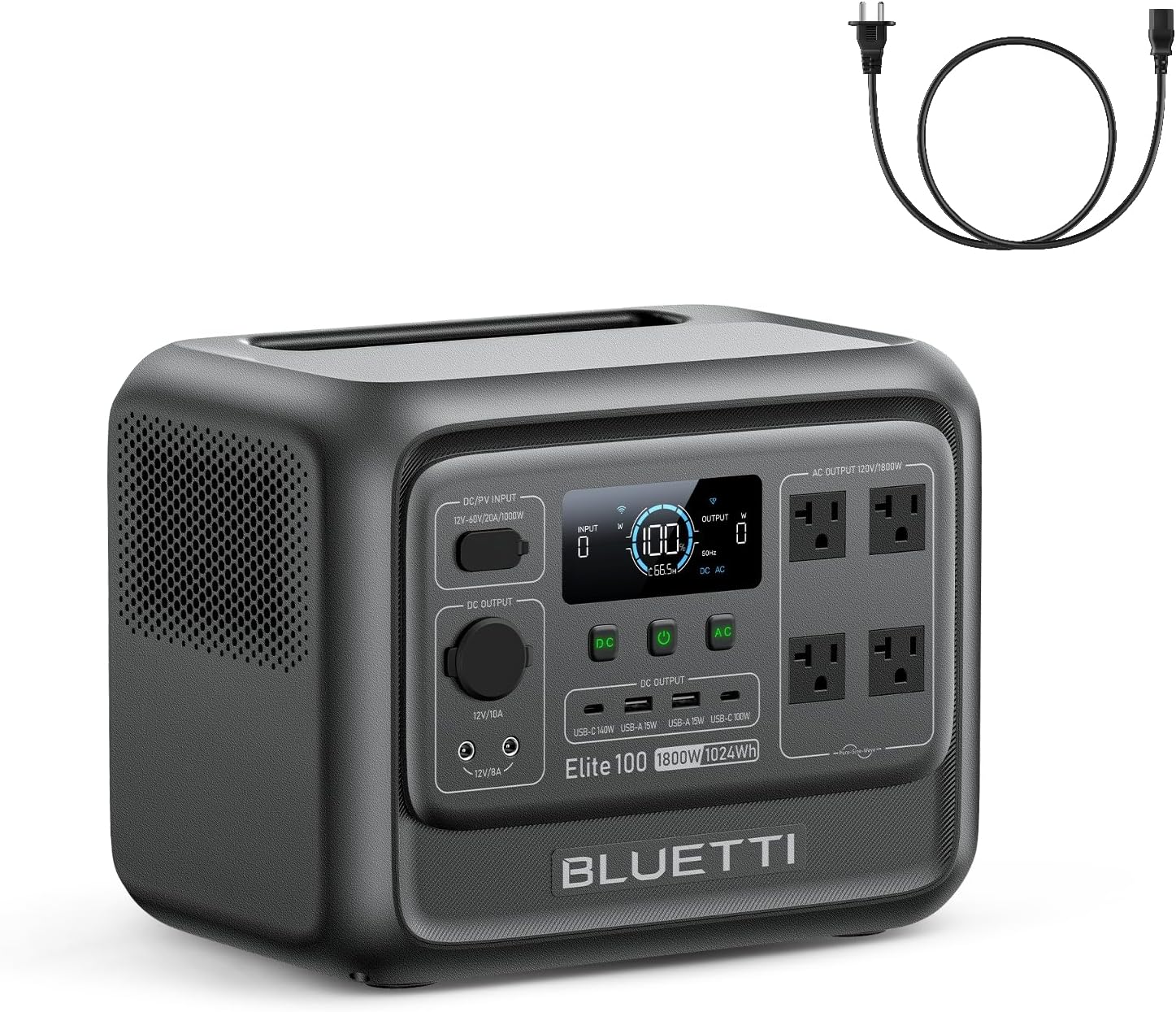
BLUETTI Elite 100 V2 Portable Power Station with AC Cable 1024Wh 1800W
1024Wh of capacity and an 1800W AC output rating, with the AC charging cable included in the box. The largest station in this group, sized for workday electronics, van weekends, and short home outages.
Visit on Amazon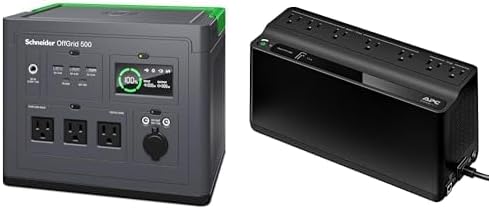
APC UPS and Solar Generator Power Bundle, 600VA UPS for the home/office; and 500W Portable Power Station for off-grid living (BE600M1, PPS500)
Two devices in one purchase: a 600VA UPS (BE600M1) for home or office equipment and a 500W portable power station (PPS500) for off-grid use. The UPS covers gear that cannot tolerate a restart.
Visit on Amazon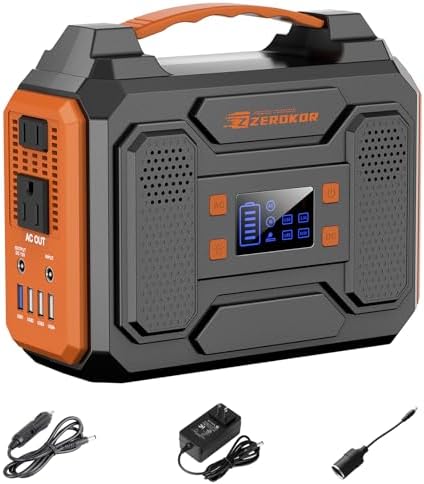
Portable Solar Generator 300W Portable Power Station with 60W Solar Panel
A 300W portable power station bundled with a 60W solar panel. A compact pairing for small loads and solar top-ups where the 1024Wh class would be more capacity than the job needs.
Visit on Amazon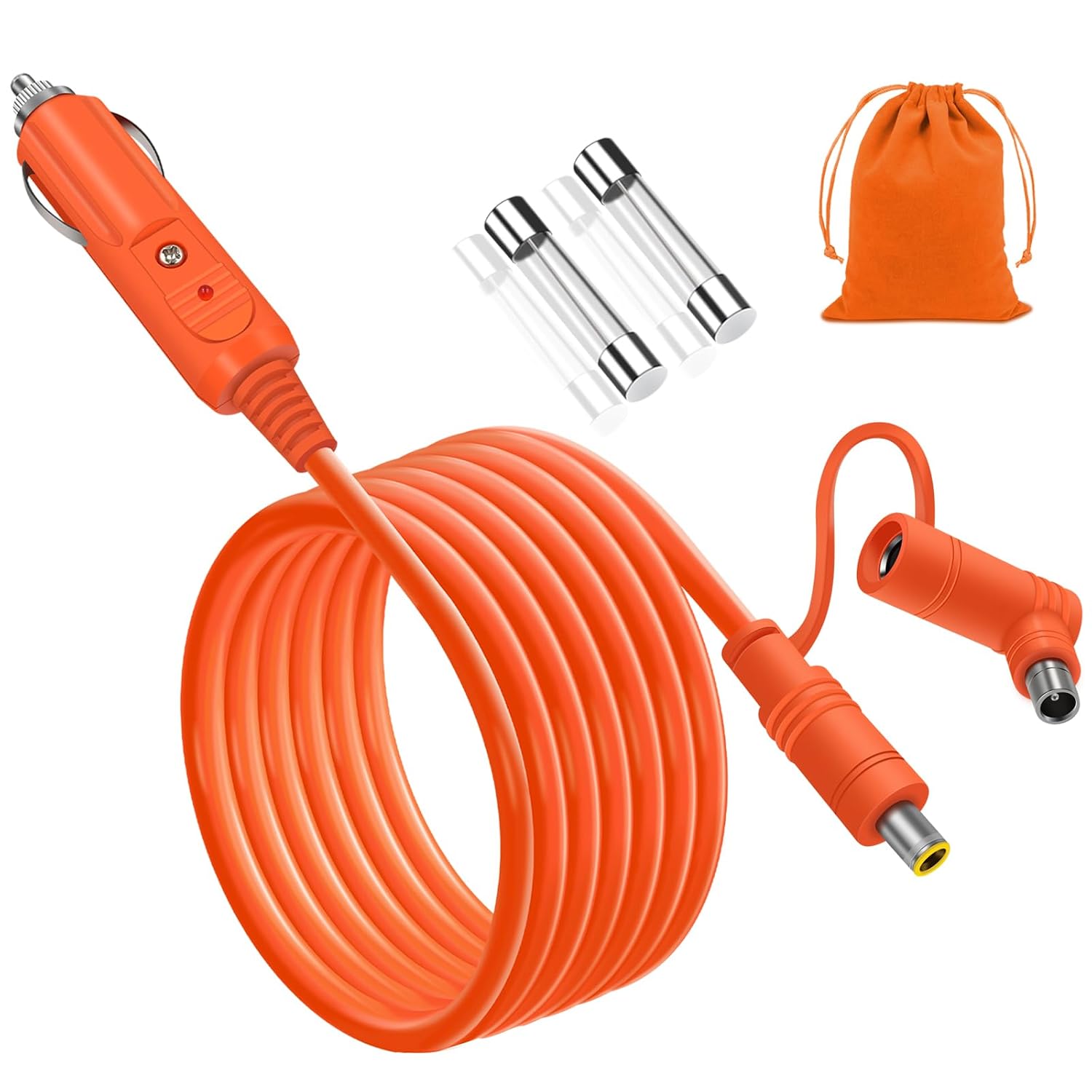
YEZriler 14AWG 2M/6.6FT Car Charging Cable for Jackery Portable Power Station Explorer 3000 2000 1500 1000 880 550 500 300 290 240 160 Cigarette Lighter Charger DC Adapter Cord with DC7909/8020 Plug
A 14AWG car charging cable, 2m / 6.6ft, with DC7909 and DC8020 plugs and a cigarette lighter adapter. Listed for Jackery Explorer models from the 160 up to the 3000.
Visit on Amazon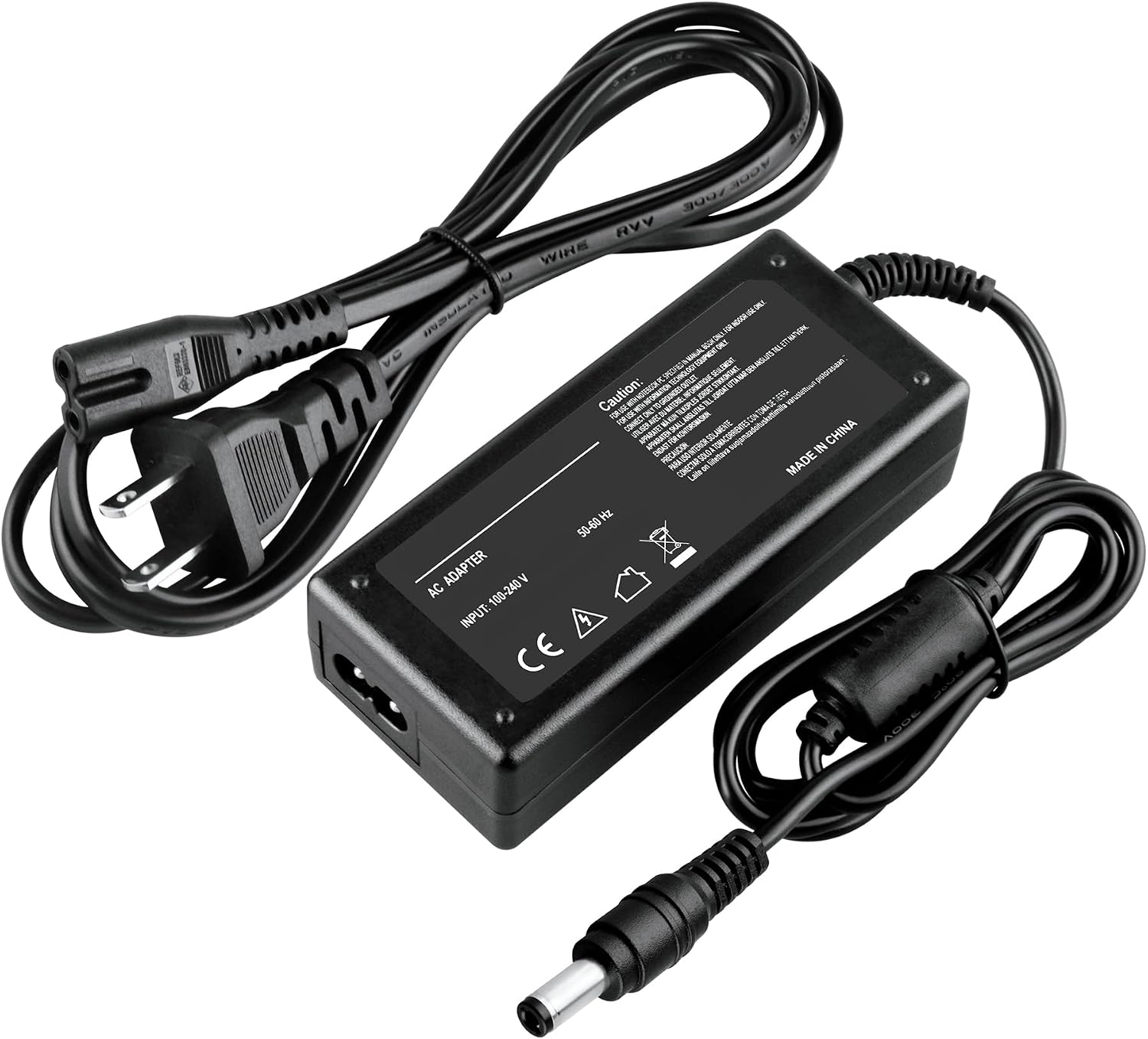
15V AC/DC Adapter Compatible with GRECELL T300 300W (Peak 600W) Portable Power Station Generator 288Wh 78000mAh FJ-SW20171504000D 15V 4A 60W Power Supply Cable Charger
A 15V 4A 60W AC/DC power supply listed as compatible with the GRECELL T300 300W (peak 600W) 288Wh station. A replacement charging path for one specific model line, not a universal adapter.
Visit on Amazon![SOKIOVOLA [Upgraded] Foldable Solar Panels 50W Portable Solar Panel Charger 3 Output Ports (USB-A USB-C DC) Folding Solar Panel for Camping Hiking RV Outdoor Activities](/images/products/B0FCXZRC5T.jpg)
SOKIOVOLA [Upgraded] Foldable Solar Panels 50W Portable Solar Panel Charger 3 Output Ports (USB-A USB-C DC) Folding Solar Panel for Camping Hiking RV Outdoor Activities
Check current Amazon price
A 50W folding solar panel with three output ports: USB-A, USB-C, and DC. Built for camping, hiking, and RV use as a top-up charger rather than a fast refill.
Visit on AmazonPrices and availability may change. Check the retailer for current details.
How these products were compared
This guide compares usable capacity in watt-hours, continuous AC output rating, charging and output ports, connector and adapter compatibility, and whether a listing is a single unit or a bundle. Product names, images, and retailer links are matched by product identifier so that every card points to the product shown.
The descriptions here come from manufacturer listings and the physical facts those listings state: capacity, wattage, plug types, and included accessories. No discharge curves, runtime measurements, or durability results are claimed, and none should be assumed. Where a number is a peak rating rather than a sustained one, it is called out, because that distinction is the single most common source of disappointment in this category. A station rated at 300W with a 600W peak figure will not run a 600W load continuously, and a capacity figure says nothing about how long a specific device will last until you do the arithmetic yourself.
How to choose the right portable power station
Start with watt-hours, not watts. A station rated at 300W tells you the size of the inverter, not how long anything runs. Add up the draw of the devices you actually want to run, multiply by the hours you need, and compare that number to capacity. A phone and a laptop for a weekend is a small job. A fridge, a modem, and a CPAP machine through a multi-day outage is a different one, and the 1024Wh class is where that job starts to become realistic.
Then look at how the unit charges, because that determines whether it stays useful. Options in this group include a standard AC cable, a 12V car charging cable with DC7909 and DC8020 plugs, a dedicated 15V adapter for one specific model line, and folding solar panels. Car charging is the slowest path and the one most people lean on during travel, so confirm the plug size before assuming a cable will fit. Solar is the most variable: a 50W folding panel is a top-up tool, not a fast charger, and it needs decent sun and a favorable angle to produce anything close to its rating. For a deeper look at the sizing math, see our guide to watt-hours versus watts.
Finally, decide whether you need one device or two. A station is portable by definition, which means it leaves the house when you do. A UPS stays put and covers the equipment that cannot tolerate a restart. The bundle in this guide exists precisely because those two jobs are different, and buying one product to do both usually means compromising on one of them.
BLUETTI Elite 100 V2 Portable Power Station with AC Cable 1024Wh 1800W
This is the anchor of the group. The listing states 1024Wh of capacity, an 1800W AC output rating, and an AC charging cable in the box. That combination covers workloads the smaller stations here cannot: a laptop and monitor setup for a full workday, a full-size fridge for a shorter window, or a run of small loads spread across a weekend in a van. The included AC cable also means the unit is ready to charge from a wall outlet without a separate purchase, which is not true of every station on the market.
The trade-off is size and weight. A 1024Wh station is a two-hand carry, and it occupies real shelf or van space. If your actual loads are phones, tablets, and a few lights, this is more capacity than the job requires, and the 300W station below will do the same work with far less bulk. Buying capacity you never discharge is the most common mistake in this category, and it is an expensive one.
Alternatives to consider
The APC UPS and Solar Generator Power Bundle, 600VA UPS for the home/office; and 500W Portable Power Station for off-grid living (BE600M1, PPS500) is better suited to a desk or home office that needs uninterrupted power plus a second, lighter station for off-grid trips, while the Portable Solar Generator 300W Portable Power Station with 60W Solar Panel is a stronger fit when the loads are small and you want solar charging included in a single purchase rather than assembled from parts.
The YEZriler 14AWG 2M/6.6FT Car Charging Cable for Jackery Portable Power Station Explorer 3000 2000 1500 1000 880 550 500 300 290 240 160 Cigarette Lighter Charger DC Adapter Cord with DC7909/8020 Plug, the 15V AC/DC Adapter Compatible with GRECELL T300 300W (Peak 600W) Portable Power Station Generator 288Wh 78000mAh FJ-SW20171504000D 15V 4A 60W Power Supply Cable Charger, and the SOKIOVOLA [Upgraded] Foldable Solar Panels 50W Portable Solar Panel Charger 3 Output Ports (USB-A USB-C DC) Folding Solar Panel for Camping Hiking RV Outdoor Activities cover the parts that decide whether an existing station is actually usable away from a wall outlet: a 14AWG car cable listed for the Jackery Explorer line from the 160 up to the 3000 with DC7909 and DC8020 plugs, a 15V 4A 60W adapter listed as compatible with the GRECELL T300 300W (peak 600W) 288Wh unit, and a 50W folding panel with USB-A, USB-C, and DC outputs. None of these will refill a large station quickly on their own, but each one restores a charging path that a missing or mismatched cable takes away.
Day-to-day use and maintenance
Store a station in a dry, moderate spot. Heat is the enemy of cycle life, so a van parked in full summer sun is a poor home for any battery, and a cold garage slows charging until the pack warms up. Charge before long storage rather than after, and do not leave a unit sitting at zero for months at a time.
Match every accessory to the exact model. Plug sizes are not universal, and the DC7909 and DC8020 plugs in this group are a good example: they look similar, they fit different inputs, and a cable that lists one family of stations will not necessarily serve another. The same caution applies to the 15V adapter, which is listed for one specific 288Wh unit and should not be treated as a general purpose supply. Any adapter must match both voltage and polarity, and getting that wrong can damage a station that was otherwise fine.
For solar, keep expectations calibrated. A 50W folding panel produces its rating under good conditions and considerably less in shade, haze, or at a flat angle. Treat it as a maintenance charger that keeps a station topped up between larger charges, not as the primary way to refill a 1024Wh battery. If solar is your main plan, panel wattage should be sized to the station's input limits and to how much daylight you realistically get.
Buying checklist
- Measure the shelf, cabinet, or van compartment where the unit will live, and decide what weight you are willing to carry.
- Choose capacity in watt-hours from your normal loads, not from an occasional edge case.
- Confirm the exact model includes the charging cable you need, or plan to buy the right one separately.
- Check plug sizes and adapter voltage before ordering any third-party cable or supply.
- Read the storage and maintenance instructions for the specific unit rather than assuming they are generic.
- Verify the current retailer price, availability, and return terms before ordering.
Final recommendation
Choose the BLUETTI Elite 100 V2 Portable Power Station with AC Cable 1024Wh 1800W when you want one station that covers workday electronics, a van weekend, and short home outages, and you are willing to carry the weight that capacity brings. Choose the APC UPS and Solar Generator Power Bundle, 600VA UPS for the home/office; and 500W Portable Power Station for off-grid living (BE600M1, PPS500) when the desk needs a UPS and the off-grid trips need a lighter station. If you already own a station, the practical purchase is usually the cable, adapter, or panel that closes a gap in how you charge it. Where two products here do not differ in any way that matters to your loads, there is no reason to pay for the difference.