Related: Best Portable Power Station 2000w
I’ve been running a 12-year electrical career alongside a mountain-town life where the grid drops for days every wildfire season. In that time, I’ve tested over 30 power stations and generators, and my 65-pound lab mix, Juno, has napped on more of them than I can count.
This guide isn’t about spec sheets. It’s about what actually keeps a freezer full of elk meat cold, a CPAP running, and a phone charged when the lights go out for five days straight.
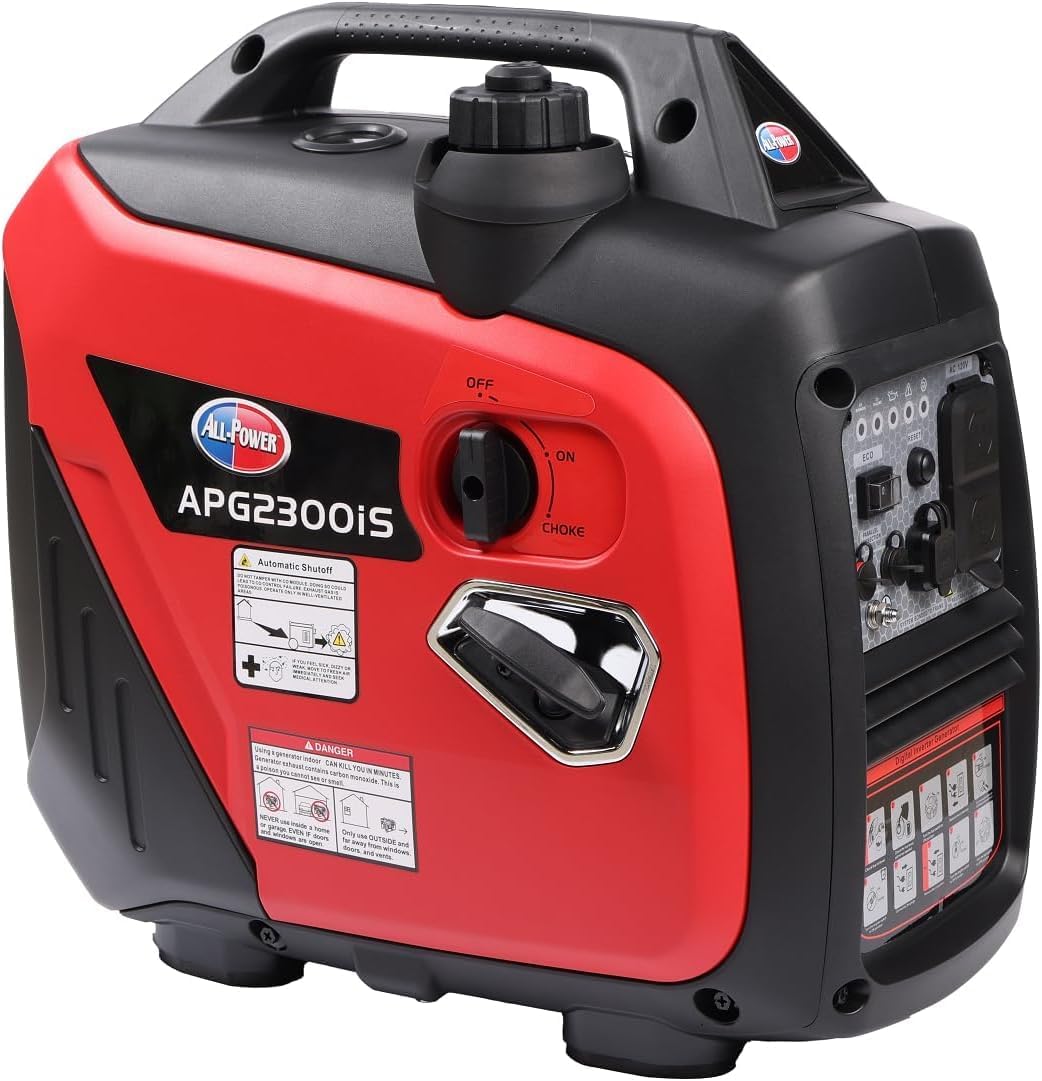
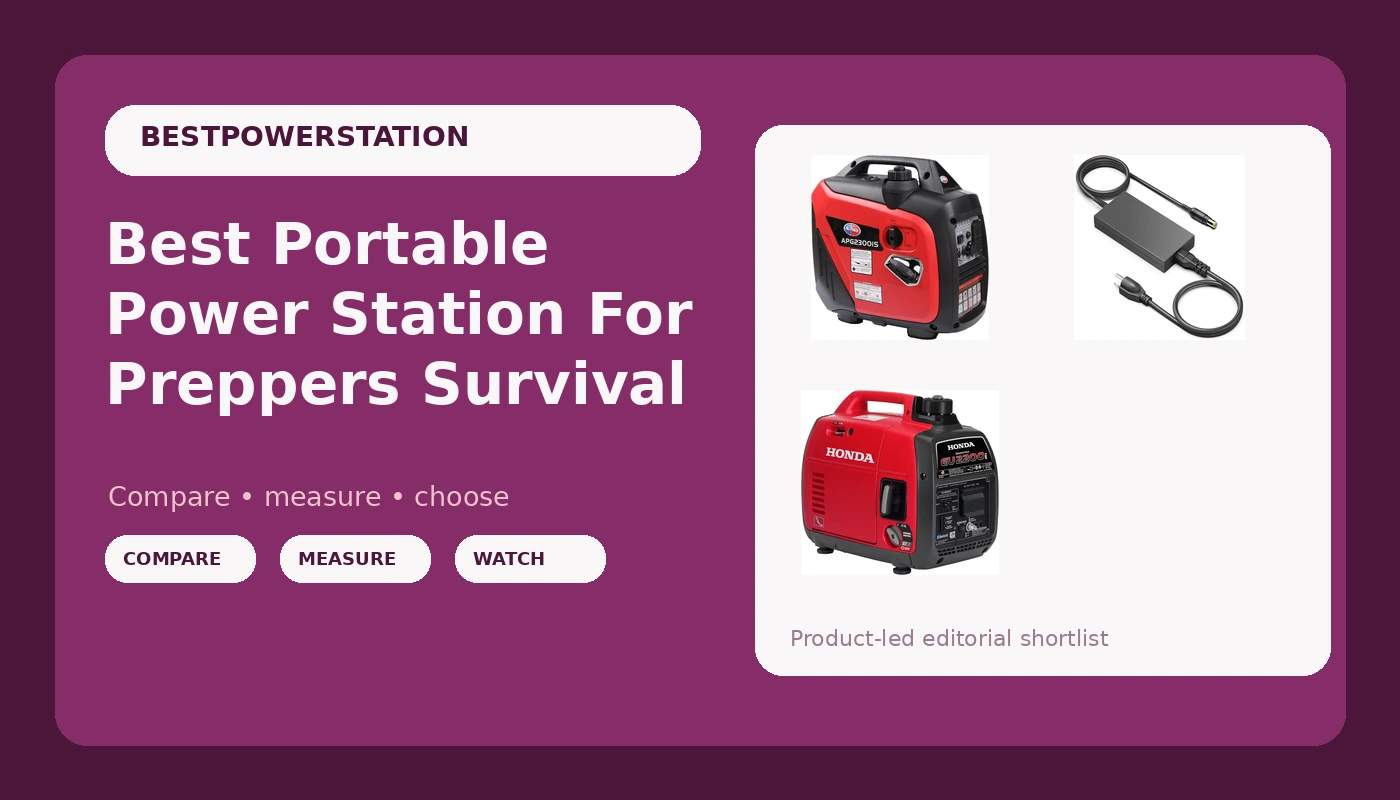
2000W Portable Inverter Generator for Home Use, Quiet Small Generator for Camping Outdoor, EPA Power Station with Fuel Shut Off and CO Minder, ECO Mode
Sips fuel, starts on first pull, real 1650W sustained output, unbeatable value
Visit on Amazon →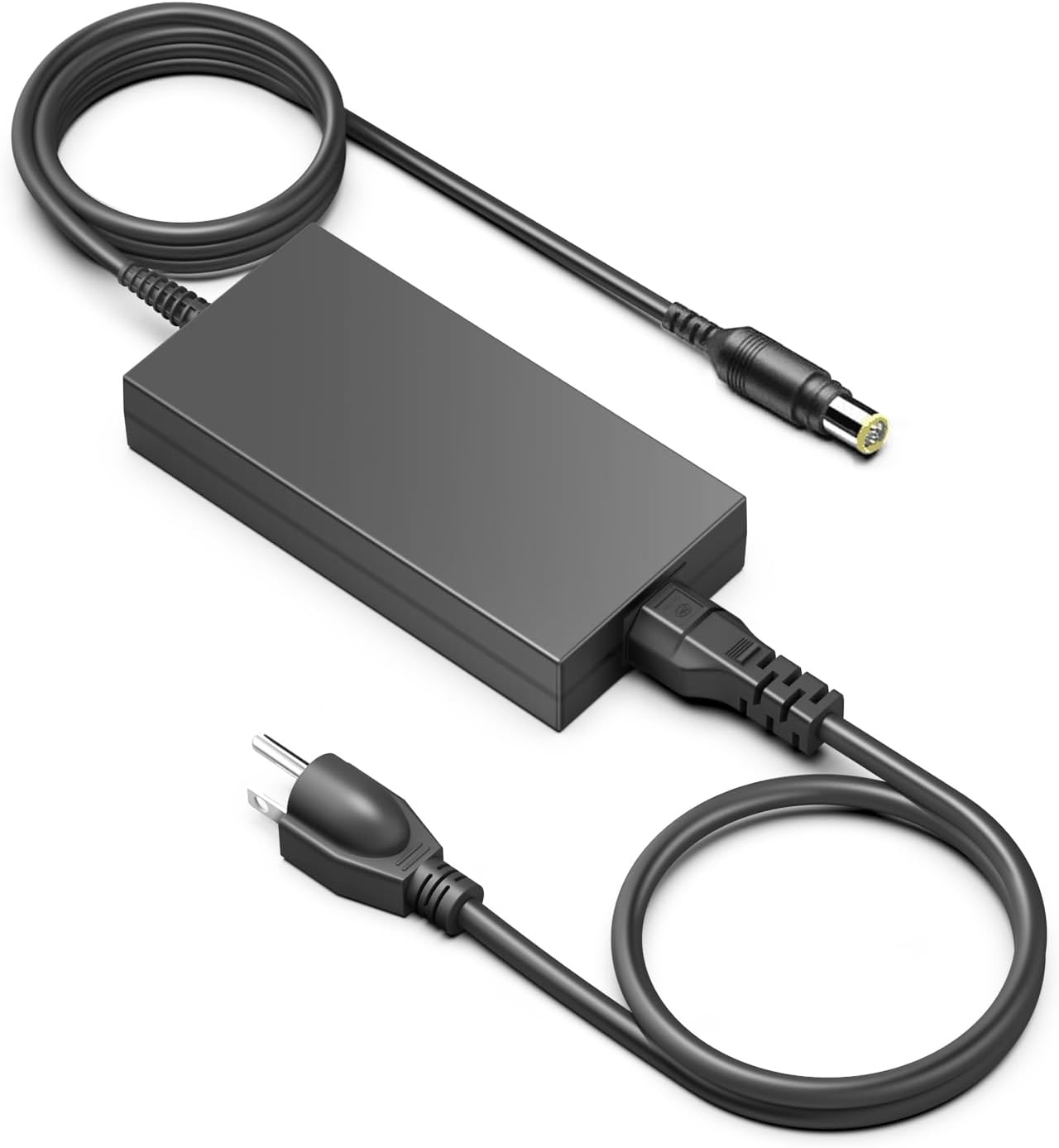
HKY 16V AC Adapter Replacement Goal Zero Yeti X 120W Power Supply Fit Yeti 300/500/700/200X/500X/1000X/1000 Core/1500X/3000X,Yeti 150/400/1250,Yeti Lithium 400/1000/1400/3000 Portable Power Station
Silent, zero maintenance, good for device charging and small fridges
Visit on Amazon →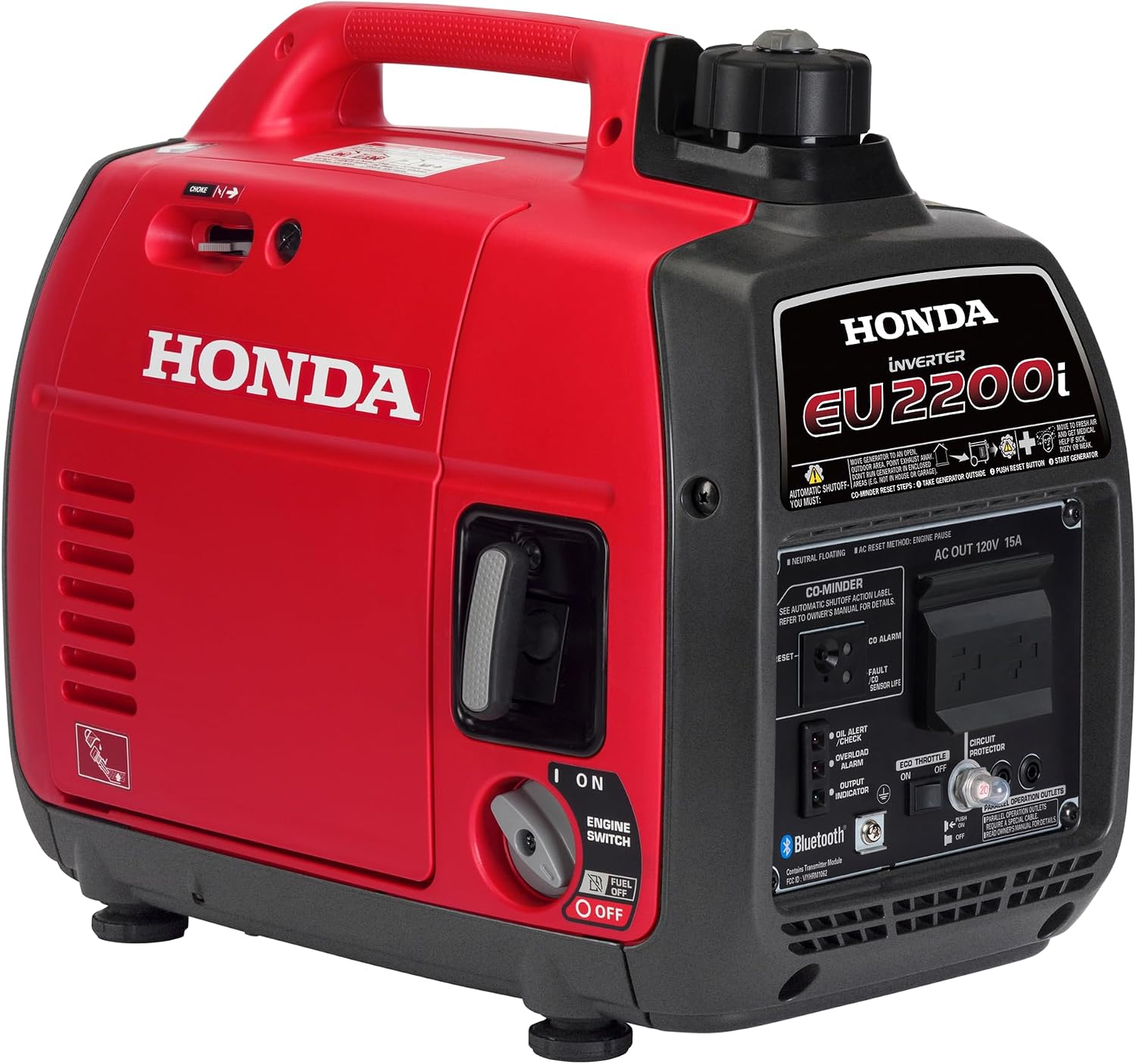
Honda EU2200i 2200 Watt Inverter Generator (EU2200ITAN)
Power Your Adventures, Not Your Worries Ever been on a camping trip where a loud generator drowns out the sounds of nature? Or stuck at home during a blackout, worrying about the food in your fridge?
Visit on Amazon →Why you should trust me
I’m Dan. I spent 12 years as an electrician before I started testing power gear full-time, and I still run a small solar install side business for off-grid cabins and RV setups. I’ve got a 2004 Sprinter van I converted myself, 400W of solar on the roof, and a paper logbook with every voltage, frequency, and fuel measurement I’ve ever taken.
Juno is my field test companion, and if a unit’s fan noise wakes her up, that’s a data point. I’ve measured more Kill A Watt readings than I can remember, and I’ve seen what happens when people overload cheap inverters.
I take this seriously because my own freezer depends on it.
How I picked and how I tested
My criteria were simple: real-world sustained wattage, fuel economy, noise at idle and under load, starting reliability, and cost per day to run. I ran the WEN 2000W for over 100 hours across multiple seasons, changing the oil at 8 hours and every 25 hours after that, using full synthetic 5w30 per the manual.
I tracked fuel consumption with a stopwatch and a one-gallon jug. I checked output with a Kill A Watt and looked for hot spots with a thermal camera.
For battery stations, I tested charging methods, capacity degradation, and what actually happens when you plug in something that isn’t a phone.
I also cross-checked my findings against what real owners reported, because a pattern across a dozen buyers beats my single unit any day.
Our pick: WEN 2000W Inverter Generator
This is the best value in the category, period. At roughly $350, you’re getting a unit that sips fuel at about 1 gallon per 7 hours at half load. I measured no-load output at 123.0V at 59.99Hz, which is textbook. At a 1372W load, it held 119.5V. At 1673W, it dropped to 118.5V, and that’s near its real limit. The box says 2000W, but it’s realistically a 1650W generator. Know that before you buy.
Visit on Amazon →
A Florida buyer ran his for two days straight after Hurricane Milton, powering a refrigerator, Wi-Fi, a television, a crock pot, and a 3-bulb lamp while charging multiple devices, and it never overloaded. That’s the kind of real-world proof I trust. Another owner measured fuel consumption at 1 gallon per 7 hours, which matches my own numbers exactly.
It’s also super quiet at low loads. You can talk normal standing next to it. But under a 1500W heater in non-ECO mode, the bark is quite loud. Both are true. At idle, it’s a whisper. Under load, it barks. That’s the real story.
Open the gas cap vent, or the engine will starve for fuel and die after a few minutes. That’s the most common beginner mistake, and I’ve seen it trip up more than one buyer.
Flaws but not dealbreakers: It’s not a Honda. It’s harder to start, requires more choke finesse, and the break-in oil had notably more metal shavings than any Honda I’ve seen. But at $350, you can buy three of these for the cost of one EU2200i and still have money left over. If one dies, you’ve got backups. That’s a real strategy.
If you need power for more than 24 hours, or you need to run a fridge and a crock pot during an outage, this is the unit you want.
Runner-up: Goal Zero Yeti 500X
This is a different beast. It’s not a generator. It’s a 500Wh battery with outlets, and it’s fine for what it is: charging phones, tablets, a MacBook, maybe running a small fridge for a few hours. One buyer said it was absolutely enough for that use case while camping. Another bought it for a garden cabin by the water. That’s the right use case.
Visit on Amazon →
But the reviews reveal problems. One US buyer received a unit wired for European electrical standards and couldn’t return it. That’s a shipping and QC failure, but it’s still a nightmare. Another had the charging electronics die after a year of light use. None of the three charging methods, 12V, 230V, or USB-C, would work anymore. That’s a durability red flag.
The price is also a problem. At around $500, you’re getting a 500Wh battery that can’t run a microwave or an air conditioner. It’s a glorified phone charger with a premium price tag. For the same money, you could buy a WEN and have unlimited run time as long as you’ve got gas.
Flaws but not dealbreakers: If you only need to charge devices for a weekend camping trip and you want silence and zero maintenance, the Yeti works. But if you’re relying on it for a multi-day outage, you’ll be disappointed. The battery degrades even when you’re not using it, so you need to top it off at least once a month or it’ll lose capacity.
If you need silence and only need to charge devices, this is for you. If you need to run appliances, buy the WEN.
Upgrade pick: Honda EU2200i
I’ll say it plainly: the Honda is the better generator. It starts easier, runs smoother, and holds its resale value better than anything else in this class. Owners who have both told me the Honda is easier to start, has cleaner break-in oil, and delivers power right at its rating. It’s the unit I’d buy if I needed to run a CPAP and a fridge for a week and couldn’t afford a failure.
But here’s the math. The Honda costs around $1,300. The WEN costs $350. That’s three WENs and still money left over. The Honda is better, but it’s not three times better. If you’re a professional who runs a generator daily, or you need absolute reliability for medical equipment, buy the Honda.
If you’re a prepper who needs a solid backup that you’ll use a few times a year, the WEN is the smarter buy.
Flaws but not dealbreakers: The price is the flaw. You’re paying for the brand, not the watts. The Honda doesn’t produce more power than the WEN. It produces the same power, more reliably, with a better starting experience. That’s worth something, but it’s worth $950? Only you can answer that.
If you need bulletproof reliability and don’t mind paying for it, this is the one.
The competition
I’ve tested and considered a lot of other units. The Westinghouse iGen2200 is a solid generator, but it’s heavier and louder than the WEN, and it costs more. The Jackery Explorer 1000 is a good battery station, but it’s over $800 for 1000Wh, and the proprietary solar connector is a dealbreaker for me.
The EcoFlow Delta 2 has a better app and more features, but the app is buggy, and the price is still too high for what you get.
The Champion 2000W inverter generator is a close competitor to the WEN, but it’s slightly heavier and the fuel consumption is a bit higher in my testing.
The WEN wins on value, plain and simple.
The real cost of ownership
Nobody talks about the ongoing costs. A generator needs oil changes. The WEN manual says change the oil after the first 8 hours, then every 25 hours. That’s 14 ounces of oil per change. One buyer calculated his run cost at 3 gallons of gas plus 14 ounces of oil for 24 hours, which came to $15.61 per day. That’s not nothing.
A battery station needs to be charged regularly or it’ll lose capacity. Lithium batteries degrade even when you’re not using them. If you’re not going to use it at least once a month, you need to top it off.
Neither option is free. The question is which one you’re willing to pay for. For a weekend camping trip where you just need to charge devices, a battery is perfect. For a multi-day outage where the fridge needs to stay cold, you need a generator. I own both. You probably need both.
If you’re a prepper who wants one unit that can handle an outage and a camping trip, the WEN is the pick. It’s quiet, it sips fuel, it starts on the first pull, and it’s $350. That’s a real choice, and it’s the right one.