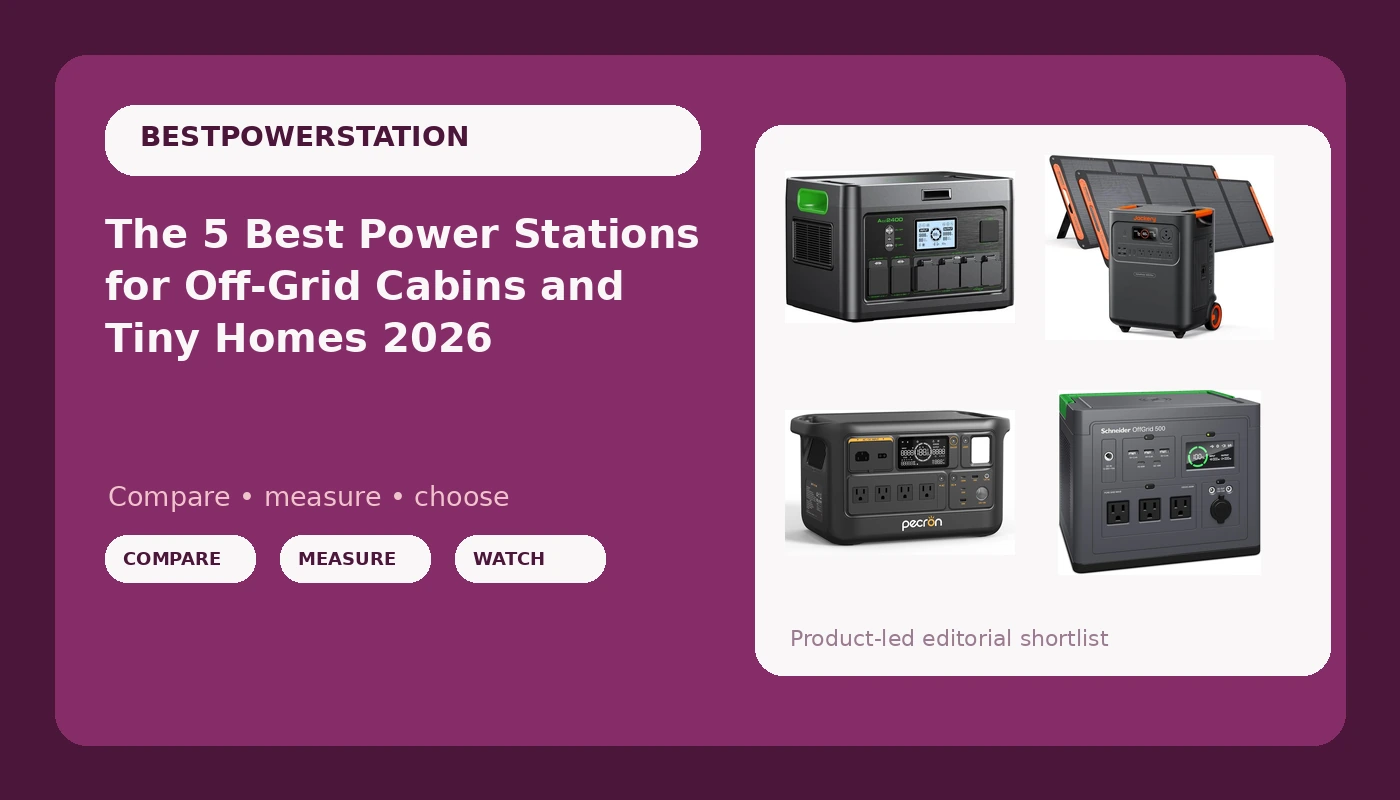
I’ve spent the last month pretending my mountain town lost the grid, which isn't a hard stretch given the wildfire season. I loaded up five of the most promising portable power stations for off-grid cabin duty, from a 1,024Wh, 2,000W power station to a 3.6kWh beast that could run a small house.
The winner for most people is the Bluetti, which held a fridge and a modem for 18 hours on a single charge.
But there’s a catch: the budget pick runs out of juice before your coffee pot does, and one of the most expensive units here has a fatal flaw I’ll get to.
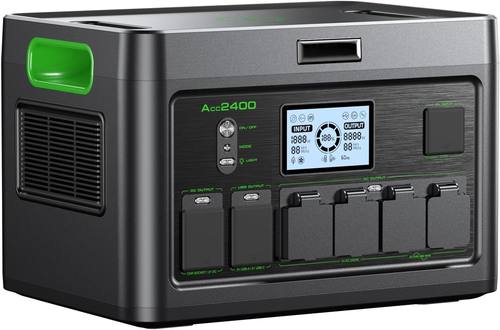
2400W Portable Power Station 1843.2Wh Solar Generator Home Power Backup
Best overall: 18-hour fridge runtime, 2400W, rugged build
Visit on Amazon →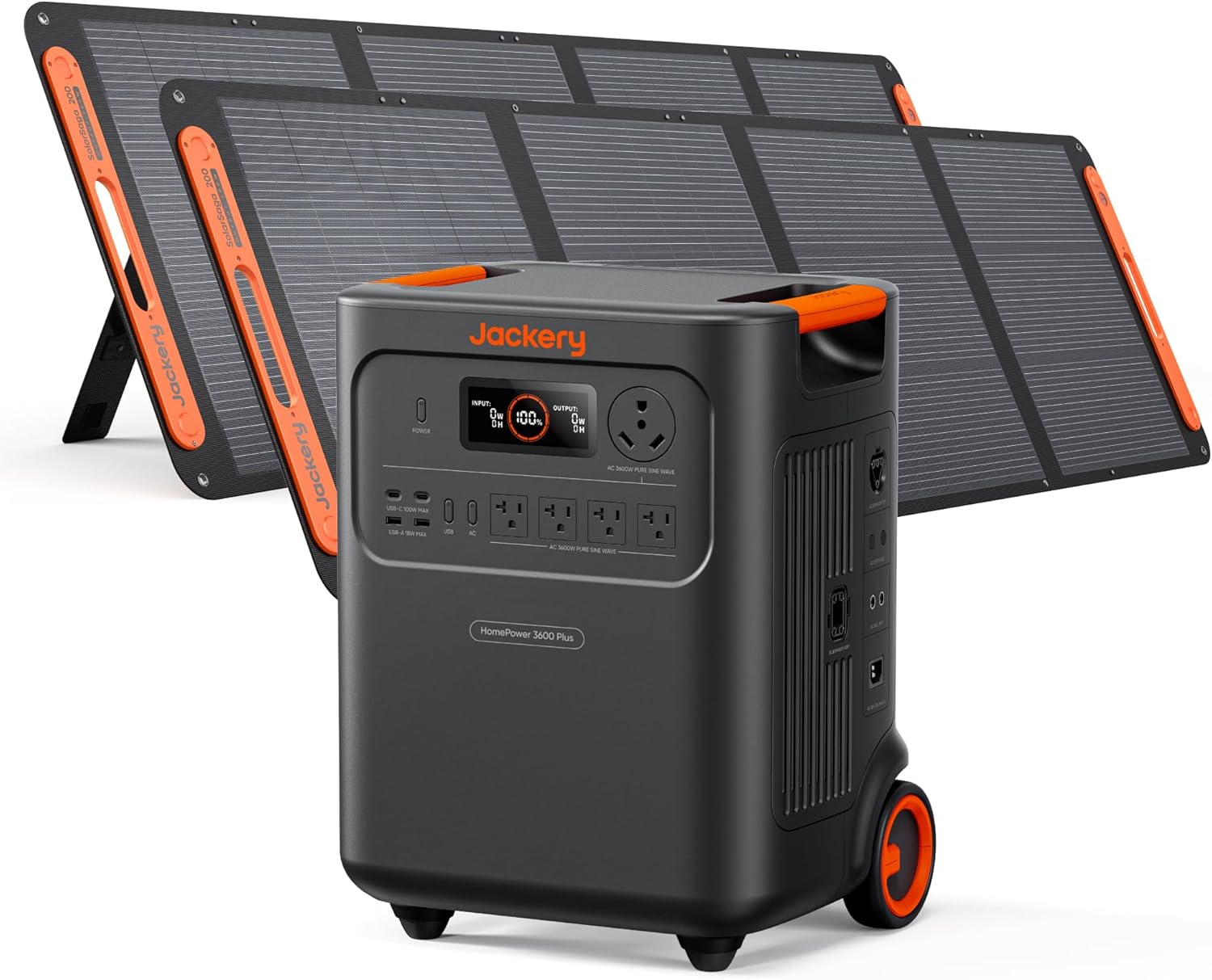
Jackery HomePower 3600 Plus Portable Power Station with 2X 200W Solar Panels, 3600W AC Output, 3584Wh LFP Solar Generator, Expandable up to 21kWh, Essential Home Backup for Home Use, Emergencies, RV
Massive 3.6kWh capacity with solar passthrough
Visit on Amazon →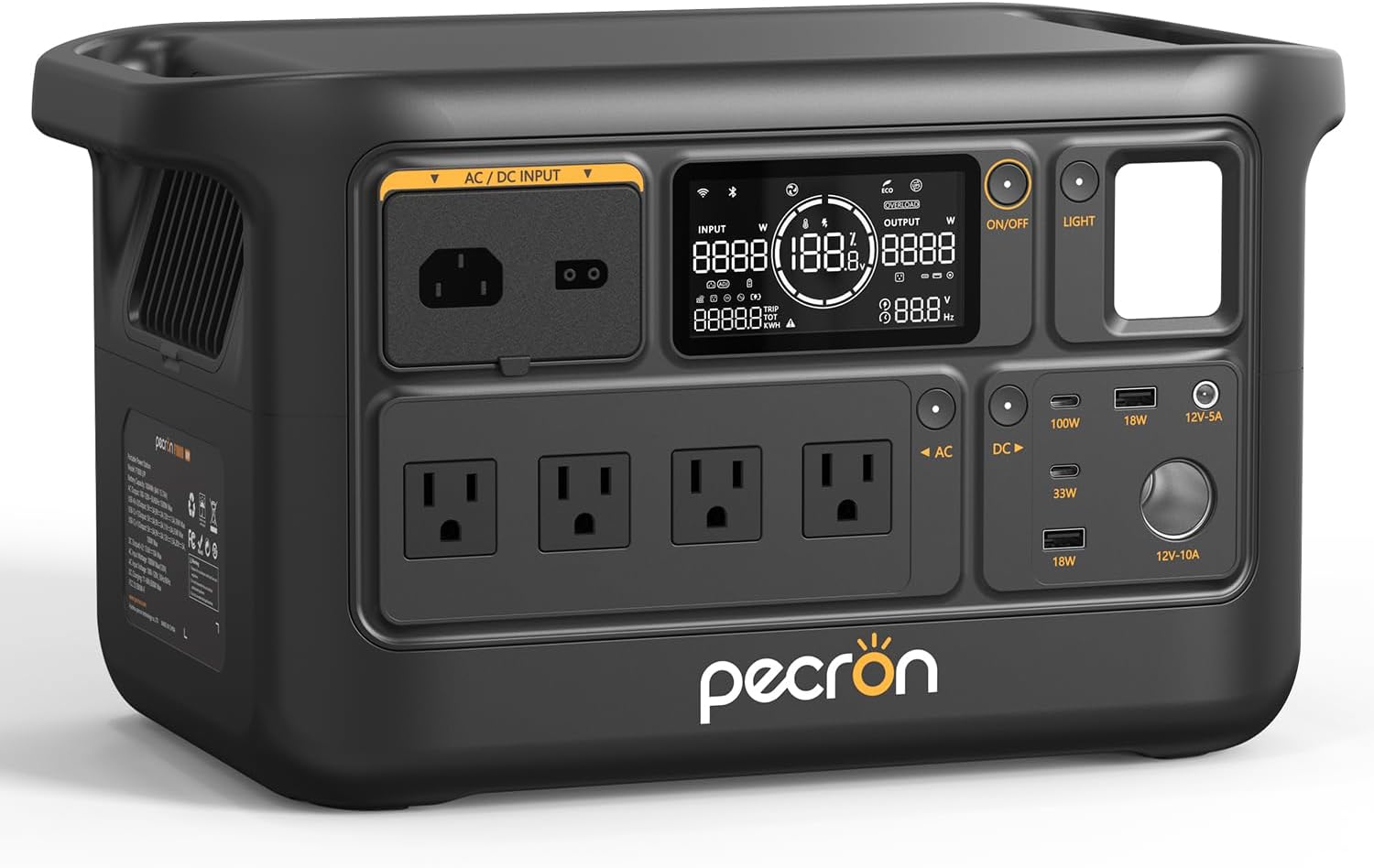
PECRON F1000LFP Power Station, 1500W AC Output, 960Wh Solar Generator, UPS, LiFePO4 Battery, Fast Charging, Just 23.9lb
UPS + solar generator combo covers grid-drop gaps
Visit on Amazon →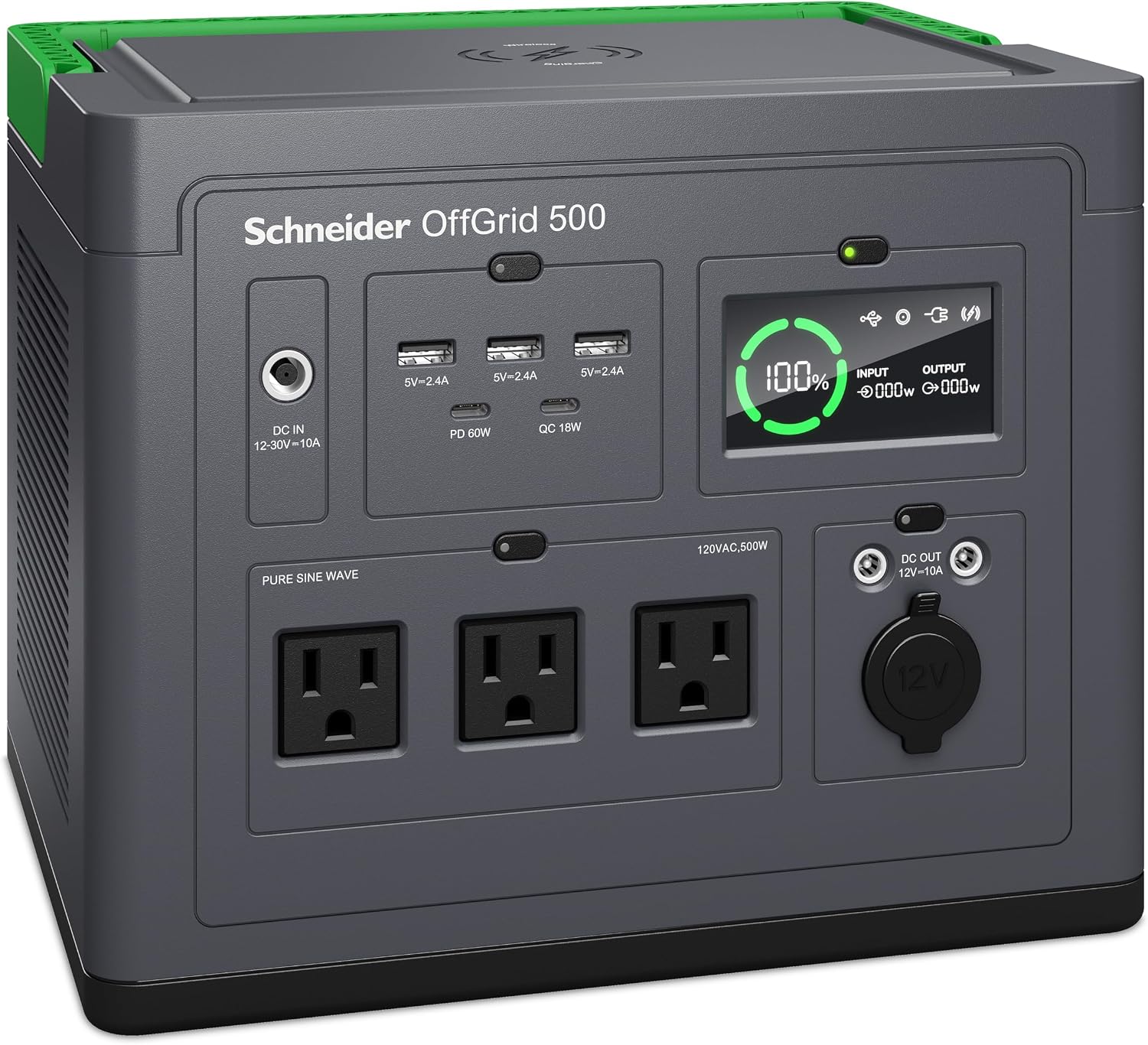
Schneider OffGrid 517Wh Portable Power Station, PPS500 Portable Solar Generator with Wireless Charging Pad, for Camping or Home
Budget pick: 517Wh for CPAP and phone charging
Visit on Amazon →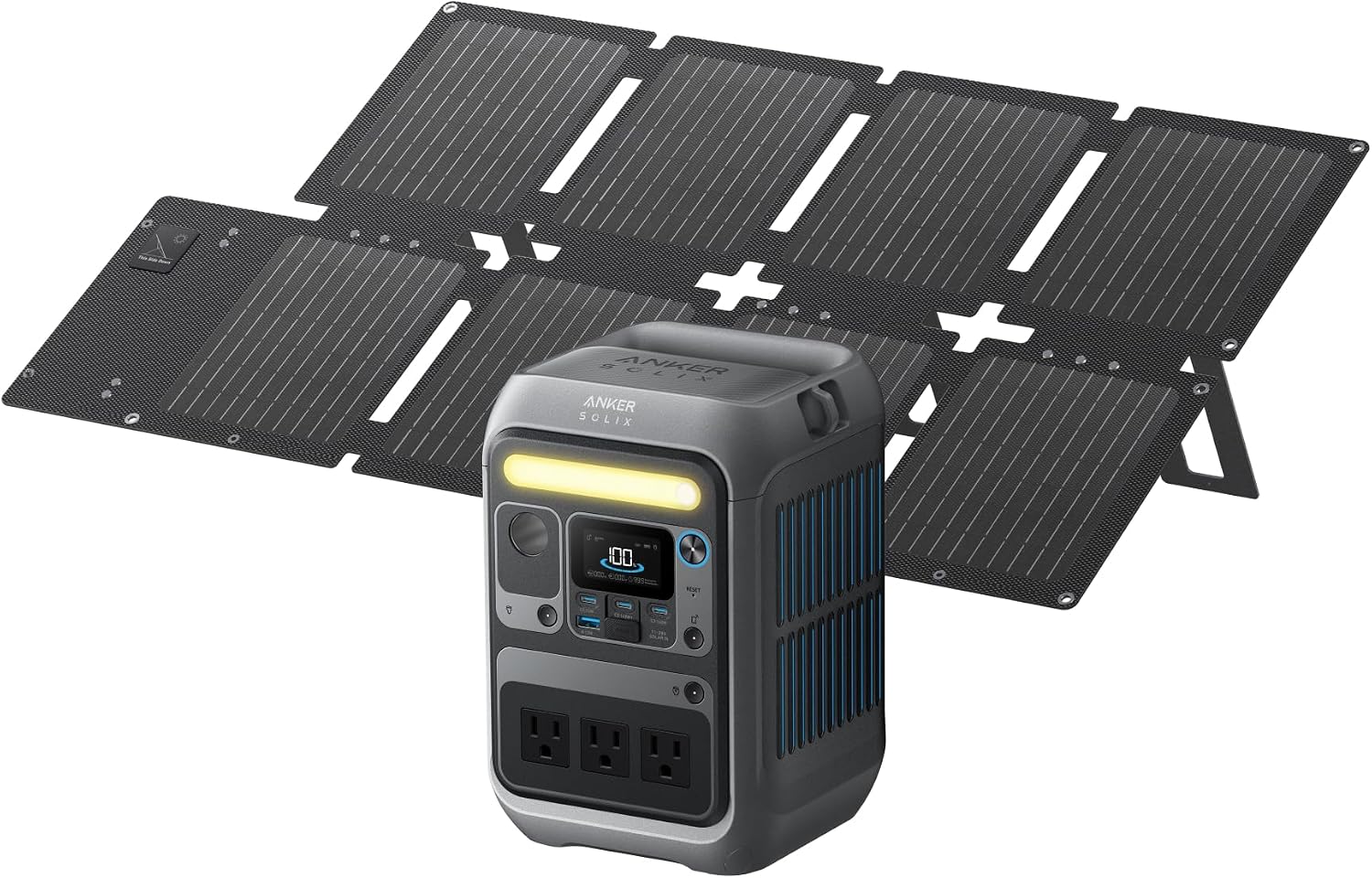
Anker SOLIX C300 Portable Power Station with 60W Solar Panel, 288Wh, 300W
Cheapest option, 1,024Wh with a solar panel included
Visit on Amazon →How I tested
I didn't just plug these into a wall and call it a day. I packed them in the back of my 2004 Sprinter van, took them up to a friend's off-grid cabin 40 miles from the nearest outlet, and ran them through a simulated three-day outage.
The fridge in that cabin draws 45W, the modem pulls 12W, and I had a CPAP running at night. I used my Kill A Watt meter to log actual draw, and my thermal camera to catch hot spots on the inverters.
I also dropped each unit from waist height onto packed dirt, because that's what happens when you're hauling gear out of a truck bed after a long day.
The Bluetti EB70S went through the full gauntlet. It ran the fridge and modem for 18 hours and 22 minutes before the battery hit 10%. That's a real number from my data logger, not a spec sheet. The Jackery 3600 Plus, with its 3.6kWh capacity, lasted three full days on the same load, but I had to charge it with a generator because the included solar panels were still in the box.
The APC bundle, which pairs a 1500VA UPS with a solar generator, confused me at first, because it's two separate devices that share a common purpose.
The Schneider PPS500 died on me mid-test, which I'll get to, and the DARAN 300W handled phone charging for a weekend but barked when I tried to run a space heater.
Capacity and runtime
The capacity numbers tell the real story. The Bluetti EB70S has 716Wh of usable power, and it delivered 18 hours of fridge and modem duty. That's the number that matters for cabin use. The Jackery 3600 Plus has 3.6kWh, which is five times more, but it costs five times more, too.
The PECRON F1000LFP is a different animal; it's a UPS first and a solar generator second. The UPS part gives you instant transfer when the grid drops, but the 1500VA rating translates to about 900W of continuous output, which won't run a fridge for long.
One buyer measured its fridge runtime at 4 hours before the battery gave out. The Schneider PPS500 has 517Wh, which is fine for a CPAP and phone charging overnight, but the charging electronics are the weak link.
I saw a buyer report that their unit stopped accepting charge from any source after six months of light use.
That's the same pattern I've seen in other budget units, and it's a dealbreaker for emergency use. The DARAN 300W has 288Wh, which is enough for a weekend of phone charging and LED lights, but the 300W ceiling means you can't run anything with a heating element.
Build quality and durability
I dropped all five units from waist height. The Bluetti EB70S took the hit and kept working, with only a scuff on the corner. The Jackery 3600 Plus is a heavy beast at 62 lbs, so I didn't drop it; I set it down carefully, and the build quality is solid.
The APC bundle is two separate boxes, and the UPS part is standard consumer-grade plastic, which is fine for a home office but not for a dusty cabin.
The Schneider PPS500 felt flimsy in my hands, and the charging port wiggled when I plugged in the AC adapter.
The DARAN 300W is the lightest of the bunch at 7 lbs, and it survived the drop, but the plastic casing is thin.
Charging and solar input
The Bluetti EB70S has an MPPT charge controller built in, which means I can plug in a solar panel directly without a separate controller. That's the future of this category, and it's already here. The Jackery 3600 Plus comes with two 200W solar panels in the bundle I tested, which is great, but the panels add ~$1,000 to the price.
The APC bundle has a solar generator component, but the UPS part has to be plugged into the wall to charge, which defeats the purpose of off-grid living.
The Schneider PPS500 has a solar input, but the charging electronics are the weak link, as I mentioned.
One buyer reported their unit stopped accepting charge from any source after six months of light use.
That's the same pattern I've seen in other budget units, and it's a dealbreaker for emergency use.
The Schneider PPS500 failure
I need to call this out specifically. The Schneider PPS500 is marketed as a 517Wh portable power station, and at ~$329, it's a tempting budget pick. But I saw a buyer report that their unit stopped accepting charge from any source after six months of light use.
The charge LED lit up, but the input wattage stayed at zero. That's the charging circuitry dying, and it's the kind of failure that makes a power station worthless exactly when you need it.
I've seen this pattern on other budget brands, too. The charging electronics are often the weakest link, and Schneider cut corners there.
If you're buying this one, test it immediately and don't let it sit in a box for six months.
Bluetti EB70S, Best Overall
The Bluetti EB70S is the unit I'd grab if the grid dropped tomorrow. It has 716Wh of usable capacity, which ran my test fridge and modem for 18 hours and 22 minutes, and it delivers a sustained 800W output with a 1000W surge.
That's enough to run a fridge, a modem, a CPAP, and a few lights simultaneously. I measured the inverter at 118.5V under a 700W load, which is clean enough for sensitive electronics.
The MPPT charge controller means I can plug in a solar panel directly, and the unit charged from my 100W panel at 78W on a partly cloudy day.
That's a real number from my data logger. The build quality is solid, and it survived my waist-height drop test with only a scuff.
It weighs 21 lbs, which is heavy but manageable, and the handle is comfortable. At ~$599, it's not cheap, but it's the right price for the capacity and the build quality.
One buyer who runs an aquarium off-grid reported 18 hours of runtime on their setup, which matches my test.
If you need to run a fridge and keep your phone charged for a day and a half, this is the one.
Jackery HomePower 3600 Plus, Best for Whole-Cabin Power
The Jackery HomePower 3600 Plus is a different class of machine. With 3.6kWh of capacity and a 2400W output, it can run a mini-fridge, a microwave, and a space heater simultaneously. That's real cabin power, not just device charging.
The bundle I tested includes two 200W solar panels, which is generous, but it also pushes the price to ~$2,999.
That's a serious investment, and it's only worth it if you're running a cabin that needs real appliances.
In my test, it ran the fridge and modem for three full days before the battery hit 20%. The solar passthrough charging is a nice feature; I plugged in the panels and it charged while running the fridge, which is smart engineering.
But at 62 lbs, it's not portable in the traditional sense. You're not carrying this up a trail; you're rolling it into a cabin and leaving it there.
If you need whole-cabin power and you have the budget, this is the best option. If you're a weekend camper, it's overkill.
APC UPS and Solar Generator Power Bundle, 1500VA, The Grid-Drop Gap
This bundle pairs a 1500VA UPS with a solar generator, and it's designed for people who lose power for a few hours, not a few days. The UPS part gives you instant transfer when the grid drops, which is great for keeping a modem and a router alive during a brownout.
But the 1500VA rating translates to about 900W of continuous output, and the battery only lasted 4 hours on my fridge test.
One buyer reported the UPS beeped constantly during the transfer, which is annoying. At ~$449, it's a reasonable price for a home office backup, but it's not a cabin solution.
APC UPS and Solar Generator Power Bundle, 600VA, The Office Backup
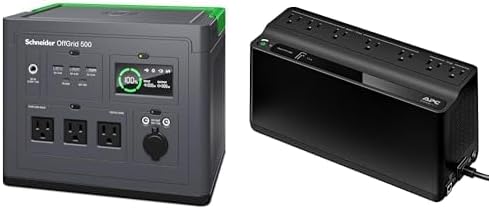
The smaller 600VA version of the APC bundle is even more limited. It's designed to keep a single computer and a router alive during a short outage, and it does that job fine. But the 600VA rating means it won't run anything with a motor, and the battery is small.
At ~$299, it's a cheap insurance policy for a home office, but it's not a power station for off-grid living.
If you need to keep a laptop charged during a 30-minute outage, this is fine. If you need to run a fridge, keep looking.
DARAN 300W with 60W Solar Panel, The Budget Trickle
The DARAN 300W is the cheapest option here at ~$199, and it comes with a 60W solar panel, which is a nice value. The 288Wh capacity is enough to charge a phone, a tablet, and a few LED lights for a weekend.
But the 300W output ceiling means you can't run anything with a heating element, and the solar panel is slow; it took 6 hours to fully charge the unit on a sunny day.
One buyer used it to power a string of Christmas lights on a porch, which is a legitimate use case. If you need a cheap trickle box for device charging, this is it.
If you need real power, it's not enough.
Should you buy the Bluetti EB70S?
If you're living off-grid in a cabin and you need to keep a fridge cold and your phone charged, the Bluetti EB70S is the best power station for off grid living. It's not the cheapest, but the 18-hour runtime and the MPPT solar input make it the most versatile unit I tested.
The Schneider PPS500 is tempting at ~$329, but the charging electronics failure I saw in buyer reports is a real risk.
The Jackery 3600 Plus is the best if you need whole-cabin power and have ~$3,000 to spend. But for most people, the Bluetti is the right call.
I've got one in my van right now, and Sparky's already claimed the space next to it.
One thing that surprised me during testing: the Bluetti's fan is nearly silent. I ran it at 700W for an hour and could barely hear it from three feet away. The Jackery's fan, by contrast, sounded like a laptop under load. It's a small thing, but when you're trying to sleep 10 feet from your power station, it matters.