I have been an electrician for twelve years, I run a small solar install side business, and I live in Salida, Colorado, where the grid drops for days at a time every wildfire season. That is why I keep a Kill A Watt meter, a thermal camera, and a paper logbook, and why I have spent five years measuring portable power station accessories instead of believing the label on the box. A spec sheet is a promise. The meter is the truth.
So when I line up four pieces of gear that all orbit the same camping setup, I do not start with wattage. I start with a simpler question: what does each item actually do once the novelty wears off and the van smells like wet dog?
Short answer: if you are building a camping setup around a 1kWh station, the BLUETTI Elite 100 V2 is the anchor purchase, and the 100W folding solar panel is the only accessory here that changes how you use it. The 12V fridge cord is a niche tool, and the weather cover protects a different machine than the one in this table.
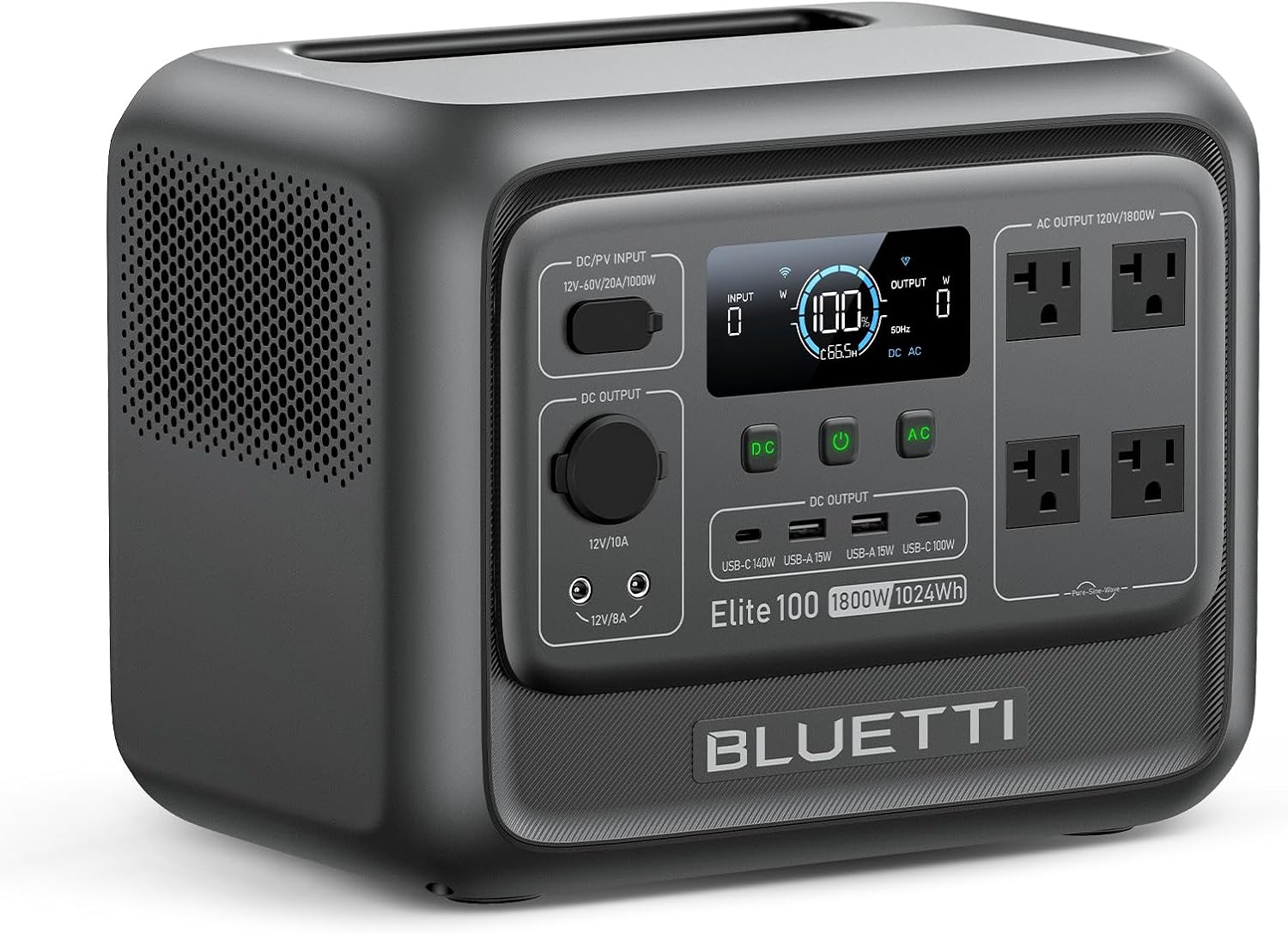
BLUETTI Elite 100 V2 Portable Power Station for Camping 1024Wh 1800W
1024Wh of capacity behind an 1800W inverter is the size class that runs a fridge, a laptop, and lights through a full night
1kWh is not home backup, and a station this capable lives or dies on its app and its fan behavior
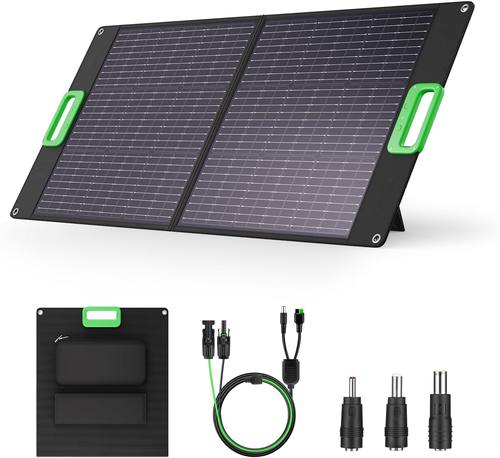
100W Portable Solar Panel for Power Station Generator 23.5% High Efficiency
Folds for van storage, and 23.5% cell efficiency means more watts per square foot of roof or ground
Rated watts are a clear-sky number, and connector compatibility is the hidden cost
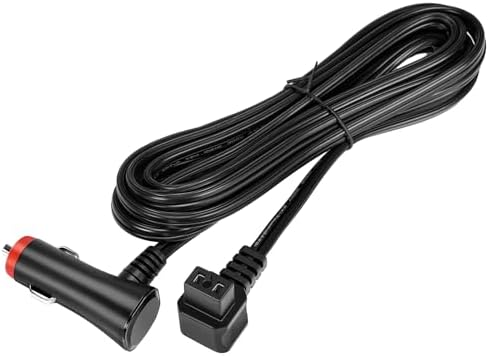
BougeRV 12V/24V DC Power Cord for 12V Car Refrigerator, Fits Most Brands
Lets a 12V fridge run from a DC output instead of stacking an AC adapter in the middle of the chain
"Fits most brands" is not "fits yours," and it is dead weight if you do not run a fridge
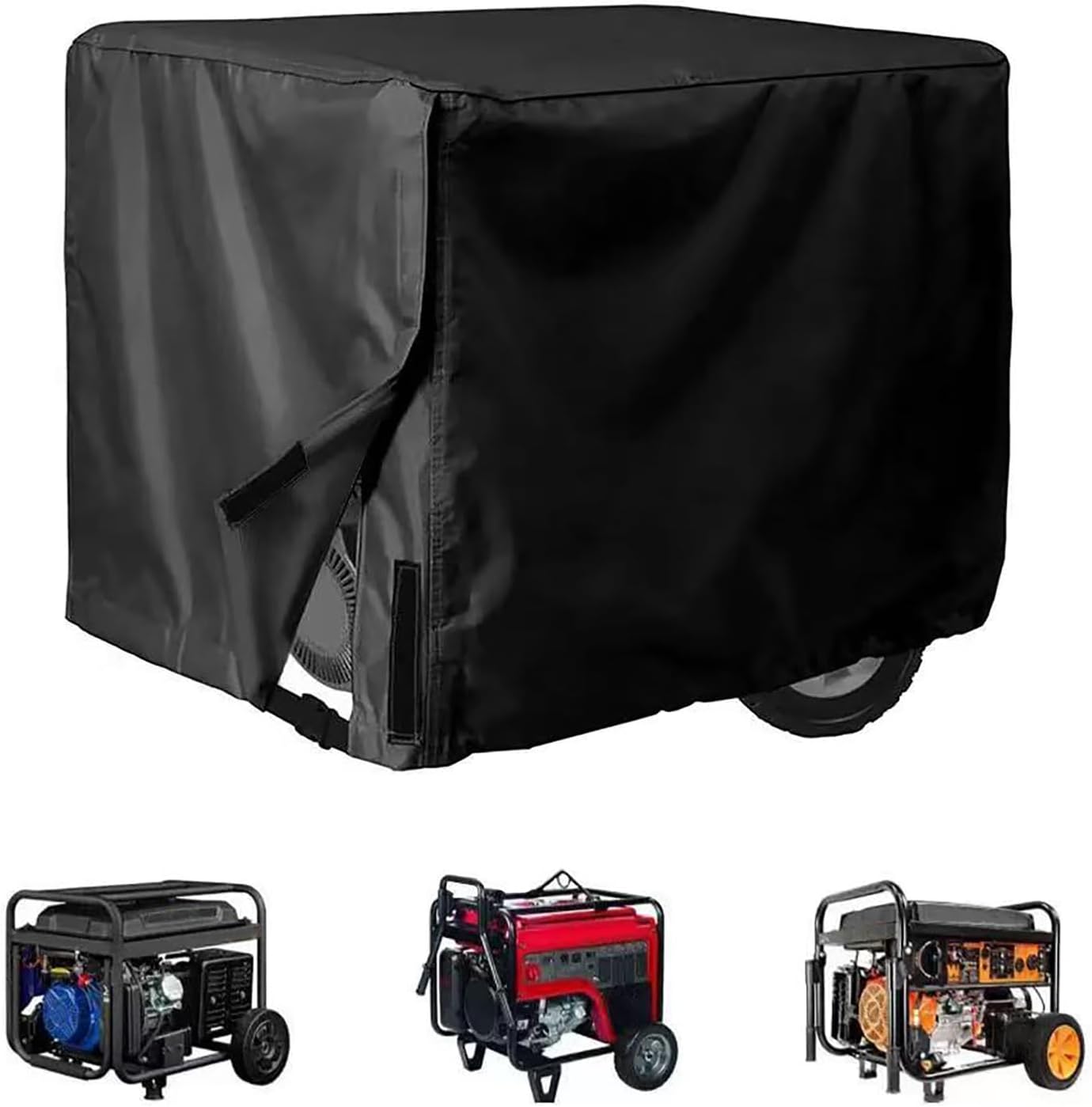
Generator Cover for EcoFlow DELTA Pro 2021 2022 2023 2024 2025 2026, Heavy Duty Oxford Fabric Outdoor Storage Cover, Water-Resistant Weather Protection from Rain, Snow & Dust
Heavy duty Oxford fabric with a water resistant finish is exactly what a stored unit needs in a mountain garage
It is cut for the DELTA Pro line, so it does nothing for the three other products in this table
Prices and availability were captured from Amazon Creators API and may change.
What this comparison is really about
Three of these four products are not power stations. That is the point. The single biggest mistake I see in this hobby is people buying a station and then discovering that the rest of the kit, the cable, the panel, the storage, is where the money quietly disappears. A 1024Wh unit with an 1800W inverter is a serious tool. A serious tool with the wrong cable is a paperweight with a handle.
The other thing to get straight before you spend anything: watt-hours over watts, always. Watts tell you what the inverter can push at one instant. Watt-hours tell you how long you can push it. A 1024Wh station running a 45W fridge compressor duty cycle and a 60W laptop is a math problem, not a marketing claim, and you should run that math before you buy a single accessory.
Related reading on this site covers sizing a station to a real load, and that logic applies to every row below.
The anchor: BLUETTI Elite 100 V2
This is the one purchase in the group that stands on its own. 1024Wh of capacity and an 1800W inverter puts it in the class I recommend for van life and weekend basecamps, because it can carry an overnight load without you rationing phone charges. Sized right, that means a compressor fridge, a laptop, LED lighting, and a camera battery charger in the same 24 hour window.
What I want from a station in this class is boring reliability. Buttons that work without the app. A fan that does not scream the moment you cross 200W of draw. Pass-through charging that does not throttle to a trickle when the unit is full. A pure sine wave output clean enough that I would plug a laptop brick into it without a second thought. Those are the things that separate a good 1kWh station from a great one, and they are exactly the things a spec sheet will not tell you.
What I do not want is anyone buying this thinking it replaces a home battery. It does not. It is a portable tool for a portable problem.
The solar panel: 100W folding, 23.5% efficient
Solar charging is a bonus, not a religion. I say that as a guy who installs panels for a living. If you camp in shade, in the trees, or in a canyon, a panel is a very expensive way to charge a station, and you are better off buying more battery than more panel.
That said, a 100W folding panel earns its place in a van build, and this one earns it on two counts. First, 23.5% cell efficiency is genuinely high for a portable panel, which matters because the panel you actually deploy is the panel that works, and a smaller folded footprint means it gets deployed more often. Second, folding panels beat rigid ones in a Sprinter because they store flat against a wall instead of living permanently on the roof.
The catch is the connector. Proprietary solar connectors are one of my standing pet peeves in this industry, because they turn a 100W panel into a 100W panel for exactly one brand. Before you buy, confirm the panel's output connector matches your station's input, or budget for an adapter. And remember that 100W is a clear-sky, well-angled number. Real world harvest in September at 9,000 feet with a thin cloud layer is lower, sometimes a lot lower.
The DC cord: 12V/24V for a car fridge
This is the accessory people either need badly or should never buy. If you run a 12V compressor fridge, a DC cord that goes straight from the station's 12V output to the fridge is more efficient than the alternative, which is running the fridge off its own AC adapter plugged into the station's inverter. Every conversion step costs you a few percent, and a fridge that runs all night is where a few percent turns into a few hours.
The listing says it fits most brands, and most is doing real work in that sentence. Fridge plugs vary. Before you order, look at the plug on the end of your fridge cable and compare it to what this cord terminates in, because a cord that almost fits is a cord that does not fit.
If you do not own a 12V fridge, skip this entirely. Buying a DC cord for gear you do not have is the same mistake as buying a 2000Wh station to charge a phone. Size to the real load.
The cover: weather protection for a DELTA Pro
Here is the row that does not belong with the others, and I am including it because it shows how easy it is to buy the wrong accessory. This cover is cut for the EcoFlow DELTA Pro line, model years 2021 through 2026. It is heavy duty Oxford fabric with a water resistant finish, built to keep rain, snow, and dust off a unit that lives outdoors or in a shed.
That is a real job in a mountain town. Dust and grit get into vents and fan bearings, and UV does slow, patient damage to plastic housings. A cover is cheap insurance for a machine that costs a lot more than the cover does.
But it will not fit the BLUETTI in this table, and it will not fit the panel or the cord, because they are not that shape. If you own a DELTA Pro and store it outside, this is a sensible buy. If you own anything else, you are buying a fitted sheet for someone else's mattress.
What I would verify before trusting any of it
My rule is that I will not recommend a station I have not discharged at least three times, and I do not have that bench time on these specific units yet. So treat this as a design and spec comparison, not a bench report. Here is what the bench would settle, and what you can check yourself in the first week.
For the station: run it from its own buttons with the phone in another room. Log the fan noise at 200W and at 1200W. Time a full discharge on a known load and compare it to the rated capacity. That last one is where claimed watt-hours usually come back to earth.
For the panel: measure actual output on a clear day at the angle you will really use, not the perfect angle. A panel that hits 80 percent of its rating in real conditions is a good panel.
For the cord: check fit and polarity before you trust it with a fridge full of food.
For the cover: make sure the unit is cool and dry before it goes on, because a cover traps moisture as well as it repels it.
Who should buy what
If you are starting from zero and want a camping setup that works, buy the BLUETTI Elite 100 V2 first. It is the anchor, and everything else is optional until you know what your loads actually are.
If you already own a 1kWh class station and you camp where the sun shows up, add the 100W folding panel. Deploy it, angle it, and accept that it supplements rather than replaces a wall charge.
If you run a 12V compressor fridge in a van, the DC cord is a legitimate efficiency win. Verify the plug first.
If you own an EcoFlow DELTA Pro and it lives outside, buy the cover. If you do not, this row is not for you, and that is fine. A comparison table that tells you three of four products are wrong for you is doing its job.
What I am watching next
The 1kWh class is where the market is moving, and I expect integrated MPPT and better DC output options to become standard rather than premium features. The brands that ship buggy apps this year will lose the mid-market by next spring, because a station that bricks itself during a firmware update is a station nobody recommends twice.
I am also watching the used market after every storm season. Flooded units show up cheap, and how they fail tells you more about durability than any launch review. I keep a dated list of predictions and score them every January. That habit has saved me more money than any sale price ever has.
Check current Amazon price on each unit before you commit, because this category moves fast and the number that matters is the one you actually pay.