Most people shopping for a power station start with the box that has the outlets and stop there. Then the first cloudy weekend happens and the gaps show up: no fast way to recharge from a wall outlet, no panel to top the battery back up, and no cord to run the 12V fridge in the van. Portable power station essentials are the panels, chargers, and cables that decide whether a unit earns its keep or sits in a closet.
The six items below come from verified product records. One is a complete station with a real AC inverter. The rest extend a station you already own: two folding solar panels, a GaN wall charger, a CPAP power supply, and a 12V DC cord for a car refrigerator. Capacities, port counts, and efficiency ratings are listed as the manufacturers publish them, and every card links to the exact product shown so you can confirm current details at the retailer.
Related: How to Size a Portable Power Station to Your Real Load
Quick answer
The Portable Power Station 300W MARBERO 237Wh is the strongest fit for a first setup or a small emergency backup because it is the only unit in this group with its own 110V pure sine wave AC inverter, paired with USB-C, USB-A, and DC ports. Choose the Jackery 102W GaN 3-Port Fast Charger instead when you already own a station and only need faster wall charging for laptops and phones.
Portable power station essentials worth comparing
The set below splits into two jobs: making power and moving power into a device. The station does the first; the panels, chargers, and cords handle the second.
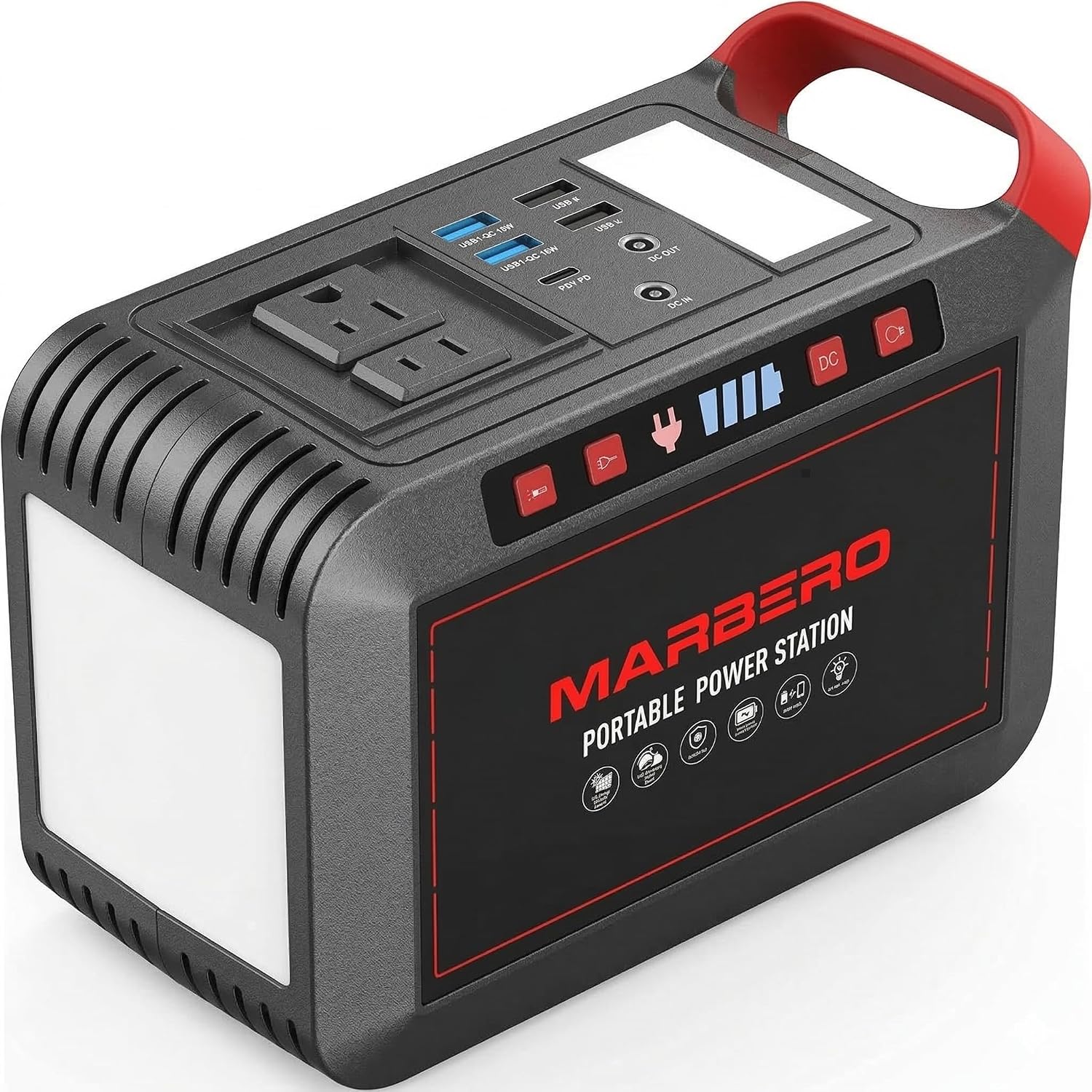
Portable Power Station 300W MARBERO 237Wh Camping Solar Generator Backup Lithium Battery with Pure Sine Wave 110V AC Outlet, USB C, USB A, DC for Outdoors Camping CPAP Home Blackout Emergency
A 237Wh lithium battery station with a 300W pure sine wave 110V AC outlet plus USB-C, USB-A, and DC ports, sized for camping, CPAP use, and short blackout backup.
Visit on Amazon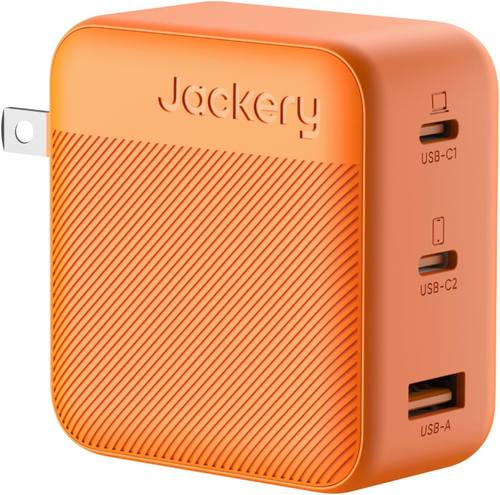
Jackery 102W GaN 3-Port Fast Charger, Dual 100W USB-C & 18W USB-A Ports, Quick Charging with PD3.0, PPS, QC4.0, Compatible with Jackery Explorer 100Plus/240v2/300Plus
A 102W three-port GaN wall charger with dual 100W USB-C ports and an 18W USB-A port, supporting PD3.0, PPS, and QC4.0, listed as compatible with Jackery Explorer 100Plus, 240v2, and 300Plus.
Visit on Amazon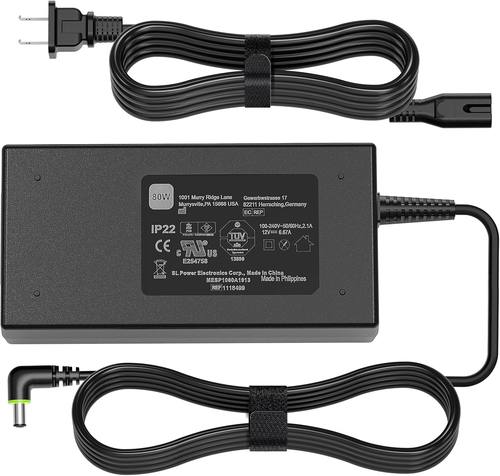
HHZ 80W 7.4 * 5.0mm Tip Charger Compatible with Philips Dreamstation 2
An 80W charger with a 7.4 x 5.0mm tip, listed as compatible with the Philips Dreamstation 2, for powering that machine from a wall outlet at home or on a trip.
Visit on Amazon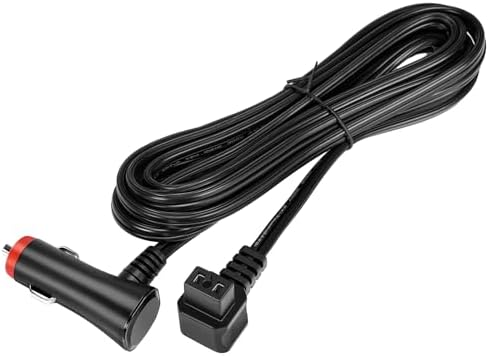
BougeRV 12V/24V DC Power Cord for 12V Car Refrigerator, Fits Most Brands
A 12V/24V DC power cord built for 12V car refrigerators and listed as fitting most brands, for running a fridge from a vehicle outlet or a station DC port.
Visit on Amazon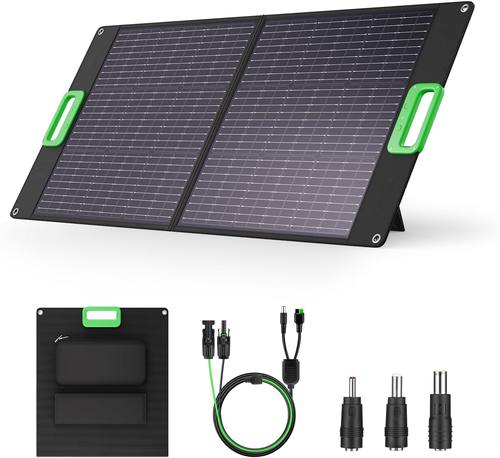
100W Portable Solar Panel for Power Station Generator 23.5% High Efficiency
Check current Amazon price
A folding 100W solar panel for power station generators with a published 23.5% cell efficiency, sized as a light top-up panel for camping and day trips.
Visit on Amazon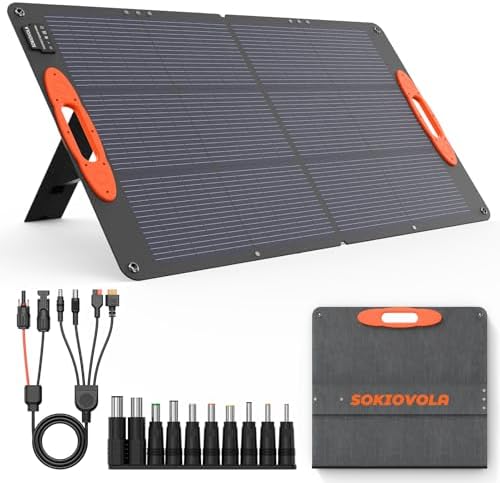
SOKIOVOLA N-Type 16BB 200W Portable Solar Panel for EF/Jackery/Bluetti/Anker Power Station Foldable Solar Panel 25% High Efficiency IP68 Waterproof for Outdoor Trip RV Camping Blackout Off Grid
A folding N-Type 16BB 200W portable solar panel with a published 25% efficiency and an IP68 waterproof rating, listed as compatible with EF, Jackery, Bluetti, and Anker stations.
Visit on AmazonPrices and availability may change. Check the retailer for current details.
How these products were compared
This guide compares published battery capacity and inverter rating, port mix and charging standards, solar cell efficiency and folded format, stated device and brand compatibility, and whether each item adds a capability to a station a reader may already own rather than duplicating it.
The comparison is built from manufacturer-published specifications and verified product records. It is not a bench test report, and no runtime or discharge figures are claimed here. What matters at this stage is that the ratings are apples to apples: watt-hours for storage, sustained watts for the inverter, and efficiency percentage for panel cells. Product names, images, and retailer links are matched to the same product so that every card points to the item shown.
How to choose the right portable power station essential
Start with the load, not the label. Watt-hours describe storage and watts describe the size of the load the inverter can carry, and the two numbers answer different questions. A phone charge is a few watt-hours. A laptop is closer to fifty. A CPAP running all night without a humidifier is its own class of load, which is why a station rated for it should be matched against the machine's actual draw rather than a marketing phrase. For anything with a motor or a sensitive circuit board, check that the AC output is listed as pure sine wave, since modified waveforms can cause buzzing or erratic behavior in some devices.
Chemistry and charging standards matter next. If the specification sheet names LiFePO4, you are generally buying more charge cycles for the same capacity. If it says lithium battery without naming the chemistry, treat the cycle life as unknown and weigh the price accordingly. On the accessory side, look for USB-C Power Delivery ratings instead of port counts, and check the connector a panel uses before assuming it will plug into your station. Adapters exist, but every adapter is one more failure point in the field. If you are still deciding between capacity classes, how to size a portable power station to your real load walks through the arithmetic.
Portable Power Station 300W MARBERO 237Wh Camping Solar Generator Backup Lithium Battery with Pure Sine Wave 110V AC Outlet, USB C, USB A, DC for Outdoors Camping CPAP Home Blackout Emergency
This is the only item in the group that produces household-style AC power on its own. The published figures are 237Wh of lithium battery storage behind a 300W inverter, with a pure sine wave 110V AC outlet plus USB-C, USB-A, and DC outputs. That combination covers the two most common jobs for a small station: keeping phones, tablets, and small electronics topped up, and running a low-draw device through a short outage or a night in a tent. The name also lists camping, CPAP, and blackout emergency use as intended scenarios.
The trade-off is straightforward. A 300W inverter will not start a compressor-driven appliance with a heavy surge, and 237Wh is a modest reservoir, so it suits overnight and weekend duty rather than multi-day whole-home backup. If your plan involves a full-size fridge or a space heater, this class of unit is the wrong tool no matter how good the port layout is. Read the sustained wattage on the label, not the peak number, and size the load to what the station can actually carry for hours.
Alternatives to consider
The Jackery 102W GaN 3-Port Fast Charger is better suited to someone who already owns a station and wants faster USB-C charging for laptops and phones, since it puts two 100W USB-C ports and an 18W USB-A port in a single GaN brick with PD3.0, PPS, and QC4.0 support. The HHZ 80W 7.4 x 5.0mm Tip Charger Compatible with Philips Dreamstation 2 is a stronger fit when the goal is a dedicated spare supply for that specific machine rather than general-purpose charging.
The BougeRV 12V/24V DC Power Cord for 12V Car Refrigerator covers the van and overlanding case, moving a fridge onto a 12V/24V DC feed instead of an AC outlet. The two folding panels split by ambition: the 100W Portable Solar Panel with its published 23.5% efficiency is a light top-up option for day trips, while the SOKIOVOLA N-Type 16BB 200W Portable Solar Panel doubles the array, publishes 25% efficiency, carries an IP68 waterproof rating, and lists compatibility with EF, Jackery, Bluetti, and Anker stations for longer off-grid stretches.
Day-to-day use and maintenance
Lithium stations live longest when they are stored partway charged rather than full or empty, and when they are kept out of a hot vehicle cabin for weeks at a time. Heat is the quiet killer of cycle life, so a garage shelf beats a dashboard. Recharge the unit every few months during storage so the cells do not sit at a low state of charge, and run a full discharge and recharge cycle occasionally to keep the fuel gauge honest.
For the accessories, the maintenance is mostly about contacts and connectors. Keep panel connectors clean and dry, wipe dust off the cells before a charging session, and check that the DC cord ends are seated firmly rather than hanging by the wire. Match the charger tip to the device it was listed for, since a wrong tip can mean no charge at best. Never chain a charger into a station's own output to charge itself, and give any unit with a warm case or a swelling battery a rest and a closer look.
Buying checklist
- Measure the watt-hours your normal day actually consumes, not the worst case you imagine.
- Choose the sustained inverter rating based on the largest load you will run for hours, not the peak surge figure.
- Confirm that the exact model includes the ports you need, and that any panel or cord connector matches your station.
- Read the care and storage instructions, including the recommended storage charge level.
- Verify the current retailer price, availability, and return terms before ordering.
Final recommendation
Choose the Portable Power Station 300W MARBERO 237Wh when you need an actual AC outlet, pure sine wave output, and enough storage for phones, small electronics, and a low-draw device through a night or a short outage. Choose the Jackery 102W GaN 3-Port Fast Charger when the station is already on the shelf and the missing piece is fast USB-C charging for a laptop. Add the SOKIOVOLA 200W panel when solar input is the priority, and the BougeRV DC cord when a 12V fridge is part of the plan. Where the published data does not support a meaningful difference between two options, the honest answer is to buy on price and connector compatibility.