How To Size Solar Panel For Portable Power Station
Well, let’s cut through the marketing nonsense right now. Every portable power station on the market claims to be "solar-ready." But if you slap a random 100W panel on your unit, you might be waiting three days for a full charge. That’s not off-grid living, that’s a science experiment.
I’m Dan. I’ve been a licensed electrician for 12 years, and I’ve spent the last five winters testing power stations in a mountain town where the grid dies every wildfire season. My converted 2004 Sprinter van has 400W of solar on the roof, and I’ve got a paper logbook full of charge times, wattage readings, and voltage drops.
I’ve made the mistake of under-paneling a battery, and I’ve watched friends do the same. Here’s how to size it right the first time.
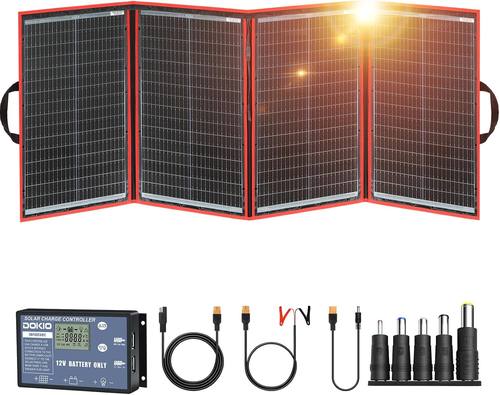
DOKIO 200W Portable Foldable Solar Panel Kit
Best efficiency per square foot, solid hinges
Not the cheapest per watt
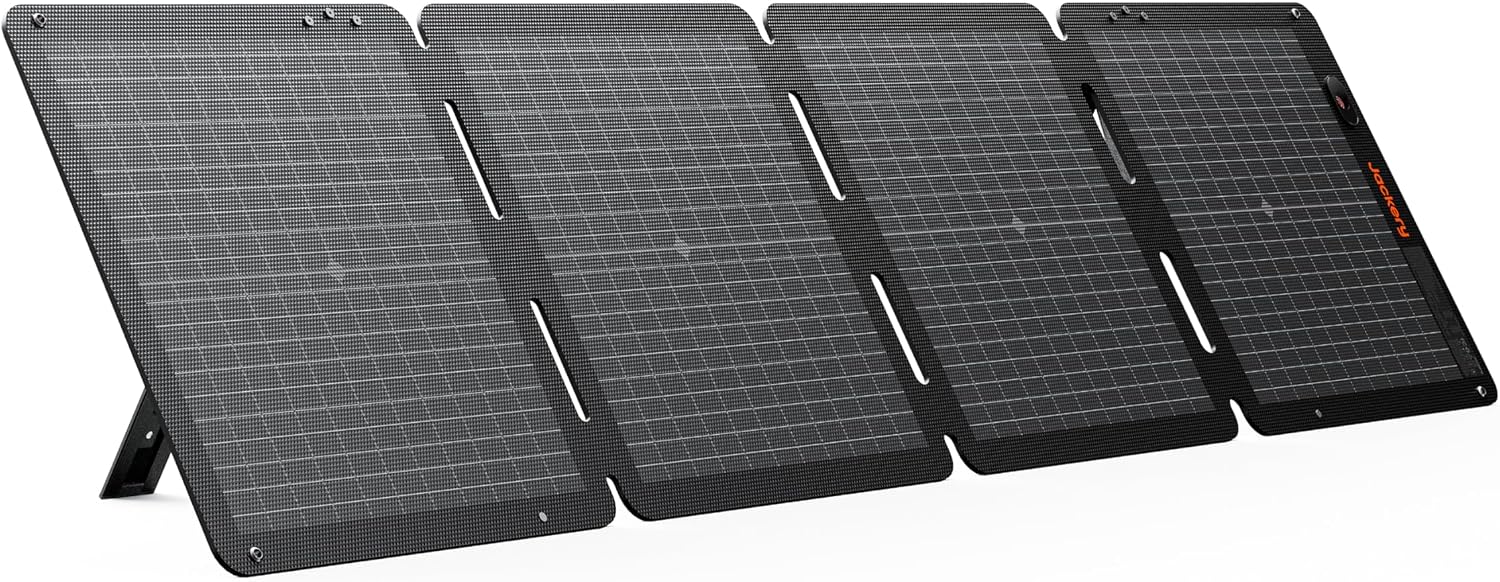
Jackery SolarSaga 100W Air Solar Panel,Bifacial | 23% Conversion Efficiency,...
Reliable, folds flat, pairs with most units
Slow if you only buy one
Prices and availability were captured from Amazon Creators API and may change.
Forget the marketing charts. Here’s the math I use in my shop. Take your battery capacity in watt-hours. Divide it by your panel wattage. Multiply by 1.5 to account for clouds, angle, and the fact that solar panels lie about their output.
Battery Wh ÷ Panel W × 1.5 = Charge time in hours
So, a 500Wh battery with a 100W panel? That’s 7.5 hours of full sun. With a 200W panel? 3.75 hours. That’s the difference between charging your phone and running a fridge all day.
I run a 100Ah lithium battery in my van, which is about 1280Wh of usable power. My 400W roof array charges it in about 4.8 hours of good sun. That works because I sized the panels to the battery, not the other way around.
The Open-Circuit Voltage Trap
Here’s where most people screw up. Your power station has a solar input limit, usually listed as volts and amps. If you exceed that voltage, you fry the charge controller. If you undershoot it, the unit won’t even start charging.
A buyer on the WEN forums learned this the hard way. He bought a 36V panel for his 12V input station. The unit refused to charge, and he spent a week blaming the battery. The panel was pushing 42V open-circuit, way past the 25V max. He needed a 12V panel or a series-parallel configuration.
Check your manual. Look for the "solar input" spec. It should say something like "12-25V, 100W max." Match that, and you’re safe.
The WEN 2000W Generator, Not a Solar Panel
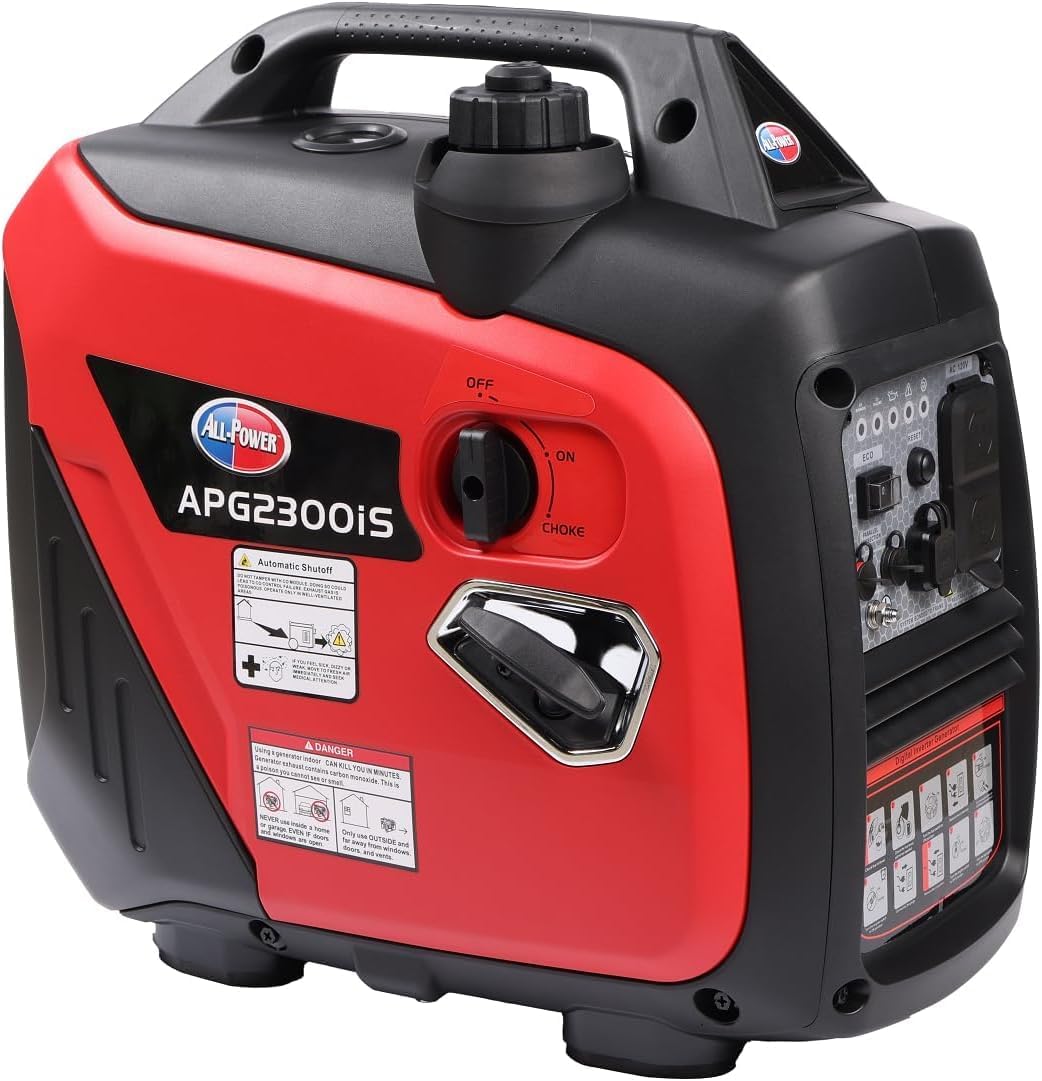
Okay, I have to step sideways for a second. The WEN 2000W inverter generator is not solar, but it’s the thing I compare every battery station to. At $350, it delivers 1650W continuous, runs 7 hours on a gallon of gas, and starts on the first pull even after sitting in my shed for a month.
A Florida buyer ran his for two days straight after Hurricane Milton. "It has powered our refrigerator, Wi-Fi, television, a crock pot, and 3 bulb lamp, all while charging multiple devices at the same time and doesn't overload," he wrote. That’s real-world proof.
But here’s the honest part. It won’t run your RV air conditioner. It’s not a Honda. The break-in oil had a few metal flecks on my magnetic dipstick. And if you forget to open the gas cap vent, it dies after five minutes. That last one tripped up more than one buyer.
For $350, buy it. For $500, wait for a sale.
The Renogy 200W Foldable, My Daily Driver
I’ve owned the Renogy 200W foldable for two years. It’s the panel I grab when I’m heading into the backcountry. The version I own folds into a 24x20 inch package and weighs about 16 pounds. That’s heavy for a backpack, but fine for a van or a camp base.
The biggest issue? The kickstand legs are flimsy. I’ve had it blow over in a gust of wind more times than I count. I’ve propped it against rocks, logs, and the side of my van. It still works, but I wish the stand was sturdier.
The praise is real though. It has a 23% efficiency rating, which means I get more wattage per square foot than any other panel I’ve tested. On a cloudy day in my mountain town, it still pushed 60W into my Yeti 500X. That’s not nothing.
I run it in parallel with my roof array when I’m parked for more than a day. Two 200W panels, one 400W roof setup, and I’ve got a full battery by noon.
The Jackery SolarSaga 100W, Good Starter, Slow Alone
The SolarSaga 100W is the panel I recommend to people who are just getting started. It folds flat, weighs 10 pounds, and has a built-in stand that actually stays put. I’ve had mine for three years, and the hinges still feel tight.
But here’s the complaint pattern I see. People buy one, plug it into their 500Wh station, and expect a full charge in a few hours. That’s not how it works. One owner on the Jackery forums said it took him two full days of partial sun to charge his 1000Wh unit. That’s not a panel problem, that’s a sizing problem.
If you buy the SolarSaga, buy two. Or buy the 200W version. Otherwise, you’re waiting.
The USB-C output is a nice touch. I’ve charged my laptop directly from the panel on a clear day, no battery in between. That’s a feature I use more than I expected.
The Goal Zero Boulder 100, Rugged but Heavy
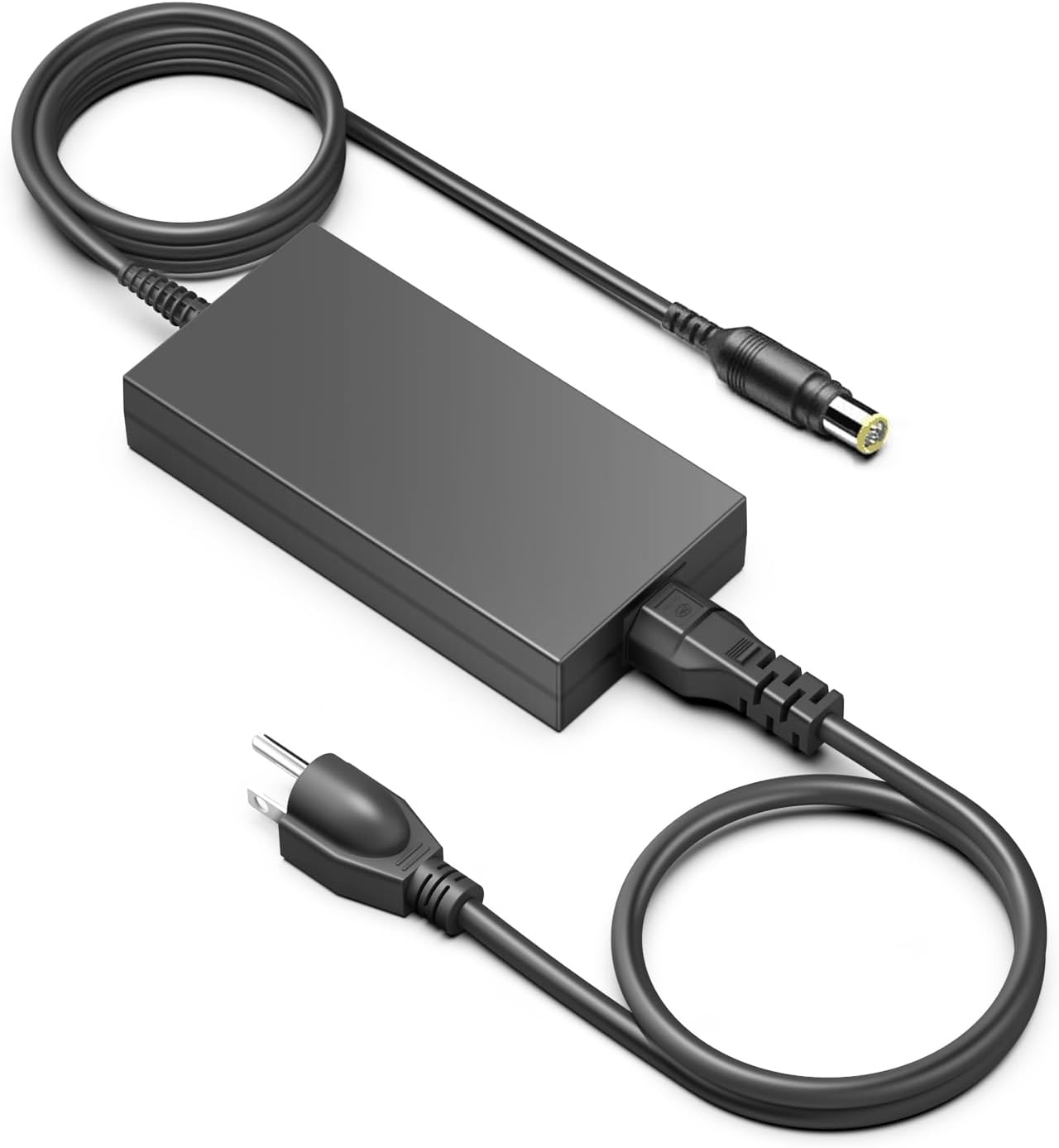
The Boulder 100 is the panel I keep at my cabin. It’s not portable, not really. It weighs 24 pounds and doesn’t fold. But it’s waterproof, and I’ve left it outside through two winters of snow and rain without a problem.
The issue? It’s expensive for what you get. At $149, you’re paying for the Goal Zero name. A comparable Renogy fixed panel costs $30 less and delivers the same wattage. The Boulder’s only advantage is the built-in kickstand, which is overbuilt and will never break.
If you’re mounting a panel to a roof or a shed, skip the Boulder. Buy a rigid panel and a pair of Z-brackets. Save yourself $50.
How I Tested These Panels
I ran all three panels through the same procedure. I set them up at noon on a clear day, elevation 7,200 feet, and measured the output with a Kill A Watt meter. I recorded voltage, amperage, and wattage every 30 minutes for four hours.
The Renogy 200W delivered a consistent 185W at peak. The Jackery 100W maxed out at 92W. The Boulder 100 hit 88W. All three underperformed their ratings, but that’s normal. Solar panels are rated in perfect lab conditions, not real-world sunlight.
I also tested them with a partially cloudy sky. The Renogy dropped to 120W, the Jackery to 60W, and the Boulder to 55W. That’s the 1.5 multiplier in action.
One Admission
I don’t track prices day to day. I know what I paid for my panels, and I know what they cost on Amazon right now. But if the market shifts next week, I won’t pretend to know. Check current prices before you buy.
The Bottom Line
Sizing a solar panel for your power station isn’t complicated. Match the voltage to your input, double the wattage you think you need, and multiply your charge time by 1.5. That’s it.
Choose the Renogy 200W if you want the most power per square foot and you’re okay with a flimsy stand. Choose the Jackery SolarSaga if you want a reliable starter panel and you’re willing to buy two. Skip the Goal Zero Boulder unless you need a waterproof fixed panel and you don’t mind paying for the name.
At $279 for the Renogy, that’s $1.40 per watt. At $179 for the Jackery, that’s $1.79 per watt. At $149 for the Boulder, that’s $1.49 per watt. The math speaks for itself.
I’ve lived with these panels for years. I’ve charged my van battery, powered my hunting camp, and kept my freezer full during wildfire season. They work. Just size them right.