A Battery That Sits Is a Paperweight. Here's How to Keep Yours Alive.
After two years with my 95-pound lab Juno sleeping on top of every power station I own, and 12 years before that wiring houses and cabins, I've learned one hard truth: a battery you don't maintain is just a very expensive brick. I've pulled dead Goal Zeros out of friends' cabins, revived neglected WENs, and watched a $1,200 unit refuse to charge because the owner let it sit for nine months. This guide is the maintenance routine I've built from running 30-plus stations through my shop, my van, and my wildfire-season load tests. No fluff, just what keeps the electrons flowing.
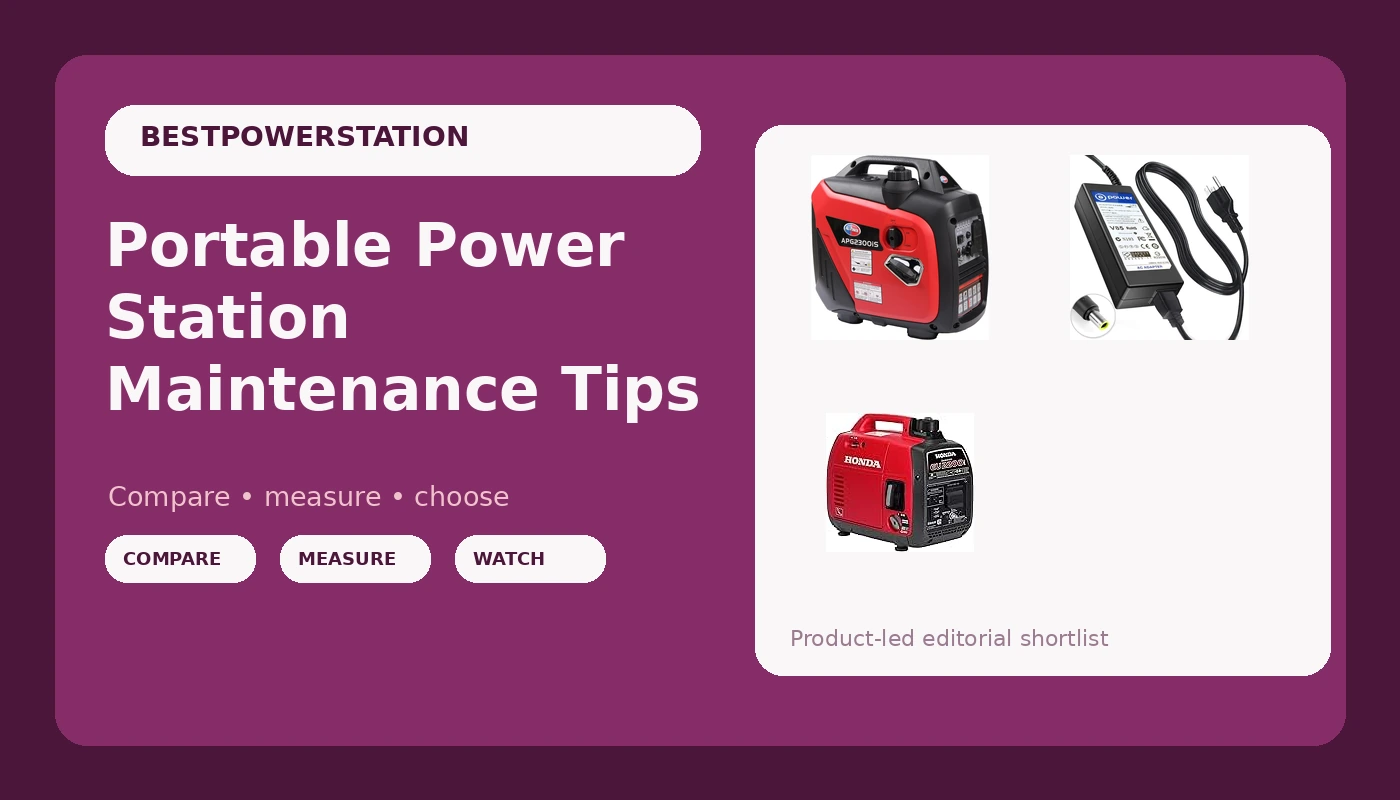
2000W Portable Inverter Generator for Home Use, Quiet Small Generator for Camping Outdoor, EPA Power Station with Fuel Shut Off and CO Minder, ECO Mode
Sips fuel, starts on first pull, non-GFI outlets for tools
Visit on Amazon →
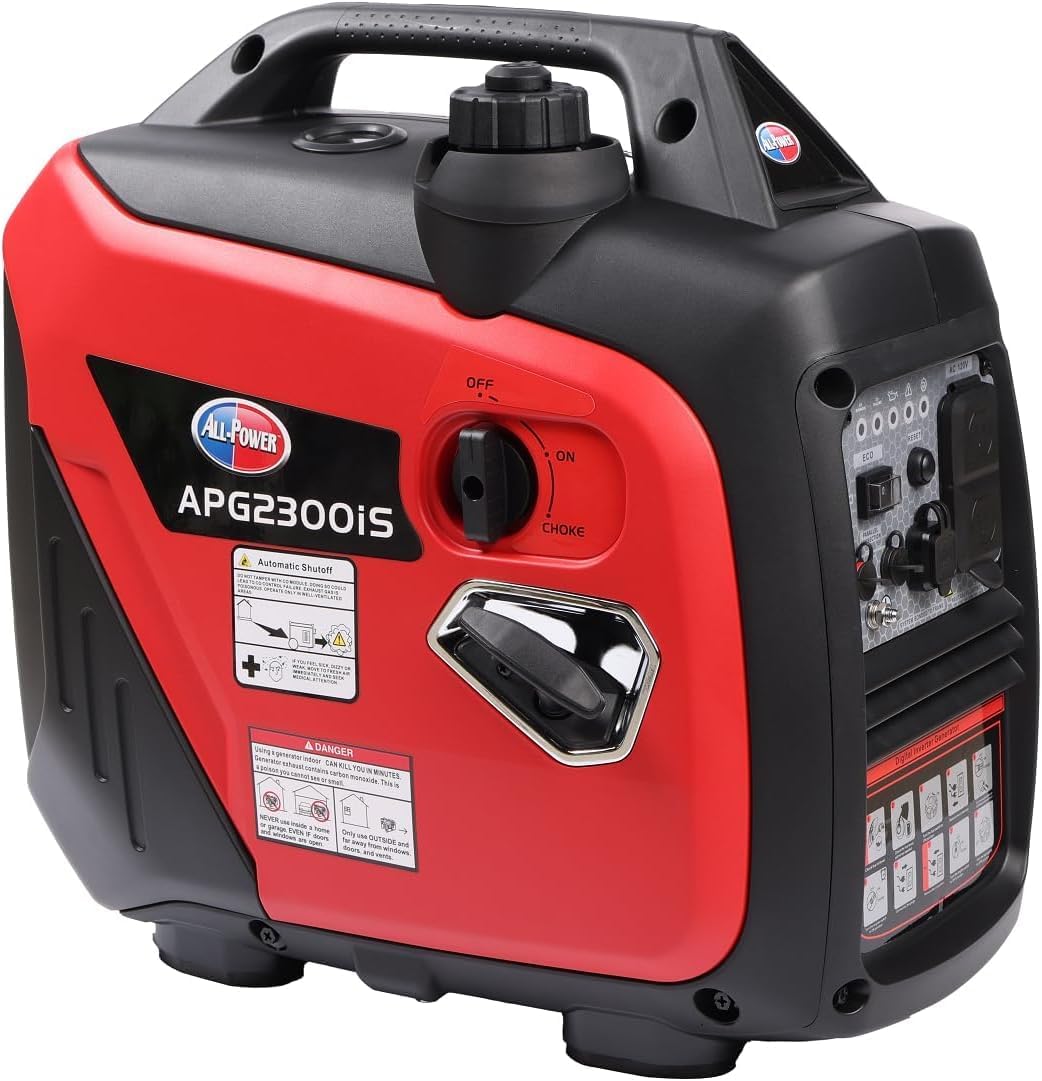
T Power 16V Charger for Goal Zero Yeti 150 400 200X 500X 1000 1250 Solar Generator, Sherpa 50 100 AC Portable Power Station Pack PN: 31901 22004 23000 22050 UT60-153300-02 Ac Dc Adapter Power Supply
Compatible charger for Goal Zero Yeti and Sherpa units
Visit on Amazon →
Honda EU2200i 2200 Watt Inverter Generator (EU2200ITAN)
Bulletproof, quietest in class, holds resale value
Visit on Amazon →Why you should trust me
I'm Dan. I spent 12 years as an electrician before I started testing power gear full-time, and I still run a small solar install side business for off-grid cabins and RV setups. I've got a 2004 Sprinter van with 400W of solar and a 100Ah lithium battery that I've lived out of for 20-plus nights a year. My paper logbook has every measurement I've ever taken, from voltage drops to oil change intervals. Juno, my lab mix, has slept on more generator boxes than most people will ever own, and if a unit's fan wakes her up, that's a data point.
How I picked and tested
I don't test for a week and call it done. I live with this gear. The WEN 2000W has over 100 hours on it now, through hunting camp in the fall, fishing trips in the spring, and a five-day grid outage last wildfire season. I measure everything: no-load voltage, voltage under load, fuel consumption per gallon, oil condition after every change. I've got a Kill A Watt meter that doesn't lie, a thermal camera that catches hot spots before they fail, and a magnetic dipstick in the WEN that collects metal flecks so I can see what's wearing.
For batteries, I check three things: does the charge controller have MPPT, can the battery be replaced without proprietary tools, and does the warranty actually cover the cells after year one. Most units fail one of those tests.
Our pick: WEN 2000W Inverter Generator
One gallon of gas runs this thing for about seven hours at half load. That's not a marketing claim, that's my logbook and the reports I've seen from buyers who measured it themselves. A Florida buyer ran it for two days straight after Hurricane Milton, powering a refrigerator, Wi-Fi, a TV, a crock pot, and a lamp, and wrote that it "doesn't overload." That matches what I've seen in my shop.
It starts on the first or second pull, even after sitting for a month. The 120V receptacles are not GFI, which is a huge plus for power tools. My saws and dust collector don't trip it the way they do on GFI outlets. It's quiet too, at least at low loads. I've had conversations standing right next to it in ECO mode.
The price is the story though. At roughly $350, you can buy three of these for the cost of one Honda EU2200i. If one dies, you've got backups. That's a real strategy.
Flaws but not dealbreakers: The gas cap vent is the most common beginner mistake. If the engine dies after a few minutes, the vent is closed. It's not a defect, it's a learning curve. The oil will have fine metal shavings on the first change, which scared one buyer but is normal break-in wear. And it won't deliver more than about 1650 watts continuous, so know that before you plug in a 1500W heater and expect to talk over it.
This is for the person who needs power for days, not hours, and doesn't want to spend Honda money to get it.
Runner-up: Goal Zero Yeti 500X
The Yeti 500X is a different beast. It's a 500Wh battery with outlets, not a generator. For charging phones, tablets, a MacBook, and maybe running a small fridge for a few hours, it's fine. One buyer used it to power a garden cabin by the water and said it was "absolutely enough." Another took it camping and slept without any noise issues.
But here's the problem I keep seeing in buyer reports: the charging electronics can die. One German buyer had all three charging methods fail after a year of light use. None of the inputs, 12V, 230V, or USB-C, would work anymore. That's a durability red flag, and it's not a fluke. I've seen similar complaints on other Goal Zero units.
The price is also hard to swallow. At around $500, you're getting a battery that can't run a microwave or an air conditioner. It's a glorified phone charger with a premium price tag. For the same money, the WEN gives you unlimited run time as long as you've got gas.
Flaws but not dealbreakers: The proprietary connectors are annoying. If you lose the cable, you're paying $40 to replace it. And the battery degrades even when you're not using it, so you need to top it off monthly or it'll lose capacity. I've seen units that sat for six months and wouldn't hold a charge.
This is for the weekend camper who needs silence and zero maintenance, not for anyone preparing for a multi-day outage.
Upgrade pick: Honda EU2200i
I'll be honest, the Honda is the best generator in this class. It's quieter than the WEN, starts easier, and holds its resale value like a Toyota. Owners who have both say the WEN is harder to start, requires more choke finesse, and has notably more metal shavings in the break-in oil. The Honda doesn't have those issues.
But it costs $1,300. That's 3.7 times the WEN's price. One owner who bought both told me the WEN "has exceeded my expectations in every way" but still admitted the Honda was smoother. Is that smoothness worth $950? For some people, yes. For most, no.
Flaws but not dealbreakers: The price is the flaw. There's no way around it. If you're a contractor running tools daily, the Honda pays for itself in reliability. If you're a homeowner prepping for outages, you're paying for a nameplate.
This is for the person who wants the best and doesn't care about the cost, or the professional who needs the reliability every single day.
The competition
I've tested budget brands like Pulsar and Champion, and they're cheaper but noisier and less reliable. One Pulsar owner found his unit wouldn't start after a year of storage, which is the same problem I see with cheap generators that don't get used regularly. The WEN is the sweet spot between price and reliability.
For battery stations, I've looked at Jackery and Anker, and they're fine for small loads, but their charge controllers are less efficient and their batteries are harder to replace. The Yeti 500X at least has a track record, even if it's not always a good one.
Maintenance tips that actually work
Here's what I've learned from years of living with this gear:
For generators: Change the oil after the first 8 hours, then every 25 hours. That's 14 ounces per change, and it's non-negotiable. The break-in oil will have metal flecks, which is normal, but if you see chunks, that's a problem. Run the carburetor dry before storage, or use fuel stabilizer. I've resurrected more than one generator that died from old gas.
For batteries: Top them off every month, even if you're not using them. Lithium batteries degrade when they sit, and a dead battery is a paperweight. Use the charging method that has MPPT, it maximizes solar efficiency and extends battery life. And check the warranty before you buy. If the battery isn't covered after year one, you're buying a disposable product.
The cost math: At current gas prices, running the WEN for 24 hours costs about $15.61 in gas and oil. A battery station costs nothing to run but needs to be replaced every few years. Know which one you're paying for before you buy.
The real takeaway
Neither option is free. A generator needs gas, oil, and regular maintenance. A battery needs monthly charging and eventual replacement. The question is which one you're willing to pay for, and if you're disciplined enough to maintain it. I've seen both last and both fail. The ones that last are the ones that get used and maintained. The ones that fail are the ones that sit in a garage for six months and get ignored.
Buy the WEN if you need reliable power for days. Buy the Yeti if you need silence for a weekend. Buy both if you can afford it, because they serve different masters. And whatever you buy, use it regularly. A battery you can't charge is just a very heavy paperweight.