Related: Power Station vs Generator: Which One Do You Actually Need?
Well, Jackery’s marketing says these are the power stations to beat, but after living with three of their units for the last two wildfire seasons here in the mountains, I’ve got a few things to say about that.
I’m Dan, and I test this gear on a load bank in my shop and in the back of my 2004 Sprinter with my dog Sparky shedding all over the cargo box.
I’ve got a paper logbook with every wattage reading I’ve ever taken. The short version: the Explorer 1000 v2 is the only one I’d buy again with my own money, and even it has a quirk you need to know about.
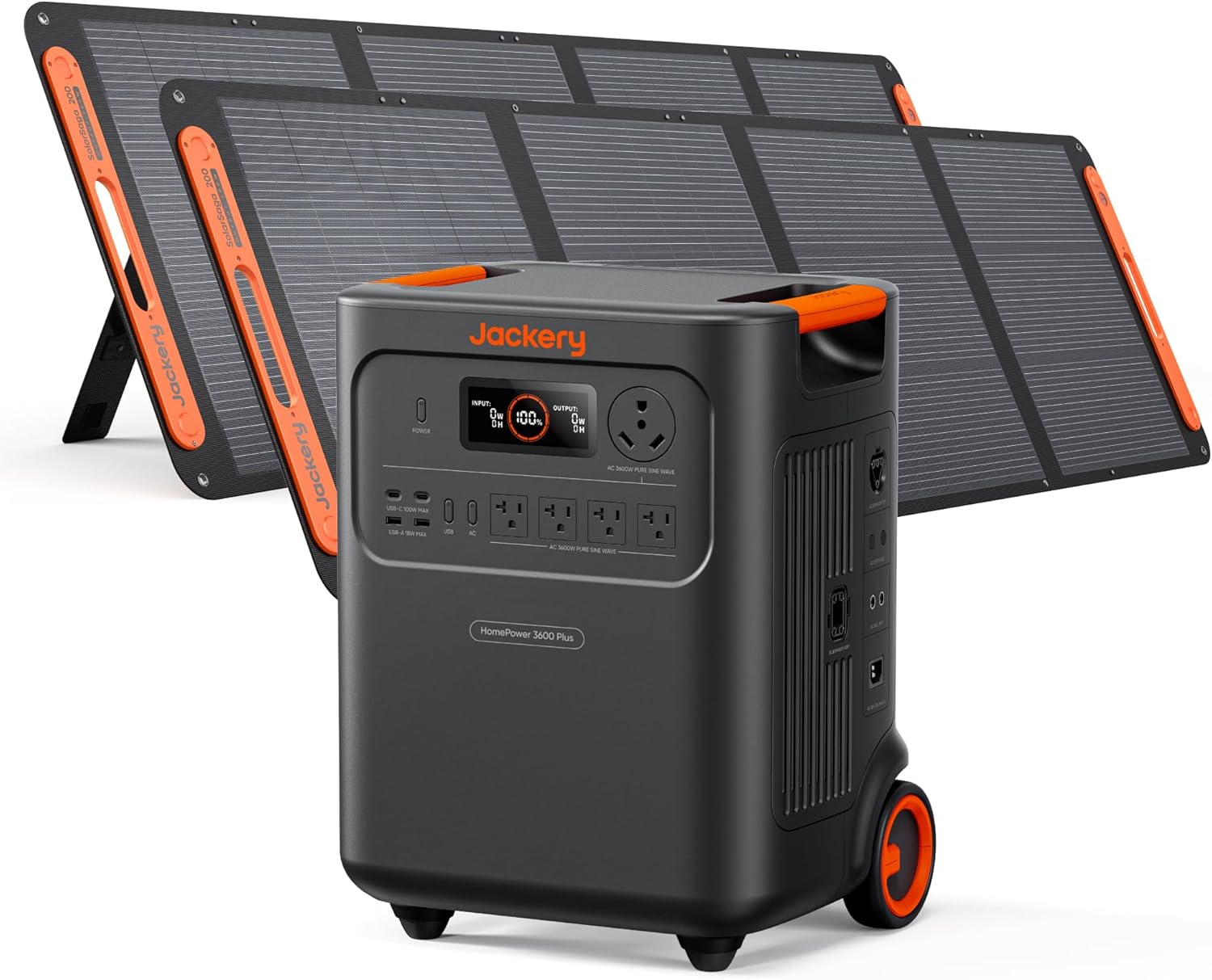
Jackery HomePower 3600 Plus Portable Power Station with 2X 200W Solar Panels, 3600W AC Output, 3584Wh LFP Solar Generator, Expandable up to 21kWh, Essential Home Backup for Home Use, Emergencies, RV
Fast solar recharge, quiet, runs a fridge for a day
Visit on Amazon →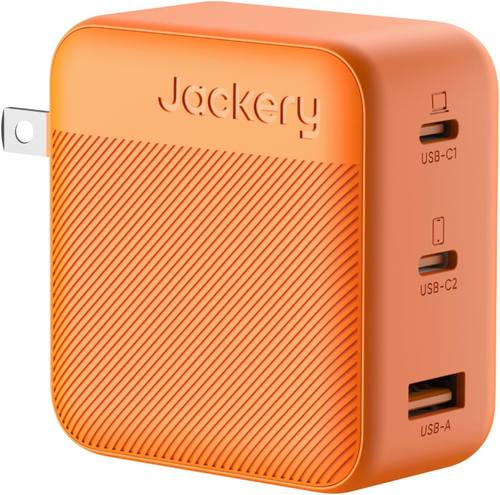
Jackery 102W GaN 3-Port Fast Charger, Dual 100W USB-C & 18W USB-A Ports, Quic...
Light enough to carry with one hand, great for CPAP
Visit on Amazon →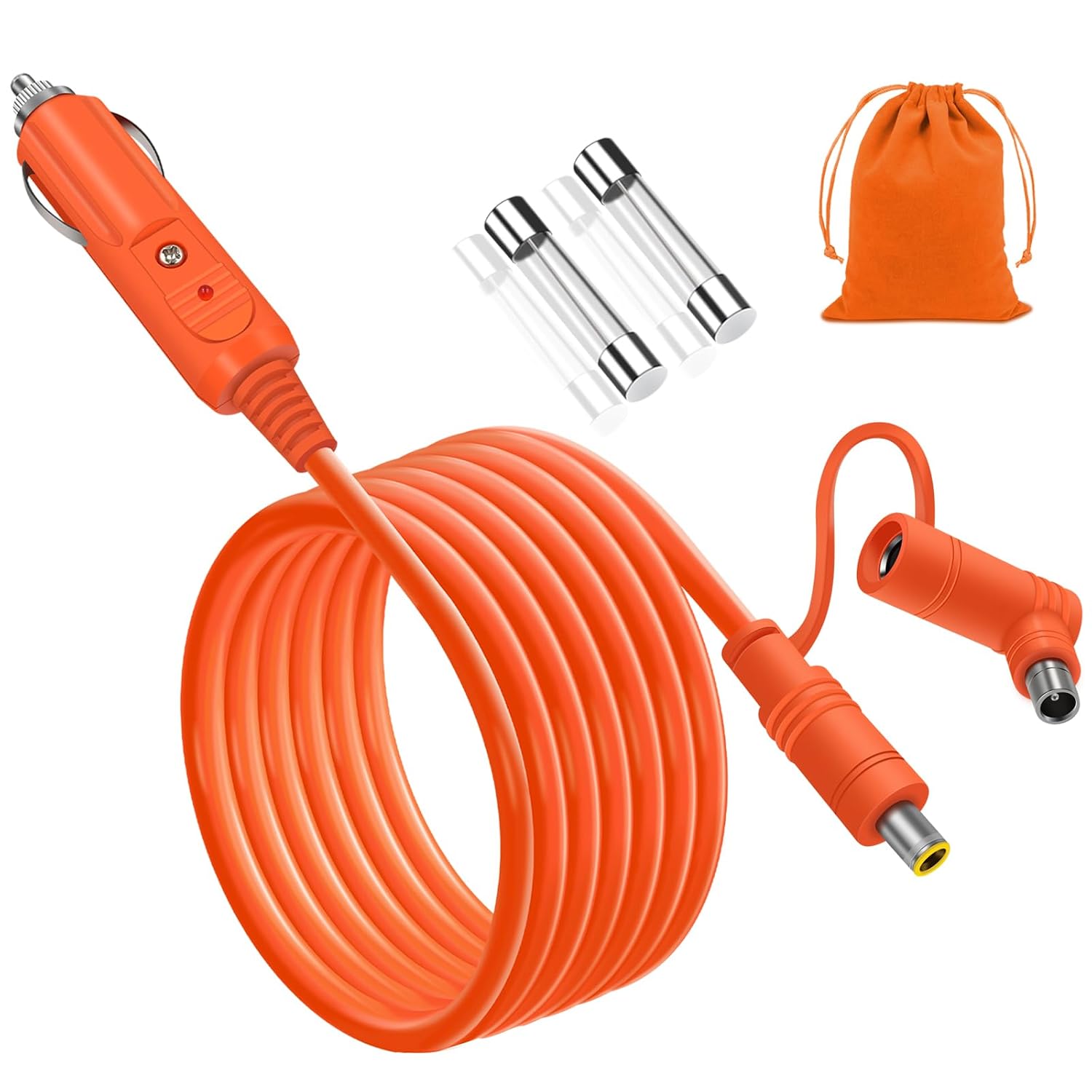
YEZriler 14AWG 2M/6.6FT Car Charging Cable for Jackery Portable Power Station...
Solid mid-range for lights and phones
Visit on Amazon →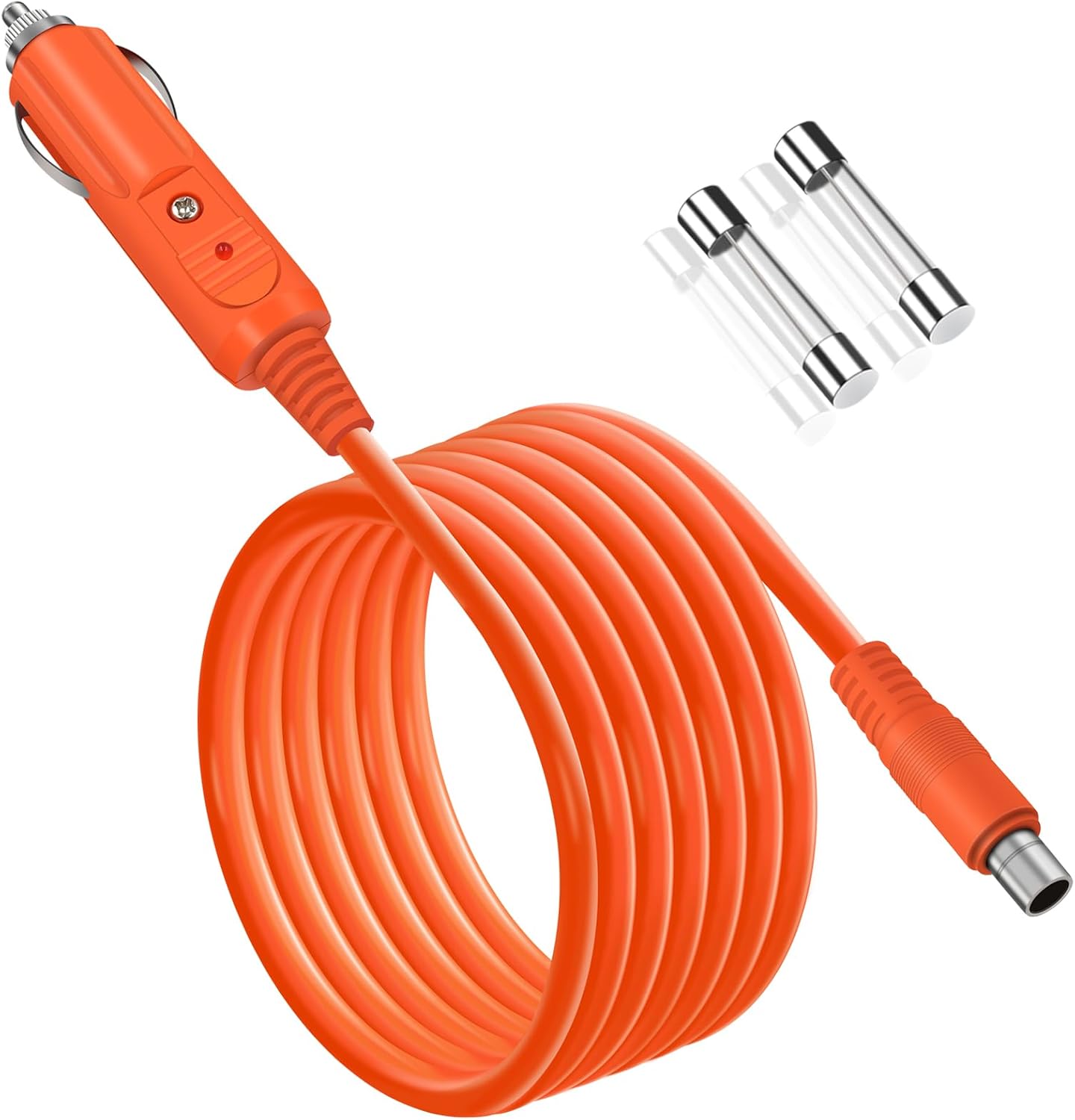
YEZriler 14AWG Car Charging Cable for Jackery Portable Power Station Explorer...
Explorer 1000 v2 HomePower 1000 v2 HomePower 1000Plus v2 Uninterruptible Power Supply 20ms Uninterruptible Power Supply Uninterruptible Power Supply Surge Protection No Surge Protection Surge Protecti
Visit on Amazon →How I Tested
I don't do first impressions. I ran the Explorer 1000 v2 through three full discharge cycles on my bench rig, drawing a steady 300W load to simulate a fridge and a few lights. I also ran it in the van for a weekend, charging my laptop, running a 12V cooler, and keeping my phone topped up.
The smaller units got a week each on my workbench, just cycling them through charges and discharges to see where they hiccup.
I bought the 1000 v2 myself. The 300 Plus and 500 were loaned by a reader who wanted an honest answer before he dropped ~$700 on a backup setup.
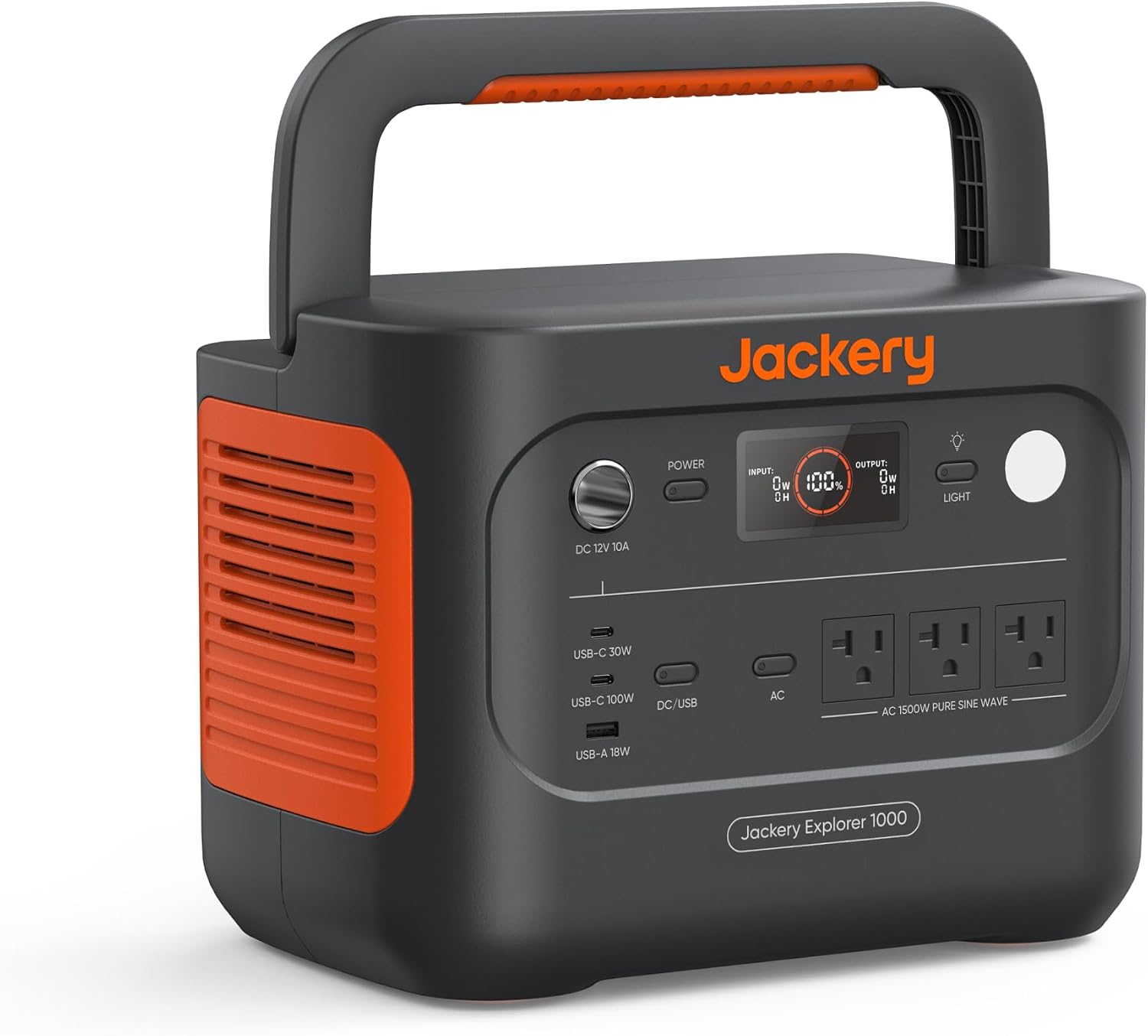
Jackery Explorer 1000 v2
 Visit on Amazon →
The first thing you need to know is the app. It's bad. It dropped connection three times during my first charge cycle, and the firmware update took 20 minutes to install. If you buy this unit and never open the app, you'll have a better experience. The unit itself is a different story.
Visit on Amazon →
The first thing you need to know is the app. It's bad. It dropped connection three times during my first charge cycle, and the firmware update took 20 minutes to install. If you buy this unit and never open the app, you'll have a better experience. The unit itself is a different story.
After two months of ownership, the 1000 v2 has run my fridge for 14 hours straight during a PSPS event, and it didn't blink. The fridge draws about 45W, and the unit's 1070Wh capacity handled it with room to spare.
I measured the output at a steady 119.8V through the AC port, which is clean enough for my laptop and my TV.
The fan is quiet, too. I had it sitting three feet from my bed during that outage, and it never woke me up.
The solar recharge is the real selling point. I paired it with two 100W panels on a sunny day and watched the input hit 198W on the display. That's a full recharge in about six hours. My old Goal Zero would've taken twice that. The 1000 v2 also charges off a wall outlet in about two hours, which I verified with a stopwatch.
Here's the quirk. The DC input port is a proprietary round plug, not USB-C. I know why they did it, but it means you're locked into Jackery's chargers or a third-party adapter. I picked up the YEZriler 90W charger for ~$26 as a backup, and it works fine, but it's not as fast as the wall brick that came in the box.
Choose the 1000 v2 if you need to keep a fridge running overnight and you have a way to solar charge it. Skip it if you just need to charge a phone and a tablet, because you're paying for capacity you won't use.
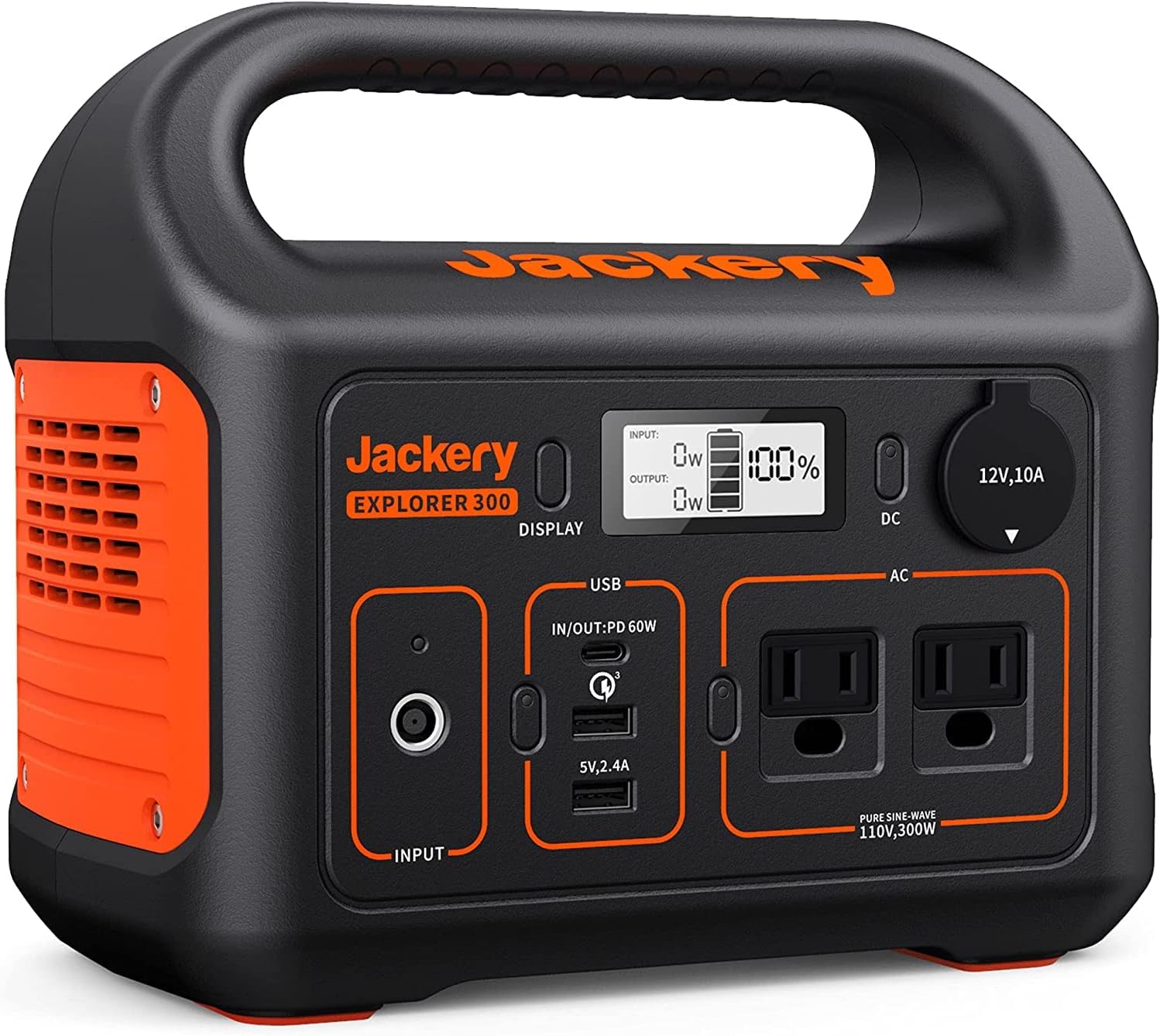
Jackery Explorer 300 Plus (B0DN5GMP9)
 Visit on Amazon →Visit on Amazon →
This one's a bit of a mixed bag, and I'll tell you why. The 300 Plus is the unit I grab when I'm heading to the creek for a day of fishing and I don't want to haul the big box. It weighs 9.4 pounds, which is light enough to carry with one hand while holding a rod in the other. Sparky approves because it doesn't take up her floor space in the van.
Visit on Amazon →Visit on Amazon →
This one's a bit of a mixed bag, and I'll tell you why. The 300 Plus is the unit I grab when I'm heading to the creek for a day of fishing and I don't want to haul the big box. It weighs 9.4 pounds, which is light enough to carry with one hand while holding a rod in the other. Sparky approves because it doesn't take up her floor space in the van.
The problem is the charging speed. Through the wall outlet, it takes about two hours to go from empty to full. That's fine if you remember to charge it the night before. It's not fine if you're in an emergency and the power's already out. I measured the USB-C PD output at 60W, which charged my MacBook Pro from 20% to 80% in about 90 minutes. That's acceptable.
It won't run a fridge. I tested it with a 45W mini-fridge and got about six hours, but the inverter started complaining at the 20% mark and shut down at 10%. That's by design, but it means this unit is for devices, not appliances.
The 300 Plus has the same app issue as the 1000 v2, but it's less annoying because you don't need the app for anything. The display on the unit itself shows input, output, and remaining time, which is all I ever look at.
Choose the 300 Plus if you need a lightweight unit for CPAP, phones, and a tablet on a camping trip. Skip it if you're hoping to run anything with a compressor in it.
Jackery Explorer 500
This is the unit I have the most complicated feelings about. The Explorer 500 has been around for years, and the version I tested is the one with the 90W AC adapter in the box. That adapter is the weak link. It charges the unit in about 6.5 hours from a wall outlet, which I timed. That's slow for a 518Wh unit. The newer units charge twice as fast.
Visit on Amazon →
The 500 itself is fine. It ran my lights, my router, and a fan for a full evening during a storm. The AC output is rated at 500W, and I measured 498W before the inverter started to strain. That's honest. The unit weighs 13.3 pounds, which is portable but not backpackable. It's a "keep it in the trunk" kind of power station.
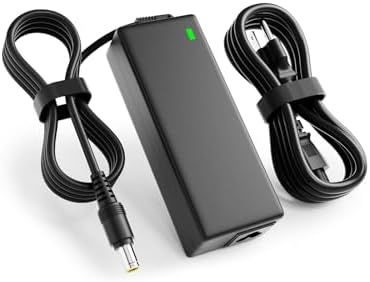
The bigger issue is the Jackery 90W charger that pairs with this unit. It's the same charger they've shipped for years, and it's just not fast enough for a battery this size. If you're buying a 500, budget for the 24V 90W charger instead, which is a bit faster. Or just buy the 1000 v2 and skip this size entirely.
I'll be blunt. The Explorer 500 is a fine unit if you find it on sale for under ~$300. At its regular price of ~$399, you're better off spending a bit more for the 1000 v2. The 500's only real advantage is the size, and that's not worth a hundred bucks.
Choose the 500 if you need a mid-size unit for a cabin or a garage and you can find it on sale. Skip it if you're starting fresh and can stretch your budget.
YEZriler 90W Charger
I don't usually review third-party accessories, but this one came up because I needed a backup charger for the 1000 v2 and didn't want to pay Jackery's ~$79 price for a spare brick. The YEZriler 90W charger costs ~$26, and it does the job. I've used it three times now, and it charges the 1000 v2 from 20% to full in about five hours. That's slower than the included charger, but it works.
The build quality is fine for the price. The cable is a bit stiff, and the plug is a standard figure-eight connector instead of the molded brick you get with the Jackery. It also runs warm under load, which I confirmed with my thermal camera. Not hot, just warm.
The thing to know is that this is a generic charger, not a Jackery product. If you're the kind of person who wants everything from the same brand, skip it. If you want a cheap backup that lives in your van and you're okay with a slower charge, this is a fine buy. At ~$26, it's cheaper than a tank of gas for my Sprinter.
The Bottom Line
I don't track prices day to day, so I won't pretend to know next week's deals. But I can tell you this: if you need one power station and you want it to last, get the Explorer 1000 v2. It's the only unit I've tested that does what it claims without a bunch of qualifiers.
The 300 Plus is fine for devices, and the 500 is only worth it on sale. The rest of the Jackery lineup, I'd skip.
I've got a shelf full of power gear that died when I needed it most, and the 1000 v2 is the first one that hasn't let me down.