Shopping for a portable power station for home backup is really a sizing problem wearing a shopping problem's clothes. The listings all look alike, every number sounds large, and the gap between a unit that carries a household through a two-day outage and one that quits at hour six usually comes down to two figures: watt-hours of stored energy and the continuous AC output the inverter can actually hold.
Capacity tells you how long. Output tells you what can run at the same time. Buy too little capacity and you spend the outage rationing a fridge. Buy too little output and nothing starts at all, because a motor-driven load like a fridge compressor or a furnace blower pulls several times its running wattage in the first second. That is the whole game, and no amount of marketing copy changes it.
This guide compares six products that sit in very different corners of the backup power market: a 1,070Wh portable station, a 2,010Wh mid-size unit, a 3,584Wh LiFePO4 system that ships with two 200W solar panels and is listed as expandable to 21kWh, a 3,200W solar generator, a 2,000W gas inverter generator, and a 120W replacement AC adapter for older Goal Zero Yeti stations. The mix is deliberate. Not every reader wants the same product, and a roundup that pretends otherwise wastes your time.
Related: How to Size a Power Station to Your Real Load
Quick answer
The Anker SOLIX S2000 Portable Power Station is the strongest fit for whole-home outage coverage in the 2kWh class because it combines 2,010Wh of stored capacity with a listed 3,000W peak AC output, a pairing that covers refrigeration, networking gear, and lighting when you stagger the loads. Choose the Jackery HomePower 3600 Plus Portable Power Station with 2X 200W Solar Panels instead when you want a 3,584Wh LiFePO4 system with two 200W panels in the box and a listed expansion path toward 21kWh.
Backup power options worth comparing
What separates these six is class, not brand loyalty. A 1,070Wh station and a 3,584Wh system do different jobs, and the gas inverter generator here does a third job entirely. The figures below come from the product listings: capacity in watt-hours, AC output, battery chemistry where it is stated, what ships in the box, and how far the platform can grow. Where a listing does not state a number, this guide says so rather than filling the gap with a guess.
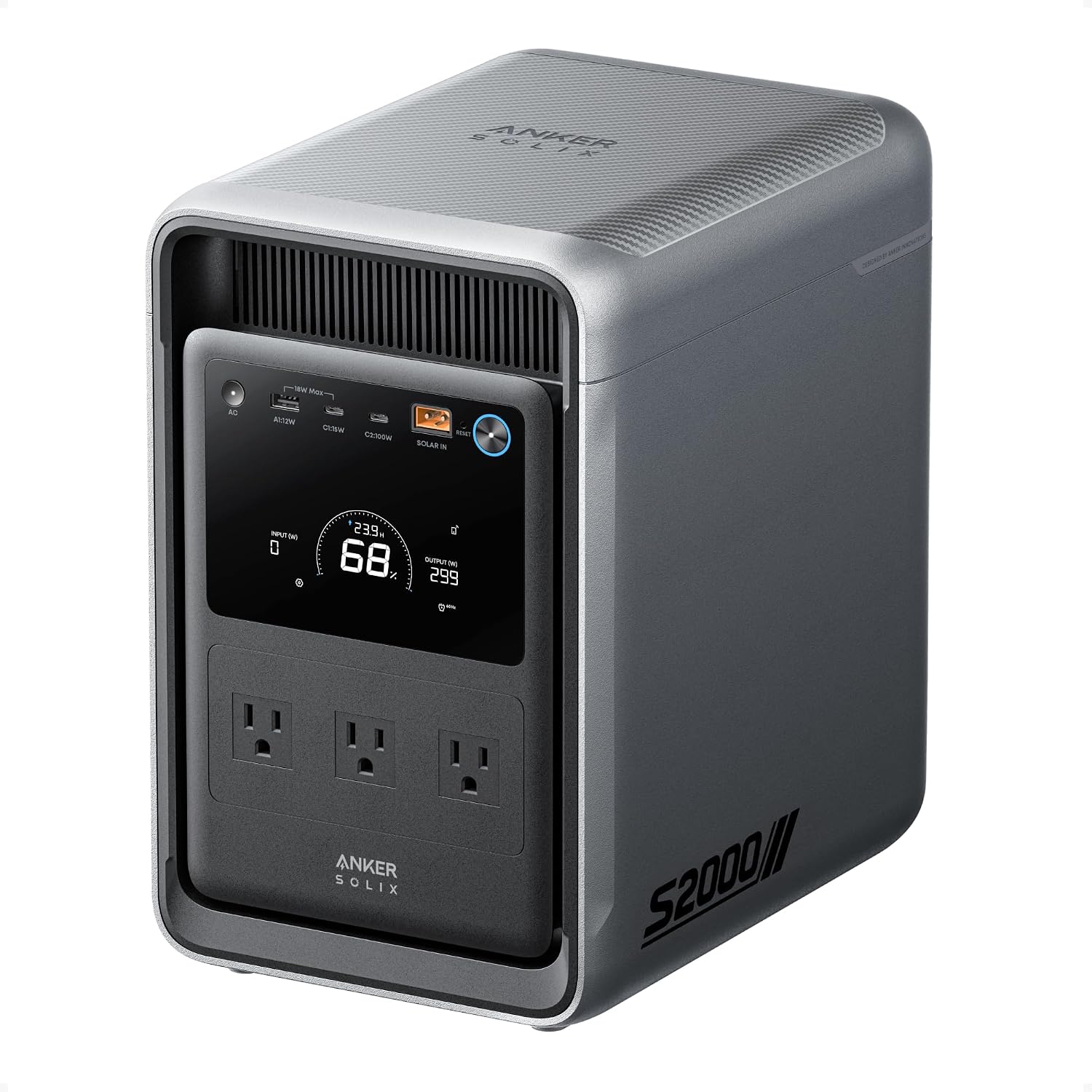
Anker SOLIX S2000 Portable Power Station, 2,010Wh, 3,000W Peak, Home Backup
2,010Wh of capacity with a listed 3,000W peak AC output, positioned for home backup. Confirm the continuous output rating and the included charging cables in the listing before you buy.
Visit on Amazon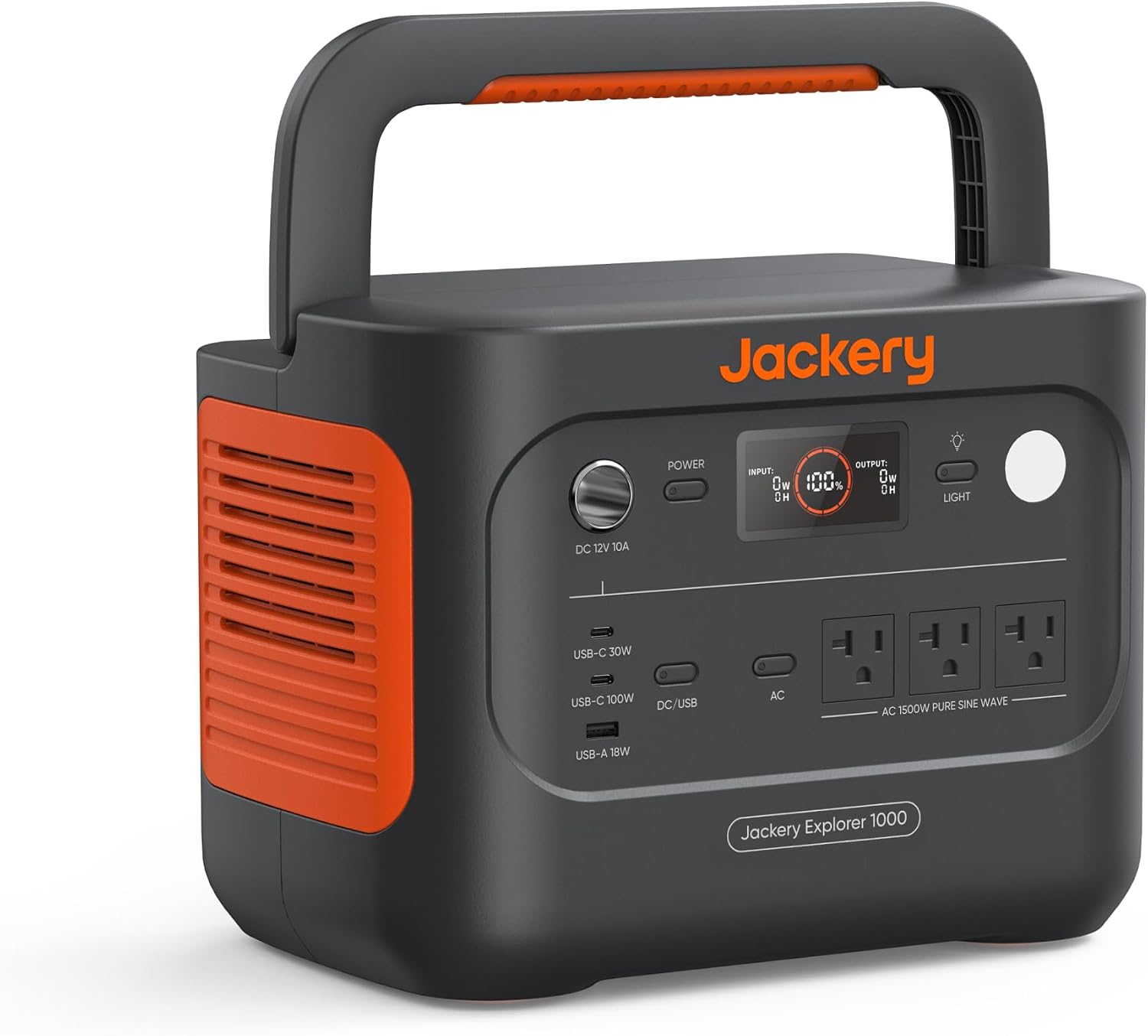
Jackery Explorer 1000 v2 Portable Power Station,1070Wh,1500W
1,070Wh with a 1,500W AC output in Jackery's mid-size Explorer line, a common size class for weekend trips and short outages where a fridge and a few small loads are the priority.
Visit on Amazon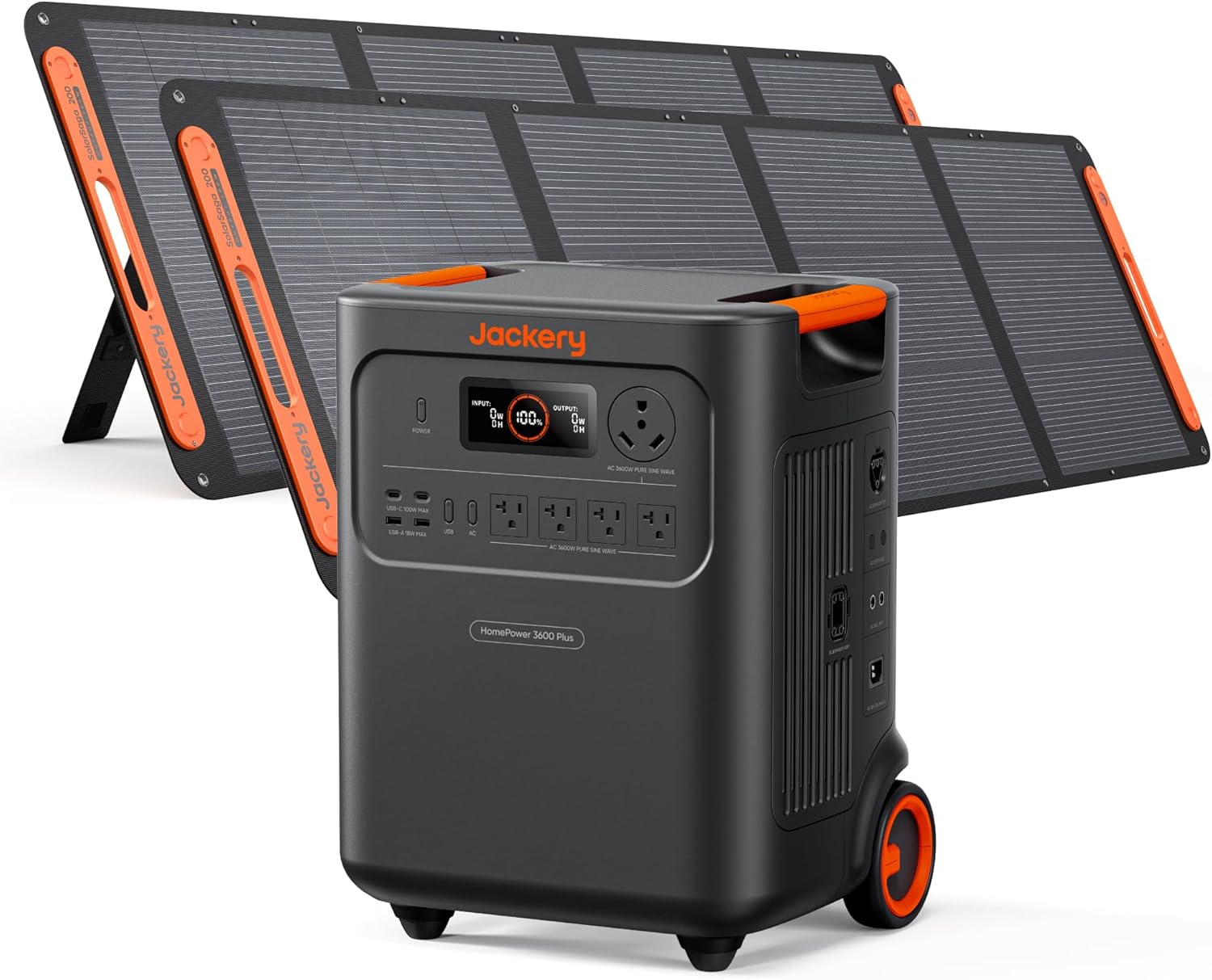
Jackery HomePower 3600 Plus Portable Power Station with 2X 200W Solar Panels, 3600W AC Output, 3584Wh LFP Solar Generator, Expandable up to 21kWh, Essential Home Backup for Home Use, Emergencies, RV
A 3,584Wh LiFePO4 system with a 3,600W AC output and two 200W solar panels in the box, listed as expandable up to 21kWh for longer home backup and RV use.
Visit on Amazon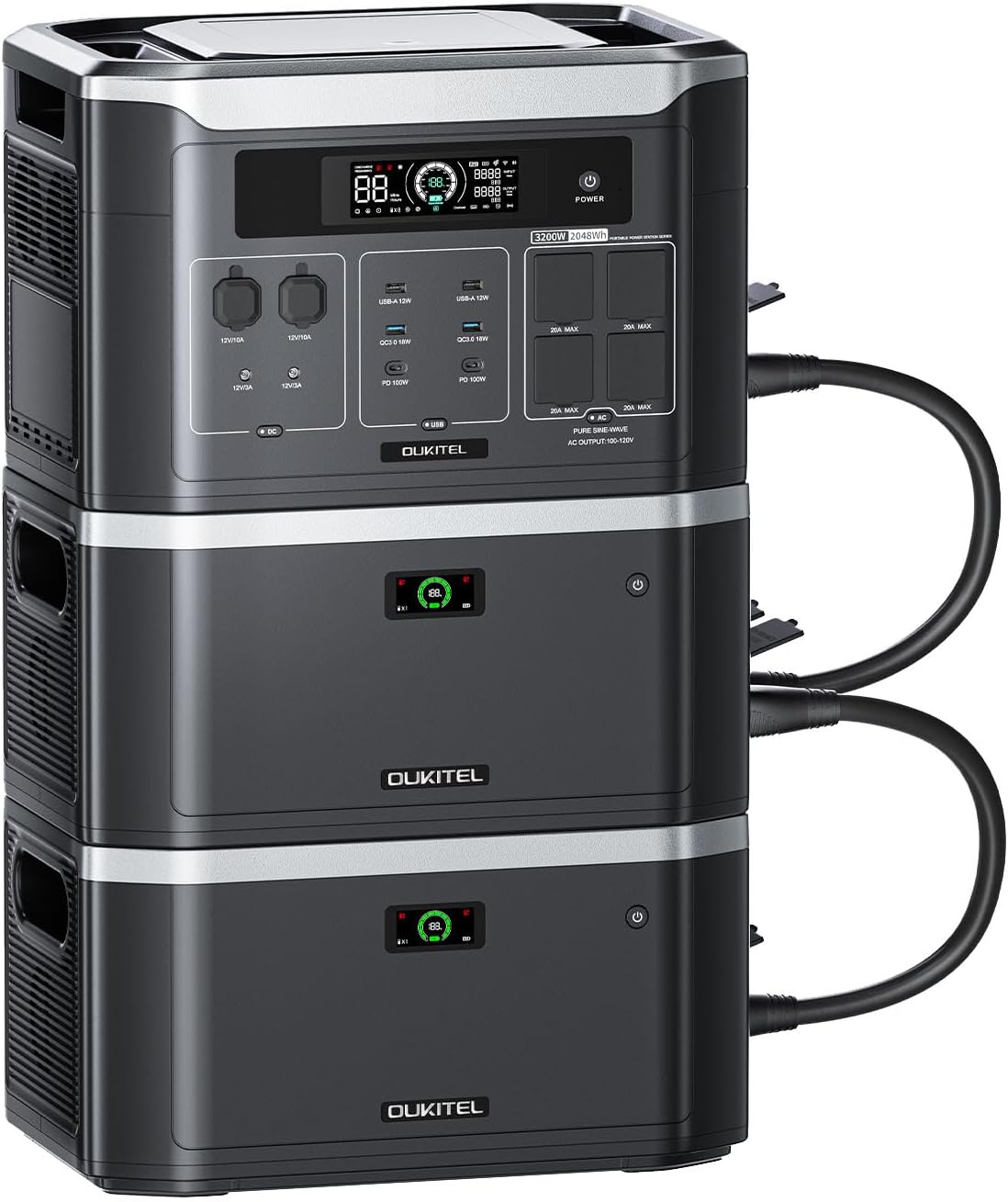
BP3000 3200W Solar Generator Portable Power Station
A solar generator listed with a 3,200W output figure. The title gives the output, so check the watt-hour capacity and the battery chemistry in the listing before treating it as a house-scale unit.
Visit on Amazon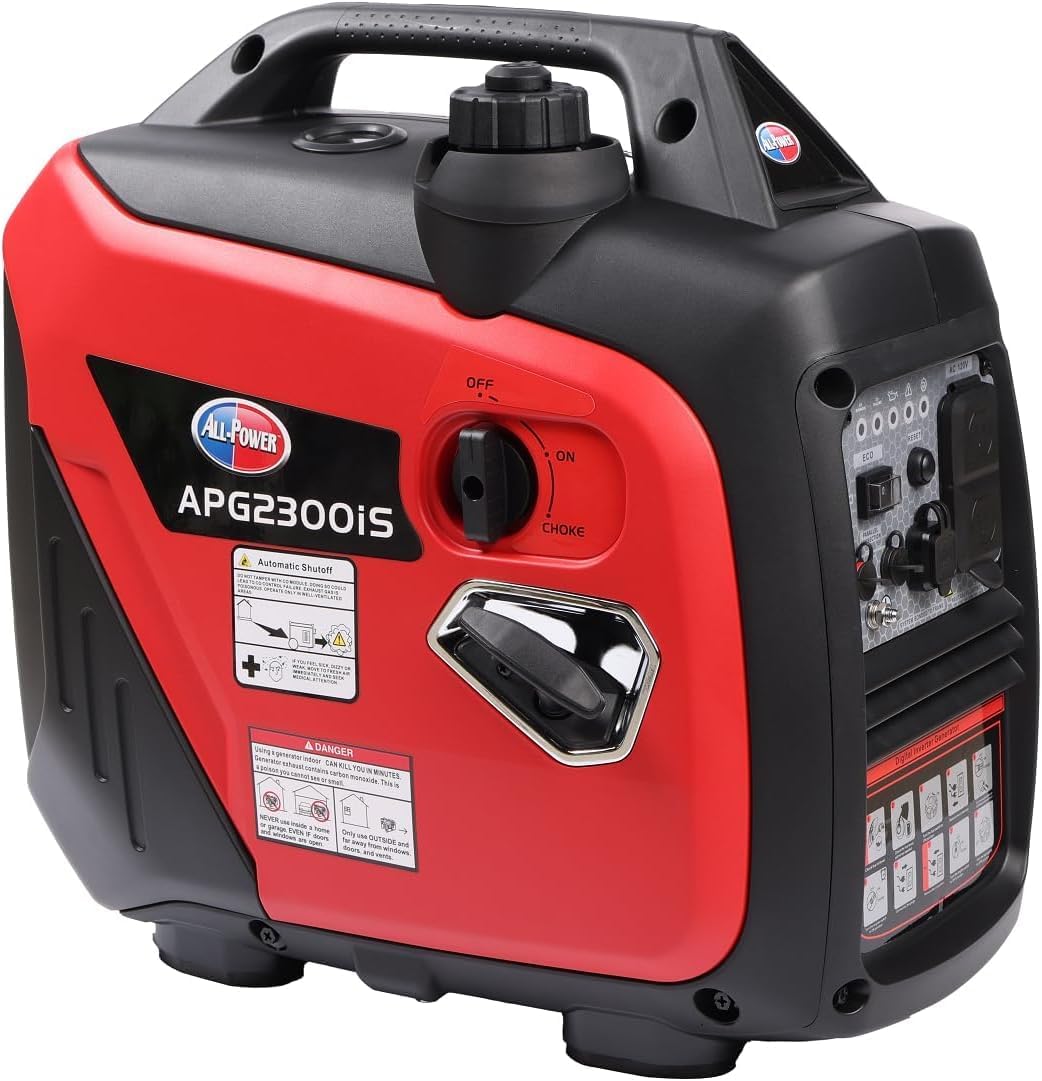
2000W Portable Inverter Generator for Home Use, Quiet Small Generator for Camping Outdoor, EPA Power Station with Fuel Shut Off and CO Minder, ECO Mode
A 2,000W gas inverter generator with CO Minder, a fuel shut off, and ECO mode, listed for home use and camping. It runs on fuel rather than a battery, so it suits long, heavy loads.
Visit on Amazon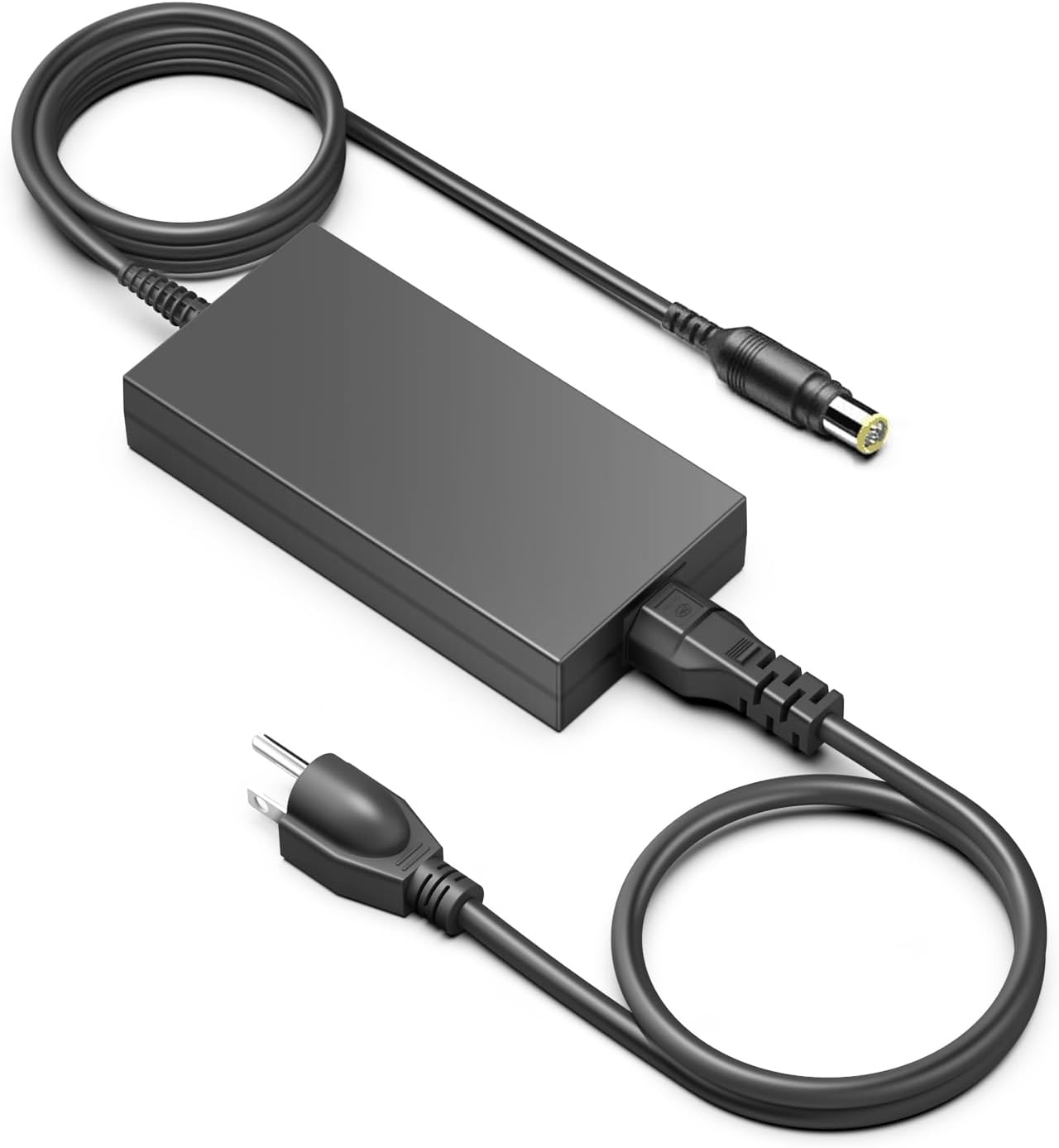
HKY 16V AC Adapter Replacement Goal Zero Yeti X 120W Power Supply Fit Yeti 300/500/700/200X/500X/1000X/1000 Core/1500X/3000X,Yeti 150/400/1250,Yeti Lithium 400/1000/1400/3000 Portable Power Station
A 120W 16V replacement AC adapter covering a long list of Goal Zero Yeti models, from the Yeti 150 up through the 3000X. This is a charging accessory, not a power station.
Visit on AmazonPrices and availability may change. Check the retailer for current details.
How these products were compared
This guide compares stored capacity in watt-hours, continuous and peak AC output ratings, battery chemistry, expandability and charging options, and what actually ships in the box. Product names, images, and retailer links are matched by ASIN so that every card points to the product shown.
Nothing here is presented as a bench measurement of these specific units. The comparisons are built from published specifications and the wording of each listing, which is why you will see a peak output figure labeled as peak instead of treated as a sustained rating. Where a listing omits a number, the card says so, and no winner is declared on missing data.
This article also does not print prices. Power station pricing moves with sales, bundles, and generation changes, and a stale number is worse than no number. Use the link in each card to confirm the current price, availability, and return terms before you commit.
How to choose the right power station
Start with a load list, not a watt-hour target. Write down everything you want to run during an outage, then note running watts and starting watts for each item. A phone charger is a rounding error. A fridge is a few hundred watts running and considerably more at compressor start, and a furnace blower sits in the same territory. Add running watts to size output, then estimate hours to size capacity. A 2,010Wh station against a 200W average draw works out to roughly ten hours on paper, less once you account for inverter losses and the fact that you should not plan to drain a lithium battery to zero.
Then pick the chemistry and the platform. LiFePO4 is the chemistry to look for if the unit will be cycled regularly, and it is a large part of why the HomePower 3600 Plus is described with an LFP battery rather than a generic lithium pack. Expandability matters if you are buying for a house rather than a tent: a station that accepts additional batteries can grow with your needs, while a sealed unit is a fixed quantity forever. If chemistry labels and cycle ratings are new to you, our LiFePO4 versus lithium-ion comparison breaks down what the difference means over a decade of use.
Anker SOLIX S2000 Portable Power Station
The Anker SOLIX S2000 is the pick of this group for a household that wants one box to carry the essentials through a multi-day outage without stepping up to a permanent home battery install. It stores 2,010Wh and lists a 3,000W peak AC output, which puts it in a useful capacity class for a fridge, a router, a modem, a few LED lights, and phone charging, provided you stagger the big loads instead of asking everything to start at once.
The trade-off is the one this class always has: a peak figure is not a sustained rating. Before buying, confirm the continuous AC output in the listing, because a peak number tells you what the inverter can survive for a moment, not what it can hold for an hour. If your outage plan includes a well pump or a large window air conditioner, check the starting watts on that appliance first and compare it against the published output. Confirm the included charging cables as well, since the fastest recharge path usually depends on a specific input.
Alternatives to consider
The Jackery Explorer 1000 v2 Portable Power Station is better suited to shorter outages and weekend use, where 1,070Wh and a 1,500W AC output is a sensible size rather than a compromise. The Jackery HomePower 3600 Plus Portable Power Station with 2X 200W Solar Panels is a stronger fit when you want a 3,584Wh LiFePO4 system with 3,600W of AC output, two 200W panels included, and a listed expansion path up to 21kWh for longer home backup or RV use.
The BP3000 3200W Solar Generator Portable Power Station, the 2000W Portable Inverter Generator, and the HKY 16V AC Adapter cover the rest of the field. The BP3000 leads with a 3,200W output figure, so the listing is where you confirm capacity and chemistry before treating it as a house-scale unit. The inverter generator is the only fuel-burning option here, with CO Minder, a fuel shut off, and ECO mode, and it is the right call for sustained high-wattage work where batteries would be an expensive way to buy hours. The HKY adapter is not a power station at all: it is a 120W replacement AC adapter covering a long list of Goal Zero Yeti models from the Yeti 150 through the 3000X, and it matters if your Yeti lost its original brick.
Day-to-day use and maintenance
Battery stations and gas generators want different habits.
On the battery side, keep the unit out of hard freezes and out of a hot car, charge it before an outage rather than during one, and store lithium at partial charge if it will sit for months. Exercise the station every few months by running a real load, and check that the app and firmware still behave, because a firmware update is the most common way a working station becomes a frustrating one. A unit that only powers on through its app is a design problem, not a feature.
On the gas side, the maintenance list is the one you already know from any small engine: fresh fuel, stabilizer if it will sit, and a run under load every month or two. The CO Minder and fuel shut off on the 2000W inverter generator are safety features, not conveniences, and they only help if you never run the unit indoors or in a garage, no matter how quiet it sounds or what ECO mode is doing.
One caveat applies to every product here: solar charging is a supplement, not a plan. Panels in the 200W range add meaningful watt-hours over a sunny day, and the HomePower bundle includes two of them, but a cloudy week or a shaded yard turns solar into a trickle. If your outage risk is measured in days rather than hours, buy capacity first and panels second.
Buying checklist
- Measure the loads you actually want to run, including starting watts for anything with a motor.
- Choose watt-hours from your normal outage length rather than an occasional worst-case week.
- Confirm that the exact model includes the output rating, chemistry, and cables you are counting on.
- Read the storage and maintenance instructions, especially for lithium packs and fuel-burning units.
- Verify the current retailer price, availability, and return terms before ordering.
Final recommendation
Choose the Anker SOLIX S2000 Portable Power Station when you want a 2,010Wh home backup unit with a listed 3,000W peak output and enough stored energy to cover refrigeration and communications through a multi-day outage. Choose the Jackery HomePower 3600 Plus Portable Power Station with 2X 200W Solar Panels when you need more stored energy, LiFePO4 chemistry, panels in the box, and a platform that expands toward 21kWh. If your outage risk or your budget is smaller, the Jackery Explorer 1000 v2 is the honest middle ground. If your loads are genuinely heavy and long, a fuel-burning inverter generator remains the cheaper way to buy hours. Where a listing leaves out the numbers that would settle a comparison, this guide leaves the question open rather than picking a winner on missing data.