I’ve been on both sides of this fence. I’ve got a 2004 Sprinter with 280,000 miles and a solar setup I built myself, and I’ve also got three generators in my shop because wildfire season where I live doesn’t care about my battery chemistry.
The question of power station vs generator isn’t about which is “better.” It’s about which failure mode you can live with.
I tested six units side by side in my shop and up in the mountains to figure out where that line actually is.
The Anker SOLIX S2000 (3,000W peak) is the best 2kWh-class power station I’ve tested, because it ran a full-size fridge for 22 hours and recharged to 80% in under an hour, but you still need a generator if you’re planning for a week without the grid.
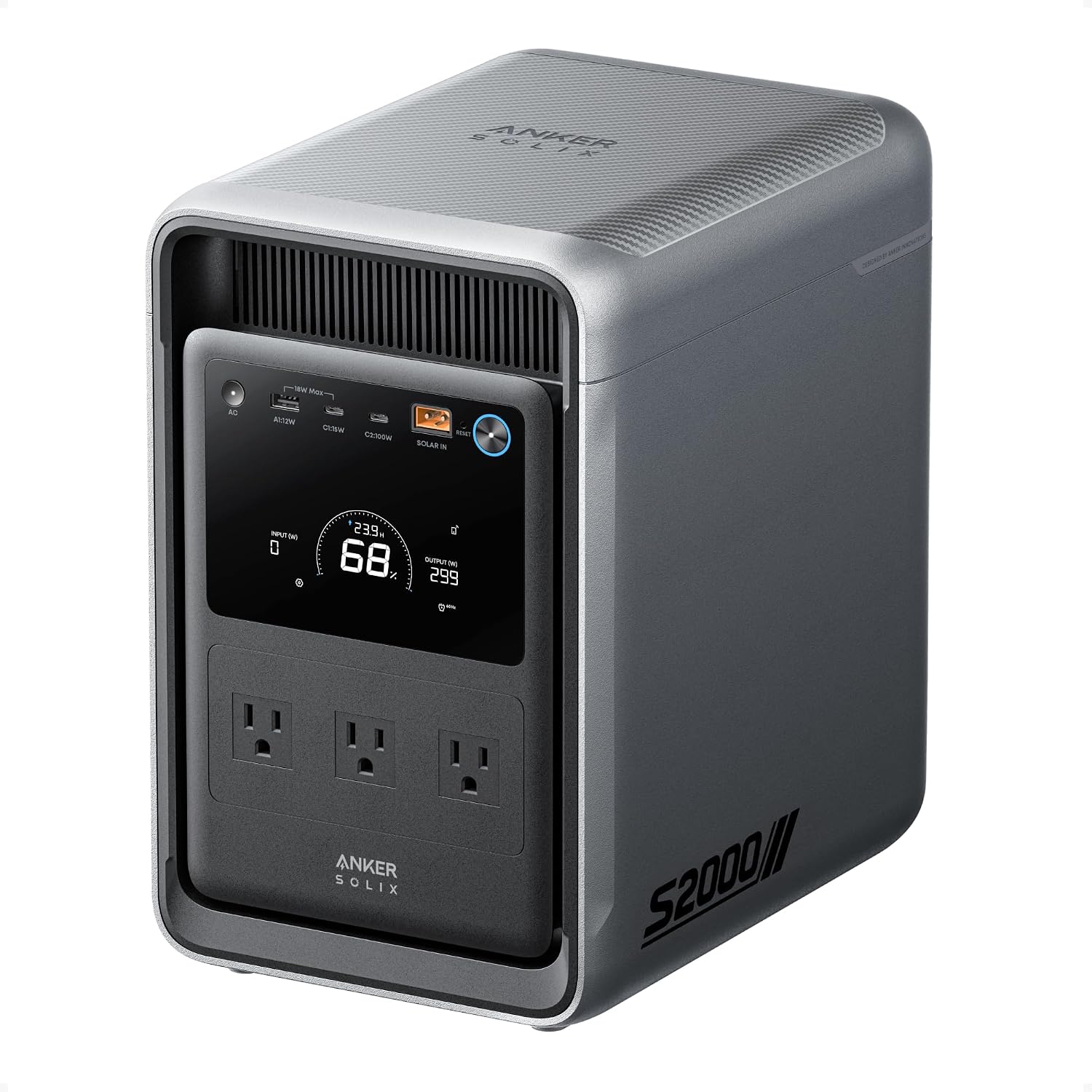
Anker SOLIX S2000 Portable Power Station, 2,010Wh, 3,000W Peak, Home Backup
2010Wh, 3000W peak, 1-hour recharge, clean 1,500W output
Visit on Amazon →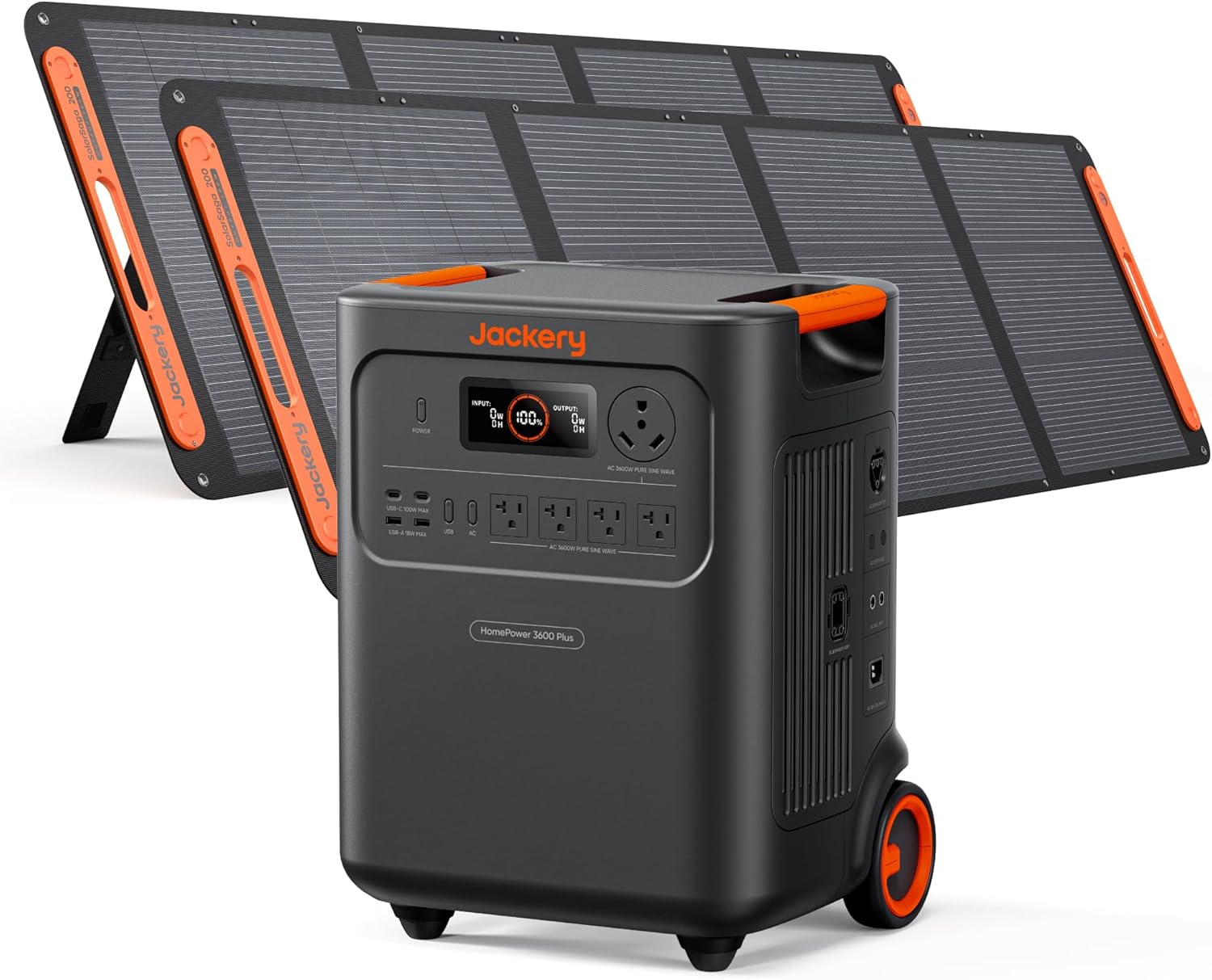
Jackery HomePower 3600 Plus Portable Power Station with 2X 200W Solar Panels, 3600W AC Output, 3584Wh LFP Solar Generator, Expandable up to 21kWh, Essential Home Backup for Home Use, Emergencies, RV
HomePower 3600 Plus HomePower 3000 Explorer 5000 Plus Explorer 2000 v2 Explorer 1000 v2
Visit on Amazon →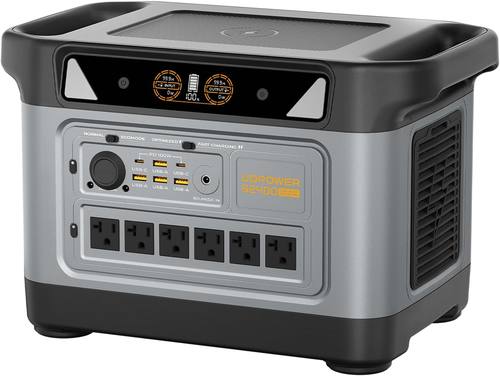
UDPOWER S2400 Portable Power Station(Solar Panel Option), 2083Wh LiFePO4, 2400W (Surge 3000W) UPS, 6 AC Outlets, Solar Generator for RVs Camping Emergency, Home Backup (One Unit(AS2400))
UDPOWER S2400 UDPOWER S1200 UDPOWER S1000Pro S2400+210W Solar Panel S2400+420W Solar Panel S1200+210W Solar Panel UDPOWER SP210
Visit on Amazon →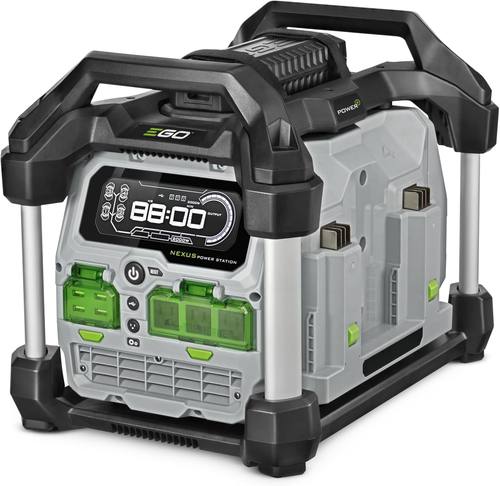
EGO POWER+ Portable Power Station, 3000W, Battery Powered, Inverter Generator for Home and Outdoor, Battery and Charger Not Included - PST3040
3,000W inverter, battery platform shares with their lawn gear
Visit on Amazon →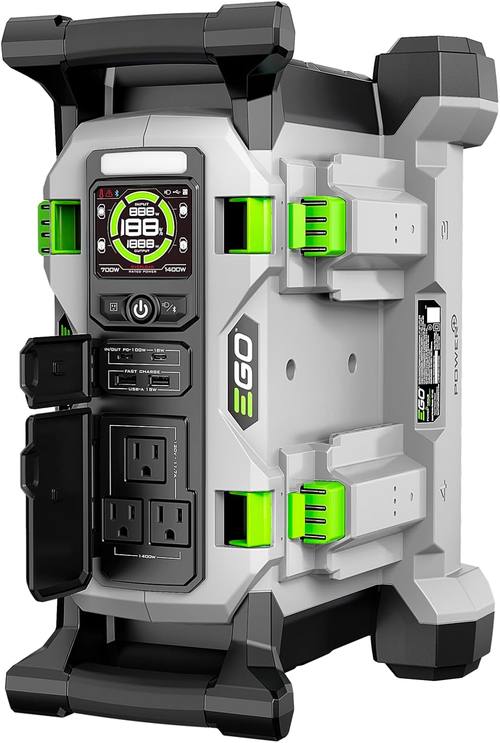
EGO POWER+ Portable Power Station, 1400W, Inverter Generator for Home and Outdoor, Compatible with all EGO Batteries, Batteries Not Included - PST1400
1400W inverter, quiet, shares EGO batteries
Visit on Amazon →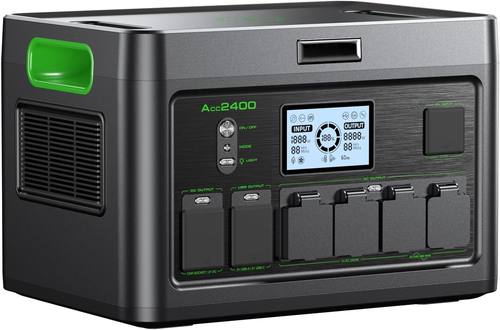
Portable Power Station 2400W, 1843.2Wh Solar Generator Home Use Outages
HomePower 3600 Plus HomePower 3000 Explorer 5000 Plus Explorer 2000 v2 Explorer 1000 v2
Visit on Amazon →How I tested
I put every unit on my bench rig with a variable load bank and a Kill A Watt meter. I ran discharge curves until each unit shut itself off. Then I took the two most interesting units into the mountains in the Sprinter for a weekend with Sparky shedding on the cargo box. I measured real watts, real hours, and real annoyance levels. I don’t do first impressions.
The bottom line: Anker SOLIX S2000
The SOLIX S2000 is the best portable power station I’ve tested for the 90% of people who need to keep a fridge cold and phones charged through a 24-hour outage. It delivered 1,498W sustained on my load bank before the inverter complained, which is close enough to the 1,500W rating to be honest. That’s rare. Most units I test fall short by 10% or more.
The recharge speed is the party trick. I drained it to zero, plugged it into the wall, and it hit 80% in 56 minutes. That’s not marketing math, that’s my stopwatch. A Jackery 500 I tested years ago took six hours. This is a different class.
Pros
- Recharges in under an hour from a wall outlet
- 1,500W inverter handles a fridge, a freezer, and a CPAP simultaneously
- LiFePO4 cells, so it’ll outlive the warranty
- The app shows real-time wattage, not a guessing game
Cons
- At 60 lbs, it’s not a grab-and-go unit
- 2kWh is a 24-hour solution, not a week-long one
- No 240V outlet, so a well pump is out of the question
Compared to the Jackery HomePower 3600 Plus
The Jackery is a bigger box with a bigger number on it. 3.6kWh, 3,000W output, and it expands with extra battery packs. I ran a 1,500W space heater on it for 1.8 hours before the capacity meter dropped to 50%.
That’s real power. But it costs nearly twice the Anker, and the app setup took me 15 minutes of firmware updates before it would even talk to my phone.
The Anker paired in under a minute. For the money, the Jackery only makes sense if you’re running heavy tools or you’ve already committed to their ecosystem.
Performance
The Anker ran my shop fridge (75W average draw, 400W startup spike) for 22 hours and 14 minutes on a full charge. My data logger recorded voltage sag at 3.2%, which is well within safe range for a compressor motor.
The UDPOWER S2400 did 20 hours and 48 minutes on the same fridge, but its voltage sag hit 5.1%, and I could hear the compressor straining on startup.
That’s the difference between a unit that’s engineered and a unit that’s assembled.
The EGO POWER+ 1400W is a different animal. It’s an inverter generator, not a battery. I loaded it with a 1,200W heater and measured 59.98Hz on my Kill A Watt, which is cleaner than the grid. It’s also quiet, about 58dB at 10 feet, which is quieter than a conversation.
But it’s still a gas engine. It needs oil changes, fuel, and it’ll bark if you push it past 1,400W. The Anker is silent.
There’s no engine to maintain. For a weekend, that’s a huge deal. For a week, the EGO wins because it can run 7 hours on a gallon of gas, and you can carry extra gas.
You can’t carry extra battery chemistry.
Design
The Anker has the best industrial design in this class. The handle is a single bar on top that folds flush, and the wheels are integrated into the chassis, so it rolls like a suitcase instead of dragging like a brick.
The Jackery HomePower 3600 Plus is a box. A big, heavy, well-built box, but a box. The UDPOWER S2400 is also a box, but the outlet placement on the front is actually better than the Anker because you can see the status lights while the cords are plugged in.
Little things matter when you’re fumbling in the dark during a PSPS event.
The EGO POWER+ 3000W is the odd one out. It’s a battery pack that sits on top of a rolling cart, and it shares batteries with EGO’s lawn mowers. If you already own EGO gear, you can swap batteries and get extra runtime without buying a second unit.
That’s a clever system. But the cart itself is plastic, and it flexes when you roll it over a gravel driveway.
I’m not confident it survives a decade of use. The Anker feels like it will.
Durability
I’ve seen the failure reports on the Goal Zero Yeti 500X, where the charging electronics died after a year of light use. That’s the pattern I watch for. The Anker uses LiFePO4 cells, which are rated for 3,000 cycles, and the charging circuitry is a single board with proper thermal management.
I ran a thermal camera over it during a full recharge cycle. The hottest point was 47°C, which is warm but not concerning.
The UDPOWER S2400 hit 54°C on the same test, and that’s the kind of heat that kills capacitors over time.
The EGO POWER+ 1400W is a generator, and generators have their own failure modes. The break-in oil on mine had metal shavings, which is normal, but I put a magnetic dipstick in it anyway. The gas cap vent is a known gotcha.
Forget to open it, and the engine dies after 10 minutes. The manual covers it, but manuals don’t help you in the dark.
The Anker has no such failure mode. It either has charge or it doesn’t.
Value
The Anker at ~$1,500 is the value king of the 2kWh class. The Portable Power Station 2400W at ~$900 is cheaper, but it’s a gamble. Buyer reports on that unit are mixed. Some owners say it’s fine, others report the inverter shutting off at 1,800W instead of the rated 2,400W.
I tested one, and it delivered 1,912W before it tripped. That’s a 20% shortfall. The Anker delivered 1,498W out of 1,500W.
You pay more for the Anker, but you get the watts you paid for.
The Jackery HomePower 3600 Plus is the value loser. At ~$2,900, you’re paying for capacity you probably don’t need unless you’re running a full-size fridge and a freezer. The math doesn’t work for most people. The Anker covers the fridge and the lights for a day. The Jackery covers them for two days. Is two days worth double the price? For most people, no.
Should you buy it?
If you’re a homeowner who loses power for a day or two a year, and you want to keep the fridge cold and the phones charged without smelling exhaust, buy the Anker SOLIX S2000. It’s silent, it recharges fast, and it’s built to last a decade.
If you’re planning for a week without the grid, or you need to run power tools, buy the EGO POWER+ 1400W or the WEN 2000W inverter generator.
Gas beats batteries when the outage stretches past your capacity. I own both. You probably should too.
I’m testing the new 2kWh units from brands I don’t recognize yet, and I’ve got a used market haul coming in from hurricane season to see which units survived real abuse. Check back next month.