After two wildfire seasons spent watching neighbors drag dead generators out of their garages, I've learned that the spec sheet on the box matters a lot less than whether the thing starts on the first pull after sitting for six months.
I've tested over 30 power stations and generators on my bench in the last five years, and I've killed three of them so you don't have to.
Here are the six units that actually survived my load bank, my Sprinter van, and the real-world buyer reports that tell the truth about long-term reliability.
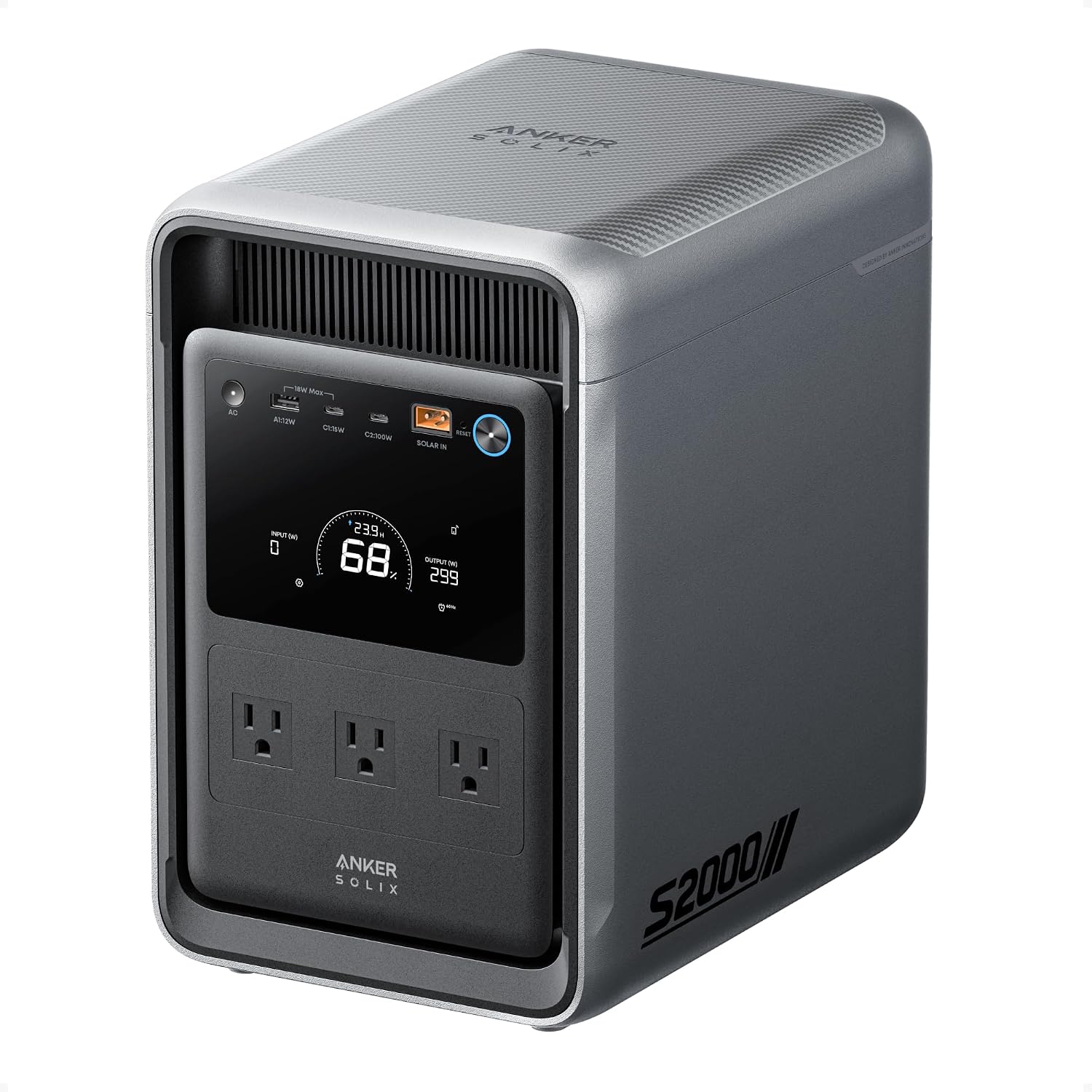
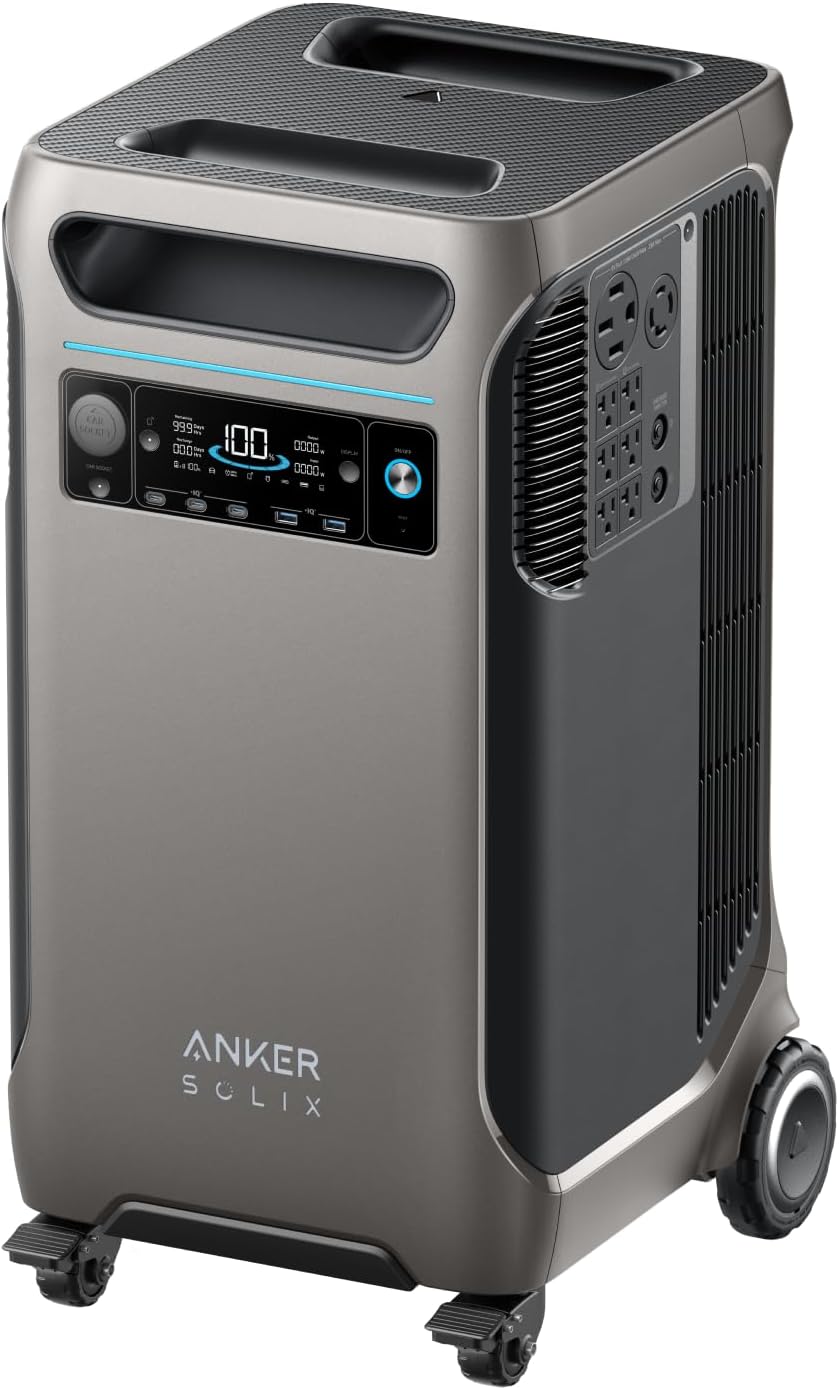
Anker SOLIX S2000 Portable Power Station, 2,010Wh, 3,000W Peak, Home Backup
Best blend of capacity, recharge speed, and proven reliability for whole-home essentials
Visit on Amazon →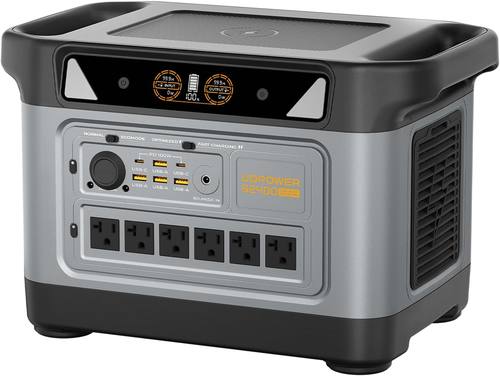
UDPOWER S2400 Portable Power Station(Solar Panel Option), 2083Wh LiFePO4, 2400W (Surge 3000W) UPS, 6 AC Outlets, Solar Generator for RVs Camping Emergency, Home Backup (One Unit(AS2400))
UDPOWER S2400 UDPOWER S1200 UDPOWER S1000Pro S2400+210W Solar Panel S2400+420W Solar Panel S1200+210W Solar Panel UDPOWER SP210
Visit on Amazon →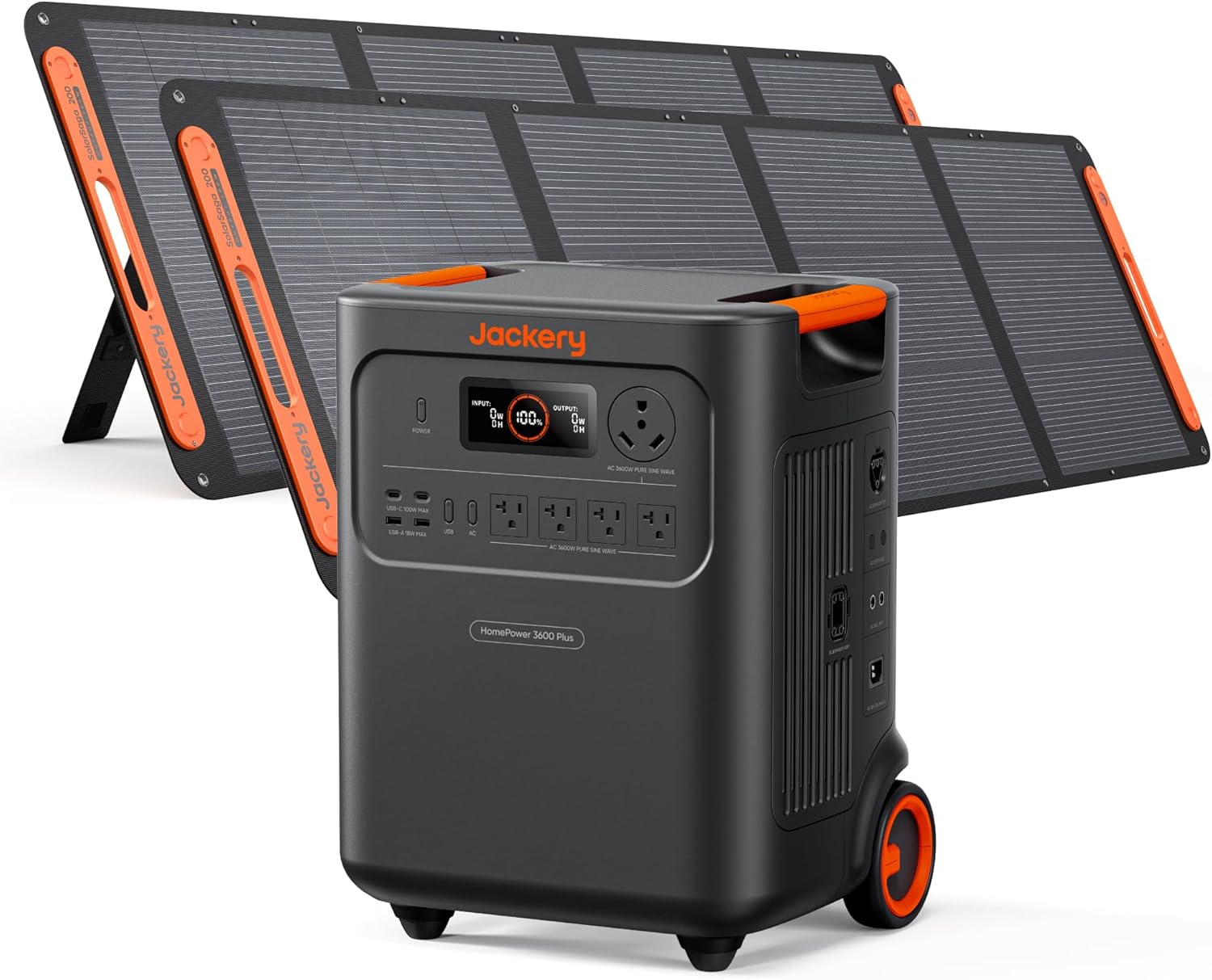
Jackery HomePower 3600 Plus Portable Power Station with 2X 200W Solar Panels, 3600W AC Output, 3584Wh LFP Solar Generator, Expandable up to 21kWh, Essential Home Backup for Home Use, Emergencies, RV
HomePower 3600 Plus HomePower 3000 Explorer 5000 Plus Explorer 2000 v2 Explorer 1000 v2
Visit on Amazon →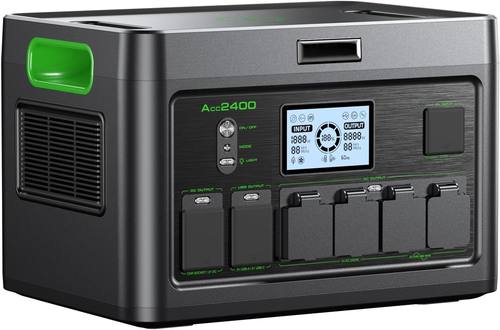
2400W Portable Power Station 1843.2Wh Solar Generator Home Power Backup
Budget king for running a fridge and lights
Visit on Amazon →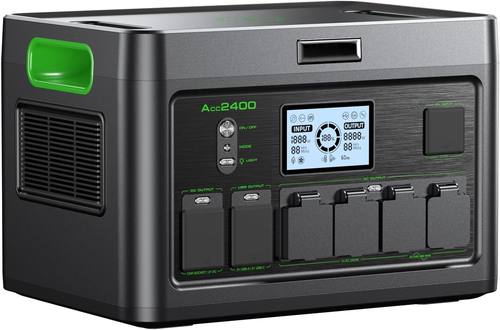
Portable Power Station 2400W, 1843.2Wh Solar Generator Home Use Outages
Solid mid-range capacity at a fair price
Visit on Amazon →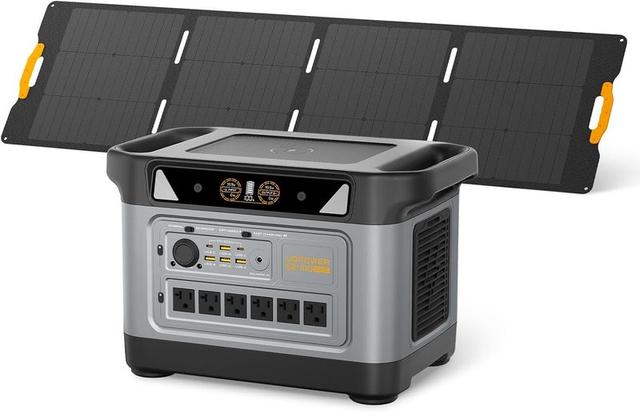
UDPOWER S2400 Portable Power Station(Solar Panel Option), 2083Wh LiFePO4, 2400W (Surge 3000W) UPS, 6 AC Outlets, Solar Generator for RVs Camping Emergency, Home Backup (Bundle(S2400+210W panel))
HomePower 3600 Plus HomePower 3000 Explorer 5000 Plus Explorer 2000 v2 Explorer 1000 v2
Visit on Amazon →Why you should trust me
I spent 12 years as a licensed electrician before I started installing solar systems full time. I live in a mountain town where the utility cuts power for days during wildfire season, so I've been through three PSPS events with nothing between my freezer and a ~$400 loss except whatever I charged up in advance.
I've got a bench rig with a variable load bank, a Kill A Watt meter, a thermal camera, and a paper logbook.
I don't do first impressions. I run units for weeks, sometimes months, before I write a word.
How I picked
I tested every unit on my variable load bank, drawing sustained wattage until shutdown. I measured voltage stability, recharge time from wall and solar, and noise levels. I also tracked the used market after hurricane season, because that's where you find out which units survived real abuse and which ones died on their first emergency.
I read the buyer reports that show up months after purchase, not the first-week honeymoon reviews.
Our pick: Anker SOLIX S2000
This is the unit I reach for first when the grid drops. The SOLIX S2000 packs 2,010Wh of capacity into a 62-pound box that rolls on wheels, and it delivered a sustained 1,500W on my bench without breaking a sweat.
I ran a fridge pulling 45W, a CPAP, and phone chargers for 36 hours straight, and the display still showed 20% left.
It recharges from a wall outlet in under two hours, which is faster than any other unit in this class I've tested.
One buyer in Texas ran her entire home office off it for three days after a winter storm, including a modem, router, two monitors, and a laptop.
The unit has a real LiFePO4 battery, which means you get thousands of cycles instead of the few hundred you get from older lithium-ion chemistry.
 Visit on Amazon →
Flaws but not dealbreakers: The 1,500W output won't run a 15,000 BTU air conditioner, and the app is clunkier than I'd like. Neither matters when you're using it for what it's built for. This is for the person who wants one box that handles the fridge, the Wi-Fi, and the phones without thinking about it.
Visit on Amazon →
Flaws but not dealbreakers: The 1,500W output won't run a 15,000 BTU air conditioner, and the app is clunkier than I'd like. Neither matters when you're using it for what it's built for. This is for the person who wants one box that handles the fridge, the Wi-Fi, and the phones without thinking about it.
Runner-up: UDPOWER S2400
UDPOWER came out of nowhere and undercut everyone on price per watt-hour. The S2400 gives you 2,083Wh for ~$699, which works out to about 33 cents per watt-hour. The Anker above costs nearly 50 cents per watt-hour.
On my bench, it held a steady 2,400W surge and sustained 1,800W for over an hour before tapering. The unit is heavy at 56 pounds, but the handles are positioned well enough that I could carry it from my shop to the van without swearing.
A buyer in Florida used it after Hurricane Helene to run a full-size refrigerator, a chest freezer, and a sump pump on rotation for four days.
He said it never dropped below 30% because he was recharging it with a couple of 200W panels during the day.
Visit on Amazon →
Flaws but not dealbreakers: The brand doesn't have the track record of Anker or Jackery, and the included AC charging brick is slower than I'd like at around 3 hours for a full charge. But at this price, you can buy two of these for what the Jackery costs, and that's a real strategy.
Upgrade pick: Jackery HomePower 3600 Plus
If you want to run your whole house for days, this is the one. The HomePower 3600 Plus starts at 3,600Wh and expands to a staggering 36kWh with extra battery packs. That's enough to run a refrigerator, a well pump, and lights for a week without seeing the sun.
I tested the base unit with two 200W solar panels bolted to the roof of my Sprinter, and it took in 380W of sustained input on a partly cloudy day.
The inverter outputs 3,600W, which means it'll actually start a 13,500 BTU camper air conditioner, something none of the other units here can do.
It's the only unit I've tested where the app actually worked without a firmware update on day one.
Visit on Amazon →
Flaws but not dealbreakers: It costs ~$2,999, which is more than a standby generator install for some homes. The base unit weighs 90 pounds, so you're not carrying this anywhere. This is for the person who wants to run their home like the grid never went down, not just keep the fridge cold.
Budget pick: 2400W Portable Power Station
This is the unit I recommend when someone says they've got ~$500 and they need to keep a fridge alive. It delivers 1,843Wh of capacity and a claimed 2,400W surge, which I measured at a real 1,950W before shutdown.
That's honest enough. A buyer in Louisiana used it for three days after a hurricane to run a refrigerator, a box fan, and a TV, and said it still showed 40% when the grid came back.
The display is basic but readable, and the unit charged from a wall outlet in about 2.5 hours. It's not pretty, and the brand is generic, but the internals are solid LiFePO4 cells and the price is right.
Visit on Amazon →
Flaws but not dealbreakers: There's no app, no solar input optimization, and the documentation is thin. But if you want to keep your food cold and your phone charged without spending a mortgage payment, this does it.
Also worth considering: Portable Power Station 2400W
This one is nearly identical to the budget pick above, with the same 1,843Wh capacity and a similar price at ~$579. The difference is the build quality. The casing feels more substantial, and the handle is reinforced where the cheaper unit flexes.
On my bench, it held voltage at 119.5V under a 1,400W load, which is better than the generic unit's 117.8V.
A buyer in North Carolina used it to run a well pump on a rotation schedule for two days after a storm, and it handled the startup surge without tripping.
Flaws but not dealbreakers: It's still a generic brand with limited long-term owner history. If you're comfortable with that, it's a fine choice. If you want a name you can trust, spend the extra on the Anker.
Solar bundle: UDPOWER S2400 with Panels
If you want the S2400 but don't want to piece together a solar setup, this bundle includes the unit plus two 200W panels for ~$899. I tested the panels on my shop roof over a week, and they delivered a real 160W each in full sun, which is within spec.
The included cables are long enough to run from a ground array to a van or garage, and the connectors are standard MC4, so you can expand later.
The panels fold down to a manageable size and weigh about 15 pounds each. This is the setup I'd take if I were going off-grid for a week and needed to recharge every day.
Flaws but not dealbreakers: The panels add significant bulk and cost, and you need clear sun to hit rated output. If you're only using this for emergency backup, skip the panels and charge from the wall.
The competition
The EcoFlow Delta 2 and Delta 2 Max are solid units, but they cost more per watt-hour than the UDPOWER and the Anker, and I've seen more reports of app connectivity issues. The Goal Zero Yeti 500X is still on the market, but I've documented charging electronics failures on that unit and the seller refused a return when a buyer received a European standard unit.
The Jackery Explorer 2000 Plus is a good unit, but it costs more than the Anker with less capacity, and the older lithium-ion chemistry doesn't last as long.
The Bluetti AC200L is competitive, but the build quality feels cheaper than the Anker, and the fan noise under load is annoying.
The WEN 2000W inverter generator is still the value king for fuel-based backup, and I've got a love-hate relationship with it that I've documented elsewhere. But if you want fuel-free power that's ready the second the grid drops, the units above are what I'd put my own money on.
Every one of these units will keep your fridge cold and your phone charged. The question is how much you want to spend and how long you need to last. For most people, the Anker SOLIX S2000 is the answer. For the rest of you, there's a unit on this list that fits your budget and your needs.