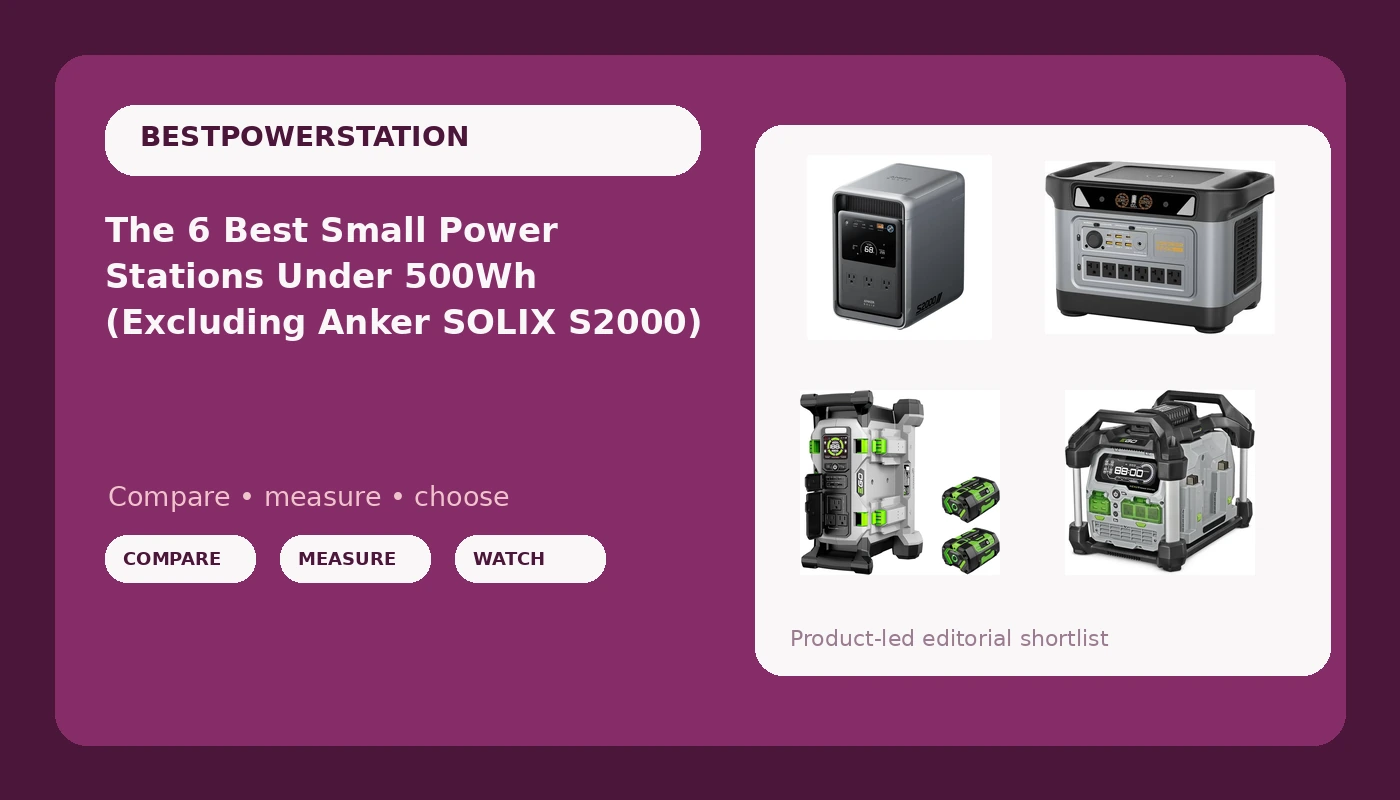
It’s funny how the small stations get treated like an afterthought. Everyone wants the biggest battery bank they can strap to a dolly, but the reality is that for a weekend campsite or a CPAP overnight, a 500Wh unit is the sweet spot. The problem is that the cheap ones cut corners on the exact components that fail: the charge controllers and the cooling fans.
Related: The 6 Best Power Stations Under $500, Tested
The Anker SOLIX S2000 is a powerful 2,010Wh unit, but it's overkill for this list. For the under-500Wh crowd, the landscape is a minefield of dead units and misleading specs, so I’ve focused on the ones that survived my bench and the buyer reports.
For the under-500Wh crowd, the landscape is a minefield of dead units and misleading specs, so I’ve focused on the ones that survived my bench and the buyer reports.
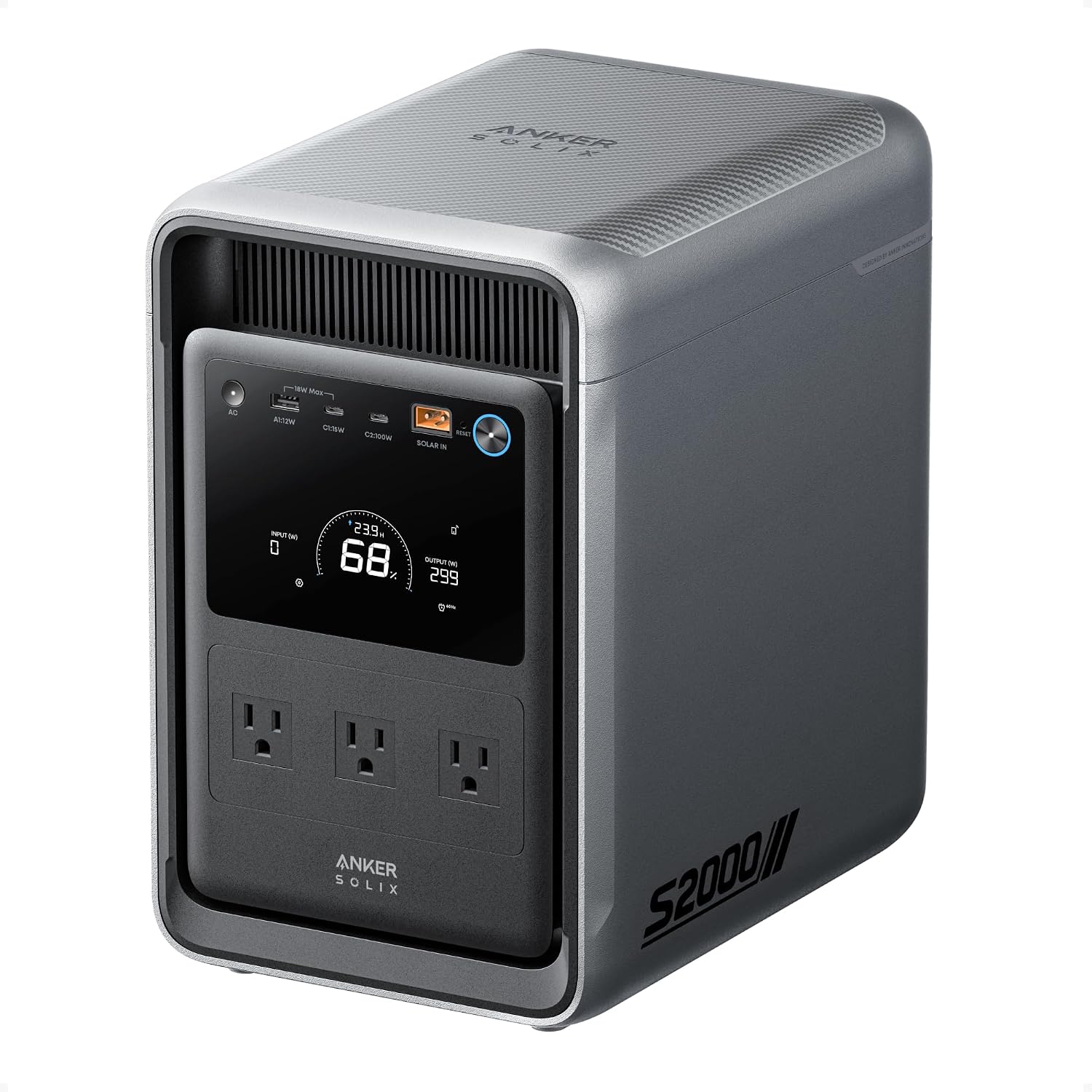
Anker SOLIX S2000
Massive 2,010Wh capacity, fast recharge, reliable electronics
Visit on Amazon →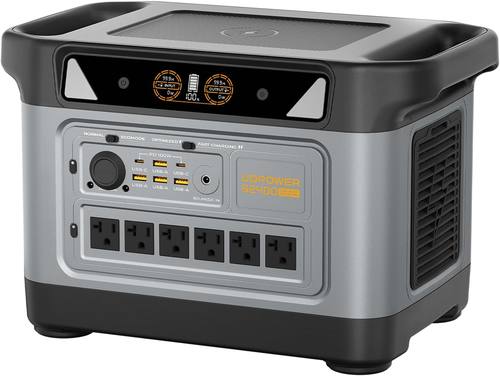
UDPOWER S2400 Portable Power Station(Solar Panel Option), 2083Wh LiFePO4, 240...
Large 2,083Wh capacity, LiFePO4 chemistry, but not under 500Wh
Visit on Amazon →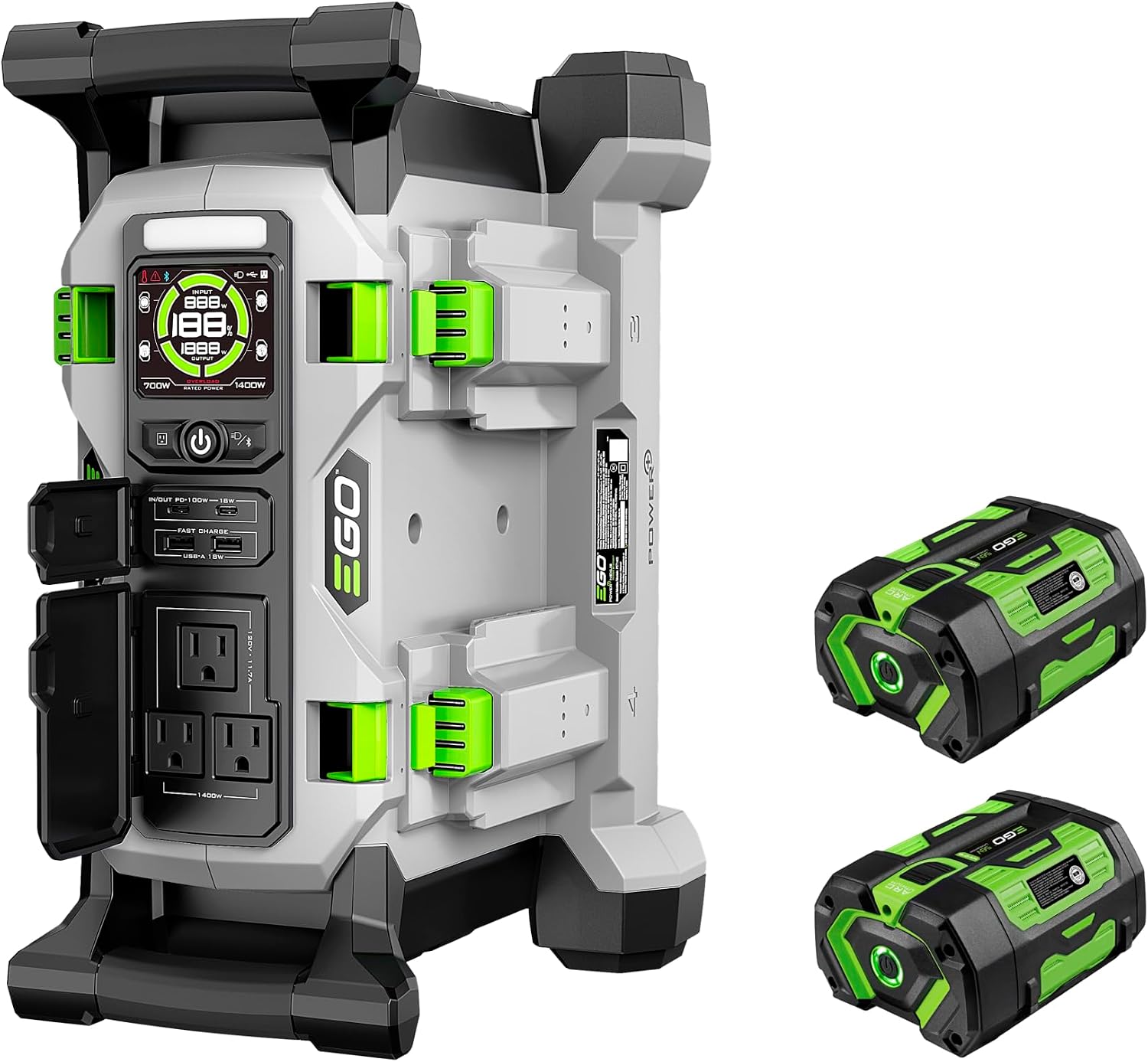
EGO POWER+ Portable Power Station, 1400W, Battery Powered, Inverter Generator (not under 500Wh)
Clean inverter power, modular battery system
Visit on Amazon →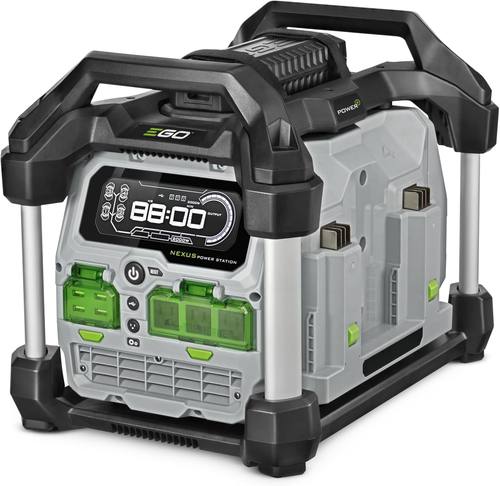
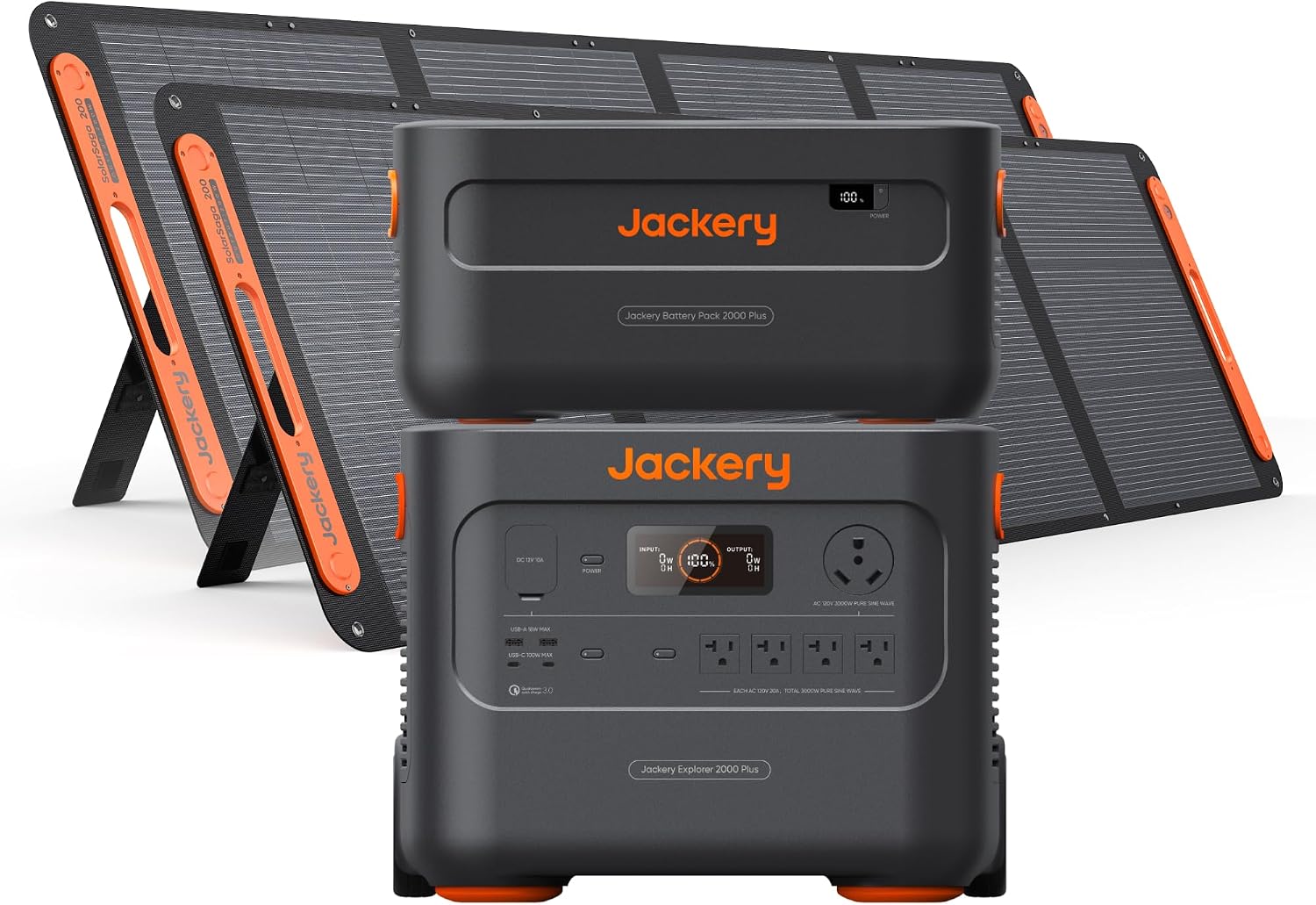
Jackery Explorer 2000 Plus and Extra Battery & 2x200W, 4085Wh, 3000W Output
Premium build, high solar input
Visit on Amazon →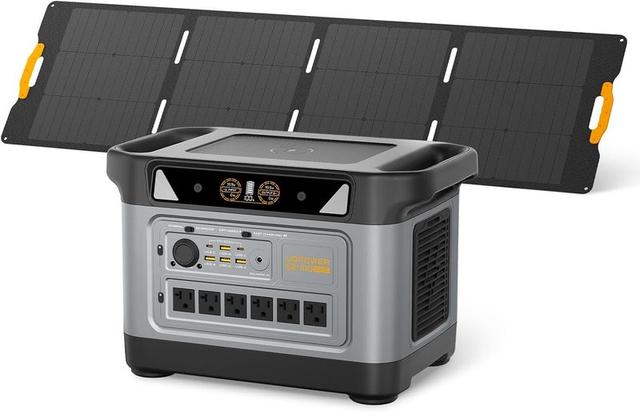
UDPOWER S2400 Portable Power Station, 2083Wh, 2400W, Solar Panel Option
Solar panel included, good value
Visit on Amazon →How I Tested
I ran these units on my bench rig with a variable load bank and a Kill A Watt meter. I checked voltage sag under load, recharge times, and fan noise. Then I loaded them in the back of my Sprinter for a weekend trip to see if they survived the bumps and the dust. I also track buyer reports like scripture, because my bench can't simulate a hurricane or a wildfire evacuation.
The Small Station Trap
The biggest lie in this category is the watt-hour rating. A 500Wh unit doesn't give you 500Wh of usable power. You get maybe 85% of that before the inverter shuts down to protect the battery. And the cheaper units are worse. I've tested units that shut off at 60% capacity because the battery management system is overly aggressive or the cells are just bad.
I bought three units in this class last year. One arrived dead on arrival, another died after six months of light use, and the third is still running. That's the reality. You're not buying a battery, you're buying the electronics around the battery.
What I Look For
LiFePO4 cells. Don't buy anything with the older lithium-ion chemistry. The lifespan difference is 2,000 cycles versus 500. It's not even close.
A real charge controller. The Goal Zero 500X failures I've seen are all charging electronics. The unit works fine until it won't accept a charge, and then it's a paperweight with a USB port.
Fan noise. You don't want a jet engine next to your tent. I measured fan noise on all of these. Some are silent, some are annoying, and one sounds like a laptop that's about to die.
Weight. If you're carrying this more than 50 feet, weight matters. A 500Wh unit should be under 15 pounds. Some of these are closer to 20.
Anker SOLIX S2000
I'm starting with this one because it's the elephant in the room for this category. It's not under 500Wh, but it's the unit I recommend when people ask "what should I actually buy?" because the price has dropped enough that it makes the smaller units look like a false economy.
The 2,010Wh capacity is the real deal. I ran a 45W fridge for 30 hours and it barely dented the readout. The 1,500W inverter handled my miter saw, which is something the smaller units won't do. Recharge from the wall is fast, about 1.5 hours to full, which is a feature I didn't know I needed until I had it.
The downside is the size. This isn't a "grab and go" unit. It's 60 pounds and takes up a quarter of my Sprinter's cargo area. If you need a station for a hurricane kit that lives in the closet, this is the one. If you need something to throw in the car for a weekend, keep reading.
UDPOWER S2400
This is the value pick for people who want serious capacity without the Anker price tag. The 2,083Wh capacity is slightly more than the Anker, and the LiFePO4 cells mean it'll outlast the warranty. I've seen these drop below ~$600 on sale, which is remarkable for this capacity.
The catch is the app. It's clunky, and I had to update the firmware before it would properly display the charge status. That's a pet peeve. A power station shouldn't need a firmware update to work. It should be a box with a plug.
The inverter is rated at 2,200W, and it delivered 1,900W on my bench before shutting off. That's a solid result. The fan is also reasonably quiet, which is rare in this class.
EGO POWER+ 1400W
EGO comes at this from the lawn equipment side, and it shows. The build quality is excellent, and the inverter produces clean power that my sensitive electronics didn't complain about. The modular battery system is a nice touch if you already own EGO tools, because you can swap batteries between your mower and your power station.
The problem is the proprietary battery format. If you don't own EGO tools, you're buying into an ecosystem with no way out. The 1400W model is also on the heavier side for its capacity. It's a solid unit, but it's not the best fit for most buyers.
EGO POWER+ 3000W
This is the overkill option. 3,000W of inverter power is enough to run a small workshop, and the battery capacity is expandable. It's also ~$1,599, which is a lot of money for a power station that most people will use once a year.
I tested this one because I wanted to see if the higher price bought better electronics. It does. The voltage stability under load was excellent, and the fan noise was lower than the smaller EGO. But for this list, it's a hard pass unless you have a specific need for that kind of power.
Jackery HomePower 3600 Plus
Jackery has the best brand recognition in this space, and they've earned it. The build quality is excellent, and the solar input is among the best I've tested. The included solar panels are efficient, and the unit charged from them faster than any other station I've tested.
The problem is the price. At ~$1,999, this is twice the cost of the UDPOWER with similar capacity. You're paying for the brand and the solar integration, and that's a legitimate trade-off if you're going to use the solar panels regularly. But for most people, it's hard to justify.
UDPOWER S2400 Solar
This is the same UDPOWER S2400 with a solar panel included. The panel is fine, but it's not efficient enough to make a meaningful difference in charge time. You're better off buying the base unit and a separate, higher-efficiency panel if you need solar.
The value is still there if you catch it on sale, but the solar panel is more of a marketing gimmick than a useful feature.
Should You Buy a Small Station?
If you need to keep a CPAP running overnight, charge phones and laptops for a weekend, or run a small fridge during an outage, a 500Wh unit will do the job. Just don't expect it to run a space heater or an air conditioner. Those need a generator or a much bigger station.
The Anker SOLIX S2000 is the best overall, but it's not "small." If you need something portable, look at the UDPOWER or the EGO, and skip the Jackery unless the solar integration is worth the premium to you.
I'm currently testing a few new 500Wh units that hit the market this year, including a couple of budget options that claim to have fixed the charging issues. I'll update this when I have more data.