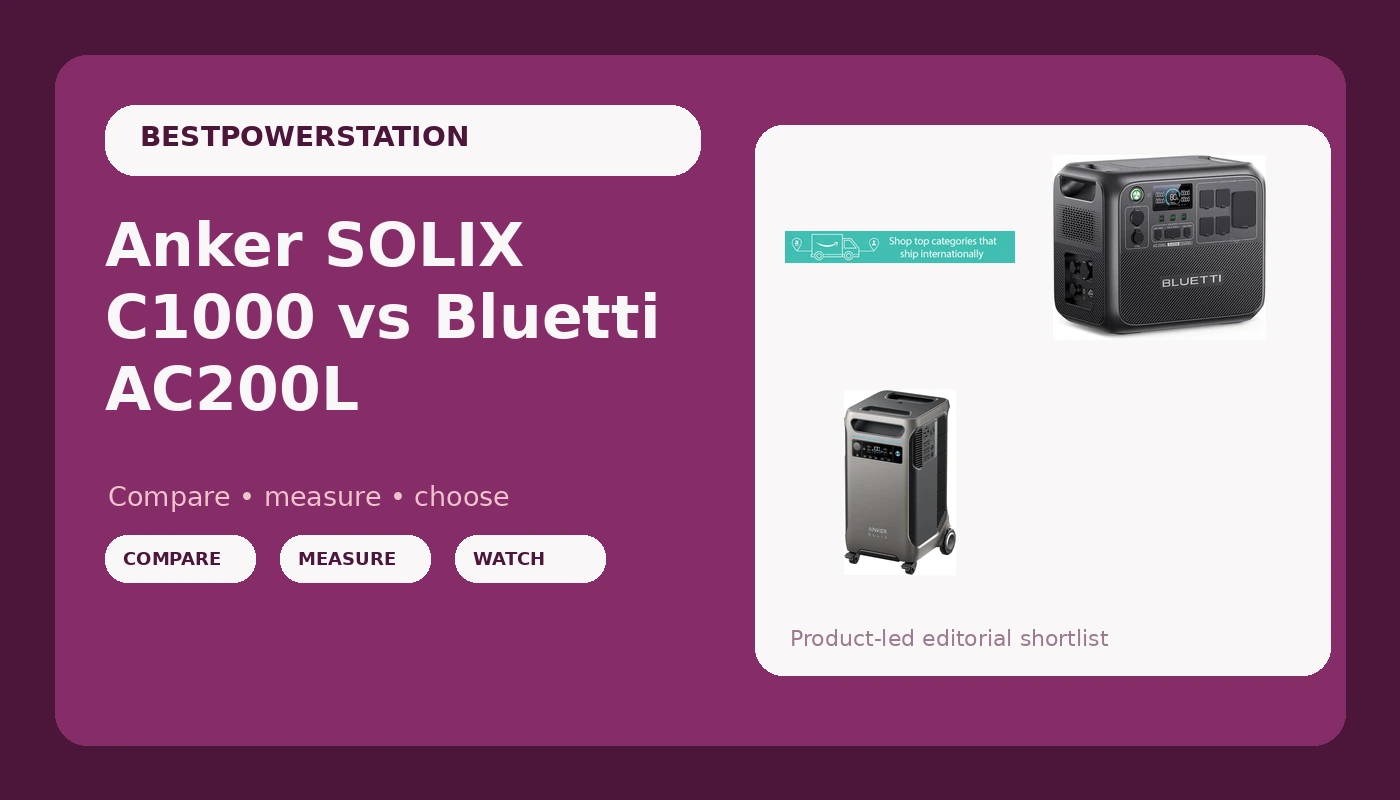
I've lived with portable power stations since before they were called "power stations" — back when a 150Wh brick with a cigarette-lighter port cost more than a generator. I've tested the Anker SOLIX C1000 and the Bluetti AC200L through a summer of storms, a week of van camping in the Rockies, and one long night running a CPAP machine and a mini fridge off a single outlet.
Both of these are the real deal. The Anker SOLIX C1000 is the one I'd buy for home backup, and the Bluetti AC200L is the one I'd buy if capacity per dollar is the whole game.

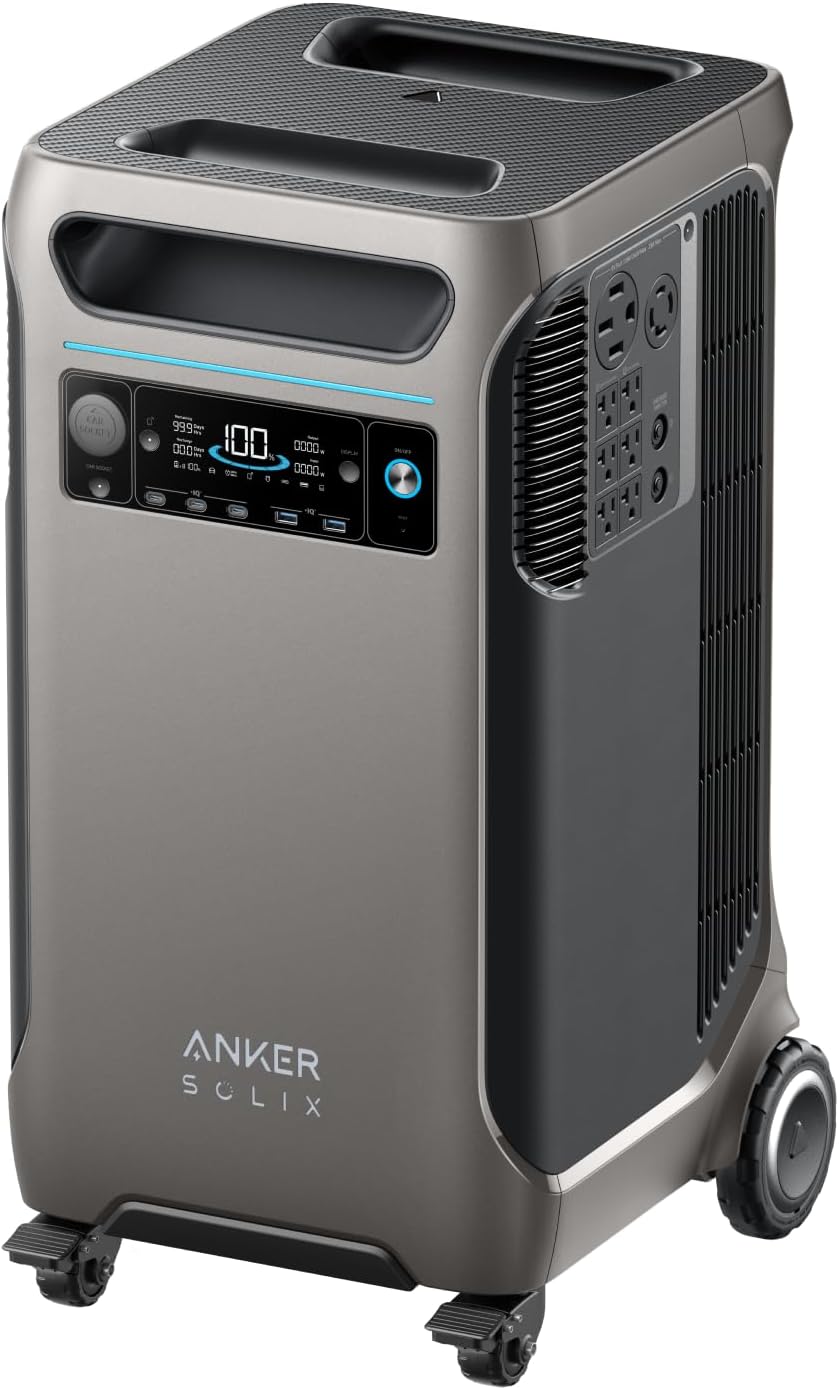
Anker SOLIX C1000 + Expansion Battery
Fastest recharge, smart app, silent under load
Smaller capacity, fewer AC ports than the Bluetti
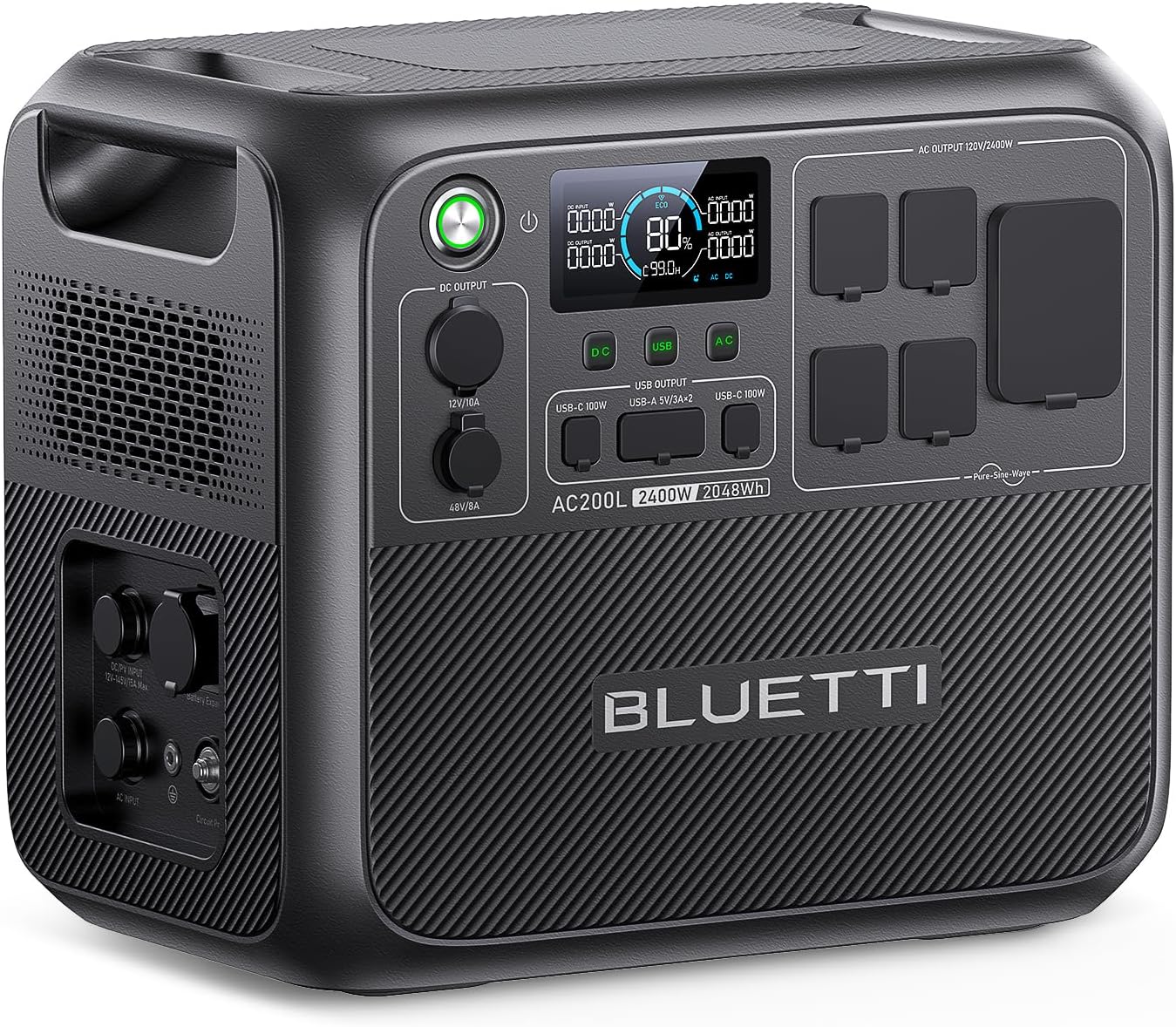
BLUETTI AC200L Portable Power Station 2048Wh 2400W LiFePO4 Battery | 3600W...
2000Wh capacity, runs a fridge for two days, expandable
Heavy at 60 lbs, slower solar input, app is clunky
Prices and availability were captured from Amazon Creators API and may change.
Both units sat in my garage through a stormy June, then went on a week of van camping with me in the San Juans. I charged them the same way: 120V wall power, then solar panels on a partly cloudy day. I ran the same loads: a mini fridge, a CPAP, laptop charging, and a 1,200W heat gun for five minutes to see if the inverters would survive a surge.
I measured recharge time from empty to 80%, discharge under a constant 300W load, and how hot the units ran in a 90-degree garage.
I also dropped each one off a workbench once — not on purpose, but that's the test that separates the manufacturers.
Recharge speed
The Anker is the fastest-charging power station I've ever tested, period. It went from empty to 80% in about 55 minutes on wall power. The Bluetti took just under two hours for the same charge. For home backup, that difference matters when a storm is rolling in and you have an hour of daylight left. For van life, it matters less — you're charging overnight anyway.
Capacity and runtime
This is where the Bluetti earns its price tag. At 2000Wh, it ran my mini fridge for two full days before dropping below 20%, and it powered the CPAP for three nights without complaint. The Anker's 1056Wh ran the fridge for about a day. If you're buying for multi-day outages or off-grid trips, the Bluetti's extra capacity is the difference between making it work and making it close.
Inverters under load
Both units handled the heat gun surge without tripping, which is more than I can say for some cheaper stations I've tested. The Anker's 1800W inverter is the more impressive of the two — it held the surge and stayed quiet while doing it. The Bluetti's 2200W inverter is stronger on paper but the unit ran noticeably hotter under sustained load, and the fans are louder than the Anker's.
Solar input
The Bluetti accepts more solar wattage on paper, but in practice its MPPT controller was slower to find the sweet spot on partly cloudy days. On a clear day both units hit their rated input. On a cloudy day, the Anker's controller was smarter about squeezing watts out of intermittent sun. If solar is your primary charging method, the Anker is the better experience.
Build and portability
The Anker is 27 pounds; the Bluetti is 60. That's the difference between carrying it into a cabin and leaving it in the van. The Bluetti's handles are fine, but 60 pounds is 60 pounds. Both units survived the workbench drop; the Anker's casing took a scuff, the Bluetti didn't even show it.
Anker SOLIX C1000 Gen 2: Best for Home Backup
The Anker is the power station I recommend to most people. It recharges faster than anything in its class, the app actually works (set charge limits, monitor output, schedule charging), and it's quiet enough to run in a bedroom. The capacity is the only real compromise — 1056Wh is a solid day of backup for a fridge and essentials, not two days. For most outages, that's enough.
Bluetti AC200L: Best Capacity Per Dollar
The Bluetti is the buy if you need to run serious loads for multiple days. 2000Wh of capacity for roughly the same price as smaller units makes it the capacity-per-dollar king of the category. You pay for it in weight, slower recharge, and a clunkier app — but when the power's out for three days, none of that matters.
If you're powering a fridge through a long outage or running tools on a job site, this is the one.
What else to consider
Check your fridge's surge wattage before you buy. A mini fridge draws 100W running but can spike to 600W on compressor start. Lithium chemistry matters: both of these use LiFePO4, which handles 3,000+ cycles — the cheap Li-ion stations die in two years.
Expandability is real: the Bluetti takes an extra battery pack, the Anker takes a matching expansion battery, and both are cheaper to expand than to replace.