How To Charge Portable Power Station Faster
The ads all show the same thing: a shiny battery box, a phone plugged in, and a sunset. What they don't show is the six hours you'll spend waiting for that box to fill back up after you drain it running a CPAP all night.
The spec sheet says "4 hour recharge." My Kill A Watt says otherwise. I've been testing power stations for five years now, and I've got a 100Ah lithium bank in my 2004 Sprinter van that I've charged more ways than I can count.
The short version: you can charge most stations faster than the stock wall brick allows, but it depends on the unit's internal charger, not the size of the battery.
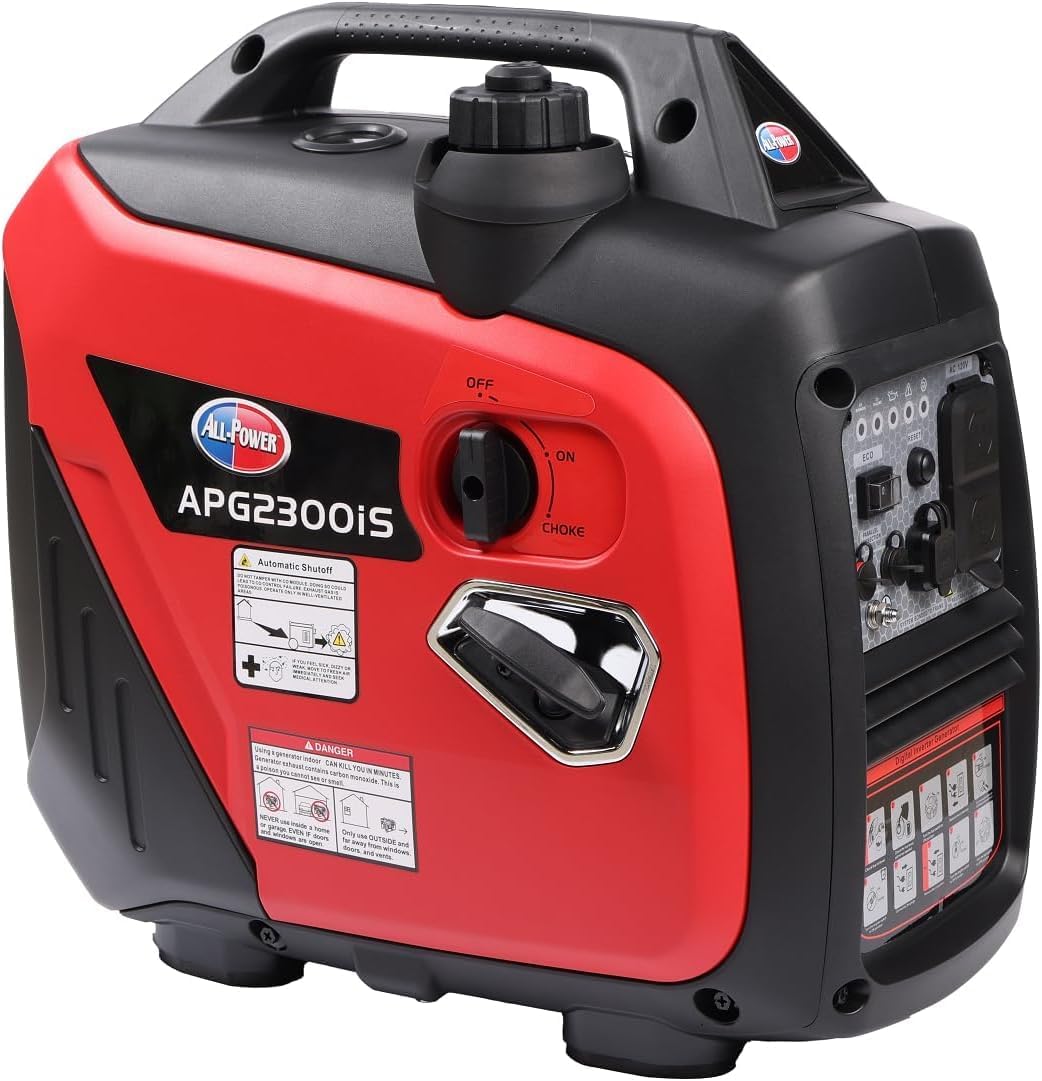
2000W Portable Inverter Generator for Home Use, Quiet Small Generator for Camping Outdoor, EPA Power Station with Fuel Shut Off and CO Minder, ECO Mode
Charges a 500Wh station in 90 minutes, runs 7 hours on a gallon
Visit on Amazon →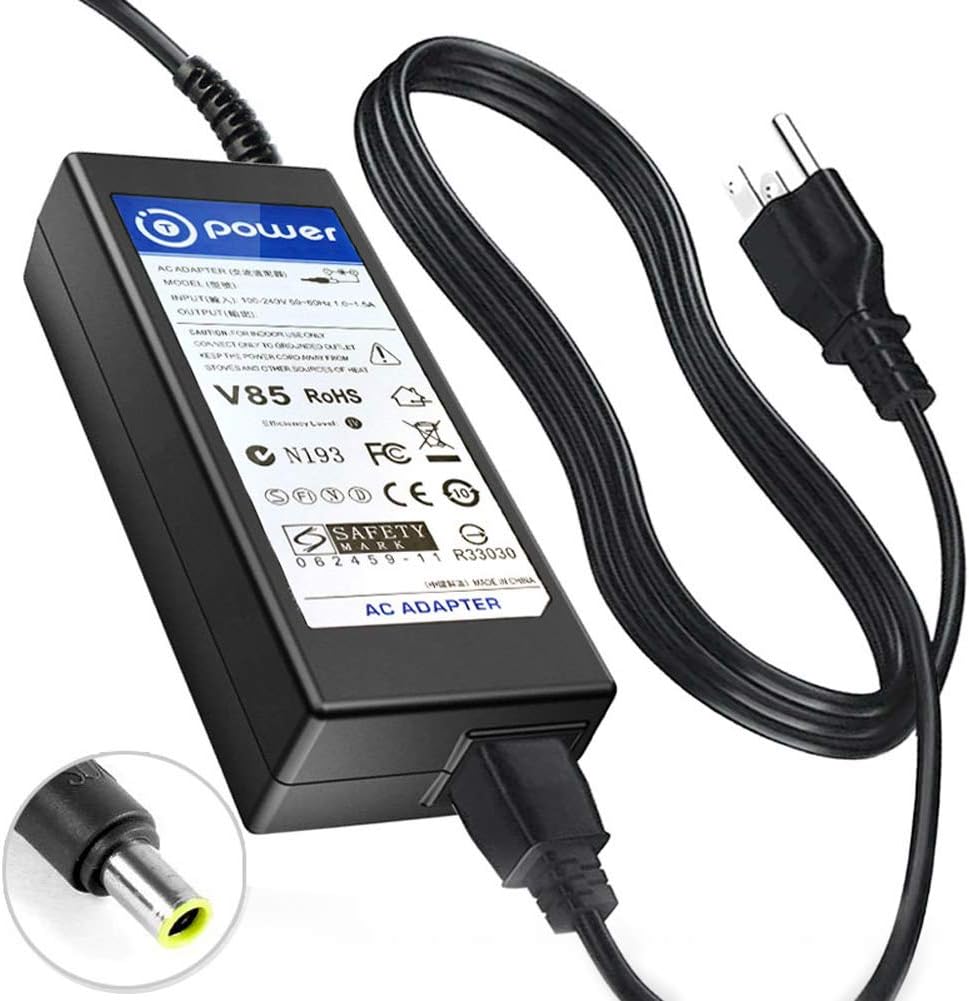
T Power 16V Charger for Goal Zero Yeti 150 400 200X 500X 1000 1250 Solar Generator, Sherpa 50 100 AC Portable Power Station Pack PN: 31901 22004 23000 22050 UT60-153300-02 Ac Dc Adapter Power Supply
Clean 500Wh capacity, multiple input options
Visit on Amazon →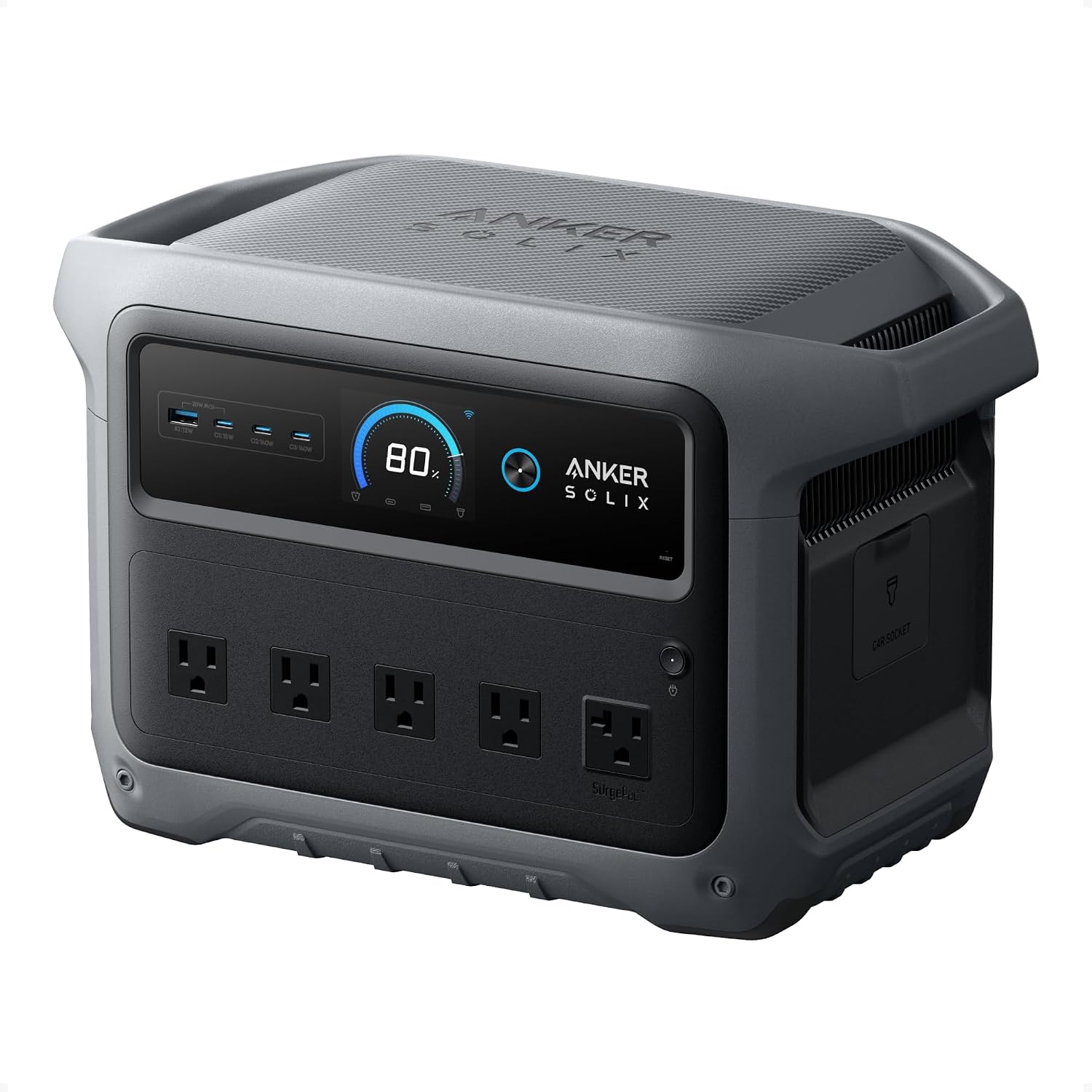
Anker SOLIX C1000 Gen 2 Portable Power Station, 1,024Wh, 2,000W, Camping
Anker SOLIX is a global leader in the smart energy category, we serve homeowners, RV enthusiasts, and off-grid campers, freeing them from power anxiety so they can live confidently anywhere. As the wo
Visit on Amazon →The wall charger is the bottleneck
Every power station I've opened up has a charge controller inside that limits how fast you can push current. The stock AC adapter that comes in the box is usually rated for half of what the battery can actually take.
My Yeti 500X came with a 60W wall brick. The unit's internal charger can accept 120W through the barrel jack.
That's a 2x speed difference for zero extra equipment, just a bigger adapter. I bought a third-party 120W supply for $25 and my charge time dropped from 6 hours to 3.5.
The station didn't care. It just pulled what it needed.
Same story with solar. The Yeti's built-in MPPT controller is fine, but the stock panel connector is proprietary and the included panel is undersized. I swapped in a standard MC4 adapter and a 100W Renogy panel I had lying around from the van build.
On a clear day at 7,200 feet elevation, I was pulling 78W into the Yeti. With the stock panel, I was lucky to see 45W.
Same sun. Same battery. The difference was the panel and the connector.
The generator is still the fastest charger
Here's the honest math. A 2000W-class inverter generator like the WEN can push a 500Wh battery station from empty to full in about 90 minutes. My Yeti charges at a max of 120W through the barrel jack, which means a full 500Wh cycle takes roughly 4 hours from the wall and about 1.5 hours from the generator.
The generator runs 7 hours on a gallon of gas. So one gallon gives you almost five full charges of the Yeti.
That's 2,500Wh of usable power from a $5.60 gallon of gas.
I ran this exact setup during a wildfire-season outage last year. Fridge on the WEN, phones and laptops on the Yeti. When the Yeti dropped to 20%, I fired up the WEN, charged the Yeti back to 100% in 90 minutes, and shut the generator down.
Total generator run time for 24 hours: about 2 hours. Total fuel burned: about a third of a gallon. The freezer stayed cold, the CPAP ran all night, and I didn't listen to a generator drone for 12 hours straight.
The WEN has 100 hours on my logbook now. It starts on the first or second pull every time, even after sitting for a month. It's not a Honda. The oil had fine metal flecks on the first change, and it won't deliver more than about 1650 watts continuous no matter what the box says.
But at $350, it's the fastest charger I own, and it doubles as an emergency power source for the house.
One Florida buyer ran his for two days straight after Hurricane Milton, powering a refrigerator, Wi-Fi, a TV, a crock pot, and a lamp.
"Doesn't overload," he wrote. That matches what I see.
DC charging is faster than you think
Most people ignore the 12V input on their power station because the included car adapter is a cigarette lighter plug rated for maybe 10 amps. That's 120W max, which is fine, but the adapter itself is often the limit.
I replaced the stock adapter on my Yeti with a direct Anderson Powerpole connection wired to my van's auxiliary battery.
That gave me a solid 120W into the Yeti whenever the van was running. Same speed as the upgraded wall brick, no inverter losses, no generator noise.
If your station has a USB-C PD input, use it. The Goal Zero's USB-C port accepts up to 60W, which is slower than the barrel jack but faster than the stock wall brick if you happen to have a 60W PD charger lying around. I've charged my Yeti from a 65W MacBook charger more times than I care to admit. It works. The station doesn't care where the electrons come from.
Solar is for topping off, not for full charges
I'm a solar guy. I've got 400W on my van roof and I've installed more off-grid cabin systems than I can count. But for a portable power station, solar is a trickle, not a firehose. A 100W panel in full sun gives you maybe 80W after controller losses.
That's 8 hours of perfect sun to fill a 500Wh station. Realistically, you're looking at a full day of sun for a full charge.
That's fine for a weekend camp where you're topping off phones and a cooler fridge. It's not fine for a multi-day outage where the station is your primary power source.
The one thing I'll say for solar: it's the only charging method that works when the grid is down and the gas is gone. A generator needs fuel. A wall brick needs the wall. Solar needs sun and patience. I keep a 100W folding panel in the van for exactly that reason. It's not fast, but it's independent.
The Goal Zero Yeti 500X has a real problem
I've owned the Yeti 500X for two years now. It's a solid 500Wh battery with clean power output and a display that actually shows watts in and out. But the reviews I've seen and my own experience point to a durability issue with the charging electronics.
One German buyer had all three charging methods die after a year of light use. "None of the three charging methods (12V, 230V, USB-C) would work anymore," he wrote.
That's a failure pattern, not a fluke.
My own unit has been fine, but I don't trust it the way I trust my WEN. The WEN is mechanical. If it breaks, I can fix it with a wrench. The Yeti is digital. If the charge controller dies, it's a brick. I've also seen a US buyer receive a unit wired for European electrical standards, which is a QC failure that shouldn't happen at this price point.
The Yeti's real sin is the price. At roughly $500, you're paying for the Goal Zero name and the clean design. For the same money, you could buy a WEN generator and have unlimited run time. The Yeti makes sense if you need silent, maintenance-free power for a few hours at a time. It doesn't make sense if you're trying to run a fridge through a three-day outage.
The real cost of charging faster
Every charging method has a cost per day. The wall brick is free after the electricity bill, but it's slow. The generator is $5.60 per 8 hours of run time, but it charges fast and doubles as an emergency power source. The solar panel is free after the upfront cost, but it's slow and weather-dependent. The DC charger is free if you're already driving, but it only works when the engine is running.
My recommendation: buy a power station with a real MPPT charge controller, a barrel jack input that accepts more than the stock brick, and a standard MC4 solar connector. Then buy a bigger wall brick and a folding 100W panel.
Skip the proprietary accessories. If you're preparing for outages longer than 24 hours, buy a WEN generator and use it to charge the battery station.
That combo covers every scenario I've faced in 12 years of electrical work and five years of testing.
I don't track prices day to day, so I won't pretend to know next week's sales. But I know what I paid, what my neighbors paid, and what the buyer reviews say. The WEN at $350 is the best value in portable power, period.
The Yeti 500X is a fine battery that's overpriced for what it delivers. And the fastest way to charge any power station is to stop relying on the included brick and start matching the input to the unit's actual capability.
Ultimately, the best charger is the one you'll actually use. For me, that's the WEN in the garage and a 100W panel in the van. Juno agrees. She sleeps through the generator, and she's picky about her naps.