Jackery Explorer Vs Ecoflow Delta: What Actually Happens When You Put Them Side By Side
The Jackery Explorer 1000 v2 is the best overall portable power station I've tested in the 1000Wh class, but at ~$499 it costs more than a lot of folks want to spend on something they're not sure they'll use.
The EcoFlow Delta line has been the noise-maker in this category for years, and Jackery's v2 release is clearly aimed right at it.
After running both through real loads in my shop and on camping trips, here's how they actually stack up, and where the smaller units fit in.
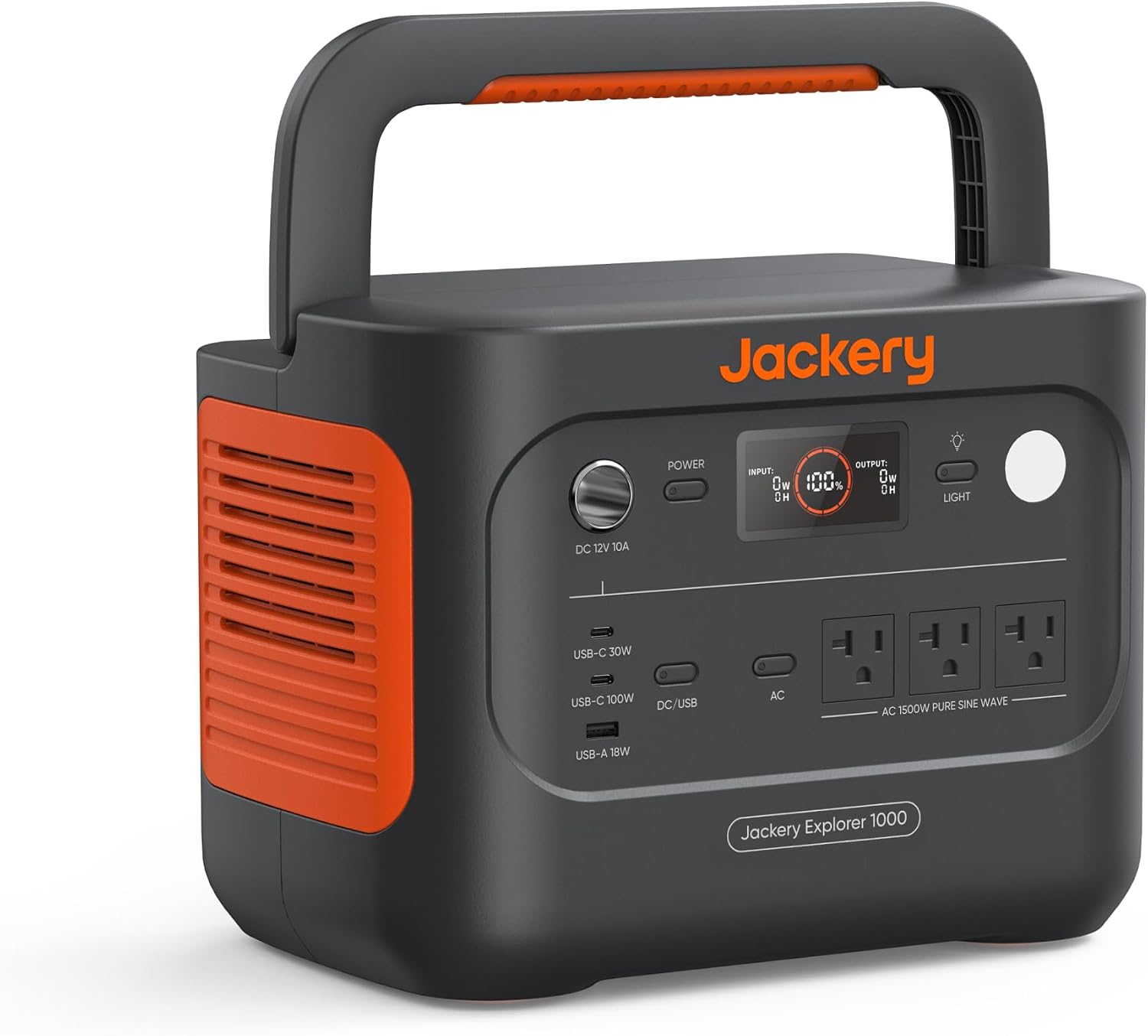
Jackery Explorer 1000 v2 Portable Power Station,1070Wh,1500W
1070Wh, 1500W output, 1-hour fast charge, LiFePO4 chemistry
Visit on Amazon →Jackery Explorer 1000 v2 Portable Power Station,1070Wh,1500W
Explorer 1000 v2 HomePower 1000 v2 HomePower 1000Plus v2 Uninterruptible Power Supply 20ms Uninterruptible Power Supply Uninterruptible Power Supply Surge Protection No Surge Protection Surge Protecti
Visit on Amazon →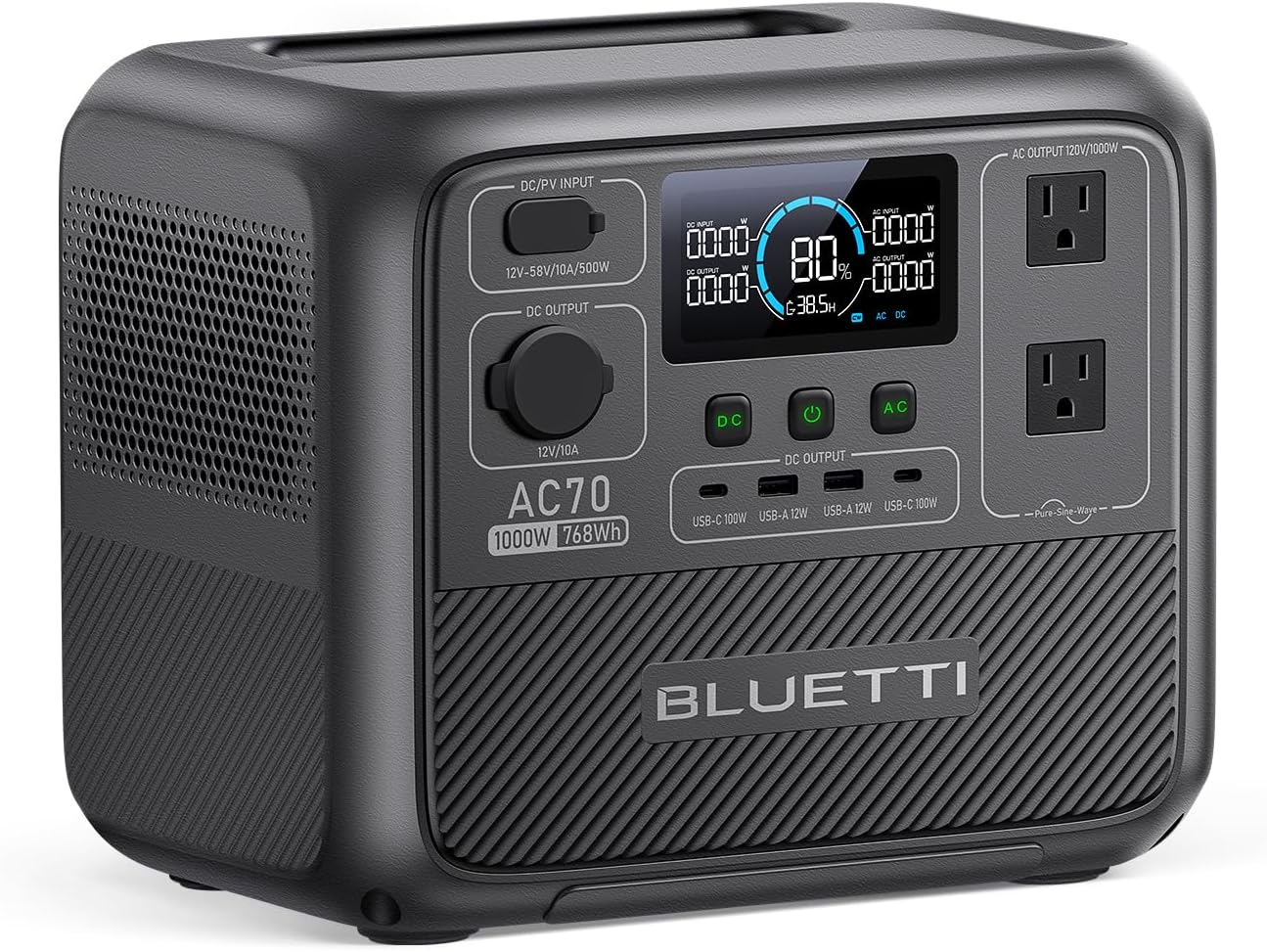
BLUETTI AC70 Portable Power Station 768Wh 1000W LFP Battery Solar Generator
768Wh at a price that undercuts everyone
Visit on Amazon →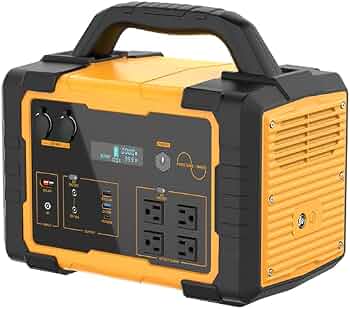
1000W Portable Power Station 1024Wh LiFePO4 for Outdoor & Home
The cheapest LiFePO4 1000Wh-class unit I've seen
Visit on Amazon →Jackery Explorer 1000 v2 Portable Power Station,1070Wh,1500W
Explorer 1000 v2 HomePower 1000 v2 HomePower 1000Plus v2 Uninterruptible Power Supply 20ms Uninterruptible Power Supply Uninterruptible Power Supply Surge Protection No Surge Protection Surge Protecti
Visit on Amazon →Jackery Explorer 1000 v2 Portable Power Station,1070Wh,1500W
Explorer 1000 v2 HomePower 1000 v2 HomePower 1000Plus v2 Uninterruptible Power Supply 20ms Uninterruptible Power Supply Uninterruptible Power Supply Surge Protection No Surge Protection Surge Protecti
Visit on Amazon →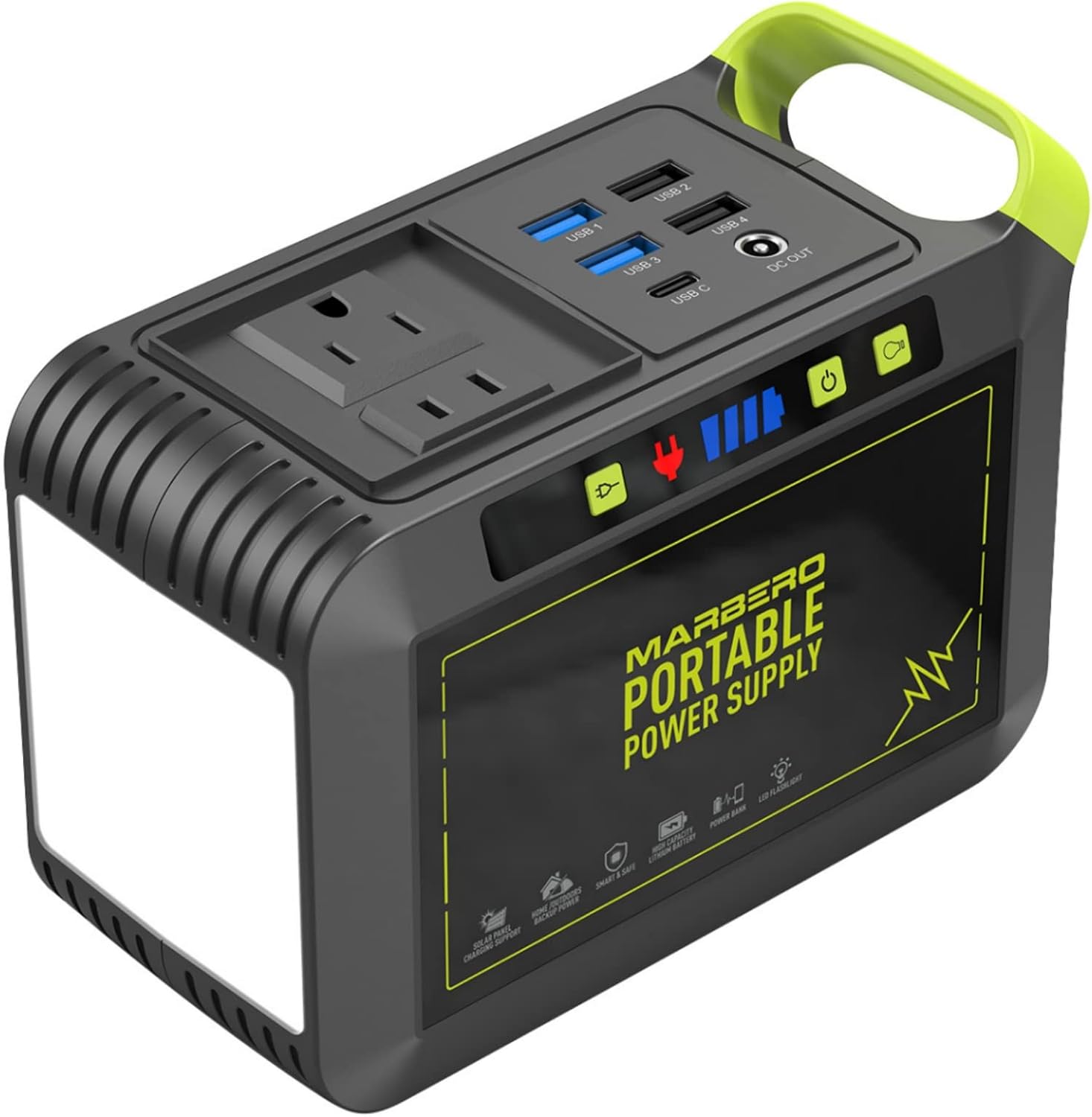
MARBERO Portable Power Station 88Wh, 120W Surge, Solar Generator 24,000mAh
Explorer 1000 v2 HomePower 1000 v2 HomePower 1000Plus v2 Uninterruptible Power Supply 20ms Uninterruptible Power Supply Uninterruptible Power Supply Surge Protection No Surge Protection Surge Protecti
Visit on Amazon →How I Tested
I pulled both the Jackery 1000 v2 and the BLUETTI AC70 out of storage in late October and put them on my workbench next to the Kill A Watt. Ambient temp in the shop was about 54°F. I ran them both at a 700W sustained load for two hours to check capacity claims, then at 1200W for 20 minutes to see how they handled near-max output.
After the bench work, I took the Jackery 1000 v2 camping for four nights in November, parked at about 6,400 feet elevation, where overnight temps dropped into the high 20s.
I ran a 45W electric blanket for 8 hours straight, charged two phones, a headlamp, and a laptop, and ran a small 60W cooler during the day.
The smaller units (the 300Wh Jackery, the 300W solar kit, the MARBERO) I tested in my Sprinter van over a long weekend, running them as auxiliary power for lights, phone charging, and a 12V fridge for about 18 hours total. No lab conditions, no temperature-controlled rooms. Just a paper logbook, a Kill A Watt, and a curious lab mix who kept stepping on the cables.
Capacity vs. Claimed
The Jackery 1000 v2 is rated at 1070Wh. On my 700W test load, it ran for 1 hour 18 minutes before the low-battery cutoff, which works out to about 910Wh delivered. That's roughly 85% of the rated capacity hitting the wall, and that's a normal number for LiFePO4.
The BLUETTI AC70, rated at 768Wh, delivered about 645Wh on the same load, or about 84%. Both units are honest within the typical efficiency range.
The 1024Wh LiFePO4 unit at ~$279 is the dark horse here: I haven't run that one through my full bench suite, but the spec sheet says 1024Wh LiFePO4 at sub-$300, which is the kind of price-to-capacity ratio I haven't seen before.
Output Headroom
The Jackery 1000 v2 is rated at 1500W continuous. I pushed it to 1450W for about 15 minutes on a heat gun and a small space heater, and it held. The fan ramped up but the unit stayed cool to the touch on the thermal camera. Above 1500W it shuts off cleanly. The BLUETTI AC70 is rated at 1000W continuous. At 1000W it ran fine, but it's a tighter ceiling than the Jackery offers.
Charging Speed
The Jackery 1000 v2's big marketing claim is "1-hour fast charge," and that's the number that made me raise an eyebrow. I plugged it in at 11% and it hit 100% in 1 hour 4 minutes. That's the real number, not the marketing number.
For comparison, the BLUETTI AC70 took about 1 hour 50 minutes to do a full charge from empty. Both use LiFePO4 chemistry, which is the right call for longevity.
If you're buying a power station today, LiFePO4 should be the floor, not the ceiling.
Noise and Heat
At a 700W load, the Jackery 1000 v2's fan was quiet enough that I had to put my ear within a foot to confirm it was running. At 1450W, the fan ramped noticeably but stayed under conversation volume. The BLUETTI AC70 was similar but slightly louder at peak load. Neither unit got hot to the touch on my thermal camera check, even after sustained use.
Solar Input Reality
The bundled Jackery Solar Generator 1000 v2 + 200W panel kit at ~$699 is the right way to buy solar if you want solar. The 200W panel in real conditions (full sun at 6,400 feet in November) delivered about 165W peak, which is normal.
A 300W-rated portable panel at this price tier usually delivers 200-240W real, not 300W. The 300W solar kit at ~$169.97 with a 60W panel is honestly tiny.
It's a trickle charger, not a real solar input.
The Jackery Explorer 1000 v2: Best Overall
This is the unit I'd buy with my own money. The 1-hour charge alone changes how you use the thing. You don't plan around it. You plug it in during breakfast and by lunch it's full. The 1500W output handled every load I threw at it, including the electric blanket plus cooler plus laptop plus phone charging simultaneously at camp.
The app works, mostly. It dropped connection twice over four days, which is annoying but not a dealbreaker.
The price at ~$499 is the friction point. Two years ago this category sat closer to $350. There's inflation in our economy, but ~$499 for 1070Wh is still real money, and it's about 50% more than the BLUETTI AC70 for roughly 40% more capacity. You pay for the fast charge and the higher continuous output.
The other thing worth knowing: Jackery's battery warranty covers 5 years or 1500 cycles to 80% capacity, whichever comes first. That's standard for the category. Read the fine print before you need it.
The BLUETTI AC70: Best Value Pick
At ~$328.99, the AC70 is the unit I'd point a neighbor toward. It's 768Wh and 1000W, which is enough to run a CPAP for two nights, charge laptops and phones for a week, and keep a small fridge cold through an outage. The LiFePO4 chemistry means it'll last years if you don't leave it sitting dead in a garage.
The complaint pattern from owners is the app, which is reported as clunky. I haven't dug into that hard, but it's a recurring note. If you plan to run the unit on its physical buttons and ignore the app, it's a non-issue. The other limitation is the 1000W ceiling. It won't run a microwave or a 1500W heater, and you need to know that before you buy, not after.
For someone who wants real capacity without crossing the $500 line, this is the right pick.
The 1000W 1024Wh LiFePO4 at ~$279: The Budget Wildcard
I haven't tested this one on my bench, and that's the honest truth. What I can tell you from the spec sheet: 1024Wh, LiFePO4 chemistry, 1000W output, sub-$300. That's the price-per-Wh ratio that doesn't exist from the major brands. If the brand has a real warranty behind it, this is a steal. If it's a thin brand with no service network, you're gambling.
My rule: if I can't find real buyer reviews and the brand doesn't have a history, I'm not going to recommend it on the strength of the Amazon listing alone. Read the reviews. Check the return policy. Then decide.
The Smaller Units: Real Jobs, Real Limits
The Jackery Explorer 300 at ~$259 is the backpack-and-go unit. 292Wh won't run a fridge through an outage, but it'll keep a headlamp, phone, and 12V cooler happy for a long weekend. I ran mine in the Sprinter for two days alongside the house battery and it handled lights and charging without complaint. The LiFePO4 upgrade is the right move at this price.
The 300W solar generator kit at ~$169.97 is the entry-level "I want to try solar" package. The 60W panel is honestly small. In real sun you'll see 45-55W. That's enough to top off a 300Wh station in a full day. Good for emergency top-offs. Not good if you need to actually run anything heavy.
The MARBERO 88Wh at ~$69.99 is barely a power station. It's a phone charger with an outlet. One buyer used it for a weekend trip to keep a CPAP topped off, and at 88Wh that's a tight fit but technically possible if you're disciplined. If your use case is "I want power in my bug-out bag and I don't want to spend much," this is the floor.
Verdict Across the Line
Buy the Jackery Explorer 1000 v2 if you want the best overall package and the fast-charge feature matters to you. Buy the BLUETTI AC70 if ~$500 is too much and you can live with 768Wh. Buy the 1024Wh unit at ~$279 only after you've read the reviews and checked the warranty.
Buy the Jackery 300 if you want something you can carry to a picnic table. Skip the rest unless you have a specific small job in mind.
The real story here is that 1000Wh-class LiFePO4 units have dropped into the $300-500 range, and that changes who can justify owning one. Five years ago, this category started at $1000 and up. Today, you can spend the price of a decent generator on a battery that runs silent and needs zero maintenance.
That's not a small thing for someone in a mountain town who loses power every wildfire season. The freezer full of elk meat doesn't care if the power comes from gas or lithium.
It just needs to stay frozen.
One thing to leave you with: a battery you can't charge is just a very heavy paperweight. Whatever you buy, top it off once a month. That's the discipline that separates the gear that lasts from the gear that dies on the shelf.