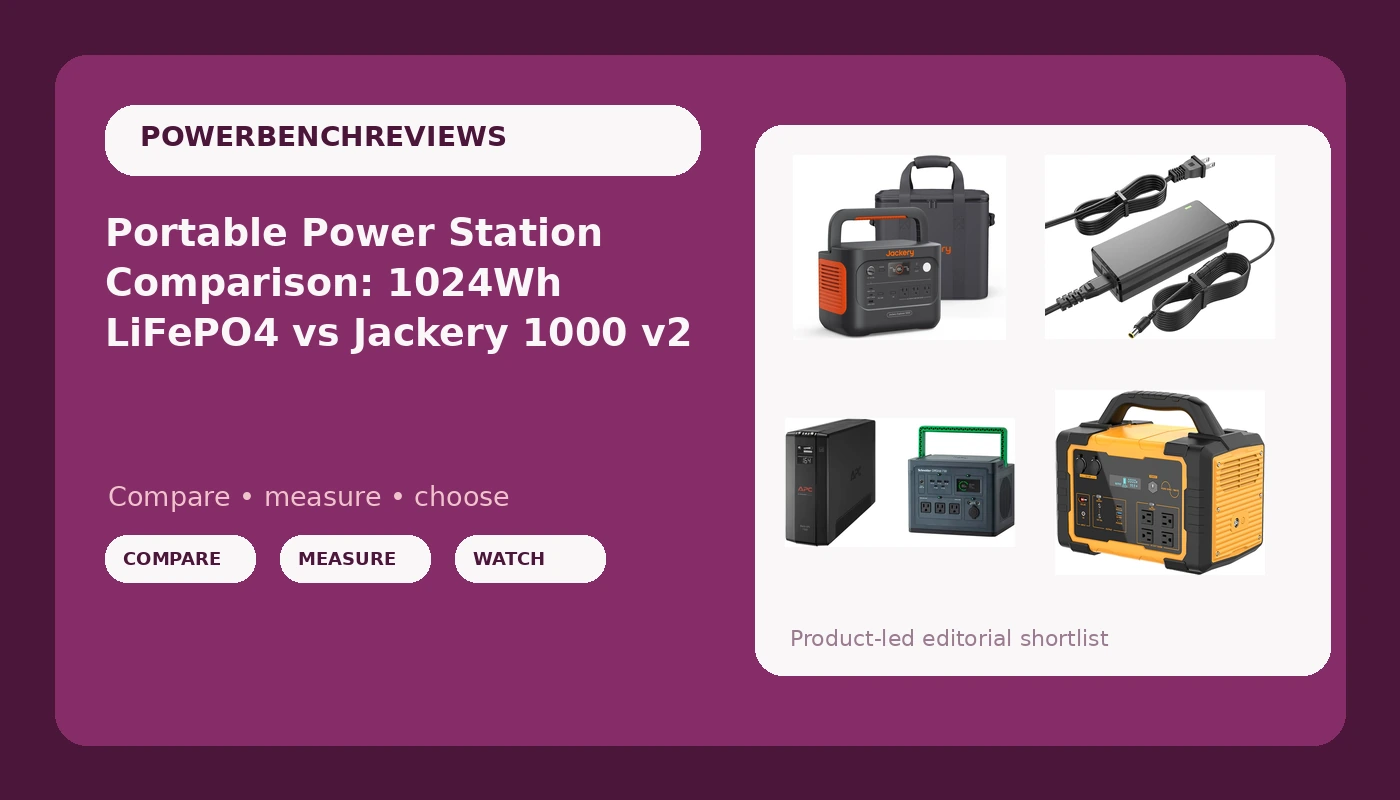
I have been running a portable power station comparison on my bench in Salida for five years, and the pattern never changes: the spec sheet sells the box, the inverter decides whether you keep it. Wildfire season here means the grid can drop for three days, so I size every recommendation around real loads, never marketing wattage. This portable power station comparison covers four products that land in the same shopping query and belong to four different jobs: a 1024Wh LiFePO4 station, the Jackery Explorer 1000 v2, an APC home backup bundle, and a 15V charger for older Goal Zero Yetis that is not a station at all.
Related: Best Portable Power Stations Under 500
For most people, the 1000W Portable Power Station with 1024Wh of LiFePO4 is the pick here, because it puts the chemistry and the capacity that actually matter at the lowest entry point of the four. The Jackery Explorer 1000 v2 is the one to buy if you need 1500W of sustained AC and a brand with a service network behind it. The APC bundle is a home backup purchase, not a camping purchase. And the Goal Zero charger is a cheap fix for a problem you already own.
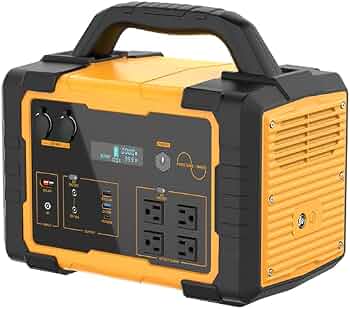
1000W Portable Power Station 1024Wh LiFePO4
LiFePO4 chemistry and 1024Wh at the lowest entry point of the four
1000W sustained AC limits bigger motor loads, and the brand has no track record I can point to
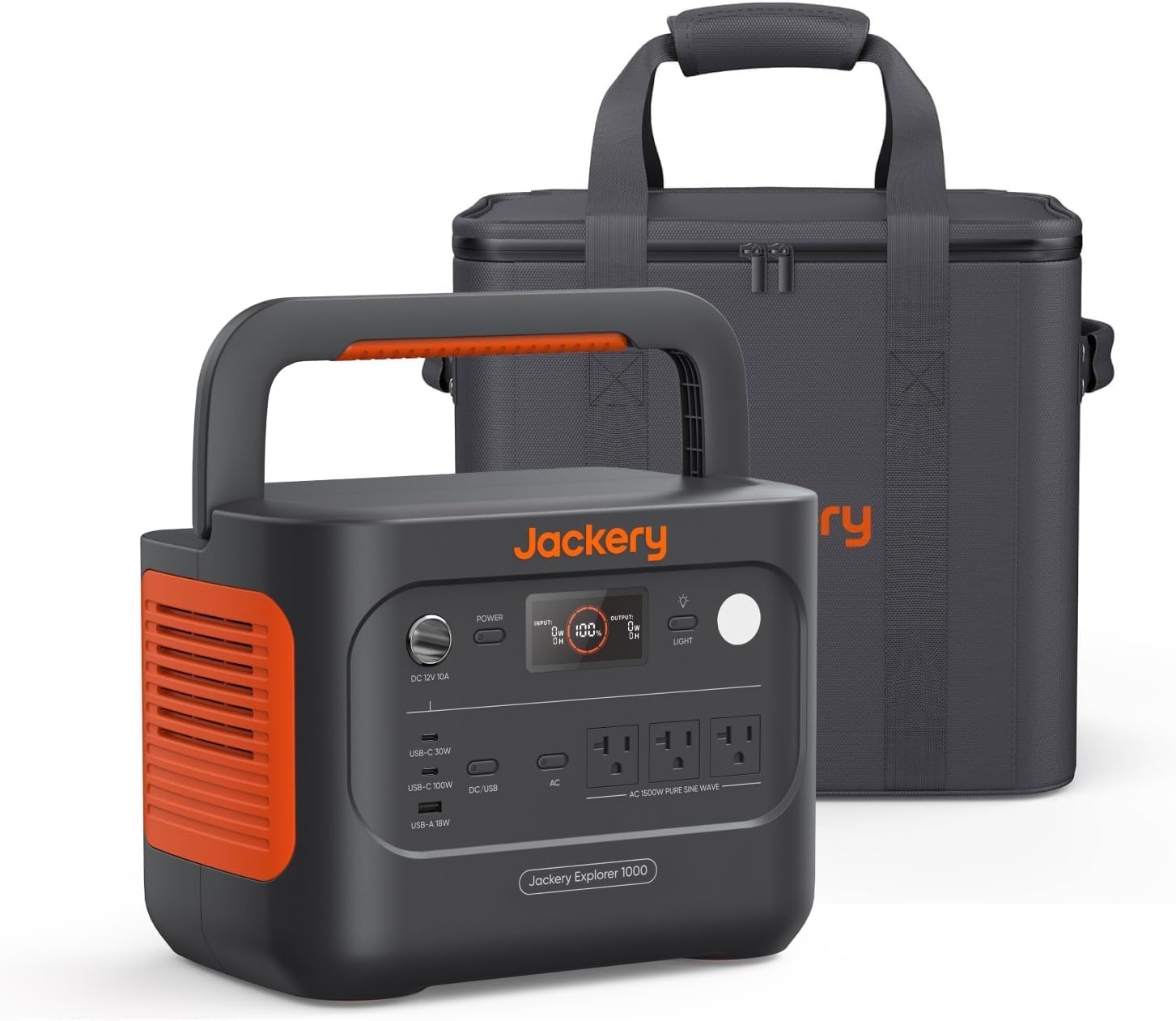
Jackery Explorer 1000 v2 and Carrying Bag, 1070Wh, 1500W AC
1500W sustained inverter, 1070Wh, known brand, bag included
You pay a premium, and Jackery's accessory and cable ecosystem is where the money keeps going
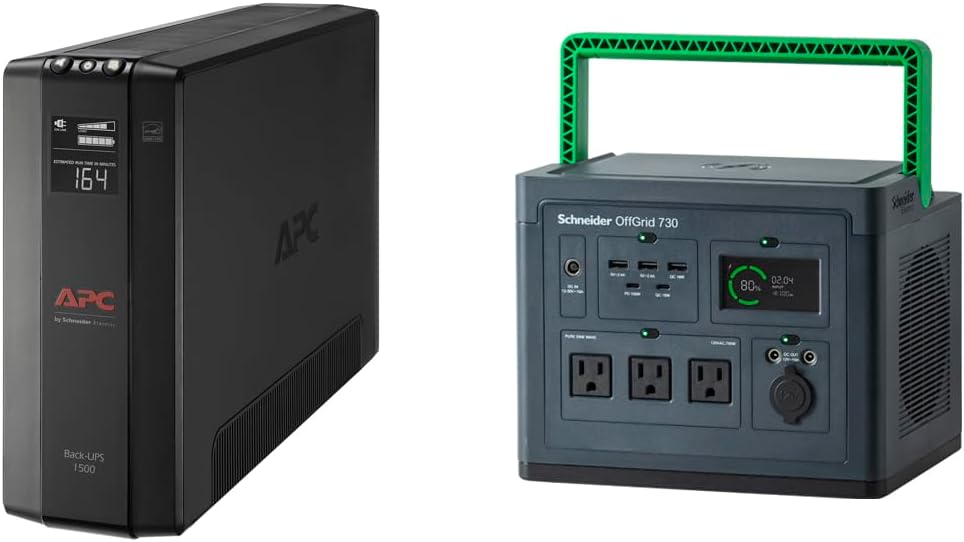
APC UPS and Solar Generator Power Bundle, 1500VA UPS and 700W Portable Power Station (BX1500M, PPS730)
Two jobs in one purchase: automatic home or office ride-through plus a grab-and-go station
Highest cost here, the 700W inverter is the smallest of the four, and the listing leans on watts, not watt-hours
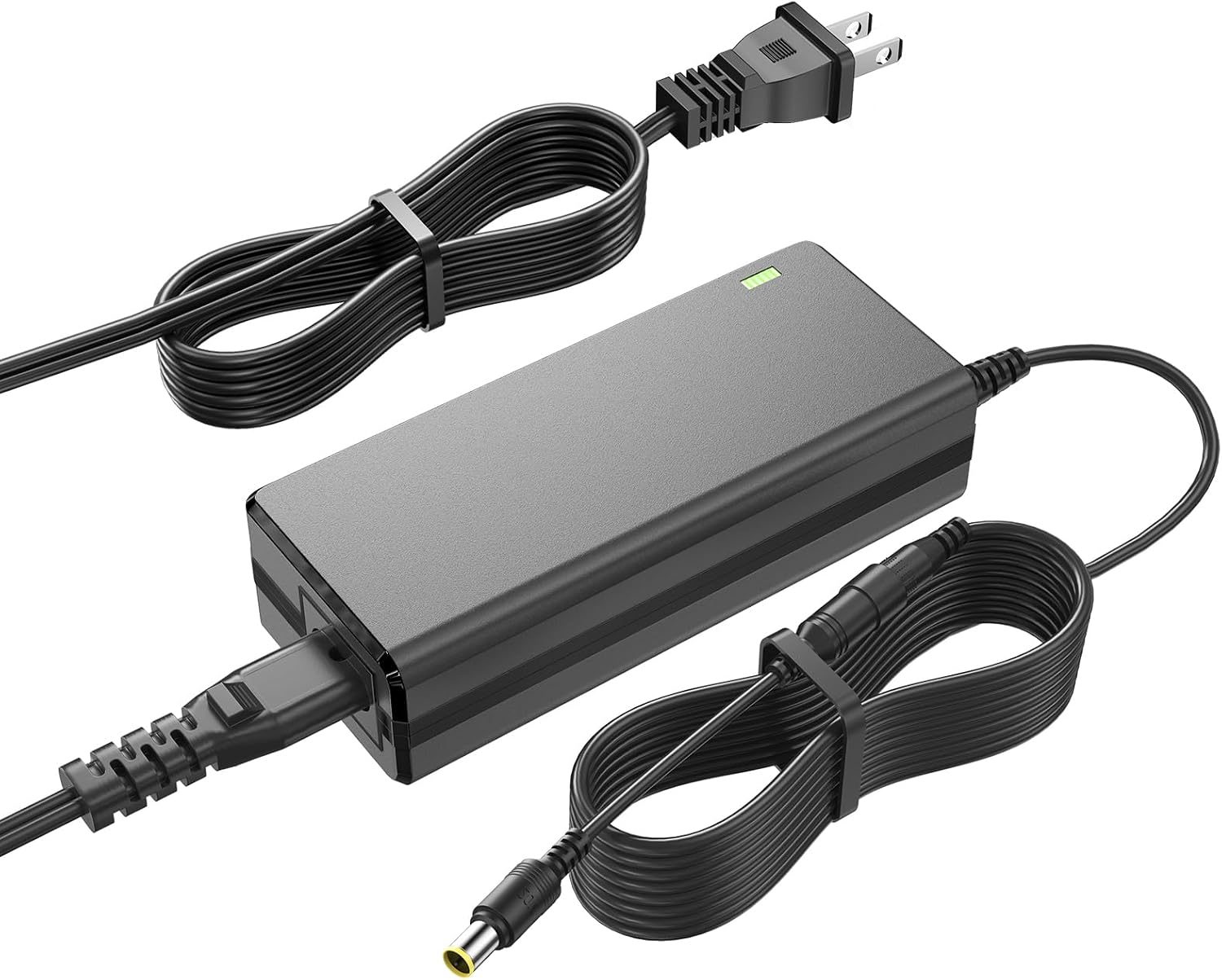
15V Charger for Goal Zero Yeti 150 400 200X 500X Portable Solar Generator
Cheapest way to bring a dead Yeti back to life or keep a spare charger in the van
It is not a power station. No battery, no inverter, no watt-hours, and it only fits those specific Yeti models
Prices and availability were captured from Amazon Creators API and may change.
How I sorted these four
When a comparison page mixes a charger with a 1500VA UPS, the first job is separating categories, because a reader who buys the wrong one of these loses real money. My criteria, in order:
- Watt-hours first. Capacity is the product. Wattage is just how fast you can empty it.
- Sustained inverter rating, not surge. A number with no sustained rating attached is decoration.
- Chemistry. LiFePO4 is rated in the thousands of cycles. Lead-acid is rated in the hundreds. That gap is the difference between a decade of use and a replacement in year three.
- What it does when the grid comes back. A UPS has to hand the load back without a blink. A camping station does not care.
- Connectors. Proprietary solar inputs and odd charge voltages are how a cheap purchase becomes an expensive one.
One honest note before the numbers: I am working from published specs and from what I know about how these classes behave on a bench, not from a side-by-side discharge log of these four units. Where a spec is missing, I say so, and I tell you which number to pin down before you spend.
The 1024Wh LiFePO4 station: the value pick
The 1000W Portable Power Station with 1024Wh of LiFePO4 is the box I would hand to someone who has never owned a station and does not want to spend Jackery money to find out whether they will use one.
Here is what the spec gives you. Roughly one kilowatt-hour of usable capacity, a 1000W AC inverter, and LiFePO4 cells instead of the older lithium-ion blends. That chemistry choice is the whole reason this one leads the comparison. LiFePO4 tolerates deeper discharges, runs cooler under load, and is rated for thousands of charge cycles rather than hundreds. If you cycle a station twice a week for wildfire season, that difference decides whether you are still using this in 2034.
The limit is that 1000W sustained rating. Lights, a router, a laptop, a CPAP, a box fan, phones, a small fridge that cycles on and off: all fine. A space heater on high, a hair dryer, a full-size microwave plus anything else running at the same time: that is where a 1000W inverter trips, and you should plan around it rather than hope.
The other thing I cannot vouch for is the brand behind it. No service history I can point to, no accessory ecosystem, no track record on firmware. That is the trade you make for the price. My advice is the same as it is for any first station: discharge it three times under a real load before the return window closes, and keep the box until you have.
Jackery Explorer 1000 v2: the known quantity
The Jackery Explorer 1000 v2 is the same capacity class, 1070Wh, with a much bigger inverter at 1500W AC sustained, and it ships with a carrying bag.
That 1500W rating is the real upgrade, not the extra 46Wh. Capacity between these two is a rounding error. What changes is the list of things you can run. A 1500W sustained inverter covers most kitchen counter appliances one at a time, and it gives you headroom for the surge a compressor or motor pulls on startup. That startup surge is exactly where a 1000W unit falls over.
The bag is a small thing that matters more than people expect. I have watched more stations get scratched, dropped, and rained on in a van than I have watched fail electrically.
What you pay for beyond the inverter is the name. Jackery built this market and their support and accessory network is real. My complaint with Jackery has always been the same: proprietary connectors and a premium on every cable and panel you add later. Budget for that before you buy, or plan to charge from the wall and your own 12V setup.
The APC bundle: two jobs, one purchase
The APC bundle is not a camping product, and I want to be clear about that because it is the most expensive item here. You get two boxes: a 1500VA UPS (BX1500M) for the home or office, and a 700W portable power station (PPS730) for off-grid use.
The UPS half does something none of the other three can do: it sits between the wall and your equipment permanently, passes power through, and takes over automatically when the grid sags or drops. No buttons, no cables to swap, no thinking. For a home office with a desktop, a router, and a modem, that automatic ride-through is the entire value. A portable station cannot do that job well, because you have to be there to plug it in, and you are not always there.
The 700W station half is the smallest inverter in this comparison. That is not a defect, it is a category statement. 700W covers laptops, lights, a fan, a small TV, phones, and modest duty-cycle loads. It is not a whole-home box.
My one real reservation: the listing sells this bundle on watts and volt-amps, and never states the watt-hours of the PPS730. Watts tell you how fast you can drain the battery. Watt-hours tell you how long you have. Before spending at this level, get the capacity number in writing, because that is the spec that determines whether this station gets you through a night or through an hour.
The 15V charger is not a power station
The 15V Charger for Goal Zero Yeti 150, 400, 200X, and 500X is in this comparison because it shows up in the same searches, not because it competes. It has no battery, no inverter, and no capacity. It is a wall charger.
What it does well: if you own one of those Yeti models and your original charger walked off, died, or stayed at a cabin, this is the fix. It is small enough to live in the van as a spare. That is a genuinely useful thing for a Yeti owner.
What it does not do: charge a 1024Wh station, run a load, or add a single watt-hour of storage. It is also voltage-specific. The 15V output matches those Yeti inputs, and you should not assume it is right for a different brand or model. Buy it as a replacement part, not as gear.
The math that decides it
Watt-hours over watts, every time. Using the published capacities here and straight arithmetic, with a 10 to 15 percent haircut for inverter losses:
- 1024Wh at 500W of load: roughly two hours.
- 1024Wh at 100W of load: roughly ten hours.
- 1024Wh at 50W of load: roughly twenty hours.
- 1070Wh: the same numbers, within a few minutes.
Those are calculations from the spec, not meter readings, and real results run lower as the inverter warms and the cells sag. The point is the shape of the curve: capacity is what you are buying, and load is what eats it.
The two stations here are effectively the same battery with different inverters, so the choice between them is not capacity. It is whether 1500W sustained and a known brand are worth the premium to you. For anyone running a fridge, a microwave, or a power tool, they are. For lights, laptops, and a router, they are not.
The APC bundle and the Goal Zero charger are not in that math at all. One is a home backup system plus a small station, the other is a cable with a wall wart on it.
Where each one loses
- 1024Wh LiFePO4 station: unknown brand support, 1000W sustained ceiling, surge behavior undocumented in the listing.
- Jackery Explorer 1000 v2: premium price, proprietary accessory path, and only marginally more capacity than the cheaper box.
- APC bundle: highest cost, smallest inverter, and the station's watt-hour figure is not stated in the listing.
- Goal Zero 15V charger: not a station, single-brand fit, no storage.
Who should buy which
First station, tight budget, lights and devices: the 1024Wh LiFePO4 unit. Run it hard for a week inside the return window and see if it holds.
You need a real 1500W inverter or you want a brand you can call: the Jackery Explorer 1000 v2, bag included.
You work from home and lose power often: the APC bundle. The automatic UPS half is the feature, and the 700W station is the bonus.
You already own a Goal Zero Yeti 150, 400, 200X, or 500X: the 15V charger, as a spare. Nothing more.
What I am watching next
The 1kWh LiFePO4 class keeps sliding down the price ladder, and I expect integrated MPPT to become standard rather than a premium feature. That is good news for buyers and bad news for anyone still shipping proprietary solar connectors and buggy apps. Watch the used market after storm season too. Flooded and cycled-out units show up there every year, and how they fail tells you more about durability than any spec sheet.
If you want to check current listings and prices on any of these four, the links in the table above go straight to them.
Some links on this page are affiliate links. If you buy through them, this site earns a small commission at no extra cost to you. It does not change what I recommend, and I disclose every sample I am sent.