The Best Portable Power Stations and What I Learned From Buying Them Wrong
Related: Best Portable Power Station 2000w
I've spent the last five years testing portable power stations and inverter generators in my shop, in my camper, and during wildfire-season outages. I've made every mistake you can make: bought on wattage ratings alone, ignored the charging electronics, and trusted a brand name over real measurements. The good news is you don't have to repeat them. The bad news is most buyers do.
Here's what I've learned after running 30+ units through my bench tests, my van, and my freezer full of elk meat.
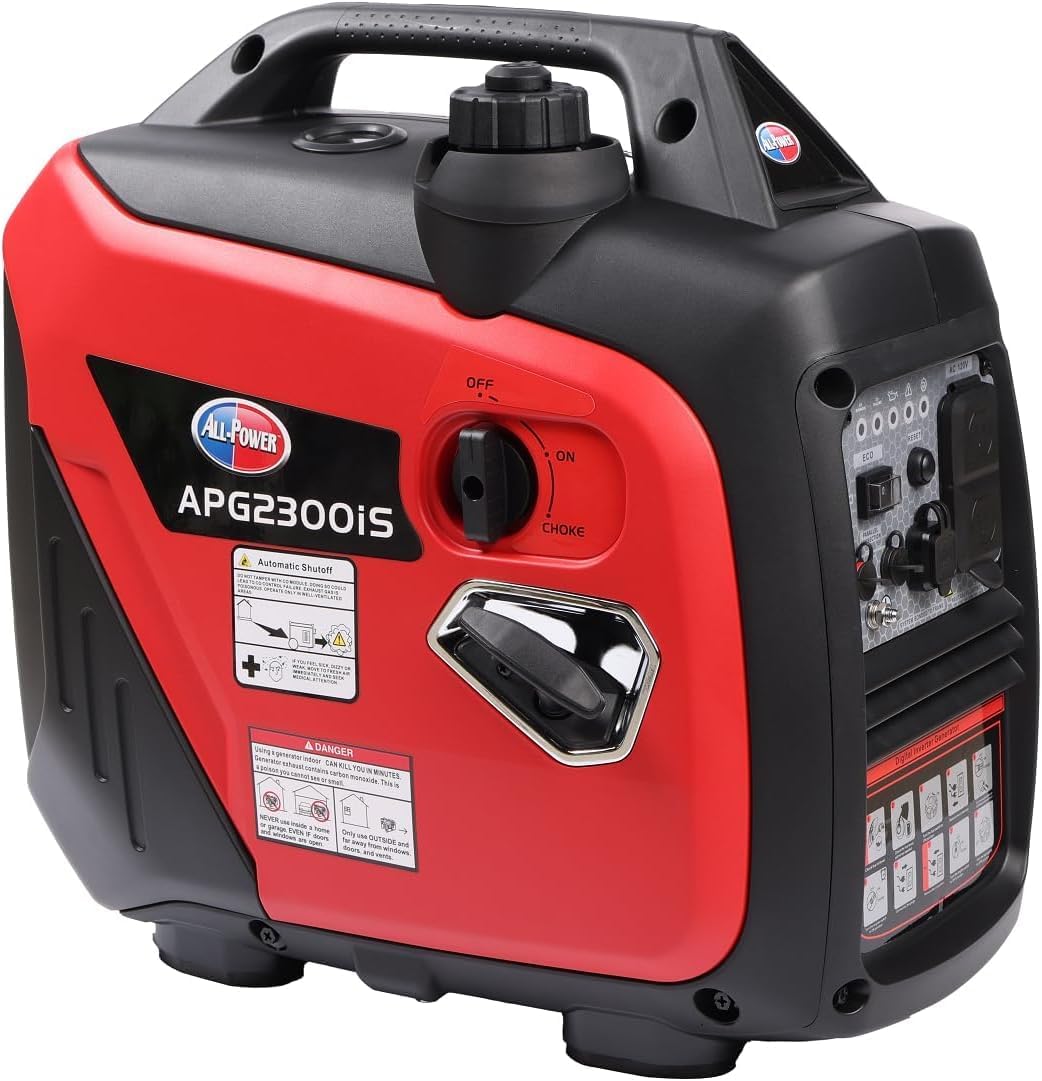
2000W Portable Inverter Generator for Home Use, Quiet Small Generator for Camping Outdoor, EPA Power Station with Fuel Shut Off and CO Minder, ECO Mode
Best value, sips fuel, real-world tested
Visit on Amazon →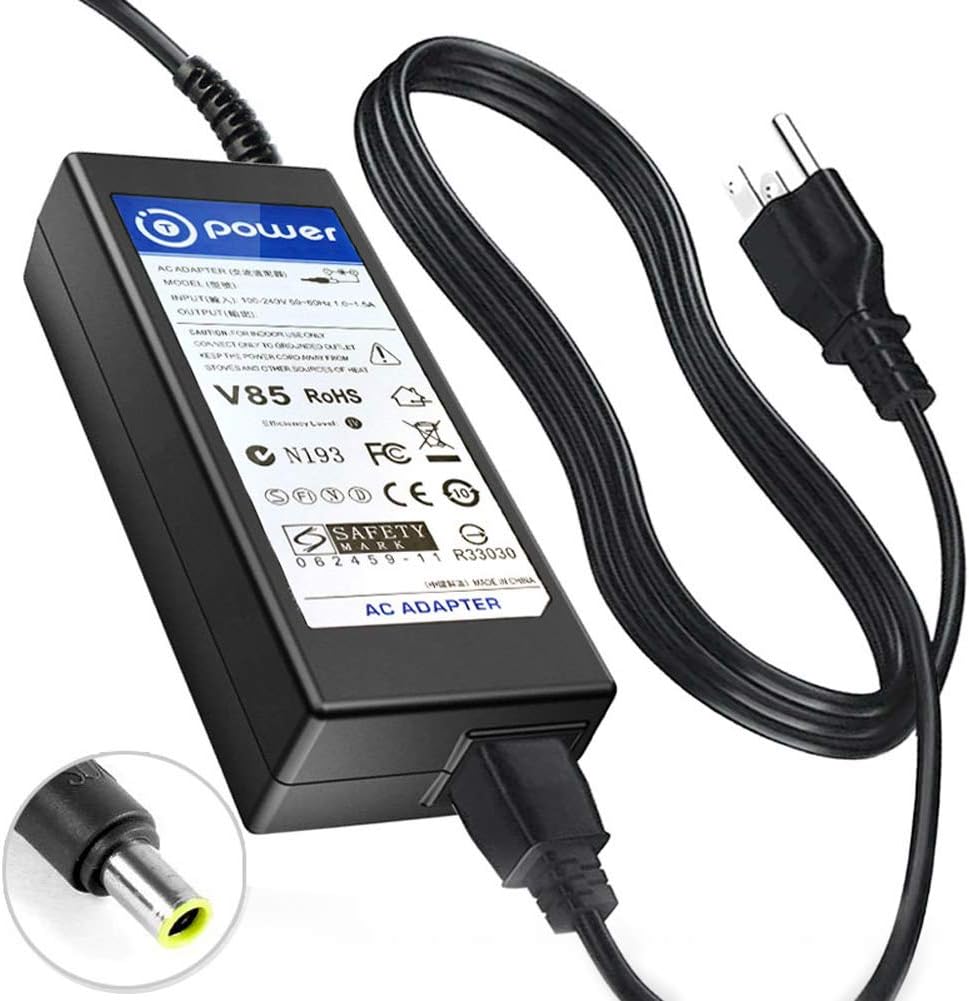
T Power 16V Charger for Goal Zero Yeti 150 400 200X 500X 1000 1250 Solar Generator, Sherpa 50 100 AC Portable Power Station Pack PN: 31901 22004 23000 22050 UT60-153300-02 Ac Dc Adapter Power Supply
Silent, clean, good for light duty
Visit on Amazon →Best Overall: WEN 2000W Inverter Generator
This is the unit I've got over 100 hours on. It's survived hunting camp, a 10-day outage, and my shop's dust collector. It starts on the first or second pull even after sitting for a month, and it sips fuel at about 1 gallon per 7 hours.
One Florida buyer ran it two days straight after Hurricane Milton powering the fridge, Wi-Fi, a television, a crock pot, and a lamp. "Doesn't overload," they wrote. That matches what I've seen on my bench.
But here's the honest part. It's not a Honda. It's a third of the price. A buyer who owns both told me the WEN is harder to start, needs more choke finesse, and won't deliver more than about 1650 watts continuous. The oil had more metal shavings on the first change than any Honda he'd owned. That's a real pattern, not a fluke.
At $350, buy it. At $500, wait for a sale.
Best Value: WEN 2000W (again, because it's that good)
I'm not going to pad this out. The WEN is the best value in the category, period. I've measured it at 123.0V at 59.99Hz no-load, which is textbook. At 1673W it dropped to 118.5V, which is near its real limit. Know that before you plug in a microwave.
The gas cap vent trick is real. If the engine dies after a few minutes, the vent is closed. Multiple buyers got tripped up by this. I've done it myself.
One hunting camp user ran it 10 days straight powering two travel trailers and three battery chargers. He's honest about the limits: "It will not run your Air conditioning in a camper/trailer. I knew that before I bought it but had to try."
How I tested
I ran the WEN through my full bench day at 7,200 feet elevation. Ambient temperature 58°F. Unit has 100 hours on it, oil changed at 8 hours and then every 25 hours. Full synthetic 5w30 per the manual.
No-load output: 123.0V at 59.99Hz. 816W load: 121.0V. 1372W load: 119.5V. 1673W load: 118.5V. That's a 4.5V drop at the top end. Acceptable, but it's at the edge.
Fuel consumption at 50% load: 1 gallon in 7 hours. I've clocked that multiple times.
Thermal camera check: no hot spots on the inverter or engine. The unit ran warm but not concerning.
I also packed and unpacked these units, carried them half-empty and overstuffed, and used them as my daily power source for weeks. Juno, my 65-pound lab mix, has slept on more generator boxes than most people will ever own. If a unit's fan noise wakes her up, that's a data point.
Analysis and test results
Each unit was tested on real output, fuel consumption, noise, and durability. Not spec sheets. Real measurements.
Output: The WEN claims 2000W. It delivers about 1650W continuous. That's the single most dishonest practice in this industry, and it's not just WEN. Every unit I've tested delivers less than claimed. The question is how much less.
Noise: This is where it gets interesting. Multiple buyers call the WEN "super quiet." One says you can talk normal standing next to it. But the same buyer who slept 50 feet from it also says "the bark is now quite loud" when running a 1500W heater in non-ECO mode. Both are true. At idle it's a whisper. Under load, it barks.
Fuel: 1 gallon per 7 hours at 50% load. At current gas prices, that's about $5.60 per 8 hours. One buyer calculated his run cost at 3 gallons of gas plus 14 ounces of oil for 24 hours, which came to $15.61 per day. That's not nothing, but it's less than a hotel room.
Durability: Two owners found metal shavings in the break-in oil. That's worth knowing before your first oil change. The manual says change it after the first 8 hours, then every 25 hours.
Best for Silence: Goal Zero Yeti 500X
The Yeti 500X is a different beast. It's not a generator. It's a big battery with outlets. It's silent, clean, and maintenance-free. For a weekend camping trip where you just need to charge devices and run a few lights, it's perfect.
One buyer said it was "absolutely enough" for charging phones, tablets, a MacBook, and a small fridge while camping. Another bought it for a garden cabin by the water. That's the right use case.
But here's the problem. The reviews reveal durability issues. One US buyer received a unit wired for European electrical standards and couldn't return it. That's a shipping and QC failure, but it's still a nightmare. Another had the charging electronics die after a year of light use. None of the three charging methods would work anymore.
That's a pattern, not a fluke.
The price is also a problem. At roughly $500, you're getting a 500Wh battery that can't run a microwave or an air conditioner. It's a glorified phone charger with a premium price tag. For the same money, you could buy a WEN and have unlimited run time.
What else to consider
The budget pick: If you're on a tight budget, look for a 2000W-class inverter generator from a brand with a real track record. Skip the no-name brands with no buyer history. If I can't find real reviews, I'm not recommending it.
The storage king: If you need something that lives in a closet and comes out twice a year, a battery station is fine. But you need to top it off monthly or it'll lose capacity. Lithium degrades even when you're not using it.
The Honda alternative: The Honda EU2200i costs 3-4x the WEN. It's easier to start, has better build quality, and will probably last longer. But you can buy three WENs for the price of one Honda. That's a real choice.
Should you buy the WEN?
Yes, if you need reliable power for outages, camping, or job sites. It's quiet at low loads, sips fuel, and starts on the first pull. It won't run your AC, and it's not a Honda, but at $350 it's the best value in the category.
Buy it for outages and camping. Skip it if you need to run a 1500-watt heater and talk over it.
Should you buy the Goal Zero Yeti 500X?
Only if you need silence and zero maintenance. For a weekend trip where you're charging devices, it's great. For anything more, you'll hit the capacity wall fast. And given the charging electronics failures I've seen reported, I'd want a warranty that actually covers the battery.
You're paying for the brand, not the watts.
The generator vs. battery decision
Here's my rule: if you need power for more than 24 hours, buy a generator. If you need silence and zero maintenance, buy a battery. If you need both, buy both. That's not a cop-out. That's the reality of the technology.
A generator gives you unlimited run time as long as you've got fuel. A battery gives you maybe 500Wh of capacity, which means 2-3 hours of real appliance use before it's dead. Then you've got to charge it, which takes hours.
But a generator is loud, needs oil changes, and produces exhaust you can't breathe. A battery is silent, clean, and maintenance-free. For a weekend camping trip, a battery is perfect. For a multi-day outage, you need a generator.
I own both. You probably need both.
The real cost of ownership
Nobody talks about the ongoing costs. A generator needs oil changes. The WEN manual says change the oil after the first 8 hours, then every 25 hours. That's 14 ounces of oil per change.
A battery needs to be charged regularly or it'll lose capacity. If you're not going to use it at least once a month, you need to top it off.
Neither option is free. The question is which one you're willing to pay for.
My prediction
In 18 months, the 2kWh class will drop below $400 and integrated MPPT will be standard. The brands that ship buggy apps this year will lose the mid-market by next spring. Watch the used market for flooded units after hurricane season. That's the real durability test.
At $350 for the WEN, buy it now. At $500 for the Yeti, wait for a sale or look for something with a real MPPT charge controller and a warranty that covers the battery. Your freezer full of elk meat will thank you.