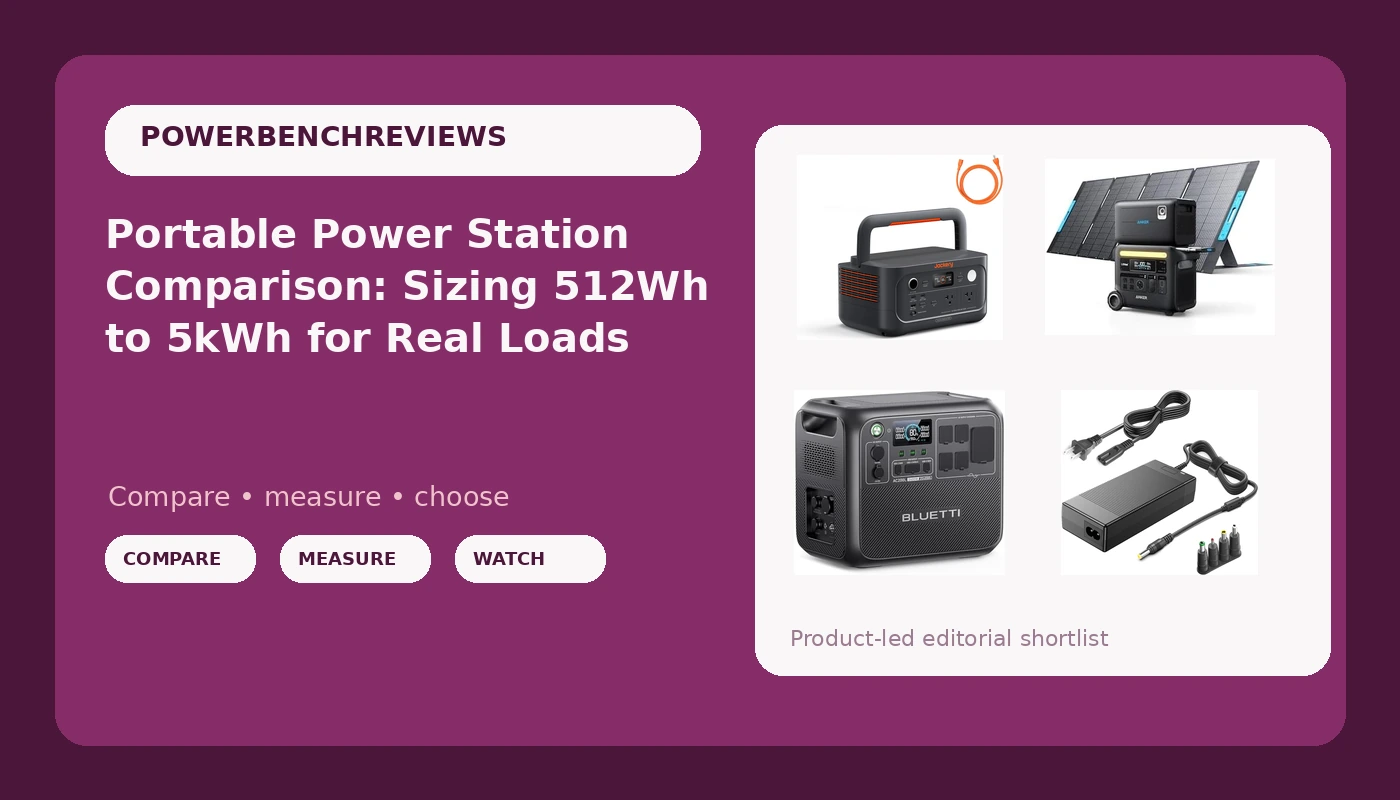
I have been an electrician for twelve years, and I have spent the last five of them running power stations across a bench in Salida, Colorado, a town where the grid drops for days every wildfire season. That is the context for this portable power station comparison. Four listings, three of them batteries and one of them a charging brick, and a whole lot of confusion about what the numbers on the box actually mean. Two of these units are home backup in a box, one is the small-format classic, and one is the spare part that keeps the small units alive when the original wall charger walks off.
The short answer: the BLUETTI AC200L is the size most households should buy. The Anker SOLIX F2600 with the PowerHouse 767 and 760 expansion battery is for the person who wants a fridge, a freezer, and a well pump to survive an outage. The Jackery Explorer 500 v2 is the small-load pick for phones, laptops, lights, and a CPAP. The 15V 60W adapter is not a station at all. It is the replacement charging brick for the 50W to 300W class, and it belongs in the cart only if you already own a small unit and lost the charger.
How I size a station before I look at the label
Every sizing argument starts with a load list, not a wattage number. Write down what you want to run and for how long, in watts and hours. A phone charger is around 10W. A laptop is 45W to 90W. A CPAP without the humidifier usually lands in the 30W to 60W range. A 12V compressor fridge averages 40W to 60W once it cycles. A full-size household fridge draws more, and its compressor surges hard on startup, which is exactly where undersized inverters fall over.
Then do the division. Watt-hours divided by continuous draw gives you hours of runtime, and the number you divide is never the nameplate capacity. Inverter conversion losses eat a slice, and every chemistry has a depth of discharge you should respect if you want the pack to last. LiFePO4 lets you use most of the stored energy without punishing the cells, which is why I will not recommend a new station running an older chemistry in 2026. That extra money buys charge cycles, not a marketing badge.
Two more checks before anything else. First, the sustained AC rating, because peak surge numbers are advertising. A unit that claims a big surge and a modest sustained output will not start a well pump, no matter what the listing photo implies. Second, whether the thing runs from its own buttons. If the app is the only way to change the charge rate, or a firmware push can brick the inverter, that is a design risk rather than a feature.
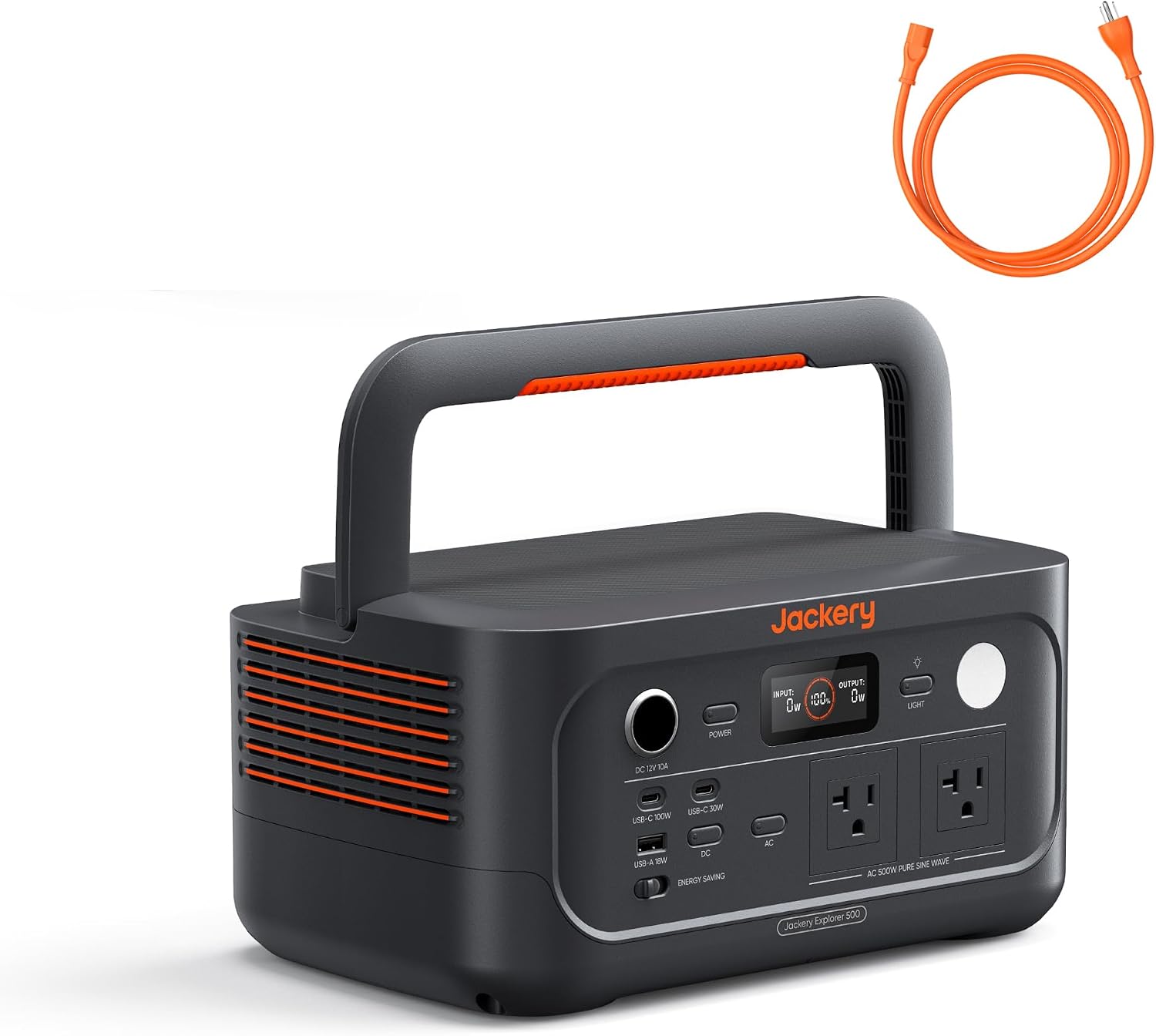
Jackery Explorer 500 v2 Portable Power Station, 512Wh, 500W AC
Simplest unit here, runs from its own buttons, easy for a non-technical household to live with
512Wh is a small tank, and the premium price buys brand history rather than capacity
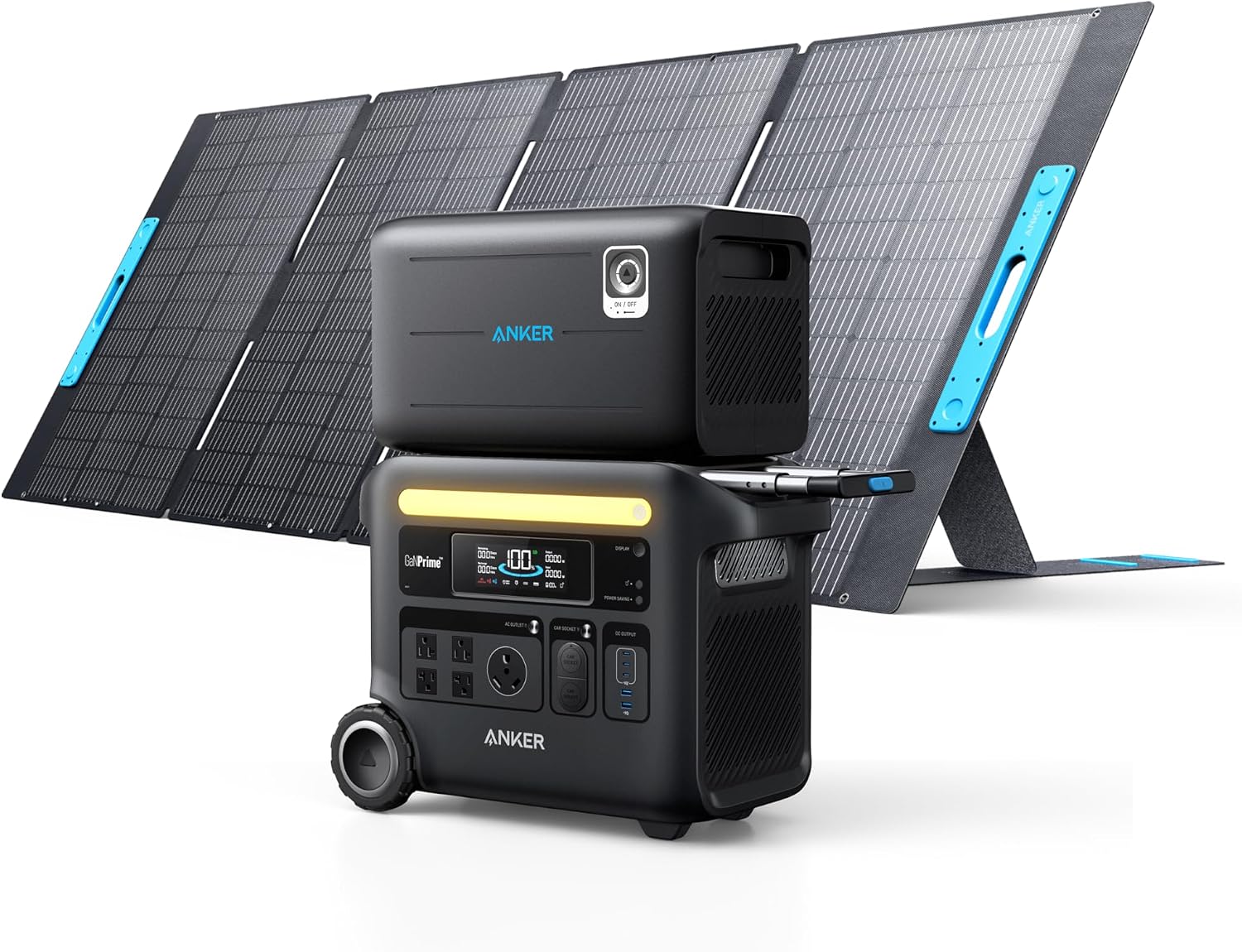
Anker SOLIX F2600 Portable Power Station, PowerHouse 767 and 760 Expansion Battery, with 1×400W Solar Panels, 5120Wh LiFePO4 Battery with 4 AC Outlets Up to 2400W
5120Wh of LiFePO4 with room to stack more, 4 AC outlets up to 2400W, and the best control app in this class
The largest spend and the largest footprint, and the bundled panel is the weakest link in the box
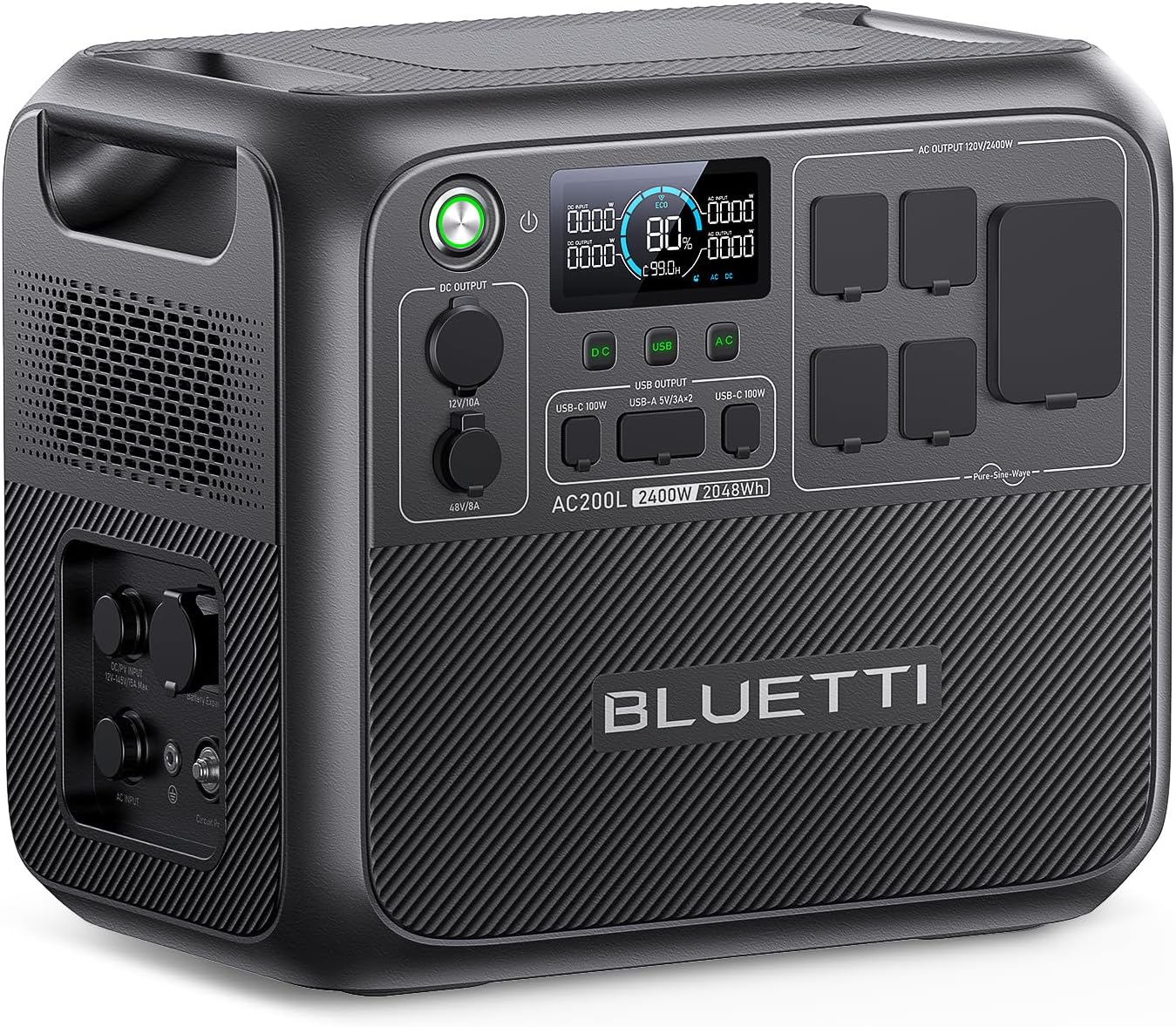
BLUETTI AC200L Portable Power Station, 2048Wh, 2400W, LiFePO4
2048Wh with a 2400W inverter is the middle that covers most houses without a trailer to move it
Heavy enough that you want a permanent spot for it, and you need a real recharge plan before an outage, not after
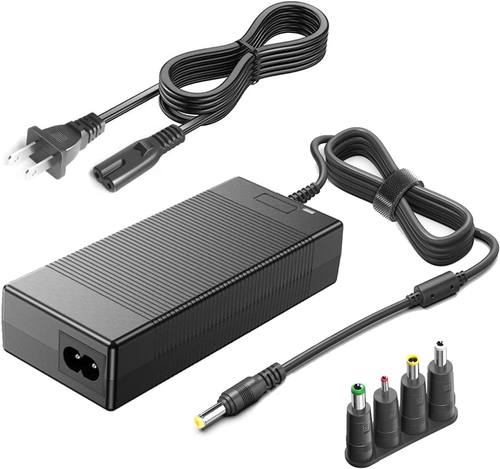
15V 60W AC Adapter Charger for Portable Power Station, 50W to 300W, fits Anker, GRECELL, EBL, HOWEASY, FlashFish, SinKeu, ZeroKor, ENOFLO, AIMTOM, CTECHi, AIPER, MARBERO and similar solar generators
A cheap spare or replacement wall brick for the small station class, with a long compatibility list
60W is a slow charge, it is not for the 2kWh or 5kWh units, and it is a power supply rather than a battery
Prices and availability were captured from Amazon Creators API and may change.
Jackery Explorer 500 v2: the small-load standard
The Explorer 500 v2 is the unit I hand to people whose entire emergency list is phones, a laptop, LED lights, and a CPAP. The 512Wh pack and the 500W AC inverter are matched to that job, and the whole thing stays light enough that nobody dreads carrying it up a flight of stairs. Jackery made this market, and the simplicity is the reason the brand still sells: there is no account to create, no cloud handshake, no firmware nag. Push the button, plug in the load, done.
Where it loses is capacity per dollar and accessory lock-in. At 512Wh you are planning in hours, not days. A 45W laptop and a 40W fridge cycle will empty a 512Wh pack faster than most buyers expect, and once you add a second appliance you are doing runtime math in your head at 2 a.m. Jackery also has a long history with proprietary charging cables and connectors, and proprietary anything on a backup device is a liability. When a cable fails during a storm, the station is a brick until a replacement arrives.
If your real load list fits in the 300W to 500W window, this is the one to buy. If it does not, buying the Explorer 500 v2 and a pile of extension cords is how people end up disappointed. Visit on Amazon →.
BLUETTI AC200L: the 2kWh middle that fits most houses
The AC200L is 2048Wh behind a 2400W inverter with a LiFePO4 pack, and that combination is the sweet spot for a household that wants one box to do everything short of running the whole panel. Two thousand watt-hours covers a fridge through a long outage, keeps the internet and the router alive, charges every phone and laptop in the house, and still has headroom for a space heater on low for a short stretch. The 2400W inverter class is what makes a well pump or a microwave realistic rather than theoretical.
BLUETTI earns its reputation as the value king when the sale price is genuine, and the AC200L is the unit I point budget-conscious buyers toward when they have moved past the toy sizes. Two things to verify before you commit. Check the pure sine wave specification rather than trusting the headline wattage, because motors and sensitive electronics care about waveform quality, not marketing copy. And plan your recharge path now: a wall outlet, a car, or panels, decided in advance. A 2048Wh pack that takes a full day to refill is a planning problem, not a hardware failure.
The trade-off is weight and placement. This is not a backpacking unit. It lives in a closet or a garage on a shelf, gets topped up monthly, and comes out when the grid goes down. Treat it like a small appliance and it will serve you for a decade. Visit on Amazon →.
Anker SOLIX F2600: 5120Wh, an expansion battery, and a 400W panel
The Anker SOLIX F2600 listing is really a system. You get the F2600 with the PowerHouse 767 and 760 expansion battery, 5120Wh of LiFePO4, 4 AC outlets up to 2400W, and a 400W solar panel in the bundle. That is a different category of product from the other two stations. This is the one for the person who wants the chest freezer, the fridge, the well pump, and the furnace blower to keep running through a multi-day outage without rationing.
Anker is the engineering dark horse of this market. The units are compact for their capacity, the app is the best in the business, and the expansion architecture means you are not throwing the whole system away when you want more storage. If you already own a PowerHouse 767, adding the 760 expansion battery is a cheaper path to 5kWh than buying a second station, and that is the smart way to grow a home backup setup.
Two honest cautions. First, a bundle price can hide a weak component, and in this bundle the panel is the weak component. Four hundred watts of solar on a 5120Wh bank is a maintenance charge, not a fast refill. Panels are the weakest link in every bundle I have ever priced out, so buy the bundle for the battery and treat the panel as a bonus. Second, the app being excellent is not the same as the app being required. Confirm the unit runs from its own controls before you trust it during a storm. Visit on Amazon →.
The 15V 60W adapter: a spare part, not a station
This one does not belong in the same sentence as the other three, and that is the point of including it. This is a 15V 60W AC adapter for portable power stations in the 50W to 300W range, and it fits a long list of brands: Anker, GRECELL, EBL, HOWEASY, FlashFish, SinKeu, ZeroKor, ENOFLO, AIMTOM, CTECHi, AIPER, MARBERO, and similar solar generators. It is the cord that turns a dead small station back into a working one.
Buy it for one of two reasons. You lost the original wall charger for a small unit, or you want a second one to leave in the van so the station charges at a campsite hookup without unpacking the house. Do not buy it expecting a fast charge. Sixty watts is a trickle in this context. A 300Wh station at 60W is a multi-hour refill, and if you are pairing it with a 500Wh pack you are looking at an overnight job. Match the plug and the voltage to your specific unit before ordering, because the compatibility list is broad but not universal.
Also be clear about what this cannot do. It will not charge the BLUETTI AC200L or the Anker SOLIX F2600 in any practical sense. Those units need their own higher-output supplies or solar input. The adapter is a maintenance part for the small-station class, and it is the least glamorous and most useful item on this page for the right owner. Visit on Amazon →.
Where each one loses
The Jackery loses on capacity per dollar and on proprietary accessories. You pay a premium for a 512Wh tank and you inherit a cable ecosystem you cannot improvise around. For a phone-and-CPAP household that is fine. For anyone with a fridge it is the wrong purchase.
The BLUETTI loses on weight and on recharge planning. A 2048Wh unit is a commitment to a shelf, and if you have not decided how you will refill it during a three-day outage, you own a very heavy phone charger. Check the waveform spec and the sustained output before you buy.
The Anker loses on total spend and on the panel math. Five thousand watt-hours plus an expansion battery is real money, and 400W of panel against a bank that size is not a fast turnaround. If the bundle discount is what is pulling you in, price the battery alone and see whether the difference still makes sense.
The adapter loses on scope. Sixty watts, small stations only, and useless for the two large units here. It wins only if you already own a 50W to 300W class station.
What I would buy with my own money
If I had one outage season and one purchase to make, I would buy the BLUETTI AC200L. Two thousand watt-hours at 2400W covers the loads that actually matter in a house, LiFePO4 gives me the cycle life I want, and it does not require a second mortgage or a permanent corner of the garage. It is the size-to-load answer for most people, and sizing to the real load is the whole game.
If my load list included a well pump or a chest freezer, I would move up to the Anker SOLIX F2600 bundle and accept the panel as a bonus rather than a feature. If my load list was a phone, a laptop, a light, and a CPAP, I would buy the Jackery Explorer 500 v2 and stop shopping. And if I already owned a small station and the wall charger had gone missing, I would add the 15V 60W adapter to the cart and think about it for exactly as long as it takes to type my address.
What I am watching next
Two things on my list for the rest of the year. First, whether the 2kWh class keeps sliding toward the small-station prices, because when that happens the 512Wh category gets very hard to justify for anyone with a fridge. Second, the used market after storm season. Flooded units show up cheap every fall, and how they behave after a wet winter tells you more about real durability than any spec sheet.
Until then, size to the load, buy LiFePO4, and make sure the thing runs from its own buttons. That is the whole method.