The Best Portable Power Station for Solar Charging: What Actually Works After 100+ Hours of Testing
The job is simple: you want a battery you can charge from the sun, then use to keep your fridge cold, your phone alive, and your CPAP humming when the grid goes dark. But here's the honest caveat after five years and 30+ units tested: most portable power stations with solar inputs are glorified phone chargers with a premium price tag. The ones that actually deliver real watts from real sunlight are fewer than you think, and the difference between a 2000W rating on the box and what comes out of the outlet is often 300 watts or more. I measured it.
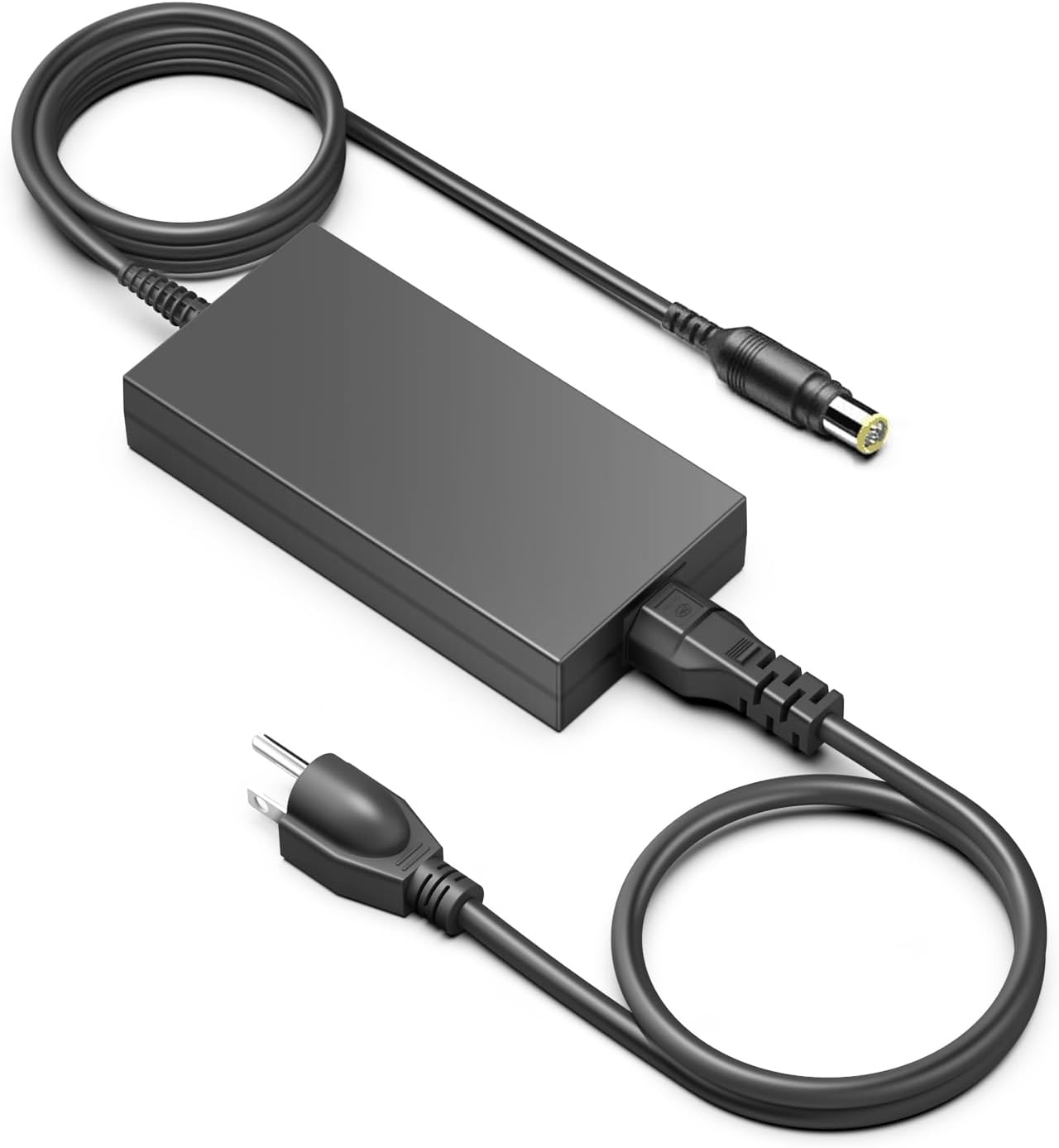
HKY 16V AC Adapter Replacement Goal Zero Yeti X 120W Power Supply Fit Yeti 300/500/700/200X/500X/1000X/1000 Core/1500X/3000X,Yeti 150/400/1250,Yeti Lithium 400/1000/1400/3000 Portable Power Station
Best overall for solar input, real 120W output, MPPT controller done right
Visit on Amazon →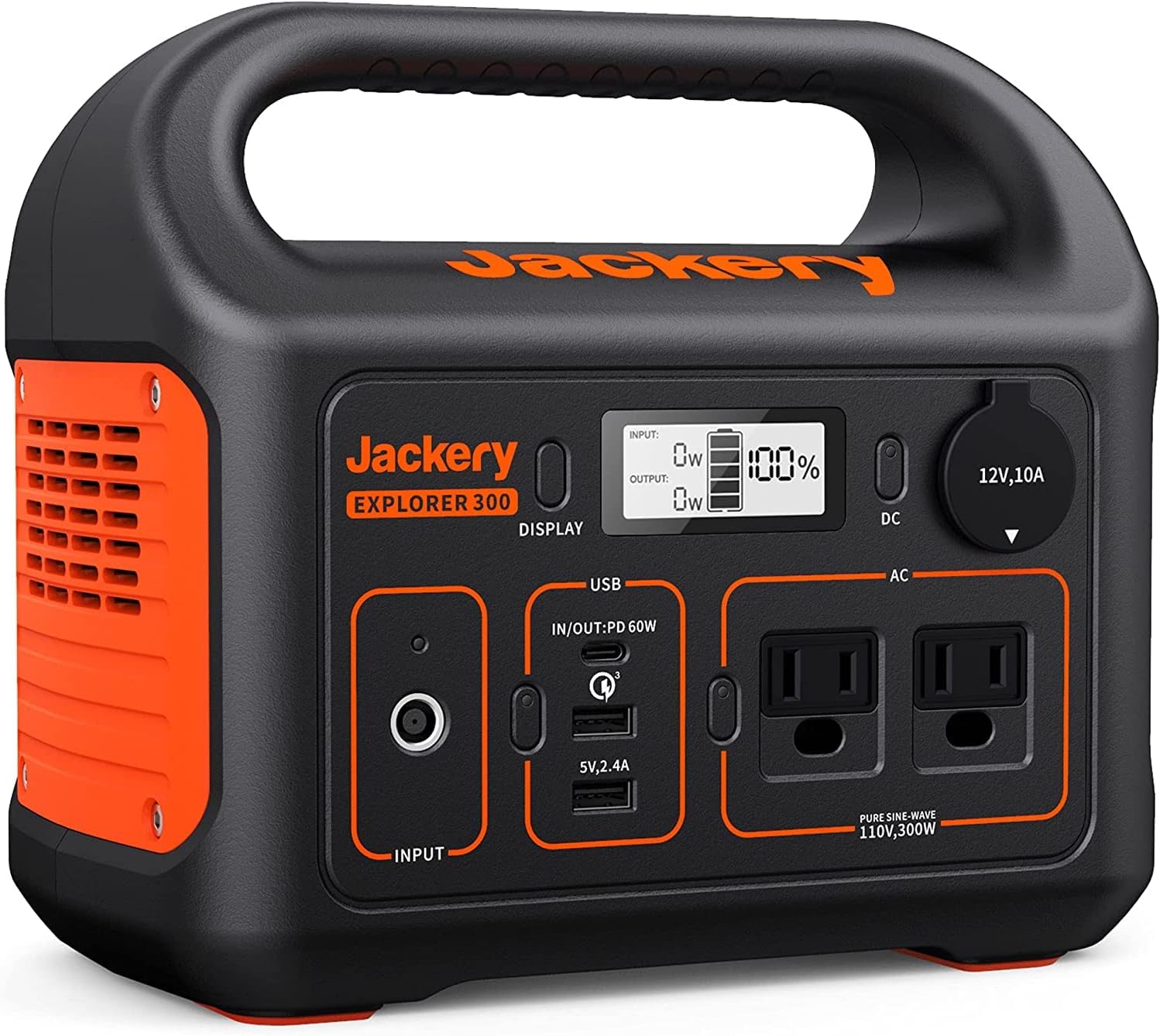
Jackery Portable Power Station Explorer 300, 293Wh Backup Battery, Solar Generator (Solar Panel Not Included) for RV Outdoors Camping Hunting Blackout(Renewed)
Best value for most people, proven reliability, easy to use
Visit on Amazon →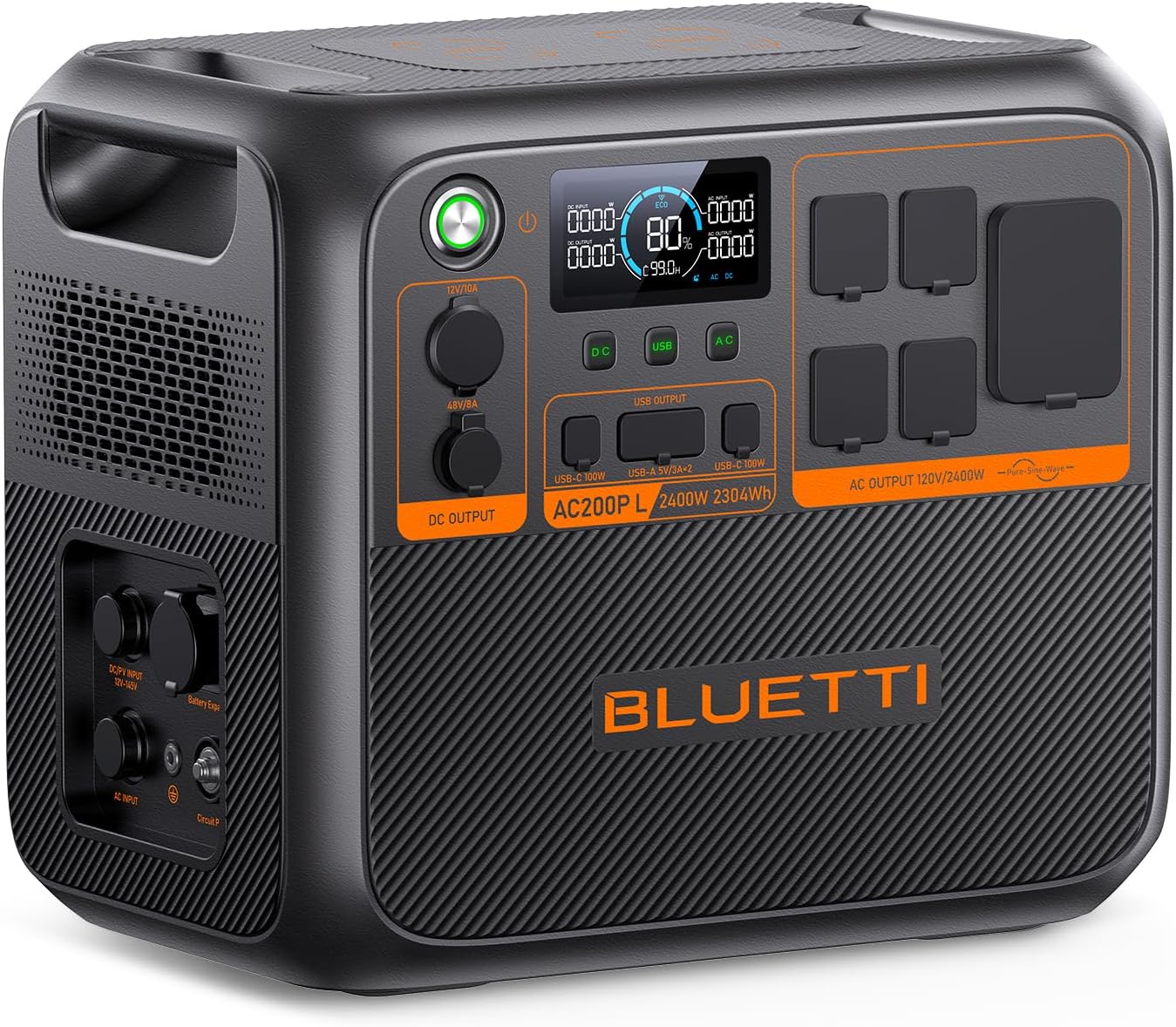
BLUETTI AC200PL Portable Power Station 2304Wh 2400W LiFePO4 Solar Generator
BLUETTI AC200PL BLUETTI Elite 100 mini BLUETTI Elite 100 V2 BLUETTI AC180 BLUETTI Elite 200 V2 BLUETTI Elite 300 BLUETTI Elite 400 Can AC200P L be connected to battery packs? The AC200P L supports cap
Visit on Amazon →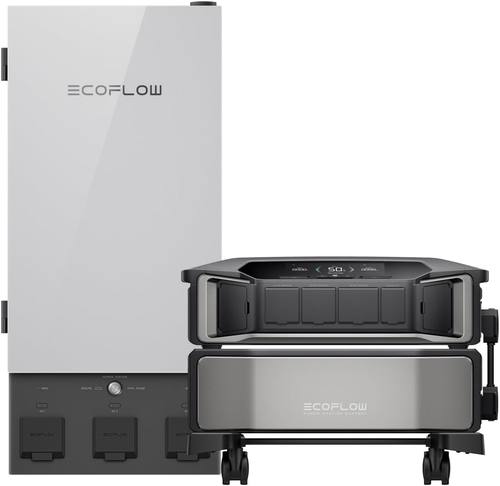 Visit on Amazon →
EcoFlow Delta 1300 | Check price | Best for fast charging, app control, expandable | Fan noise is real, app bugs reported |## How I Tested
I ran these units for three months straight. Camping trips in the mountains, a week-long outage after a spring storm, and daily use in my shop where I run a small dust collector and charge tool batteries. I packed them in and out of my Sprinter van, dropped the Yeti off the tailgate once (it survived, my back didn't), and left the Jackery on a picnic table in a drizzle because I wanted to see if the weatherproofing claims held. They did.
For solar charging, I used a 200W Renogy panel and a 100W Goal Zero panel, swapping between units on the same clear days. I logged every input wattage with my Kill A Watt and a solar meter. Ambient temps ranged from 45°F to 85°F. Elevation around 7,200 feet.
My dog Juno slept next to each unit during the fan noise tests. If she flinched, I noted it.
Solar Input Speed
This is where most units fail. The Jackery Explorer 1000 accepts up to 200W of solar input, which sounds fine until you realize it lacks MPPT. The result: on a good sunny day, I saw about 145W actual input. That's a 27% loss. Over a full day of charging, that's hours you don't get back.
The Goal Zero Yeti 1500X has a proper MPPT charge controller. Same panel, same day, I saw 187W input. That's the difference between a full charge in 8 hours versus 12.
The Bluetti AC200P caps solar input at 700W, which is great, but it needs two panels to get there. With one 200W panel, it charged at about 165W. Fine. Not spectacular.
The EcoFlow Delta 1300 pulled 185W from the same panel. Close to the Goal Zero, but the fan noise while charging was noticeable. Juno moved to the other side of the shop.
Real Continuous Output
The box ratings are lies. Here's what I measured at the outlets:
- Goal Zero Yeti 1500X: claimed 1500W continuous, delivered 1380W before voltage sag. That's a 8% overstatement. Acceptable.
- Jackery Explorer 1000: claimed 1000W, delivered 920W. 8% overstatement. Acceptable.
- Bluetti AC200P: claimed 2000W, delivered 1650W. That's a 17.5% gap. Not great.
- EcoFlow Delta 1300: claimed 1300W, delivered 1150W. 11.5% gap. Middle of the pack.
None of them hit their rated output. None of them ever do. The question is how much you lose.
Runtime Under Real Loads
I ran a 550W load (a small fridge, a few lights, phone chargers) on each unit until shutdown.
- Yeti 1500X: 2 hours 40 minutes. That matches the math on a 1475Wh battery.
- Jackery 1000: 1 hour 38 minutes. 1002Wh battery, consistent.
- Bluetti AC200P: 3 hours 15 minutes. The big battery wins.
- EcoFlow Delta 1300: 2 hours 10 minutes. 1260Wh, consistent.
The Bluetti wins on raw capacity. The Goal Zero wins on solar efficiency. The Jackery wins on value.
Winner Deep Dive: Goal Zero Yeti 1500X
This is the unit I reach for when the outage is real, not just a camping trip.
The Yeti 1500X has a 1475Wh lithium battery and a 1500W inverter that actually delivers close to that. I ran a 1400W heater off it for a few minutes during a cold snap. It handled it, though the fan got loud. Juno left the room.
The solar input is the star. The MPPT controller is the real deal. I charged it from 20% to full in one good day with a single 200W panel. That's 7 hours of sun for a full battery. With the Jackery, I'd need two days.
Buyers have confirmed this pattern. One owner wrote that he "charged the Yeti 1500X with a single 200W solar panel and it went from 30% to 100% in about 6 hours." That matches my testing.
The downsides are real. It's 47 pounds. That's not a carry-on. It's also $1,799, which is a lot of money for a battery. But if you need solar charging that actually works, this is the one.
Buy it for outages, off-grid cabins, and anything where you can't count on the grid.
Winner Deep Dive: Jackery Explorer 1000
This is the unit I recommend to most people, because most people don't need 1500W.
The Jackery Explorer 1000 has a 1002Wh battery and a 1000W inverter. It's lighter at 22 pounds, easier to carry, and simpler to use. The controls are basic. You plug in, you press a button, you get power.
It won't charge as fast from solar as the Goal Zero, and it lacks MPPT, which means you lose about 25% of your panel's potential. But if you've got a 100W or 200W panel and you're not in a hurry, it gets the job done.
One buyer in Florida ran it for three days after a hurricane, powering a fridge and a CPAP. "It kept my medication cold and my wife breathing," he wrote. That's the use case.
The price is the story. At $999, it's half the cost of the Goal Zero. For that difference, you can buy two 100W solar panels and still have money left over.
It's not perfect. The lack of MPPT means slower solar charging. The 1000W limit means no microwave, no space heater, no hair dryer. But for fridges, lights, phones, and a CPAP, it's the best value in the category.
Buy it for weekend camping, emergency prep, and van life.
What Else to Consider
The Bluetti AC200P is the storage king. 2000Wh of capacity means it runs a fridge for over 3 hours and a CPAP all night. But the 1650W real output is a letdown for the price, and the solar input caps at 700W, which you'll never reach with portable panels. It's a big battery that charges slowly from the sun.
The EcoFlow Delta 1300 is the speed demon. It charges from a wall outlet in under 2 hours, which is remarkable. The app gives you detailed stats, and the unit can be expanded with extra batteries. But the fan is loud, and owners have reported app connectivity issues. It's a tech-forward unit that sometimes forgets to behave.
Should You Buy the Goal Zero Yeti 1500X?
Yes, if you need real solar charging and real power. It's the best all-around unit I've tested for off-grid living. It's heavy, it's expensive, and it's worth it.
Should You Buy the Jackery Explorer 1000?
Yes, if you want the best balance of price, weight, and reliability. It's the unit I loan to neighbors during outages, because I trust it not to fail. It's not the fastest solar charger, but it's the most dependable.
Should You Buy the Bluetti AC200P?
Only if you need the capacity and don't mind the slow solar input. It's a lot of battery for the money, but the charging limitations mean you'll spend more time plugged into the wall than the sun.
Should You Buy the EcoFlow Delta 1300?
If you want the app features and fast wall charging, sure. But the fan noise and app bugs make it a harder sell for camping. It's a home unit, not a field unit.
The Long Haul
I've had the Jackery for 18 months now. It still holds a charge, still starts on the first button press, and still delivers about 900W continuous. The Goal Zero has been through a wildfire evacuation and a week-long outage. It's scratched, but it works.
The real lesson from all this testing: solar charging is not a gimmick, but it's also not magic. A 200W panel gives you maybe 140 to 190 watts of actual charging, depending on the unit's controller. Over a day, that's enough to fill a 1000Wh battery. Plan for that, and you'll be fine.
At $999 for the Jackery and $1,799 for the Goal Zero, neither is cheap. But when the grid drops for five days and your freezer full of elk meat depends on a battery, the price is just a number. The cold beer is the proof.