Outages where I live do not last an hour. They last days, and the difference between a rough week and a manageable one is whether the battery was sized right before the weather turned. That is the whole problem with shopping for the best portable power station: the shelf is crowded with confident wattage numbers, and almost none of them tell you how long the unit will actually run your fridge, your router, or your CPAP. This guide looks at six units, from an 88Wh pocket-sized pack to an 1843.2Wh home backup, and compares them on the numbers that decide the outcome: usable watt-hours, inverter rating, battery chemistry, and whether the battery platform locks you into one brand. Everything below comes from the published specifications and listing details for each model rather than from a bench test, and I say that plainly because a spec sheet is a promise, not a reading.
Related: How to Size a Power Station to Your Real Loads
Quick answer
The BLUETTI AC70 Portable Power Station 768Wh 1000W LFP Battery Solar Generator is the strongest fit for everyday outage coverage and weekend van trips because 768Wh of LiFePO4 storage behind a 1000W inverter lines up with the loads most people actually run: lights, a router, laptop chargers, a CPAP, and short bursts of small appliances. Choose the Jackery Explorer 1000 v2 Portable Power Station,1070Wh,1500W instead when you want a bigger buffer and a higher inverter ceiling in the same size class.
Portable power stations worth comparing
Six units, spanning three very different jobs: pocket-sized phone and light duty, mid-size everyday backup, and full home backup with a 2400W inverter. The cards below are sorted with the top pick first, then the rest by how they fit the alternatives conversation.
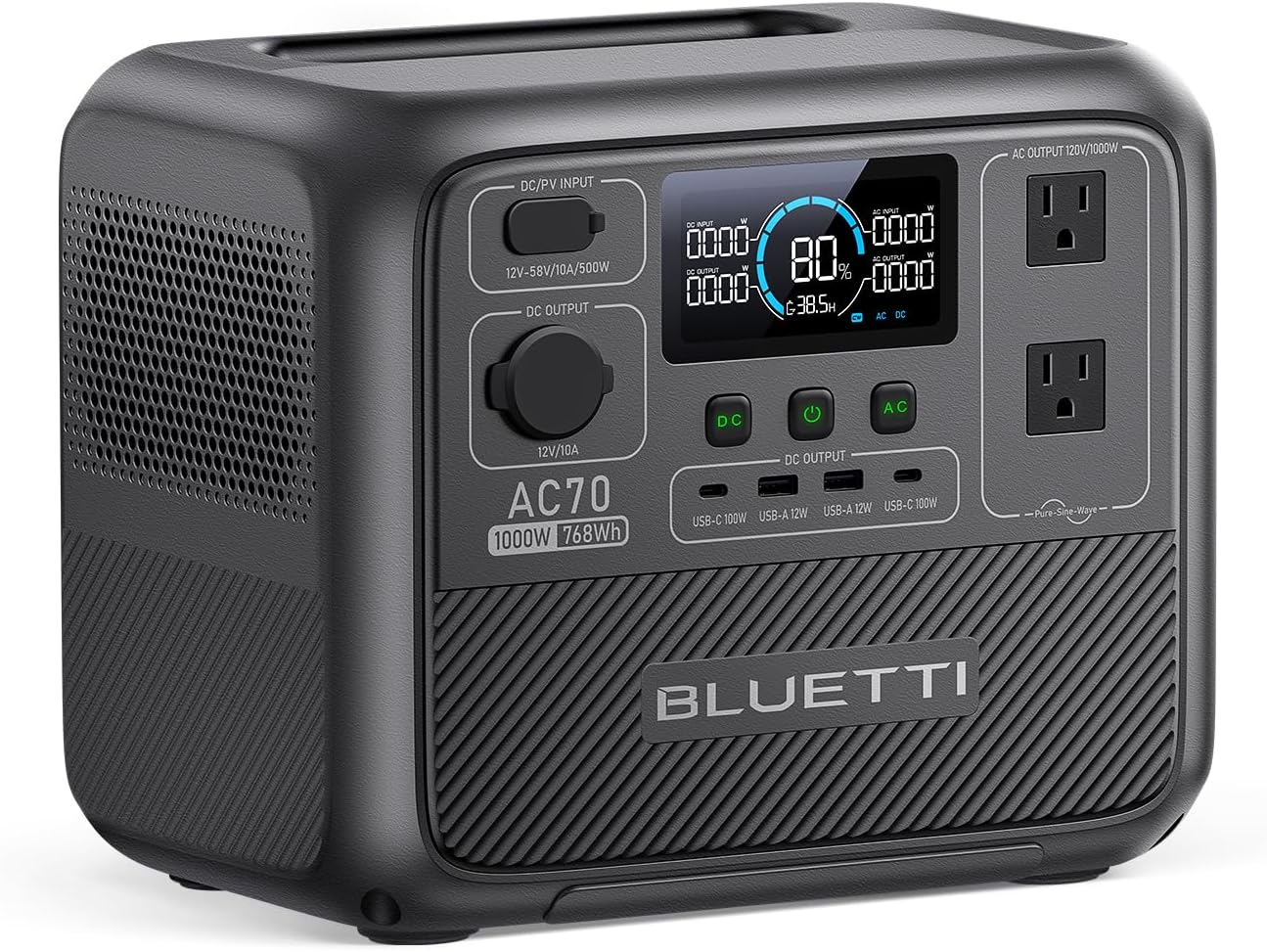
BLUETTI AC70 Portable Power Station 768Wh 1000W LFP Battery Solar Generator
Check current Amazon price
768Wh of LiFePO4 storage behind a 1000W inverter, positioned as a mid-size unit for outdoor use and home backup.
Visit on Amazon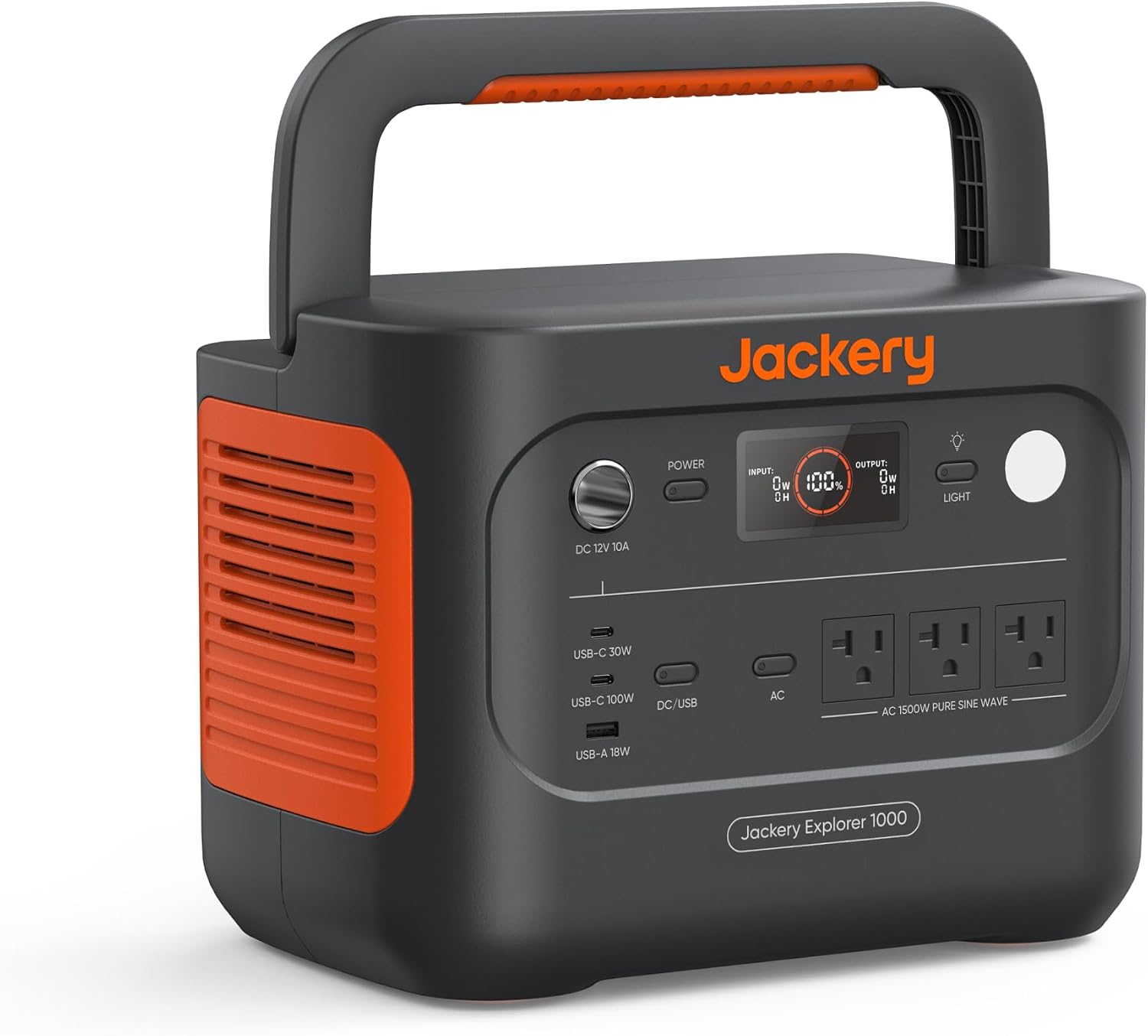
Jackery Explorer 1000 v2 Portable Power Station,1070Wh,1500W
1070Wh of capacity and a 1500W inverter in Jackery's Explorer line, the larger mainstream-brand option in this set.
Visit on Amazon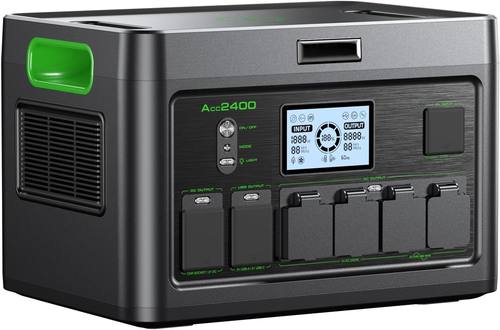
2400W Portable Power Station 1843.2Wh Solar Generator Home Power Backup
The largest numbers in this group by a wide margin: 1843.2Wh of storage and a 2400W inverter, aimed at home power backup.
Visit on Amazon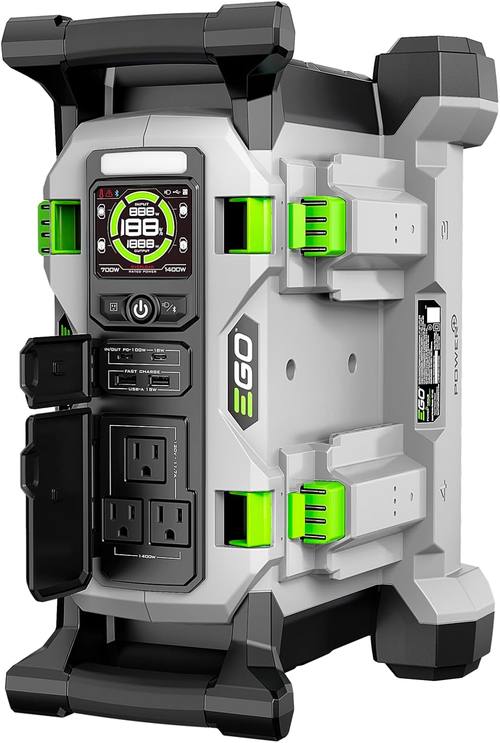
EGO POWER+ Portable Power Station, 1400W, Inverter Generator for Home and Outdoor, Compatible with all EGO Batteries, Batteries Not Included - PST1400
A 1400W station that runs on EGO's own battery platform. Batteries are not included, so plan for packs if you do not already own EGO tools.
Visit on Amazon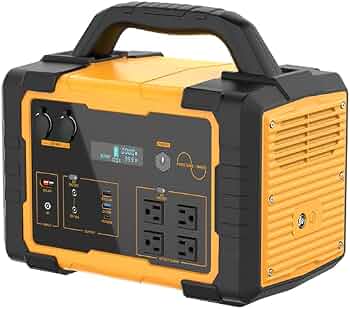
1000W Portable Power Station 1024Wh LiFePO4 for Outdoor & Home
1024Wh of LiFePO4 storage paired with a 1000W inverter, listed for both outdoor use and home backup.
Visit on Amazon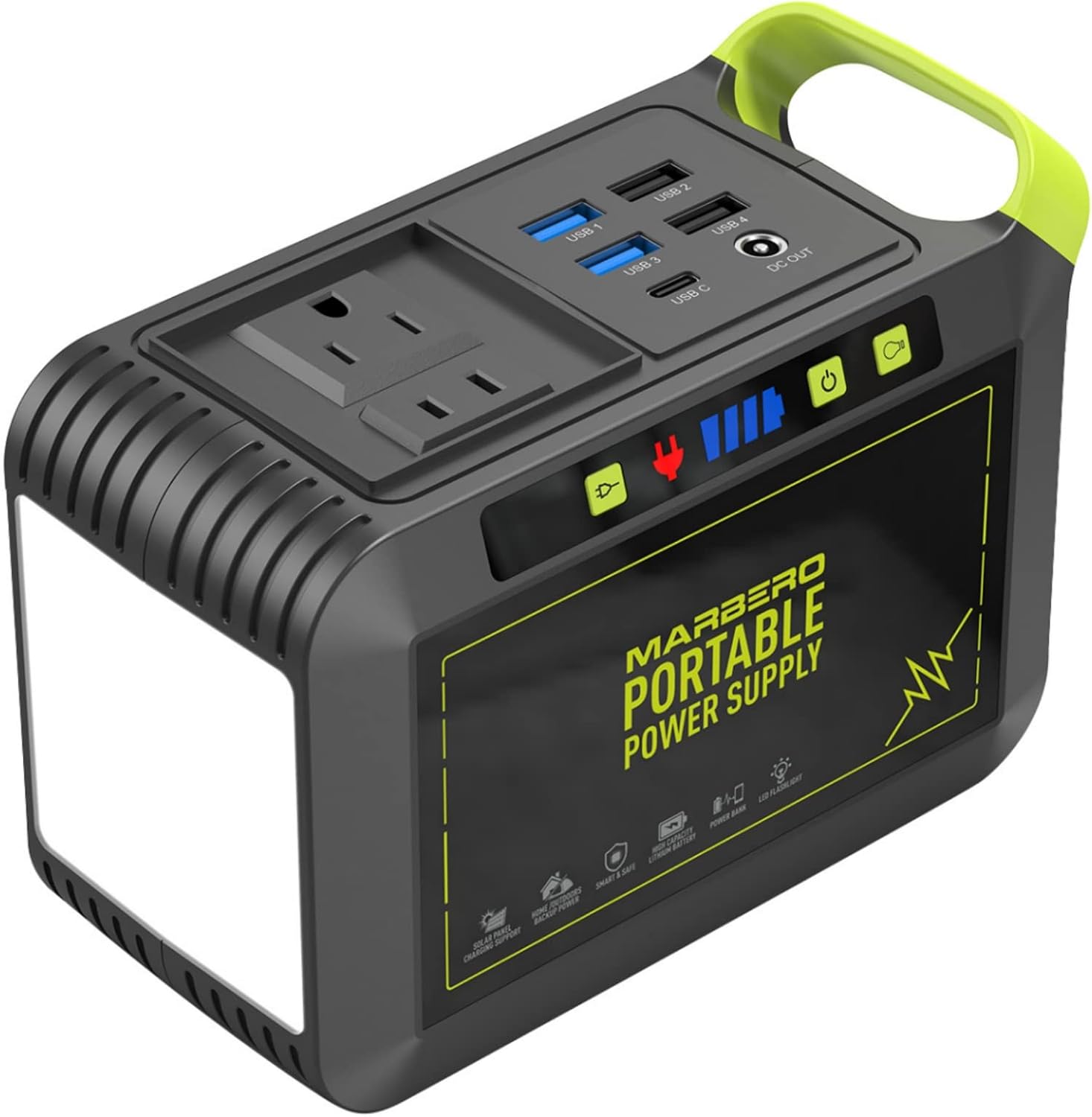
MARBERO Portable Power Station 88Wh, 120W Surge, Solar Generator 24,000mAh
Check current Amazon price
88Wh and 24,000mAh with a 120W surge rating, sized for phones, lights, and small electronics rather than appliances.
Visit on AmazonPrices and availability may change. Check the retailer for current details.
How these products were compared
This guide compares five things: rated watt-hours of storage, inverter output rating, stated battery chemistry, battery platform and expansion compatibility, and practical portability for the capacity class. A unit with a big number in one column and a blank in another is not a tie. It means you do not know yet, and that gap is worth money.
A word on method, because it matters more than the table. Every figure here comes from the published product record and the manufacturer specifications for the model. This is not a bench test report, and I am not claiming to have discharged these specific units. Where a listing does not state something I care about, such as battery chemistry, I point out the gap instead of filling it in. Product names, images, and retailer links are matched to the same product record so that every card points to the product shown, and each card leads to the retailer page where you can confirm current price, availability, and return terms for yourself.
How to choose the right portable power station
The first number to distrust is the wattage on the front of the box. Watts tell you what the inverter can push out at one moment. Watt-hours tell you how long it can keep pushing, and that is the number that decides whether you sleep warm or spend the night in the truck. Size from the load side instead. Write down what you want to run, multiply the watts each item draws by the hours per day you expect to use it, add the totals, and you have a daily watt-hour budget. Then apply depth of discharge. A LiFePO4 pack is generally usable to roughly 80 to 90 percent of its rating, so the 768Wh unit in this group gives you something like 650Wh of real spending money per cycle, and a combined 60W load of lights, a router, and a laptop charger draws about 10 to 11 hours from that on paper. Run the same arithmetic against 1843.2Wh and the same load stretches past a full day.
Second, match the inverter to the hardest thing you plan to start, not the average thing you plan to run. Motors, compressors, and anything with a heating element pull a surge at startup that can run two or three times the running watts, and a listing that advertises a surge figure with no continuous rating is telling you half a story. If a microwave, a well pump, or a full-size fridge is on your list, shop in the 1500W and up range. If your list is lights, phones, laptops, and a small fan, a 1000W inverter is plenty, and the money you do not spend on inverter headroom is better spent on watt-hours.
Third, buy chemistry and platform deliberately rather than by habit. LiFePO4 is the chemistry to look for if you want a long cycle life instead of a few good seasons, and two units here state it outright by name. Platform matters just as much. The EGO station runs on EGO batteries that are not included in the box, which is excellent news if the mower, trimmer, and blower are already in your garage, and a second purchase if they are not. For the longer version of this arithmetic, see our guide to sizing a station to your real loads.
BLUETTI AC70 Portable Power Station 768Wh 1000W LFP Battery Solar Generator
This is the pick because the two numbers that matter most to me point the same direction. The storage is 768Wh and the chemistry is stated as LFP, which is the battery type I want in anything that will sit in a closet for years and then be asked to work on the worst night of the year. The inverter is rated 1000W, which covers the realistic list: refrigerator cycling for short periods, lights, a router, laptop and phone charging, a small fan, and a CPAP. Nothing in this group asks you to choose between decent chemistry and a usable inverter as cleanly as this unit does, and that balance is the reason it leads.
The trade-offs are real and worth naming before you click. At 768Wh it sits in the middle of this group, so a multi-day outage running a fridge overnight will eat most of a cycle, and the Jackery and the 1843.2Wh unit both carry more reserve. The 1000W ceiling also means surge-heavy appliances, a big microwave or a full-size fridge compressor, may not start at all. LiFePO4 packs also tend to be heavier for the same capacity than older chemistries, so check the listed weight if you plan to carry it up stairs. And as with every listing in this class, verify the inverter is a pure sine wave and confirm the continuous rating on the retailer page rather than trusting a headline wattage.
Alternatives to consider
The Jackery Explorer 1000 v2 Portable Power Station,1070Wh,1500W is better suited to buyers who want more capacity and a higher inverter rating in a familiar name, with 1070Wh and 1500W covering bigger surge loads and longer overnight runs. Jackery built this market and still supports it well, though this brand has a habit of proprietary solar connectors and premium pricing while the field catches up, so read the charging inputs carefully before you commit. The 2400W Portable Power Station 1843.2Wh Solar Generator Home Power Backup is a stronger fit when your goal is whole-home essentials during a long outage rather than portability: 1843.2Wh and a 2400W inverter are the biggest figures here, and the listing does not spell out battery chemistry, so ask that question or confirm it in writing before you buy, because chemistry is the one spec you cannot add later.
The EGO POWER+ Portable Power Station, 1400W, Inverter Generator for Home and Outdoor, Compatible with all EGO Batteries, Batteries Not Included - PST1400, the 1000W Portable Power Station 1024Wh LiFePO4 for Outdoor & Home, and the MARBERO Portable Power Station 88Wh, 120W Surge, Solar Generator 24,000mAh cover the rest of the field. The EGO unit is the smart buy for anyone already invested in EGO's battery platform, since the packs do double duty across tools and the station. The 1024Wh LiFePO4 unit pairs a stated LiFePO4 battery with a 1000W inverter and is worth comparing head to head against the top pick on ports and charging inputs. The MARBERO is a different animal entirely: 88Wh and a 120W surge rating make it a phone, light, and small-electronics pack, and buying it to run a fridge is like buying a dump truck for groceries, in reverse.
Day-to-day use and maintenance
Treat a station as a battery with an inverter bolted on, because that is what it is. Keep the vents and fan path clear, keep it out of direct sun, and do not leave it in a hot vehicle for weeks at a time, since heat is what shortens the calendar life of any lithium pack. For storage, a partial charge is friendlier than a full one for long idle stretches, and a top-up every few months keeps the cells from drifting. If you plan to leave it plugged in as a permanent backup, confirm the unit actually supports pass-through operation before you build that habit, and do not assume it.
Run the unit from its own buttons at least once before an emergency. The app is a feature, not the product, and a station that cannot be started, checked, and shut down from the front panel fails the only test that matters during an outage. Also, never backfeed a home circuit from a power station. Extension cords to specific loads are the safe route, and anything tied into household wiring needs a proper transfer switch or interlock installed by someone qualified. Finally, if the manufacturer pushes a firmware update, do it on a normal day, not on the night the grid goes down.
Buying checklist
- Measure the space where the unit will live, including clearance for vents and the fan.
- Choose watt-hours based on your normal daily load, not on the one appliance you might run once a year.
- Confirm the exact model includes what you assume it includes, especially batteries and solar panels, which are not part of every box.
- Check the stated battery chemistry and the continuous inverter rating, not just the surge figure.
- Read the care and storage instructions for the specific pack chemistry.
- Verify the current retailer price, availability, and return terms before ordering.
Final recommendation
Choose the BLUETTI AC70 Portable Power Station 768Wh 1000W LFP Battery Solar Generator when your loads are the everyday kind and you want a stated LiFePO4 battery behind a 1000W inverter without stepping up into a heavier class. Choose the Jackery Explorer 1000 v2 Portable Power Station,1070Wh,1500W when you need more reserve and a higher inverter rating, and step up to the 1843.2Wh unit when home backup rather than camping is the real job, provided you confirm the chemistry first. If you already own EGO batteries, the PST1400 deserves a look on platform economics alone. Skip the 88Wh MARBERO for anything with a compressor or a heating element, and remember that the honest answer to which station is best is the one whose watt-hours match your measured daily draw.