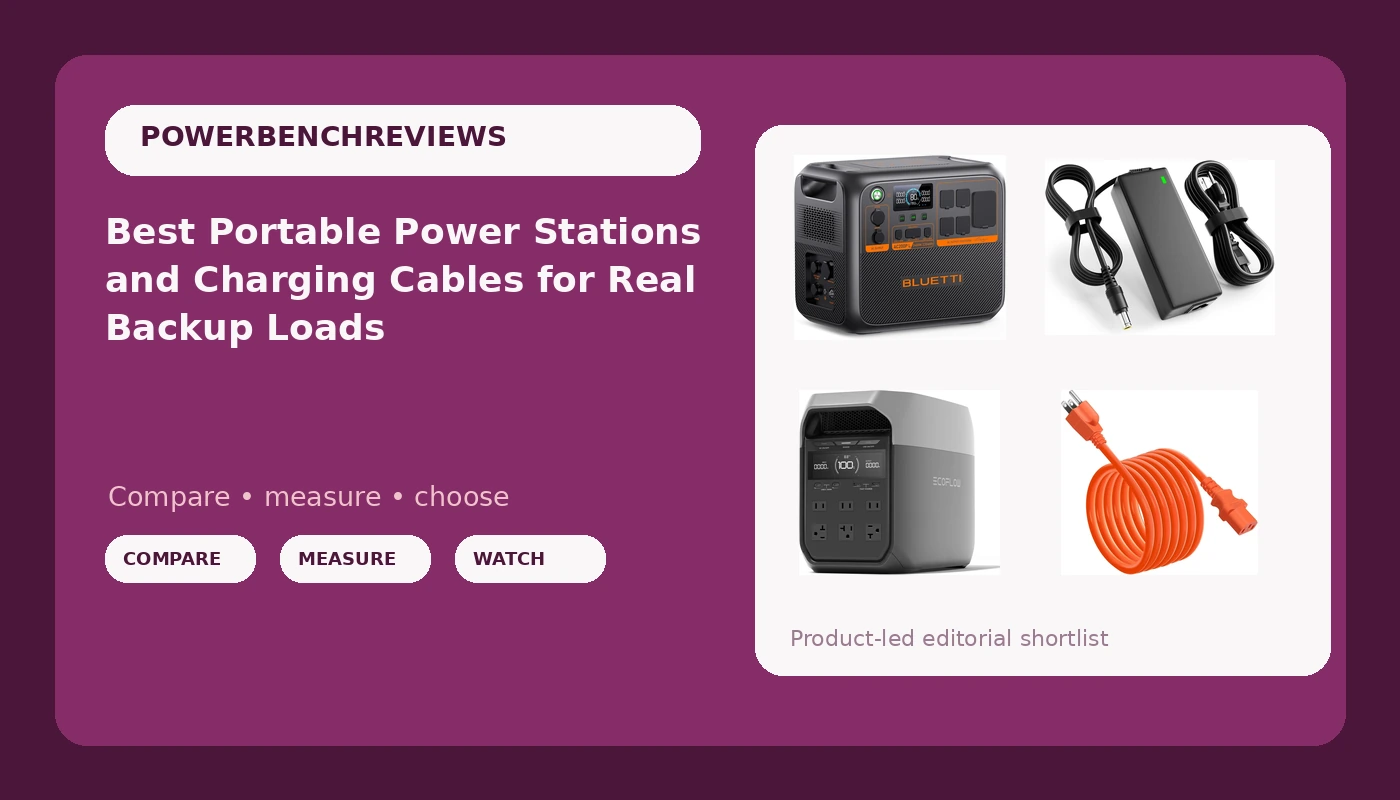
Most people buy the wrong power station for a boring reason: they shop the wattage number and never do the load math. Watts tell you what an inverter can push at one instant. Watt-hours tell you how long it can keep pushing, and that second number is what decides whether a unit carries you through a two-day outage or quits at hour six. This guide sorts through six pieces of gear that cover the useful range: two 1,024Wh units in the mid-size class, one 2,304Wh LiFePO4 portable power station for heavier backup loads, and three charging accessories that control how fast any of them refills from a wall outlet or a vehicle.
Related: How to Size a Power Station for a Weekend of Van Camping
Quick answer
The BLUETTI AC200PL Portable Power Station 2304Wh 2400W LiFePO4 Solar Generator is the strongest fit for whole-load home backup because its 2,304Wh LiFePO4 bank and 2,400W inverter are sized for the loads people actually run during an outage, such as a full-size refrigerator alongside a few small electronics. Choose the EF ECOFLOW Delta 3 Portable Power Station, 1024Wh 1800W instead when the job is lighter, more portable, and closer to a camping or tailgating load.
Power stations and charging essentials worth comparing
Two things decide whether a station is worth owning: usable capacity in watt-hours and the sustained output of the inverter. Everything else, including app features and port count, is secondary. That splits this list into three tiers. The 1,024Wh class handles a weekend of camping, a router and laptop through a short outage, or a tailgate setup. The 2,304Wh class is where real household backup starts, because a fridge cycling on and off over 24 hours eats a serious chunk of stored energy. The third tier is the part buyers skip, which is charging hardware: the cable and charger that decide whether the unit refills overnight or sits dead until the grid comes back. A 2,304Wh battery with the wrong car cable is a 2,304Wh brick on a road trip.
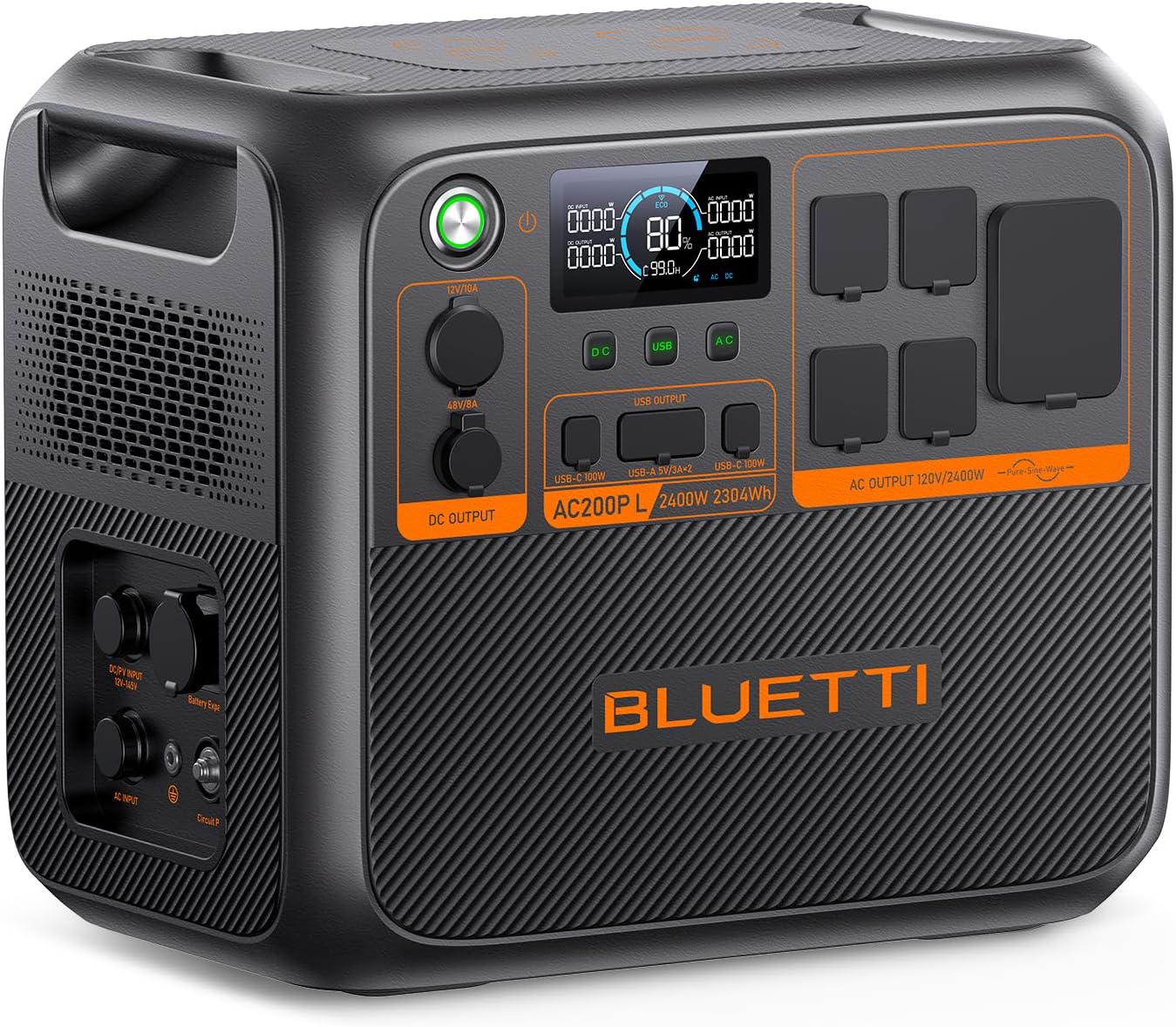
BLUETTI AC200PL Portable Power Station 2304Wh 2400W LiFePO4 Solar Generator
Check current Amazon price
A 2,304Wh LiFePO4 battery paired with a 2,400W inverter, sized for multi-day backup loads rather than weekend phone charging.
Visit on Amazon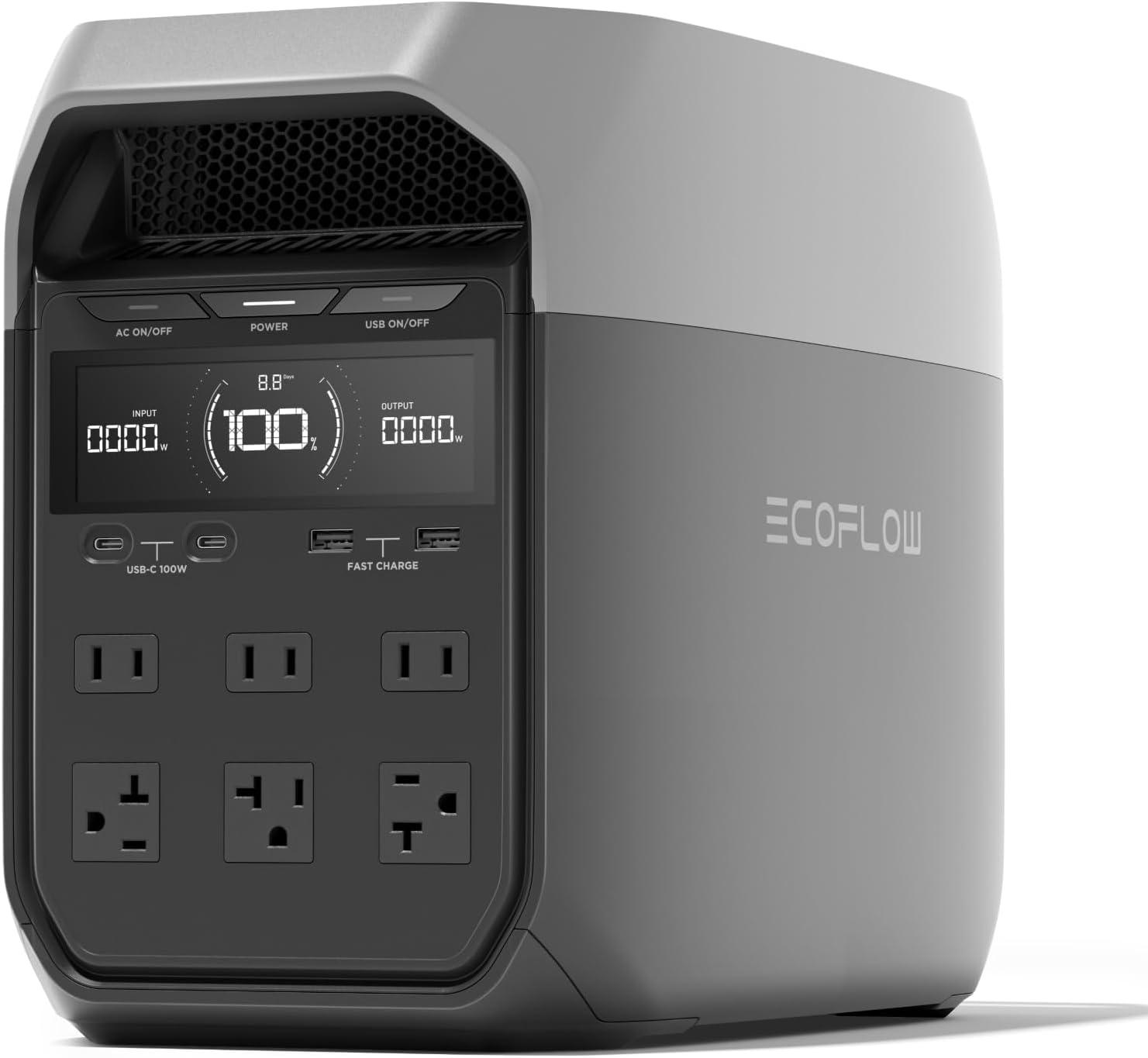
EF ECOFLOW Delta 3 Portable Power Station, 1024Wh 1800W
1,024Wh of capacity behind an 1,800W inverter, a mid-size option in the Delta line that stays genuinely portable.
Visit on Amazon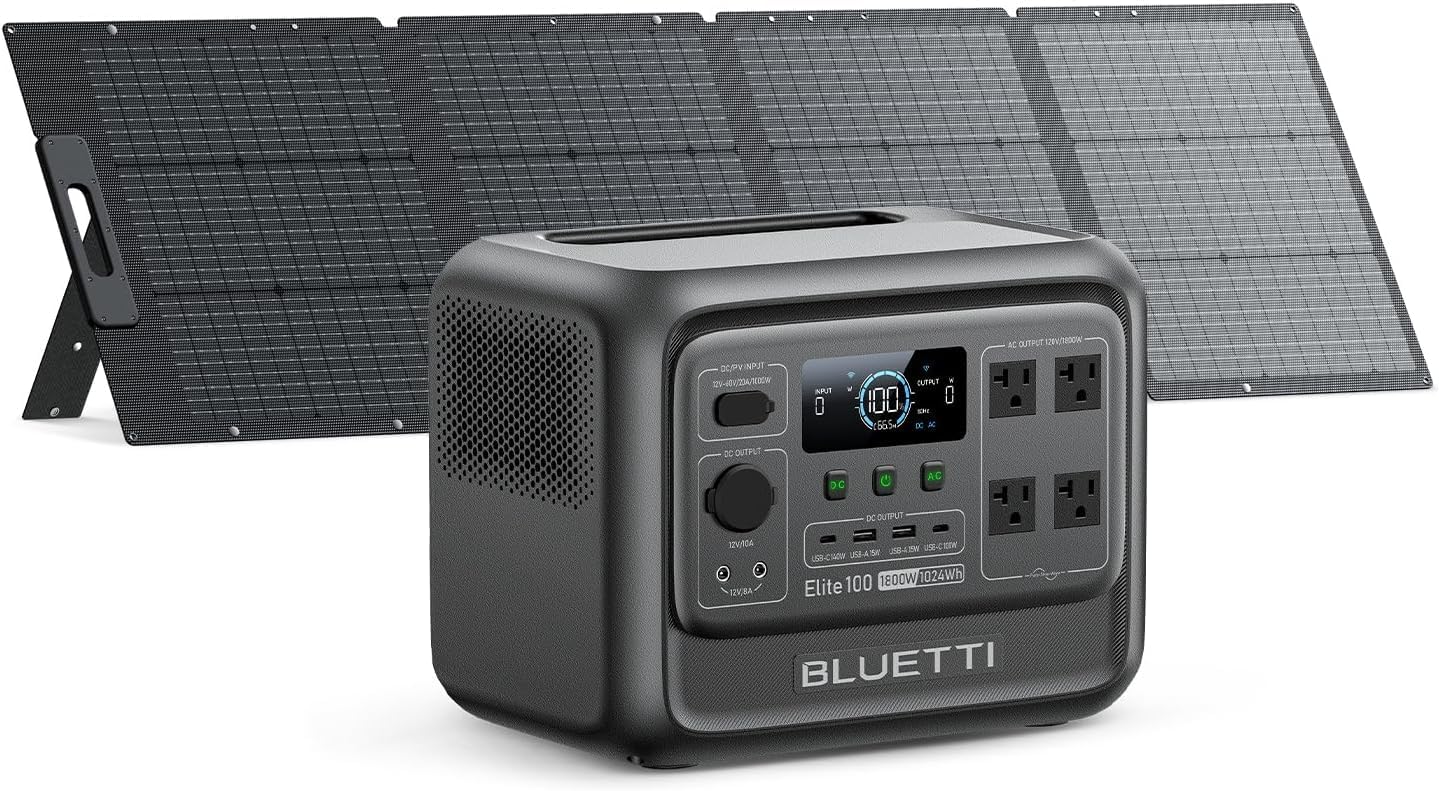
BLUETTI Solar Generator Elite 100 V2 with 200W Solar Panel Included, 1024Wh
A 1,024Wh station sold as a bundle with a 200W solar panel included, so the panel cost is folded into one purchase.
Visit on Amazon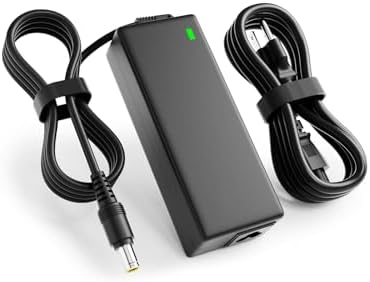
24V 90W Jackery Charger for Explorer Power Stations
A 24V, 90W charger built for the Explorer line, useful as a spare or as a replacement for a lost original.
Visit on Amazon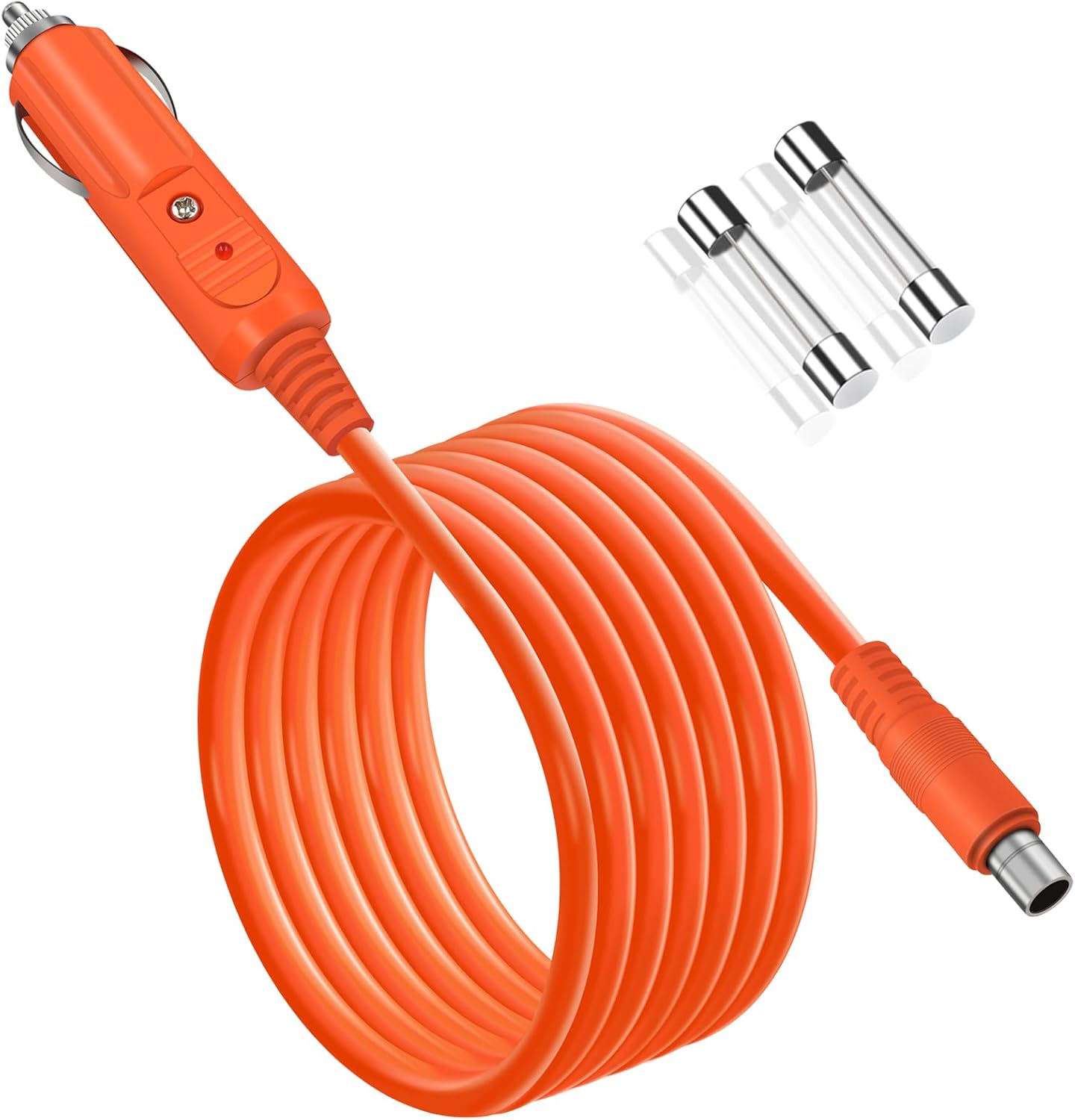
YEZriler 14AWG Car Charging Cable for Jackery Portable Power Station Explorer 3000 Pro 2000 Plus 2000 Pro 2000 v2 2000 1500 Pro 1500 1000 Pro 1000 v2 1000 - DC8020 Plug 2M/6.6FT
A 14AWG car charging cable with a DC8020 plug and a 2M/6.6FT run, listed for Jackery Explorer models.
Visit on Amazon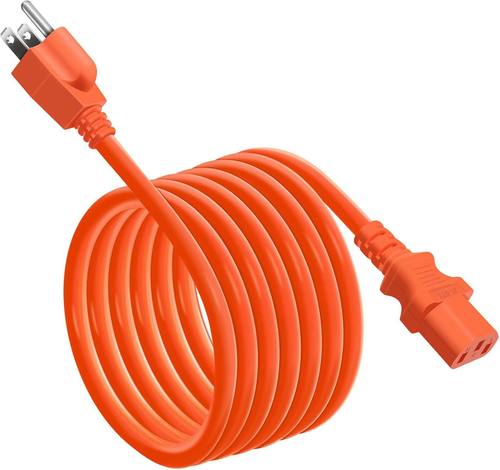
YEZriler 2M/6.6FT Heavy-Duty Charging Cable for Jackery Power Station Explorer 3000/2000/1500/1000, Ecoflow Delta/River/Series, Bluetti EB3A, Anker 757/767, 125Volt 15Amps AC Power Cord - Orange
A heavy-duty 125V 15A AC power cord, 2M/6.6FT, listed for Jackery Explorer, EcoFlow Delta and River, BLUETTI EB3A, and Anker 757/767 units.
Visit on AmazonPrices and availability may change. Check the retailer for current details.
How these products were compared
This guide compares usable capacity in watt-hours, continuous inverter output in watts, battery chemistry, charging input and cable compatibility, and whether the package includes a solar panel or ships as a battery-only unit. Product names, images, and retailer links are matched by ASIN so that every card points to the product shown.
Nothing here is presented as a measured bench result. The numbers come from the manufacturer's published specifications, and the compatibility notes on the cables come from the connector type and the model lists published with each listing. Confirm both against your own unit before you buy, especially for cables, where a single plug difference makes the part useless. Prices move constantly, so use the retailer link on each card to confirm the current price and availability rather than trusting any figure you saw last month.
How to choose the right portable power station
Start with a load list, not a capacity target. Write down what you want to run and for how long, then multiply watts by hours. A refrigerator draws a few hundred watts while the compressor runs but cycles on and off, so the honest estimate is roughly a third of its rated draw averaged over a day. A CPAP machine, a modem, a laptop, and a phone charger together are usually under 150W continuous. Add those up and you get watt-hours per day, which is the only number that matters when you are choosing between a 1,024Wh unit and a 2,304Wh unit.
Then check the inverter against your largest single load, not the total. A 1,800W or 2,400W continuous rating is generous for electronics and small appliances, but anything with a motor or a heating element needs headroom, and manufacturers rarely publish a sustained rating next to the surge number. If a listing only shouts about peak watts, treat that as a warning sign and look for the continuous figure in the spec table. Battery chemistry is the other decision point. LiFePO4 costs more up front and holds up better over years of charge cycles than older lithium chemistries, which is why both large stations on this list use it. If you plan to cycle the unit weekly, that chemistry is worth paying for. If it will sit in a closet for emergencies and get topped up twice a year, the difference is smaller.
Finally, decide whether you are buying a battery or a system. A bundle that includes a 200W panel, like the Elite 100 V2, is convenient because everything arrives matched, but panels are the weakest link in any bundle and you pay for that convenience. If you already own panels, buy the station alone. If you want a station for road trips and outages, see our notes on sizing a station for van camping before you commit to a capacity class.
BLUETTI AC200PL Portable Power Station 2304Wh 2400W LiFePO4 Solar Generator
This is the top pick because it is the only unit here built for the load profile that actually matters in a long outage. A 2,304Wh LiFePO4 bank paired with a 2,400W inverter means a refrigerator plus a few small loads is a reasonable overnight draw rather than a strain, and LiFePO4 chemistry is the right choice for a unit that will be cycled repeatedly over its life. The capacity also makes solar charging less of a gimmick: a couple of hundred watts of panel input has somewhere to go, and you are not spending a sunny afternoon refilling an hour of runtime.
The trade-off is weight and cost. A 2,304Wh station is not something you carry up a trail, and it does not belong in a daypack. It is a unit that lives in a garage, a van, or a closet shelf and gets moved with two hands. If your real use case is camping, a smaller unit will serve you better and cost less.
Alternatives to consider
The EF ECOFLOW Delta 3 Portable Power Station, 1024Wh 1800W is better suited to camping, tailgating, and short outages, where 1,024Wh and an 1,800W inverter cover the load and the lighter package matters more than raw capacity. The BLUETTI Solar Generator Elite 100 V2 with 200W Solar Panel Included, 1024Wh is a stronger fit when you want solar charging bundled into one purchase and do not already own panels, since the 200W panel arrives matched to the station.
The 24V 90W Jackery Charger for Explorer Power Stations, the YEZriler 14AWG Car Charging Cable, and the YEZriler Heavy-Duty 125V 15A AC Power Cord cover the charging side of the equation. The 24V charger is the spare or replacement for an Explorer unit whose original brick went missing. The 14AWG car cable handles 12V charging from a vehicle outlet and is listed with a DC8020 plug for the Explorer line. The AC cord is a 125V 15A heavy-duty replacement, listed across Jackery Explorer, EcoFlow Delta and River, BLUETTI EB3A, and Anker 757 and 767 models, which makes it the practical spare to keep in a van or a go bag.
Day-to-day use and maintenance
LiFePO4 stations are happiest stored between roughly half and full charge rather than pinned at zero or left on a charger for months at a time. If the unit is your emergency backup, top it up every few months and let it sit. If it lives in a van, remember that 12V charging is the slowest input on any of these units and is a maintenance charge, not a fast refill; plan on a wall outlet or solar when you need the bank full. Keep the original charger and at least one spare cable, because the connector on a given brand is often proprietary and a mismatched plug simply will not seat. Treat firmware and app updates as optional. If the station runs fine from its own buttons and display, do not update it the night before a storm.
Two safety notes apply to all of these. Do not run a power station in a sealed, unventilated space, and do not chain it into a house circuit through a suicide cord or a backfeed setup. Use it as a standalone source with extension cords, or have a transfer switch installed properly. When using an AC cord or a car cable, confirm the voltage and amperage rating matches the input port, and check the connector for heat the first few times you charge at full rate.
Buying checklist
- Measure the space where the station will live, since a 2,304Wh unit takes up real shelf or van floor area.
- Choose capacity in watt-hours based on your normal daily load rather than an occasional edge case.
- Confirm that the exact model includes the battery chemistry and panel you expect, and that a bundle really includes the panel.
- Match every cable to your unit's connector type and published model list before ordering.
- Verify the current retailer price, availability, and return terms through the link on the card.
Final recommendation
Choose the BLUETTI AC200PL Portable Power Station 2304Wh 2400W LiFePO4 Solar Generator when you are building real backup for a house, a van, or a cabin and need capacity that survives more than one night. Choose the EF ECOFLOW Delta 3 Portable Power Station, 1024Wh 1800W when portability and a lighter load profile matter more than maximum stored energy, or the BLUETTI Solar Generator Elite 100 V2 with 200W Solar Panel Included, 1024Wh if you want the panel included in the same purchase. Whatever you pick, budget for one spare charging cable, because that small part is what keeps a good battery useful when the grid is down.